Source Weight Balance Tungsten Column for Machinery, Aviation, and Electronics
Compare 30 listings for Weight Balance Tungsten Column components used in metal drawing machinery, aviation, and electronics. Buyers can review specifications including density, hardness, and customization options from verified suppliers in China.
Key considerations
Products List


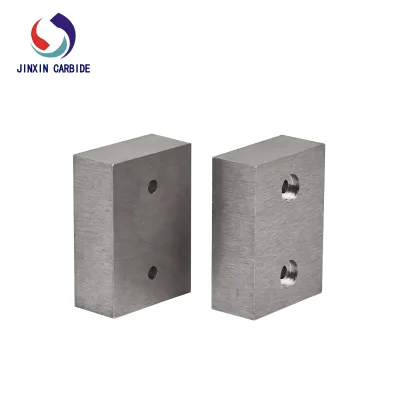
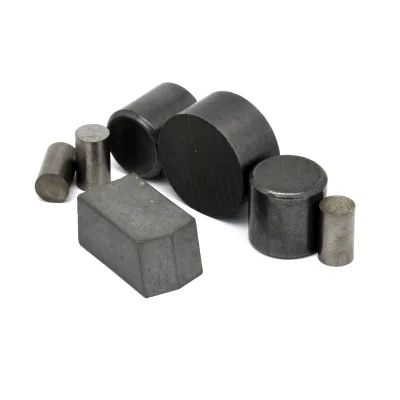


$150.00 - $500.00
MOQ: 1 Pieces

$150.00 - $500.00
MOQ: 1 Pieces

$150.00 - $500.00
MOQ: 1 Pieces

$150.00 - $500.00
MOQ: 1 Pieces


Comprehensive Sourcing Guide
Strategic Sourcing Guide for Weight Balance Tungsten Columns
Procuring tungsten balance weights and columns requires a rigorous approach that balances high-density material properties with precise manufacturing tolerances. The core keyword "Weight Balance Tungsten Column" points to a specialized segment of industrial components used primarily for counterbalancing, vibration damping, and precision weighting in machinery. Buyers must navigate a landscape where material composition, surface finishing, and dimensional accuracy are critical to performance. This guide synthesizes available product attributes and industry standards to provide a structured framework for evaluating potential suppliers and ensuring the procurement of high-quality tungsten alloy components.
Technical Specifications and Material Properties
The foundation of sourcing a tungsten balance column lies in understanding the specific material attributes and dimensional requirements. Tungsten alloys are selected for their exceptional density, which allows for compact designs in applications where space is limited but mass is required. Based on observed product data, the density of these materials typically ranges from 17 to 18.5 grams per cubic centimeter (g/Cc), with some high-performance variants reaching up to 18.5 g/Cc. This high density is a primary driver for their use in aviation, electronics, and medical equipment where weight reduction of the overall system is achieved by concentrating mass in smaller volumes.
Dimensional specifications vary significantly depending on the intended application. Buyers may encounter products with diameters ranging from 2.5 mm to 15 mm, or larger custom shapes such as OD 108 x ID 94 x 3.5 mm. Length specifications can extend from 2.5 mm up to 50 mm, or be customized entirely according to engineering drawings. The shape of the column is not limited to round profiles; square cross-sections are also available, with specific dimensions like 76.2 x 76.2 x 76.2 mm or 6 x 6 x 7.5 mm observed in the market. When sourcing, it is essential to verify that the supplier can accommodate "According to Drawing" specifications, as standard sizes may not fit every machinery requirement.
Mechanical properties are equally critical for ensuring the longevity and safety of the balance weights. The hardness of these tungsten columns generally falls between 21 and 32 HRC, with specific ranges like 22-30 HRC or 22-32 HRC noted in product listings. The Ultimate Tensile Strength (UTS) is a key indicator of structural integrity, with observed values ranging from ≥750 MPa to 600-1450 MPa depending on the alloy composition and processing method. Elongation capabilities, which indicate ductility before fracture, are observed to be ≥18% in certain configurations. These mechanical benchmarks must be matched against the operational stresses of the end application to prevent failure.
Manufacturing Processes and Surface Finishes
The production method for tungsten balance columns significantly influences their final properties and surface quality. The primary manufacturing processes identified include sintering and machining. Products may be supplied in a "Sinter State," "Machined State," or a combination of both, often described as "Sinter State/Machined State." The choice between these states depends on the required precision and the subsequent processing steps the buyer intends to undertake. For high-precision balance weights, a machined finish is often necessary to achieve tight tolerances on diameter and length.
Surface finishing is another critical consideration. The surface treatment can range from raw sintered surfaces to finished machined states. Buyers should verify the specific surface condition required for their application, as a rough sintered surface may not be suitable for direct contact with moving parts without further processing. The product attributes indicate that customization is available, allowing for specific surface treatments or post-processing to meet unique environmental or mechanical needs. Additionally, the alloy composition is a defining factor, with "Tungsten alloy" being the primary material class. Buyers must confirm the specific alloy grade, as variations in nickel, iron, or copper content can alter density and mechanical strength.
Compliance, Certification, and Standards Verification
Navigating the compliance landscape for tungsten components requires careful verification of certifications and adherence to international standards. The observed product data highlights several key certifications and standards that serve as benchmarks for quality assurance. ISO9001 is a frequently cited certification, indicating that the supplier maintains a quality management system. Other certifications mentioned include ISO2008 and CE, which suggest compliance with specific regional or industry safety and quality protocols. However, buyers should treat these as observations of specific listings rather than universal guarantees for all products in the category.
Standards compliance is equally vital. The market data references a wide array of international standards, including ASTM, AISI, BS, DIN, GB, and JIS. Specific product attributes mention ASTM and ISO as applicable standards. When sourcing, buyers must explicitly request documentation proving that the specific batch of tungsten columns meets the relevant ASTM or ISO standards for their application. For instance, if the application involves medical or aviation use, verifying compliance with ASTM B777 or other relevant aerospace standards is essential. It is important to note that while some listings mention "reach" or specific ISO standards, these should be treated as background information and not assumed to apply to every product without explicit confirmation from the supplier.
Cost Drivers and Procurement Economics
The cost of tungsten balance columns is influenced by several factors, including material density, manufacturing complexity, and customization levels. Tungsten is a high-value material, and the cost is directly correlated with the purity and alloy composition. The observed price range in the market spans from $0.05 to $1000, reflecting the vast difference between small, standard components and large, custom-engineered columns. This wide range underscores the importance of defining precise specifications before requesting quotes, as a custom shape or tighter tolerance can exponentially increase the cost.
Minimum Order Quantities (MOQ) are another significant economic factor. The observed MOQ range is from 1 to 1000 units, offering flexibility for both prototyping and mass production. Buyers seeking small batches for testing or low-volume applications can find suppliers with low MOQs, while those requiring bulk inventory for large-scale machinery assembly should negotiate based on higher volumes. Lead times and packaging costs also contribute to the total cost of ownership. Standard packaging often involves plastic bags and cartons, while export-standard or bulk shipments may require wooden cases or barrels. Buyers should factor in the cost of specialized packaging if the components are destined for international shipping or sensitive environments.
Typical Applications and Industry Use Cases
Tungsten balance columns are versatile components utilized across a diverse range of industries. The primary applications identified include metal drawing machinery, metal processing machinery parts, chemical processing, medical devices, industrial automation, electronics, and aviation. In metal processing, these columns serve as counterweights to ensure smooth operation and reduce vibration in heavy machinery. In the medical and electronics sectors, the high density of tungsten allows for the miniaturization of balancing mechanisms without sacrificing stability.
The aviation industry represents a critical application area where weight and precision are paramount. The use of tungsten in aviation components helps in maintaining the center of gravity and reducing the overall weight of the aircraft structure. Similarly, in chemical and industrial settings, the corrosion resistance and mechanical strength of tungsten alloys make them ideal for balancing rotating equipment in harsh environments. Buyers should clearly communicate their specific industry and application requirements to suppliers, as this can influence the choice of alloy, surface finish, and certification requirements.
Supplier Evaluation and Quality Control Protocols
Evaluating potential suppliers requires a multi-faceted approach that goes beyond price comparisons. Buyers should prioritize suppliers who demonstrate a clear understanding of the technical specifications, including density, hardness, and tensile strength. The availability of customization support, such as OEM services, is a strong indicator of a supplier's capability to meet unique engineering needs. Additionally, the presence of certifications like ISO9001 and adherence to standards like ASTM provide a baseline for quality assurance.
Quality control protocols are essential to ensure that the delivered products meet the required specifications. Buyers should request detailed inspection reports that verify density, hardness, and dimensional accuracy. The observed data indicates that products are often supplied with specific packing methods, such as wooden cases or barrels, which can also serve as an indicator of the supplier's attention to detail during shipping. Warranty terms, such as the observed 3-month warranty, should be reviewed to understand the supplier's confidence in their product quality. Furthermore, the origin of the product, often listed as China (Dongguan or Mudanjiang), should be considered in the context of the buyer's supply chain strategy and any potential trade regulations.
Long-Term Procurement Considerations
Sourcing tungsten balance columns is not merely a transactional activity but a strategic decision that impacts long-term operational efficiency. Buyers should consider the availability of after-sales support, including technical assistance for installation and maintenance. The ability of the supplier to provide consistent quality over time is crucial, especially for applications where component failure could lead to significant downtime or safety hazards. Establishing a long-term relationship with a reliable supplier can also facilitate better pricing and priority handling for urgent orders.
Sustainability and supply chain resilience are also becoming increasingly important. Buyers should inquire about the sourcing of raw materials and the environmental impact of the manufacturing process. While specific environmental certifications may not be explicitly listed in all product data, understanding the supplier's commitment to sustainable practices can be a differentiator. Finally, buyers should maintain a clear record of all specifications, certifications, and test results for each batch purchased to ensure traceability and facilitate future reordering or troubleshooting. By adhering to these guidelines, buyers can effectively navigate the complex market for tungsten balance columns and secure high-quality components that meet their rigorous operational demands.
FAQs
What are the typical density and hardness values for these columns?
The density typically ranges from 17 to 18.5 grams per cubic centimeter, with hardness falling between 21 and 32 HRC. These mechanical properties ensure structural integrity for aviation and medical applications where precise mass concentration is required.
Can I request custom dimensions for the tungsten balance columns?
Yes, customization is available with sizes specified according to engineering drawings. Buyers can request specific diameters from 2.5 to 15 mm or custom shapes like square profiles to fit unique machinery requirements.
Which certifications do the manufacturers typically hold for quality assurance?
Many suppliers hold ISO9001 certification and adhere to standards like ASTM, ISO2008, and CE. These certifications indicate a maintained quality management system and compliance with international safety and production protocols.
How are the products packaged for export and international shipping?
Standard packaging includes plastic bags and cartons, while bulk orders may use wooden cases or barrels. Export-standard packing is available to ensure components remain secure during transit to global destinations.
What is the minimum order quantity for purchasing these components?
The minimum order quantity ranges from 1 to 1000 units depending on the supplier and product configuration. This flexibility allows buyers to source small batches for prototyping or larger volumes for mass production.
Which manufacturing processes are used to finish the tungsten alloy surfaces?
Products are produced using sintering and machining processes, available in sintered, machined, or combined states. The surface finish is selected based on the required precision and the specific operational environment of the application.