Source Weight Lifting Gloves for Gym, Training, and Sports
Compare 30 Weight Lifting Gloves from Chinese manufacturers with options for palm protection, anti-slip grip, and customized logos. Buyers can evaluate materials like polyester and leather, sizes, and MOQs for fitness and strength training needs.
Key considerations
Products List
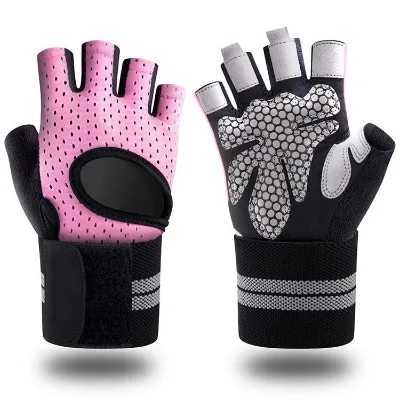
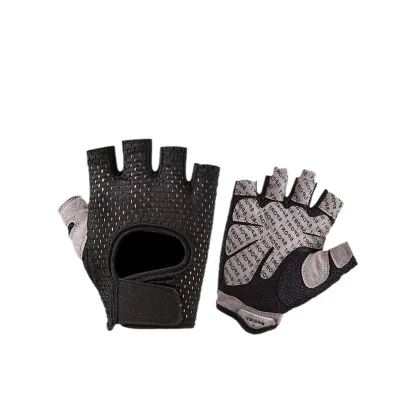
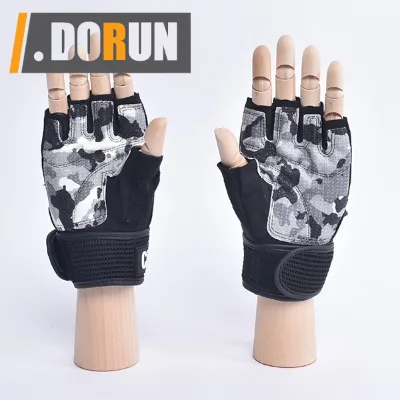


Top Quality Best Gym Gloves Weight Lifting Gloves Fitness Workout Gloves Sports Gloves
$19.70 - $29.00
MOQ: 100 Pieces


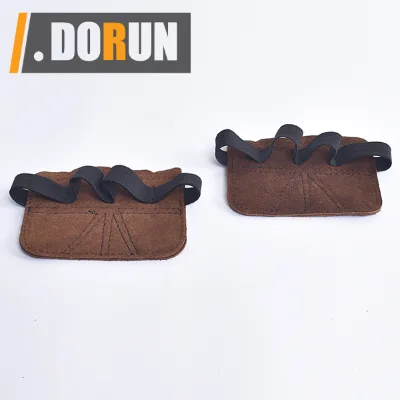
Durable Protective Leather Workout Glove Non-Slip Weight Lifting Gloves Hand Grips
$1.90 - $2.10
MOQ: 477 Pieces


Comprehensive Sourcing Guide
Strategic Sourcing Guide for Weight Lifting Gloves
Understanding Product Variations and Core Specifications
The market for Weight Lifting Gloves presents a diverse landscape where buyers must distinguish between general fitness accessories and specialized training equipment. Based on current market observations, these products are engineered for specific activities including weightlifting, strength training, stretching exercises, and general gym applications. A critical first step in sourcing is recognizing that product attributes vary significantly across suppliers, even when the core keyword remains identical.
One primary differentiator is the design architecture. Buyers will encounter variations such as "Half Finger Gloves" which expose the fingertips for better bar feel, or designs offering "Full Palm Protection" with integrated wrist straps for enhanced stability during heavy lifts. The material composition is equally critical and dictates the glove's performance profile. Observed specifications indicate a range of materials, from standard Polyester blends to more robust constructions involving Leather, Lycra, and SBR (Styrene-Butadiene Rubber). Some listings highlight a composite of Polyester, microfiber, non-slip silicone, and Nylon, suggesting a focus on durability and grip enhancement.
The functional intent also varies. While some products are marketed primarily for "Palm Guard" protection against calluses and abrasions, others emphasize "Improve your grip" through anti-slip technologies. The presence of wrist straps is a common feature in models designed for heavy lifting, providing the necessary support to stabilize the wrist joint. Buyers should verify the specific "Closure Type," which is typically a "Pull On" design, ensuring the fit is secure without the need for buckles or Velcro that might interfere with movement.
Technical Specifications and Material Analysis
When evaluating the technical specifications of Weight Lifting Gloves, the buyer must look beyond marketing claims and focus on the tangible construction details provided in the product data. The material composition is the single most important factor in determining the glove's longevity and comfort.
| Feature Category | Observed Specifications | Sourcing Implication |
|---|---|---|
| Primary Materials | Polyester, Leather, Lycra, SBR, Nylon, Microfiber | Leather and SBR offer superior durability and sweat absorption; Polyester blends offer breathability and cost efficiency. |
| Protective Elements | Non-slip silicone, Full Palm coverage | Essential for preventing hand slippage on metal bars and reducing friction burns. |
| Thickness Profile | Normal thickness | Balances tactile sensitivity with protection; thicker options may reduce grip precision. |
| Size Range | S, M, L, XL | Critical for ensuring a snug fit that does not impede circulation or cause blisters. |
| Weight | Approx. 0.300 kg per single gross weight | Indicates the density of the material; lighter gloves may offer less protection. |
The "Thickness" is often listed as "NORMAL," which implies a standard balance between protection and dexterity. However, buyers should verify if the specific model offers reinforced padding in high-wear areas. The "Single package size" varies, with observations ranging from 17x10x3 cm to 20x15x5 cm. This variation impacts shipping costs and storage efficiency, particularly for bulk orders.
Furthermore, the "Single volume" and "Single gross weight" are essential for logistics planning. While some data points list these as zero or negligible, others provide concrete figures like 0.300 kg. This discrepancy highlights the need for buyers to request precise packing lists from suppliers to calculate accurate freight charges. The "Color" options are diverse, including Black, Pink, Grey, and Blue, allowing for customization to match brand identity or team aesthetics.
Compliance, Certification, and Safety Standards
In the B2B procurement of fitness equipment, compliance and safety are paramount, yet the provided data indicates a mixed landscape regarding certifications. Many listings explicitly state "Brand Name: NO" or generic branding, which often correlates with a lack of formal third-party certifications. Conversely, some suppliers list specific brand names like "Aofit" or "DORUN FITNESS," which may imply a higher level of quality control, though this is not guaranteed without verification.
Buyers must be aware that the "Protection Class" is listed as "Basic Protection." This terminology suggests that the gloves are designed for general use and may not meet rigorous industrial safety standards required for heavy industrial applications. For fitness and gym environments, the primary safety concern is the integrity of the materials to prevent tearing during high-tension lifts.
Regarding certifications, the supplied facts do not confirm the presence of specific international standards such as ISO 9001 for quality management or REACH compliance for chemical safety in textiles. The "Feature" list includes "Eco-Friendly," but without a specific certification standard attached, this claim should be treated as a supplier assertion rather than a verified fact. Buyers should explicitly request documentation for any eco-friendly claims, such as GOTS (Global Organic Textile Standard) or OEKO-TEX certification, to ensure the materials are free from harmful substances.
Additionally, the "Place of Origin" varies across Zhejiang, Hebei, and Jiangsu provinces in China. While these regions are known for manufacturing capabilities, buyers should verify that the specific factory adheres to local labor laws and environmental regulations. The absence of specific certification data in the product listings means that due diligence is the responsibility of the buyer. It is advisable to request a test report or a certificate of compliance from the supplier before finalizing a large order, especially if the gloves are intended for commercial gym use where liability is a concern.
Cost Drivers and Minimum Order Quantities
The financial structure of sourcing Weight Lifting Gloves is heavily influenced by the Minimum Order Quantity (MOQ) and the customization level. The observed MOQ range is substantial, spanning from 100 pairs to 6,000 units, with specific listings showing MOQs of 200 pieces or 100 pairs. This variance suggests that suppliers have different capacity thresholds and pricing tiers based on order volume.
For buyers looking to enter the market with a smaller inventory, the lower end of the MOQ spectrum (100-200 units) offers a viable entry point. However, the "Selling Units" are often listed as "Single item," which can be misleading for bulk procurement. Buyers must clarify whether the price quoted is per pair or per individual glove, as this significantly affects the total cost calculation.
Customization is a major cost driver. The data confirms that "Logo: Customized Logo Available" and "is_customized: Yes" are common attributes. While OEM and ODM services are accepted by many suppliers, the cost of adding a custom logo, selecting specific colors (Black, Pink, Grey, Blue), or altering the material composition will increase the unit price. The "Sample Time" of 3 work days indicates a relatively quick turnaround for prototypes, but the "Delivery Time" for bulk orders is typically around 10 days. This short lead time is advantageous for maintaining lean inventory but requires precise demand forecasting to avoid stockouts.
The "Single gross weight" and package dimensions also influence the final landed cost. Heavier gloves with more padding or larger packaging sizes will incur higher shipping fees. Buyers should calculate the total cost of ownership, including freight, duties, and warehousing, rather than focusing solely on the unit price. The observed price range of $0.5 to $29 USD reflects the vast difference between basic polyester models and premium leather or silicone-enhanced gloves.
Supplier Evaluation and Operational Reliability
Selecting the right supplier requires a rigorous evaluation of their operational capabilities and reliability. The "Place of Origin" data points to three distinct manufacturing hubs: Zhejiang, Hebei, and Jiangsu. Each region may have different strengths; for instance, Zhejiang is often associated with textile manufacturing, while Jiangsu and Hebei may have specialized industrial capabilities.
When evaluating suppliers, buyers should prioritize those who demonstrate transparency in their specifications. The presence of detailed model numbers (e.g., GL2601, LJ-250103, DR-GL084) suggests a structured production line capable of maintaining consistency. However, the variation in attributes for the same model number across different listings indicates a need for caution. Buyers must verify that the product they receive matches the specific model number and specifications provided in the contract.
The "OEM&ODM: accept" attribute is a strong indicator of a supplier's flexibility. Suppliers willing to offer these services are typically more experienced in handling custom orders and can adapt to specific buyer requirements. However, buyers should assess the supplier's capacity to handle the required volume. An MOQ of 6,000 units implies a large-scale operation, while an MOQ of 100 pairs suggests a smaller, more agile manufacturer.
Communication is another critical factor. The "Sample Time" of 3 work days indicates a responsive supply chain. Buyers should test this responsiveness by requesting samples before placing a bulk order. The sample should be evaluated for quality, fit, and adherence to the claimed features such as "Breathable," "Lightweight," and "Soft."
Quality Control and Long-Term Procurement Strategy
Implementing a robust quality control (QC) strategy is essential for ensuring the longevity and safety of Weight Lifting Gloves. Given the "Protection Class: Basic Protection" and the diverse material compositions, buyers should establish clear acceptance criteria. Key QC checkpoints include verifying the "Anti-slip" properties of the palm, the durability of the stitching, and the integrity of the wrist straps.
The "Feature" list includes "Durable" and "Wear-resistance," but these are subjective claims. Buyers should define objective metrics for durability, such as the number of lift cycles the glove can withstand before showing signs of wear. Testing the "Non-slip silicone" for adhesion and elasticity is also crucial, as failure in this area can lead to accidents during heavy lifting.
For long-term procurement, buyers should consider the scalability of their supplier relationship. The "Delivery Time" of 10 days is efficient, but consistency is key. Buyers should negotiate contracts that guarantee this lead time even during peak seasons. Additionally, the "Color" options and "Customized Logo" capabilities should be locked in to ensure brand consistency over time.
Buyers should also plan for inventory management based on the "Size" distribution (S/M/L/XL). Understanding the demand ratio for each size is vital to avoid overstocking less popular sizes. The "Single package size" data can be used to optimize warehouse space and shipping logistics.
Finally, buyers should maintain a close relationship with their supplier to stay informed about material availability and potential price fluctuations. The "Material" composition, particularly the use of leather or specialized synthetics, can be subject to market volatility. Establishing a long-term partnership with a reliable supplier who offers OEM/ODM services will provide the stability needed to navigate these challenges and ensure a steady supply of high-quality Weight Lifting Gloves.
FAQs
What materials are used for Weight Lifting Gloves?
Materials include Polyester, Leather, Lycra, SBR, Nylon, and microfiber with non-slip silicone. Specific combinations vary by model, with some offering full palm protection while others focus on breathability and lightweight comfort for gym activities.
Which sizes are available for Weight Lifting Gloves?
Standard sizes range from Small to Extra Large, covering S, M, L, and XL. Buyers should verify the specific size chart for each model to ensure a snug fit that prevents blisters and maintains grip stability during heavy lifts.
Can I customize the logo on Weight Lifting Gloves?
Yes, customized logos are available for most models, and OEM and ODM services are accepted. Suppliers typically require a minimum order quantity to accommodate these customization requests while maintaining production efficiency and cost-effectiveness.
What is the typical lead time for Weight Lifting Gloves?
The standard delivery time is approximately 10 days for bulk orders. Sample preparation usually takes 3 work days, allowing buyers to verify quality before committing to larger production runs with specific customization requirements.
How much is the minimum order quantity for Weight Lifting Gloves?
Minimum order quantities vary between 100 pairs and 6,000 units depending on the supplier and customization level. Some models have an MOQ of 200 pieces, while others start at 100 pairs, offering flexibility for different inventory needs.
Where are Weight Lifting Gloves manufactured?
Manufacturing locations include Zhejiang, Hebei, and Jiangsu provinces in China. These regions are established hubs for textile and fitness equipment production, offering diverse supplier options with varying capabilities in materials and customization.