Source Weight Loss Rose Bud Tea for Health Care, Slimming, and Herbal Medicine
Compare 30 verified listings for Weight Loss Rose Bud Tea from Chinese manufacturers. Buyers can evaluate packaging, certifications, and MOQs for health care, slimming, and herbal medicine applications. Detailed product specifications include moisture content, purity levels, and shelf life data to ensure quality selection for diverse commercial needs.
Key considerations
Products List
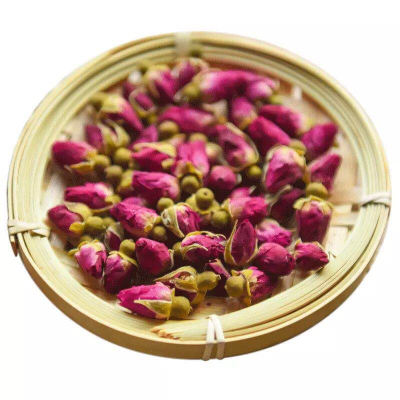


Chinaherbs Premium Weight Loss Fat Burner Slim Tea Herbal Tea for Slimming
$1.15 - $1.75
MOQ: 100 Pieces


Comprehensive Sourcing Guide
Weight Loss Rose Bud Tea Sourcing Guide
Procuring rose bud tea for weight management applications requires a nuanced understanding of how botanical ingredients interact with metabolic processes. Buyers must distinguish between pure rose bud products and complex blends marketed as slimming teas. The core keyword suggests a focus on Rosa Rugosa Thunb., a specific variety often cited in traditional herbal medicine for its aromatic properties and potential digestive benefits. Sourcing this ingredient involves navigating a market where "weight loss" claims are heavily regulated, requiring suppliers to provide robust evidence of ingredient purity and processing integrity.
The procurement strategy should prioritize transparency in ingredient sourcing and processing methods. Since rose buds are often used in conjunction with other herbs to create slimming formulations, buyers need to verify the exact composition of the final product. This involves confirming whether the product is a single-origin rose bud tea or a mixture containing additional botanicals. Understanding the distinction between crude medicine forms and processed tea bags is essential for aligning product selection with specific regulatory requirements and consumer expectations in target markets.
Product Scope and Observed Listing Signals
Market listings for rose bud tea reveal a diverse range of product formats, from loose leaf varieties to pre-packaged tea bags and bulk extracts. Buyers will encounter products labeled as "Slim Tea" or "Health Tea," which often combine rose buds with other herbal components to enhance perceived efficacy. The observed data indicates a wide variation in packaging, including boxes, bags, and bulk containers, reflecting different supply chain needs. Some listings specify a moisture content of 14% max and impurity levels of 1% max, which are critical quality indicators for dried botanical materials.
The product scope extends beyond simple tea leaves to include specialized forms such as whole flower extracts and crude medicine preparations. Listings often highlight the use part as "Plant Flower," emphasizing the botanical origin of the ingredient. Buyers should note that some products are marketed with specific models or SKUs, such as F21836 or B21303-1, which may correspond to different processing standards or packaging configurations. Understanding these signals helps in identifying suppliers who offer the specific form factor required for your brand, whether it be gift packing, bulk industrial use, or retail-ready tea bags.
Technical Specifications to Verify
Technical verification begins with confirming the botanical identity and physical characteristics of the rose buds. Buyers must ensure that the product matches the Latin name Rosa Rugosa Thunb. and is derived from cultivated sources rather than wild harvests, which can vary in quality and consistency. Key specifications to verify include the moisture content, which should not exceed 14%, and the impurity level, capped at 1%. These parameters are crucial for ensuring shelf stability and preventing microbial growth during storage and transportation.
Packaging and standardization details are equally important for operational efficiency. Suppliers may offer various packaging options, such as 1kg/bag, 25kg/bag, or bulk PA bags, each suited to different distribution channels. Buyers should verify the standard packaging configuration, such as 3g*12bags/box for retail or 55kg/bag for industrial use. Additionally, confirming the shelf life, which is typically 18 months to 2 years, helps in planning inventory management. It is also essential to check if the product is available in loose tea, tea bag, or scent tea formats to match your product positioning.
Compliance and Safety Documentation
Compliance with international food safety standards is non-negotiable for weight loss tea products. Buyers must request documentation proving that the supplier adheres to recognized certifications such as FDA, ISO9001/22000, GMP, and HACCP. These certifications indicate that the manufacturing facility maintains rigorous hygiene and quality control protocols, reducing the risk of contamination. For products intended for export, verifying compliance with destination-specific regulations is critical, as weight loss claims are subject to strict scrutiny in many jurisdictions.
Documentation should also include detailed ingredient lists and usage instructions. Since rose buds are often used in Chinese herbal medicine, buyers should ensure that the supplier provides clear guidance on dosage, such as "Fried Served with Water." This information is vital for creating accurate product labeling and consumer instructions. Additionally, verifying the English and Chinese names of the product, such as "Rose Flower Bud" and "Mei Gui Hua Lei," ensures consistency in documentation and regulatory filings. Buyers should also confirm the cultivation method, ensuring that the product is from cultivated sources to guarantee consistency and safety.
Cost Drivers and Commercial Terms
Cost structures for rose bud tea are influenced by several factors, including the form of the product, packaging complexity, and order volume. Bulk raw materials, such as crude medicine or loose tea, typically offer lower unit costs compared to pre-packaged retail formats like tea bags or gift boxes. Buyers should analyze the minimum order quantity (MOQ) requirements, which can range from small trial orders to large bulk purchases. Understanding these thresholds helps in negotiating favorable pricing and managing cash flow effectively.
Commercial terms also encompass packaging specifications and logistics considerations. Suppliers may offer different packing options, such as 120 boxes per carton or 32kg/bag configurations, which impact shipping efficiency and costs. Buyers should clarify whether the quoted price includes packaging materials or if these are charged separately. Additionally, verifying the origin of the product, often Hunan, China, for rose buds, can provide insights into supply chain dynamics and potential logistical advantages. Clear communication regarding these terms prevents unexpected costs and ensures a smooth procurement process.
Supplier Qualification and Quality Control
Supplier qualification requires a thorough assessment of their production capabilities and quality management systems. Buyers should verify the supplier's ability to provide consistent product quality, particularly regarding moisture content and impurity levels. Requesting samples for independent testing is a crucial step to validate the supplier's claims. Additionally, assessing the supplier's experience in exporting to your target market can provide insights into their understanding of regulatory requirements and cultural preferences.
Quality control processes should be transparent and well-documented. Buyers should inquire about the supplier's internal testing protocols, including checks for heavy metals, pesticides, and microbial contamination. Suppliers who offer customization services may provide additional value, allowing buyers to tailor products to specific market needs. However, buyers must ensure that any customizations do not compromise the integrity of the rose buds or introduce new safety risks. Establishing a strong relationship with a qualified supplier ensures long-term supply stability and product consistency.
Long-Term Procurement Checks
Long-term procurement success depends on continuous monitoring of supplier performance and market trends. Buyers should establish regular review cycles to assess product quality, delivery reliability, and compliance with evolving regulations. Keeping abreast of changes in weight loss tea regulations is essential, as marketing claims and ingredient restrictions may shift over time. Proactive engagement with suppliers can help in anticipating supply chain disruptions and securing favorable terms during periods of market volatility.
Building a diversified supplier base can mitigate risks associated with single-source dependencies. Buyers should consider sourcing from multiple suppliers to ensure continuity of supply and competitive pricing. Additionally, investing in relationship management with key suppliers can lead to better support, such as priority production slots or exclusive product offerings. Regular feedback loops with suppliers help in identifying areas for improvement and fostering a collaborative partnership. By maintaining a strategic approach to procurement, buyers can secure a reliable supply of high-quality rose bud tea for their weight loss product lines.
FAQs
How is the Weight Loss Rose Bud Tea packed for shipping?
Packing options include 3g by 12 tea bags per box, 25kg bags for bulk orders, or 1kg bags with 20 bags per carton. Gift packing is also available for retail lines. Box packaging suits private label buyers, while large bag formats fit repackers and wholesale distributors who refill smaller retail units.
What is the typical minimum order quantity for this rose bud tea?
Minimum order quantities vary by format, commonly starting from 120 boxes for boxed tea or 500kg for bulk loose flower buds. Small trial orders can sometimes be arranged before committing to a full production run. Confirm the exact MOQ for your chosen packaging specification, since tea bags, loose tea, and gift sets may carry different requirements.
Can the rose bud tea be customized with my own brand packaging?
Yes, customization is available on this listing, covering private label boxes, gift packing, and blended slimming tea formulas. Buyers typically provide artwork and brand requirements, then the factory confirms packaging materials and box counts. Discuss customization scope early because artwork approval and printing can add time to the overall production schedule.
What certifications do the rose bud tea products hold?
Listed certifications include FDA, ISO9001 and ISO22000, GMP, and HACCP, which support export to regulated food and health tea markets. Certification coverage can differ between individual products and suppliers on the page. Always request current certificates and verify they match the exact product specification and production batch you intend to purchase.
What are the quality specifications for the rose bud tea?
Key specifications include moisture at 14 percent maximum and impurity at 1 percent maximum, with whole rose flower buds cultivated rather than wild harvested. The product is classified as Rosa Rugosa Thunb, using the plant flower part. Standards such as 50g, 250g, or 1kg bag formats apply depending on the specific listing and supplier.
What is the shelf life of the rose bud slimming tea?
Shelf life is typically 2 years for the whole rose flower bud product, while some mixed herbal slimming tea listings state 18 months. Store the tea sealed in a cool, dry place away from strong odors to preserve aroma. Check the shelf life printed on your specific packaging, since blends and pure buds may differ.
How is the rose bud tea prepared and used?
The tea is served by frying or steeping in water as a health tea drink, and it is also used in Chinese herbal medicine applications. Rose bud slimming tea combines flower buds with mixed herbs for daily wellness use. Steep a measured portion in hot water until the buds open and release color before drinking.
Where do the rose bud tea products originate from?
Listed origins include China generally and Hunan specifically, a region known for tea cultivation and herbal processing. Sourcing from Hunan factories can simplify factory audits and sample requests within one province. Confirm the exact origin with each supplier, since different listings on the page may come from different production locations.