Source German Style Aluminum Hard Seltzer for Bars, Events, Retail
Compare 30 listings for German Style Aluminum Hard Seltzer from verified manufacturers. Buyers can evaluate specifications like volume, alcohol content, and customization options to find suitable suppliers for bars, events, and retail distribution; compare the available evidence and request quotations based on your requirements.
Key considerations
Products List


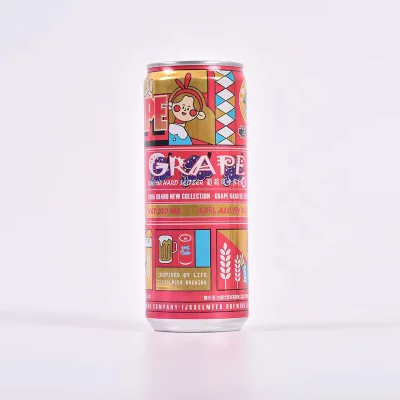
Best Selling Exporter Malt Alcoholic Beverage Grape Flavor Hard Seltzer
$5.70 - $7.00
MOQ: 100000 Boxes


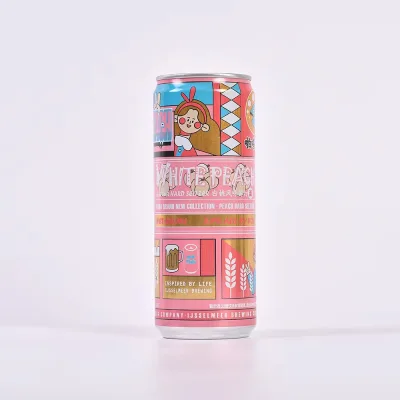
Chinese Wholesale Beer Factory Packaging 330ml White Peach Flavor Hard Seltzer
$5.00 - $8.20
MOQ: 1500 Boxes


High Quality Craft Beer Wholesale White Peach Flavor Hard Seltzer for Export
$5.00 - $8.20
MOQ: 1500 Boxes


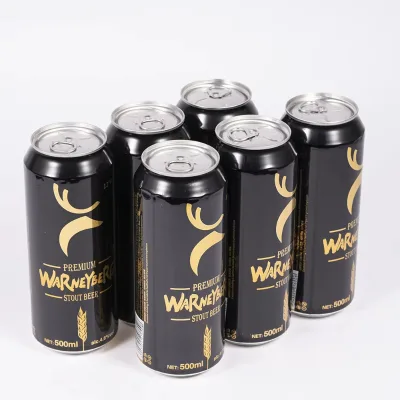


Hot Sale Hard Seltzer Canned Seltzer Soda Hard Beverage Canned Cocktail Drinks
$5.00 - $6.00
MOQ: 2200 Boxes


Hard Seltzer Fruit Beer Passion Fruit Flavor 330ml Sleek Can OEM Juice 2.5%
$9.00 - $10.00
MOQ: 4800 Boxes

Hard Seltzer Fruit Beer Pineapple Flavor 330ml Sleek Can OEM Juice 2.5%
$9.00 - $10.00
MOQ: 4800 Boxes
Comprehensive Sourcing Guide
German Style Aluminum Hard Seltzer Sourcing Guide
Sourcing hard seltzer in the German style requires a nuanced understanding of both beverage formulation and packaging logistics. While the core keyword suggests a specific regional aesthetic, the actual market data indicates a broader category of aluminum-packaged alcoholic beverages. Buyers must distinguish between traditional German beer styles and the modern hard seltzer trend, which often utilizes wheat or malt bases. The observed listings show a variety of alcoholicity levels, ranging from low-degree to high-degree options, which significantly impacts the target demographic and regulatory classification in different markets.
The packaging material is consistently identified as aluminum, with standard volumes including 330ml, 355ml, and 500ml formats. This aligns with global preferences for portable, lightweight containers that preserve carbonation and flavor integrity. Procurement teams should verify whether the "German style" refers to the brewing technique, such as fermentation methods using malt and yeast, or merely the branding and labeling design. The distinction is critical for ensuring that the final product meets the expected taste profile, which may range from medium dry to natural taste, depending on the specific ingredient blend and fermentation process employed by the manufacturer.
Product Scope and Observed Listing Signals
The product scope encompasses a diverse range of alcoholic beverages packaged in aluminum cans, with observed listings highlighting variations in taste, ingredients, and alcoholic content. Key attributes include medium dry tastes, low-degree and high-degree alcoholicity, and primary ingredients such as wheat, malt, barley, water, and hops. Some listings also mention fruit beer variants and steam beer types, indicating a broad spectrum of flavor profiles available from suppliers. Buyers should note that while the core keyword specifies "hard seltzer," the actual product data includes craft beer and alcohol beer categories, suggesting that suppliers may use these terms interchangeably or offer a hybrid product line.
Listing signals also reveal significant variability in packaging and customization options. Products are available in pallet or box packaging, with some suppliers offering OEM customization for branding and flavor. The observed price range is wide, from $0.07 to $11 per unit, reflecting differences in volume, quality, and order quantity. Minimum order quantities (MOQ) vary substantially, from 1,500 to 500,000 pieces, with some specific listings citing an MOQ of 100,000 PCS. These signals indicate that buyers must carefully align their order volume with supplier capabilities and that pricing is highly sensitive to the scale of procurement and the level of customization required.
Technical Specifications to Verify
Technical verification must begin with the physical specifications of the aluminum cans, including dimensions, wall thickness, and seal integrity. Standard sizes observed include 250ml, 330ml, 500ml, and other custom volumes, with packaging typically consisting of 24 cans per carton. Buyers should confirm the ends style, such as CDL B64, RTP SOT, which affects compatibility with filling lines and consumer opening experience. The material is consistently aluminum, but the specific alloy and coating technology used to prevent interaction between the beverage and the container should be verified to ensure flavor neutrality and corrosion resistance.
Beverage formulation specifications are equally critical, particularly regarding ingredients and shelf life. Common ingredients include malt, hops, yeast, water, and sometimes acidifiers or fruit extracts. The producing method is primarily fermentation, with shelf life typically listed as 12 months. Buyers must verify the storage conditions, which are generally recommended to be cool and dry, between 0-25°C. Additionally, the alcoholicity level, whether low-degree or high-degree, must be clearly defined on the label and in the technical data sheet to ensure compliance with local alcohol regulations and to meet the intended market positioning.
Compliance and Safety Documentation
Compliance documentation is essential for importing alcoholic beverages, particularly when dealing with suppliers in China, as indicated by the observed origin data. Buyers must request certifications such as ISO, CE, and CIQ, which are commonly listed by suppliers. These certifications indicate adherence to quality management systems and export inspection standards. However, buyers should verify the specific scope of these certifications to ensure they cover the production of alcoholic beverages and the manufacturing of aluminum packaging. Additional food safety standards, such as ISO 22000, may be relevant but should be confirmed rather than assumed.
Labeling compliance is another critical area, especially for products marketed as "German style" or "craft beer." Buyers must ensure that ingredient lists, alcohol content percentages, and allergen warnings meet the regulatory requirements of the destination market. The observed listings mention various brands and OEM options, which implies that labeling can be customized. However, this customization must not violate truth-in-advertising laws or mislead consumers about the product's origin or style. Buyers should also verify that the supplier provides batch-specific test results for microbial safety and chemical contaminants, ensuring that the product is safe for consumption throughout its shelf life.
Cost Drivers and Commercial Terms
Cost drivers for aluminum hard seltzer include raw material prices for aluminum and malt, energy costs for fermentation and canning, and labor expenses. The observed price range of $0.07 to $11 per unit reflects these variables, with lower prices typically associated with higher volumes and standard formulations. Customization, such as unique can designs or specific flavor profiles, will increase costs due to setup fees and smaller production runs. Buyers should also consider the impact of packaging materials, such as the choice between pallet and box packaging, on overall logistics costs.
Commercial terms vary significantly among suppliers, with MOQs ranging from 1,500 to 500,000 pieces. Payment terms are commonly T/T, but buyers should negotiate favorable conditions based on order volume and relationship history. Lead times are not explicitly stated in the observed data, so buyers must request this information directly from suppliers. Additionally, buyers should clarify who bears the cost of samples, as some suppliers offer free samples while others may charge. Understanding these commercial terms is crucial for accurate total cost of ownership calculations and for planning inventory and cash flow effectively.
Supplier Qualification and Quality Control
Supplier qualification should involve a thorough assessment of manufacturing capabilities, including fermentation facilities and canning lines. Buyers should verify the supplier's experience in producing alcoholic beverages, particularly those with wheat or malt bases, and their ability to maintain consistent quality across batches. The observed listings mention manufacturers such as Laizhi and brands like Zhenxi and PADA, which can serve as reference points. However, buyers should conduct their own due diligence, including factory audits and review of past performance records, to ensure reliability.
Quality control processes must be robust, covering raw material inspection, in-process monitoring, and final product testing. Buyers should request detailed quality control plans that specify testing parameters for alcohol content, carbonation levels, and microbial safety. The observed listings mention "100% Nice Quality," but this is a subjective claim that must be backed by objective data. Buyers should also verify the supplier's ability to handle defects and returns, as well as their commitment to eco-friendly practices, which is increasingly important for brand reputation and regulatory compliance in many markets.
Long-Term Procurement Checks
Long-term procurement checks should focus on supply chain resilience and continuous improvement. Buyers should monitor supplier performance metrics, such as on-time delivery rates, defect rates, and responsiveness to issues. Regular audits and quality reviews should be conducted to ensure that the supplier maintains high standards over time. Additionally, buyers should stay informed about changes in regulations, market trends, and consumer preferences that may impact the demand for German-style hard seltzer or similar products.
Strategic partnerships with suppliers can provide advantages in terms of pricing, innovation, and priority service. Buyers should consider developing long-term contracts with key suppliers, incorporating clauses for price adjustments based on raw material costs and volume commitments. Regular communication and collaboration on product development can lead to new offerings that meet evolving market needs. By maintaining a proactive approach to supplier management, buyers can mitigate risks and ensure a steady supply of high-quality aluminum-packaged alcoholic beverages for their customers.
FAQs
Can I customize the flavor and packaging for German Style Aluminum Hard Seltzer?
Yes, customization is available for both flavor and packaging. You can choose from medium dry or natural taste profiles, and select from 250ml, 330ml, or 500ml aluminum cans. The supplier supports OEM branding and printed designs, allowing you to tailor the product to your specific market needs and brand identity.
What is the minimum order quantity for German Style Aluminum Hard Seltzer?
The minimum order quantity is 100,000 pieces. This high MOQ reflects the industrial scale of production for aluminum cans and bulk beer packaging. Buyers should plan their inventory accordingly, as the supplier requires large batch orders to maintain efficiency and cost-effectiveness in manufacturing and shipping processes.
What certifications do the German Style Aluminum Hard Seltzer suppliers hold?
Suppliers typically hold ISO, CE, and CIQ certifications. These credentials ensure that the manufacturing processes meet international quality and safety standards. Buyers can verify these documents to confirm compliance with regulatory requirements in their target markets, ensuring the product is safe for consumption and properly packaged.
How should German Style Aluminum Hard Seltzer be stored and served?
Store the product in cool, dry places between 0-25°C to maintain freshness. It has a shelf life of 12 months when kept in these conditions. For best taste, serve the beer slightly chilled. Proper storage prevents spoilage and ensures the flavor profile remains consistent until consumption.
What are the main ingredients in this German Style Aluminum Hard Seltzer?
The main ingredients include malt, hops, yeast, and water. Some variations may also contain acidifiers or fruit extracts for specific flavor profiles. These core components are fermented to produce the final alcoholic beverage, ensuring a consistent and authentic taste that aligns with traditional brewing methods and modern craft standards.
What packaging options are available for German Style Aluminum Hard Seltzer?
Packaging options include aluminum cans in cartons, pallet packaging, and bulk shipping. Standard cartons contain 24 cans, and pallets are used for efficient sea freight. The supplier offers flexible packaging solutions to suit different logistics needs, ensuring the product arrives safely and is ready for retail distribution or further processing.