Source Stir-fried Morocco Taste Gunpowder Tea for Blends
Find 30 listings for Stir-fried Morocco Taste Gunpowder Tea. Compare specifications including models like 3505 and 9475, packaging options, and origin details to identify suitable suppliers for your procurement needs; compare the available evidence and request quotations based on your requirements.
Key considerations
Products List




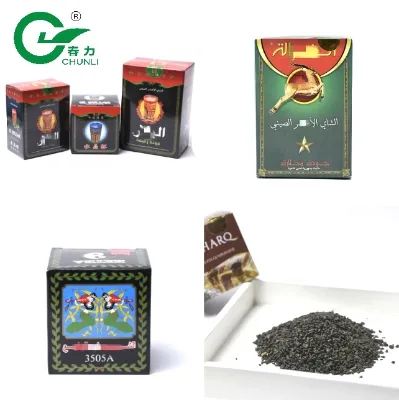
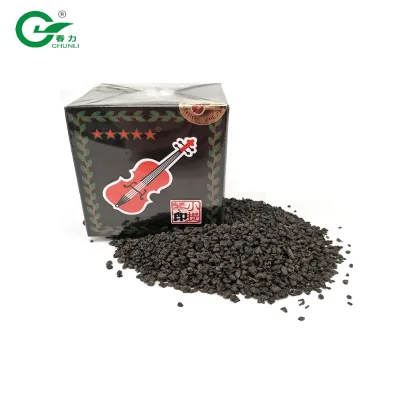
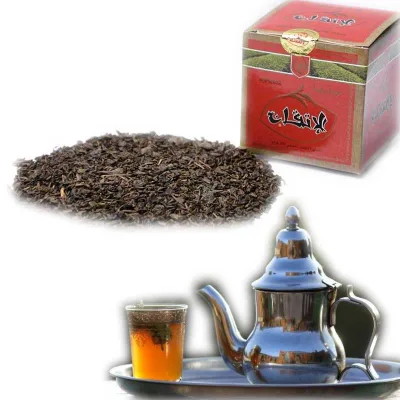
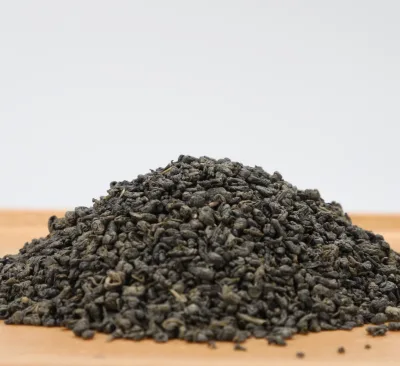
Comprehensive Sourcing Guide
Stir-fried Morocco Taste Gunpowder Tea Sourcing Guide
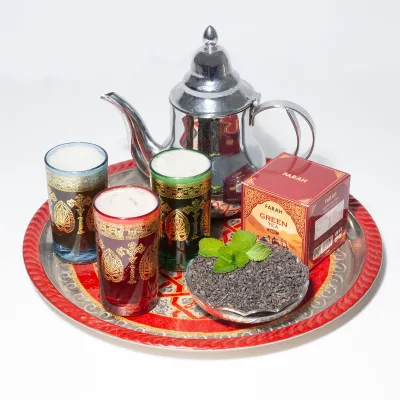
Procuring stir-fried gunpowder tea with a profile suited for the Moroccan market requires a precise understanding of processing methods and regional preferences. The core product is defined by its distinctive rolling technique, which creates tight, pellet-like leaves that release flavor slowly during the traditional three-time pour method. Buyers must recognize that "stir-fried" refers to the specific heat-treatment process that halts oxidation, preserving the green tea’s natural characteristics while imparting a robust, slightly smoky aroma. This processing style is critical for maintaining the tea’s structural integrity during the vigorous pouring and mixing rituals common in North African culture.
The sourcing landscape for this specialty tea is diverse, with suppliers offering various grades and packaging options to meet different commercial needs. Observed listings indicate a wide range of product models, from standard loose leaf to specialized tea bags and powders, suggesting that buyers should clarify their exact format requirements early in the negotiation. While many suppliers claim organic or natural origins, the actual certification status must be verified through documentation rather than marketing claims. Understanding the distinction between general green tea and specific gunpowder varieties is essential for ensuring the product meets the high standards expected by Moroccan consumers and distributors.
Product Scope and Observed Listing Signals
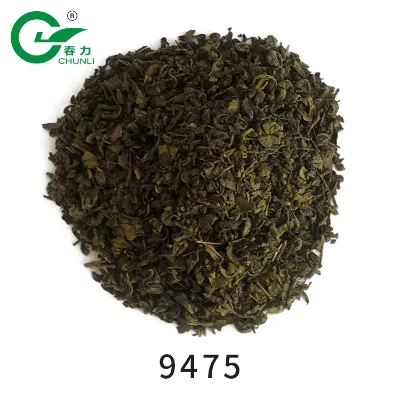
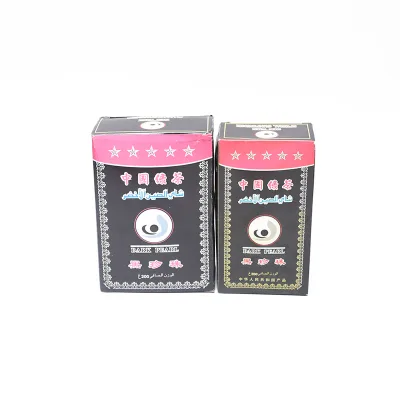
The observed market signals reveal a broad spectrum of product attributes, including packaging formats such as bags, boxes, and customized cartons. Listings frequently highlight specific models like 3505a, 3505B, and 9475, indicating that suppliers offer distinct variants tailored to different client specifications. Buyers should note that while some products are marketed as organic or health teas, others are positioned as natural green tea with specific grade classifications like Aaaaa. This variation necessitates a clear definition of the desired product type, whether it is loose leaf, tea bag, or powder, to avoid receiving a product that does not align with the intended market positioning.
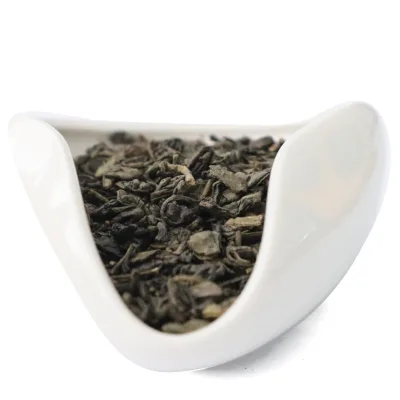
Visual and sensory attributes are also prominently featured in supplier descriptions, with mentions of colors ranging from deep gray to natural green and shapes described as round or slim. The soup color is often noted as yellowish or yellow-brown, which is typical for high-quality gunpowder tea, while the aroma is described as long-lasting and fragrant. These sensory details are crucial for buyers who need to ensure the tea meets the aesthetic and flavor expectations of their target audience. However, these descriptions should be treated as observations rather than guaranteed standards, and buyers should request samples to verify the actual appearance, taste, and aroma before committing to large orders.
Technical Specifications to Verify
Technical verification begins with confirming the tea type and processing method, ensuring the product is indeed stir-fried gunpowder tea and not a different variety. Buyers should verify the grade of the tea, as specifications may range from standard to high-grade Aaaaa, which directly impacts flavor intensity and price. The production time is a critical factor, with some suppliers indicating a lead time of four weeks or thirty days after order confirmation. This timeline must be factored into the supply chain planning to ensure timely delivery, especially for seasonal demands or specific market events in the target region.
Packaging specifications are another key area for verification, as suppliers offer various options including 25kg cartons, 30kg bags, and customized packaging. The loading capacity for shipping containers is also important, with observed data suggesting that a 20gp container can hold approximately 10,500kg, while a 40hq can hold up to 23,000kg. Buyers should confirm these loading quantities to optimize logistics costs and ensure efficient use of shipping space. Additionally, the shelf life of the tea, typically ranging from three to five years, should be confirmed to ensure the product remains viable for long-term storage and distribution in the Moroccan market.
Compliance and Safety Documentation
Compliance with international and local standards is essential for importing tea into Morocco, and buyers must ensure that suppliers provide the necessary documentation. A phytosanitary certificate is a critical requirement, confirming that the tea is free from pests and diseases, and this document must be obtained from the relevant agricultural authority in the country of origin. Buyers should also verify if the supplier holds any organic certifications, as this can be a significant selling point in the Moroccan market, but these claims must be backed by valid certificates from recognized accreditation bodies.
In addition to phytosanitary requirements, buyers should inquire about other potential certifications, such as ISO or HACCP, which indicate a supplier’s commitment to quality management and food safety. While not always mandatory, these certifications can provide additional assurance of the supplier’s reliability and the consistency of their production processes. Buyers should also ensure that the product meets any specific labeling requirements in Morocco, including language and ingredient declarations, to avoid customs delays or rejection. Clear communication with the supplier regarding these documentation needs is vital to ensure a smooth import process.
Cost Drivers and Commercial Terms
The cost of stir-fried gunpowder tea is influenced by several factors, including the grade of the tea, the processing method, and the packaging requirements. Higher grades, such as Aaaaa, typically command a premium price due to their superior flavor and appearance, while customized packaging may also add to the overall cost. Buyers should request detailed quotations that break down these costs to understand the true value of the product and to compare offers from different suppliers effectively. It is also important to consider the MOQ, which can range from 1 to 10,000 units, as this will impact the initial investment and inventory management.
Commercial terms such as payment methods, delivery times, and return policies should be clearly defined in the contract to protect the buyer’s interests. Buyers should negotiate for favorable payment terms, such as a deposit followed by payment upon shipment, to mitigate financial risk. Additionally, the delivery time, which may be around four weeks, should be confirmed and included in the contract to ensure timely delivery. Buyers should also clarify who is responsible for shipping and insurance costs, as this can significantly impact the final landed cost of the product in Morocco.
Supplier Qualification and Quality Control
Supplier qualification is a critical step in the sourcing process, and buyers should conduct thorough due diligence to assess the reliability and capability of potential suppliers. This includes verifying the supplier’s business license, production capacity, and quality control systems. Buyers should request references from other clients, particularly those in the Moroccan market, to gain insights into the supplier’s performance and reliability. It is also advisable to visit the supplier’s facility, if possible, to observe the production process and quality control measures firsthand.
Quality control measures should be clearly defined and agreed upon with the supplier, including sampling procedures, inspection criteria, and acceptance standards. Buyers should specify the required sensory attributes, such as color, aroma, and taste, as well as any physical characteristics, such as leaf size and shape. Regular quality checks during production and before shipment are essential to ensure that the product meets the agreed-upon standards. Buyers should also establish a process for handling non-conforming products, including return or replacement policies, to mitigate the risk of receiving substandard goods.
Long-Term Procurement Checks
Long-term procurement success depends on establishing a strong, collaborative relationship with the supplier and implementing continuous improvement processes. Buyers should schedule regular reviews with the supplier to discuss performance, address any issues, and explore opportunities for product development or cost reduction. This ongoing communication helps to build trust and ensures that both parties are aligned on quality and delivery expectations. Buyers should also monitor market trends and consumer preferences in Morocco to ensure that the product remains relevant and competitive.
Additionally, buyers should periodically re-evaluate their supplier base to ensure they are getting the best value and quality. This may involve sourcing from multiple suppliers to mitigate risk and ensure supply chain resilience. Buyers should also stay informed about changes in regulations and standards in both the country of origin and Morocco to ensure ongoing compliance. By maintaining a proactive approach to supplier management and market analysis, buyers can secure a reliable supply of high-quality stir-fried gunpowder tea for the Moroccan market.
FAQs
What packaging options are available for this tea?
Packaging is available in bags, boxes, and cartons with customized options. The standard specifications include 30kg bags or 25kg cartons. Buyers can request specific packaging styles like tea bags or loose tea formats to suit their distribution needs.
How long is the production lead time for orders?
Production time is 30 days after the order is confirmed. The general delivery time is listed as four weeks. This timeline applies to standard orders and ensures the tea is processed correctly before shipment to the buyer.
Which certifications are provided for this product?
The product comes with a Phytosanitary Certificate and other relevant documentation. These certifications ensure the tea meets safety and quality standards for international trade. Buyers should verify specific requirements based on their destination market regulations.
Can I customize the tea specifications for my brand?
Customization is available for this product line. Buyers can request specific models like 3505a or 9475 to match their needs. The tea grade is high, and the processing method is stir-fried to maintain the desired flavor profile.
What is the shelf life of the stored tea?
The shelf life is three to five years when stored correctly. Storage conditions require a cool and dry environment to preserve quality. Some listings indicate a valid time of five years for specific grades under proper storage conditions.
Which markets are the primary destinations for this tea?
The tea is targeted at the African market and the whole Muslim market, especially Morocco. It is also suitable for global distribution. The product is noted for its long-lasting fragrance and smooth, strong taste suitable for these regions.
What is the minimum order quantity for this product?
The minimum order quantity ranges from one to ten thousand units depending on the specific product model. Buyers should check the exact MOQ for their selected model like 3505 or 9501. This flexibility allows for various order sizes.