Source Welding Electrode Making Machine for Pipe, Wire, Mesh
Compare 30 welding electrode making machines from verified Chinese suppliers. Review specifications like voltage, capacity, and wire diameter to find the right equipment for pipe, wire, and mesh production needs; compare the available evidence and request quotations based on your requirements.
Updated
Key considerations
Products List


Quality Welding Electrode Production Line Welding Rods Making Machines
$5000.00 - $95800.00
MOQ: 1 Pieces

Advanced Welding Electrode Production Machine for Efficient Manufacturing
$5000.00 - $95800.00
MOQ: 1 Pieces

Premium Welding Electrode Maker for Streamlined Manufacturing Processes
$5000.00 - $95800.00
MOQ: 1 Pieces

Industrial Welding Electrode Production Line for Enhanced Efficiency
$5000.00 - $95800.00
MOQ: 1 Pieces

Automatic Welding Electrode Machine with Precision Engineering Features
$5000.00 - $95800.00
MOQ: 1 Pieces


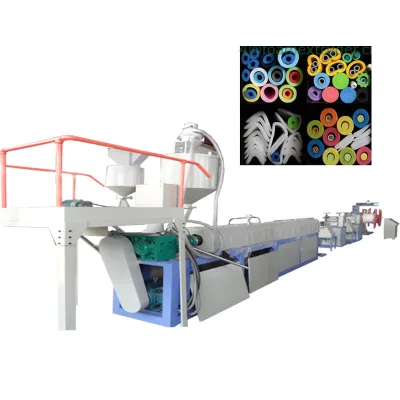
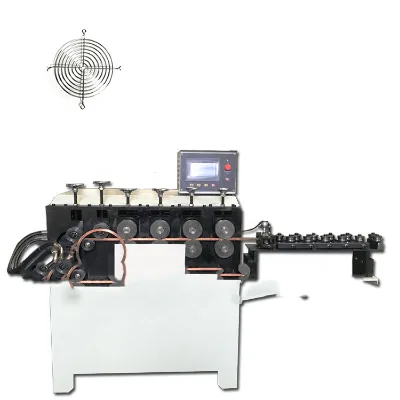

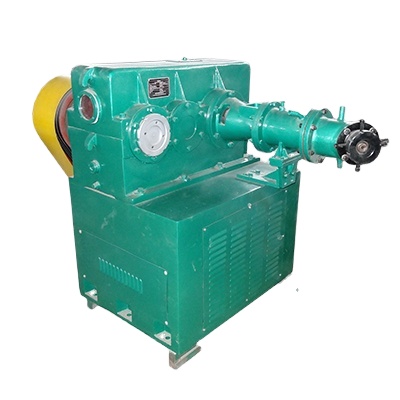
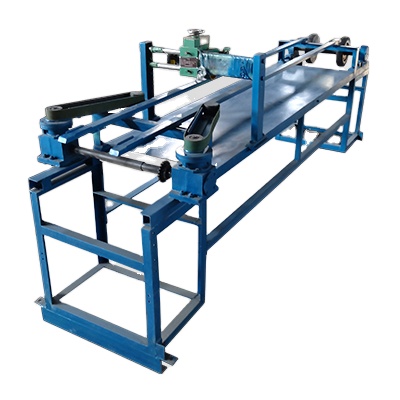
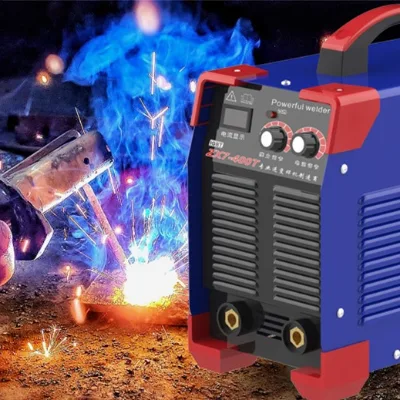
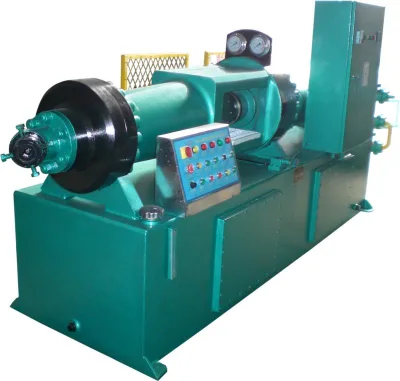
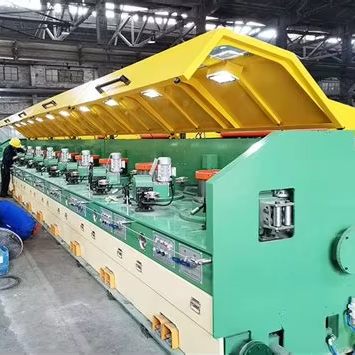
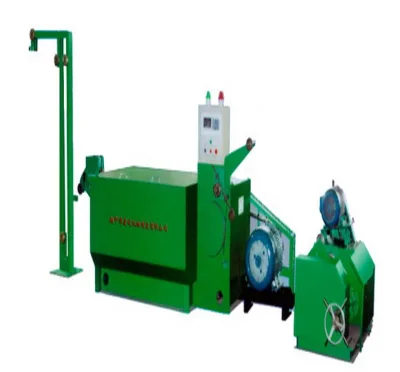

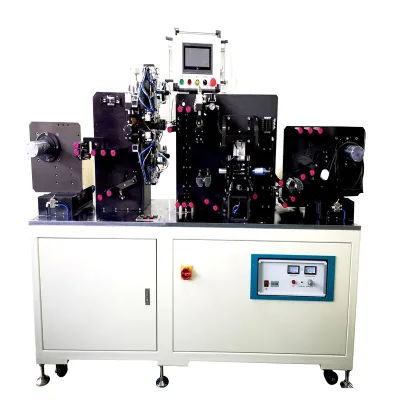
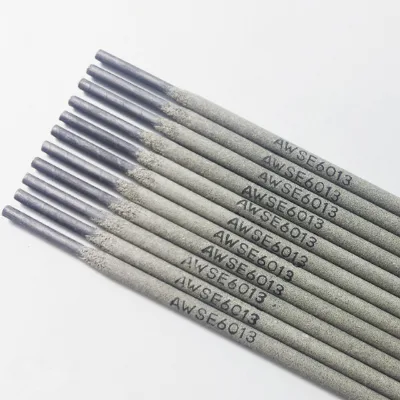
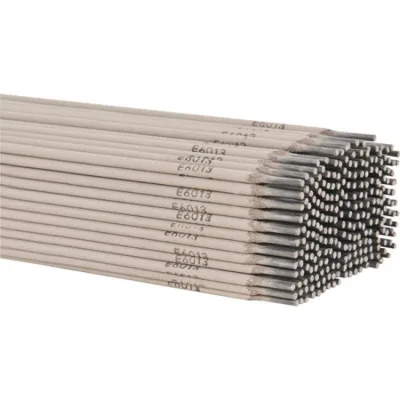

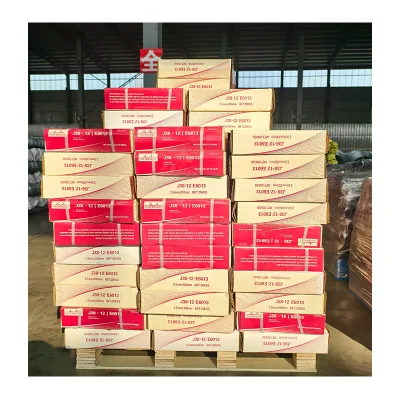
Stainless Welding Electrode Rods 2.5mm E6013 6011 /7018 Making Price Production Line
$0.748 - $0.8108
MOQ: 1 kilograms
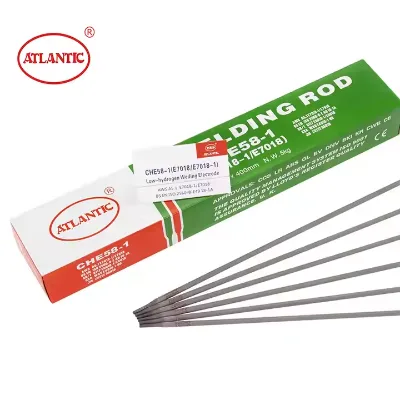
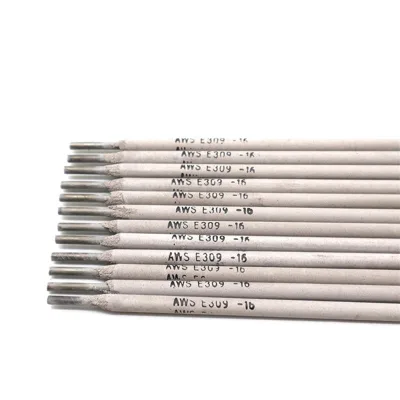
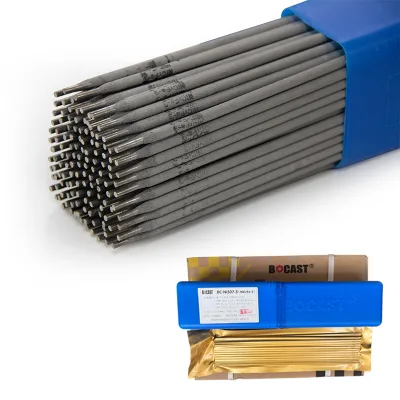

Comprehensive Sourcing Guide
Welding Electrode Making Machine Sourcing Guide
Procuring a Welding Electrode Making Machine requires a clear understanding of the specific manufacturing capabilities and operational constraints inherent to the equipment. Buyers must first determine whether the production line is designed for automatic grade operation, which significantly impacts labor costs and output consistency. The observed market signals indicate that these machines are predominantly manufactured in China, with specific clusters in Hebei Province and Shandong Province, suggesting a mature supply chain for wire mesh and electrode production technologies.
The product scope varies significantly, ranging from horizontal welded wire mesh machines to specialized electrode fabrication units. Key attributes such as voltage requirements, typically 380V or 415V, and automation levels are critical initial filters. Buyers should note that customization is widely available, allowing for adjustments in color, such as green and orange, or specific dimensional requirements. Understanding these baseline signals helps narrow the search to suppliers who can meet the specific technical and logistical needs of the facility.
Product Scope and Observed Listing Signals
The observed product listings reveal a diverse range of machinery configurations, including models like HT-1500 and TOPS, which cater to different production scales. The voltage specifications vary between 380V and 415V, with some units operating at 380V, 50Hz, necessitating careful verification of electrical infrastructure compatibility before purchase. The style of the machine is often horizontal, which may influence the required floor space and layout planning within the manufacturing facility.
Packaging methods observed include wooden cases, plastic bags, and seaworthy container packing, indicating that suppliers are equipped for international logistics. The origin of these machines is primarily China, with specific mentions of Anping in Hebei Province and Shandong Province as key manufacturing hubs. Buyers should verify the exact place of origin for each quote, as regional differences may affect lead times, shipping costs, and after-sales service accessibility.
Technical Specifications to Verify
Technical verification must focus on the wire diameter capabilities, which range from 0.8mm to 2.5mm in some standards, while other specifications mention 2-3mm or outlet diameters of 0.5-6.0mm. Buyers must confirm the exact wire diameter range supported by the specific model to ensure compatibility with their raw material inventory. The welding aperture is another critical parameter, with observed ranges of 30-300mm, which directly impacts the mesh size and structural integrity of the final product.
Production speed and capacity are vital for ROI calculations, with welding speeds observed at 50-70 times per minute and daily capacities reaching up to 8 tons or 8-12 tons per shift. The machinery capacity is sometimes listed as 70 tons, which may refer to total system output or a specific component limit. Buyers should also verify the block diameter, observed at 400mm, and the maximum number of blocks, which relates to the inlet wire diameter of 2.8mm, to ensure the machine can handle the desired production volume.
Compliance and Safety Documentation
Compliance verification is essential for international trade and local regulatory adherence. Certifications such as ISO and CE are observed in the market, indicating that some suppliers meet international quality and safety standards. Buyers must request valid certification documents for each machine, ensuring that the CE mark is current and applicable to the specific model and voltage configuration. This documentation is crucial for customs clearance and operational safety audits in the destination country.
Standards such as China GB Code and EN are also referenced, suggesting that machines may be built to meet both domestic and European requirements. The presence of SGS standards in some listings further underscores the importance of third-party verification. Buyers should explicitly ask which standards the machine complies with and request test reports or compliance certificates to mitigate the risk of purchasing non-compliant equipment that could face regulatory hurdles.
Cost Drivers and Commercial Terms
Cost drivers for welding electrode making machines include the automation level, material construction, and specific technical specifications like voltage and capacity. The observed price range is broad, from $0.68 to $350,000, reflecting the vast difference between simple components and fully automated production lines. Buyers must align their budget with the desired output capacity and automation features, as higher capacity machines, such as those producing 8 tons per day, command a premium price.
Commercial terms also involve packaging and shipping considerations, with options like wooden cases and seaworthy packing affecting logistics costs. The minimum order quantity (MOQ) is observed to be low, ranging from 1 to 2 units, which facilitates trial purchases for smaller operations. Buyers should negotiate clearly on the inclusion of after-sales services, such as video technical support, free spare parts, and field installation, which can significantly reduce long-term operational risks and downtime.
Supplier Qualification and Quality Control
Supplier qualification requires a thorough review of their manufacturing capabilities and quality control processes. Buyers should verify the supplier’s location, whether in Hebei or Shandong, and assess their ability to provide consistent quality across batches. The condition of the machines is typically listed as new, but buyers must ensure that the machinery is manufactured using high-quality materials, such as steel, and undergoes rigorous testing before shipment.
Quality control should also encompass the surface treatment processes, such as spray paint, which protects the machinery from corrosion and wear. Buyers should request detailed specifications on the metal material and surface treatment to ensure durability. Additionally, verifying the supplier’s ability to provide customization, such as specific colors or dimensions, indicates their flexibility and commitment to meeting unique buyer requirements, which is a strong indicator of a reliable partner.
Long-Term Procurement Checks
Long-term procurement success depends on the availability of comprehensive after-sales support. Buyers must confirm the warranty period, which is observed to be either 1 year or 2 years, and understand the scope of coverage. The provision of services such as video technical support, free spare parts, and field installation and training is critical for maintaining operational continuity. Buyers should prioritize suppliers who offer robust support structures to minimize downtime and ensure efficient troubleshooting.
Regular maintenance and repair services are also essential for the longevity of the equipment. Buyers should verify the availability of field maintenance and repair services, as well as online support, to address any issues that arise post-installation. Additionally, checking the required space, observed as a minimum of 40x10m, ensures that the facility can accommodate the machine without logistical constraints. Establishing a clear maintenance schedule and support protocol from the outset is vital for sustained production efficiency.
FAQs
What is the typical voltage for a Welding Electrode Making Machine?
The typical voltage is 380V or 415V, depending on the specific model configuration. Some units operate at 380V with a 50Hz frequency, while others are designed for 415V systems. Buyers should verify the electrical requirements against their facility's power supply to ensure compatibility and safe operation during the manufacturing process.
Can the machine be customized for specific wire diameters?
Yes, customization is available for various wire diameter specifications. Standard models often support wire diameters ranging from 0.8mm to 2.5mm or 2mm to 3mm. The outlet diameter can typically range from 0.5mm to 6.0mm. Buyers can request specific adjustments to meet their production needs for different electrode types.
What certifications are commonly provided for these machines?
Common certifications include ISO and CE standards, ensuring compliance with international quality and safety regulations. Some products may also reference SGS standards or China GB Code and EN standards. These certifications verify that the machinery meets required industrial benchmarks for performance, safety, and manufacturing quality in global markets.
How is the machine packed for international shipping?
The machine is typically packed in a wooden case, plastic bag, or container for protection. Seaworthy packaging is also available to ensure safe transit. These methods protect the horizontal welded wire mesh machine from damage during long-distance shipping, ensuring the equipment arrives in new condition ready for installation and commissioning.
What is the daily capacity of a standard Welding Electrode Making Machine?
The machinery capacity is generally around 8 tons per day or 8-12 tons per shift. Some high-capacity models may reach up to 70 tons or 10,000kg depending on the specific configuration. This output allows for efficient large-scale production of welding electrodes, meeting substantial industrial demand with consistent performance.
What after-sales services are provided for the equipment?
Services include video technical support, free spare parts, and field installation, commissioning, and training. Field maintenance and repair services along with online support are also available. These comprehensive support options ensure that buyers can maintain optimal machine performance and quickly resolve any operational issues during the warranty period.