Fabric Fiberglass Cutting Table Suppliers and Manufacturers
Source 25 verified suppliers for Fabric Fiberglass Cutting Table solutions. Compare key dimensions including ISO 9001 certification, response times, lead times, and pricing. Review product specifications and contact suppliers directly to initiate your procurement process; review the available evidence before requesting comparable quotations from suitable candidates.
Suppliers List

Shandong Ruby CNC Equipment Co., Ltd.
- Trading Company,Manufacturer/Factory
- China Shandong
- Lead time23 days
- Avg. response≤ 3h
Main productsCO2 Laser Engraving Cutting Machine, CNC Osicillation Knife Cutting Machine, Fiber Laser Cutting Machine, Laser Marking Machine, Plasma Cutting Machine, Lasr Welding Machine, Laser Cleaning Machine, Acrylic Bending Machine, CNC Router Machine
Main marketsSouth America,Eastern Europe,North America,Southeast Asia,Oceania,Western Europe

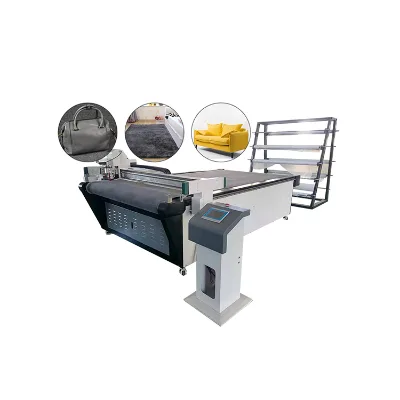
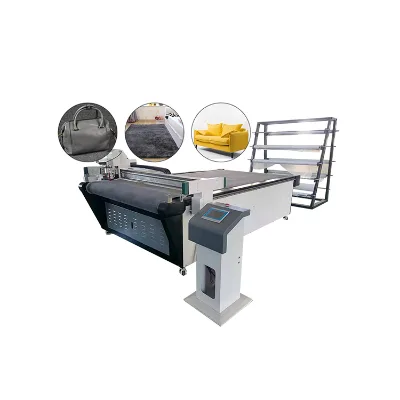
Automatic CNC Knife Cutter Table for Cutting Fabric Fiberglass Glass Fibre Carton Fiber Prepreg
$9600.00 - $16000.00
MOQ: 1 Pieces

$8600.00 - $16000.00
MOQ: 1 Pieces

$12000.00 - $16000.00
MOQ: 1 Pieces

$12000.00 - $16000.00
MOQ: 1 Pieces

$12000.00 - $16000.00
MOQ: 1 Pieces


Gaomi Rongda Machinery Co., Ltd.
- Trading Company,Manufacturer/Factory
- China Shandong
- Lead time120 days
- Avg. response≤ 9h
Main productsTextile Recycling Machine Nonwoven Machine, Textile Recycling Machine, Nonwoven Felt Production Line, Needle Punching Machine, Fiber Cutting Machine, Baling Machine, Carding Machine, Quilting Machine, Card Clothing
Main marketsSouth America,Eastern Europe,Mid East,Southeast Asia,Eastern Asia,Oceania,Western Europe,Africa


Waste Textile Fabric Cloth Cutting Machine Plastic Fabric Cutting Machine
$2500.00 - $3000.00
MOQ: 1 Sets


JINAN GLASINO GLASS TECHNOLOGY CO., LTD.
- Verified by BV
- Trading Company,Manufacturer/Factory
- China Shandong
- Lead time0 days
- Avg. response≤ 3h
Main productsGlass Tempering Machine, Insulating Glass Machine, Glass Cutting Machine, Glass Adging Machine
Main marketsSouth America,Eastern Europe,Mid East,North America,Southeast Asia,Eastern Asia,Oceania,Western Europe,Africa

Multi-Function Glass Cutting Machine Automatic Glass Cutting Table
$18000.00 - $25000.00
MOQ: 1 Pieces


$16000.00 - $28000.00
MOQ: 1 Pieces
Jinan Aol CNC Equipment Co., Ltd.
- Verified by TüVRheinland
- Manufacturer, Trading Company
- Lead time5 days
- Avg. response≤ 2h
Main productsCNC Knife Cutting Machine, Digital Cutting Machine
Main marketsDomestic Market(25%), North America(15%), South America(15%)
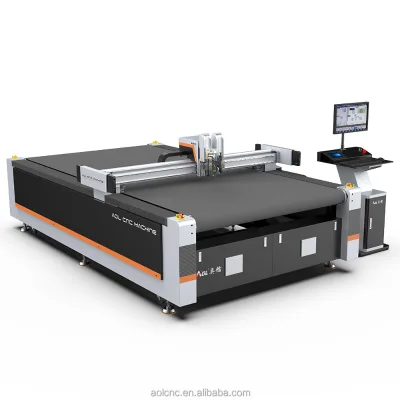
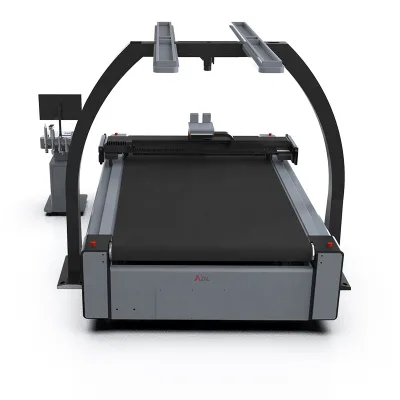
$14266.00 - $14566.00
MOQ: 1 sets
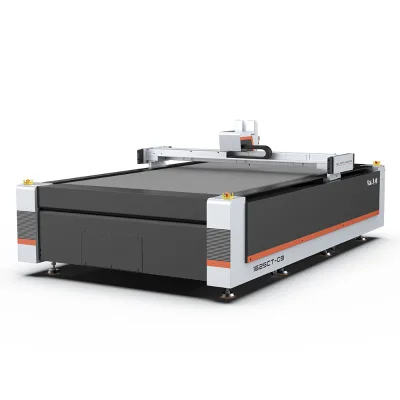
Curtain Fabric Cutting Machine
$13500.00 - $15500.00

Changzhou Shanqiu Machinery Equipment Co., Ltd.
- Combined
- China Jiangsu
- Lead time30 days
- Avg. response≤ 3h
Main productsFilter Bag Sewing Machine, Liquid Filter Bag Welding Machine, Filter Cartridge Welding Machine, Pleated Filter Cartridge Welding Machine, High Flow Filter Welding Machine
Main marketsSouth America,Africa,Southeast Asia/ Mideast,East Asia(Japan/ South Korea),Europe,Australia,North America
Changzhou CONOVO CNC Tech. Co., Ltd.
- Verified by BV
- Combined
- China Jiangsu
- Lead time30 days
- Avg. response≤ 21h
Main productsFiber laser cutting equipment, Water-guided laser cutting equipment
Main marketsDomestic

- Manufacturer/Factory
- China Shandong
- Lead time23 days
- Avg. response≤ 9h
Main productsInsulating Glass Machine, Window Door Machine, CNC Machine, Building Material, Aluminum Spacer, Sealant, UPVC Window Making Machine, Cutting Machine, PVC Window Machine, Aluminum Windoor Door Machine
Main marketsSouth America,Eastern Europe,Mid East,North America,Southeast Asia,Eastern Asia,Oceania,Western Europe,Africa
Shandong Bangzheng Machinery Equipment Co., Ltd.
- Verified by SGS
- Combined
- China Shandong
- Lead time15 days
- Avg. response≤ 2h
Main productsVibrating Knife Cutting Machine, Multi-Layer Fabric Cutting Machine, Leather Cutting Machine
Main marketsOthers(foreignTradeCapacity.exportBusinessCapacityMarketOther),Europe

Promotional Textile Fabric Multilayer Cutting Machine Automatic Feeding System Fabric Cutting Table
$21216.00 - $23574.00
MOQ: 1 Pieces

$21216.00 - $23574.00
MOQ: 1 Pieces

$6500.00 - $8500.00
MOQ: 1 Pieces

$7445.00 - $8273.00
MOQ: 1 Pieces

High-Ply Fabric Print and Cut Cotton Round Knife Cloth Cutting Machine Sewing Room Cutting Table
$21216.00 - $23574.00
MOQ: 1 Pieces

$21216.00 - $23574.00
MOQ: 1 Pieces

Qingdao Toyo Industry Co., Ltd.
- Verified by BV
- Trading Company
- China Shandong
- Lead time15 days
- Avg. response≤ 1h
Main productsGlass Cutting Machine, Glass Storage Equipment, Glass Racks, Glass Grinding and Polishing Machine, Glass Vacuum Lifter, Glass Handing Equipment, Glass Laminating Machine, Insulating Glass Production Line, Glass Slings, Glass Machinery Consumables and Tools
Main marketsSouth America,Africa,Southeast Asia/ Mideast,East Asia(Japan/ South Korea),Europe,Australia,North America
Xuzhou Shuchen Technology Co., Ltd.
- Trading Company
- China Jiangsu
- Lead time0 days
- Avg. response≤ 1h
Main productsCNC Cutting Machine, Fabric Cutting Machine, Leather Cutting Machine, Flexible Material Cutting Machine, Vibrating Blade Cutter, Garment Cutting Machine, Powder Tank Semi Trailer, Bulk Cement Tanker, Truck Tractor, Heavy Duty Tractor Head


Multi-Functional Vibrating Knife Multi-Layer Fabric Cutting Table for Various Soft Materials
$9666.67 - $15166.67
MOQ: 1 Sets
Shandong Tenv Intelligent Technology Co., Ltd.
- Verified by TUVRHEINLAND
- Manufacturer/Factory
- China Shandong
- Lead time23 days
- Avg. response≤ 8h
Main productsGlass Cutting Machine, Glass Edging Machine, Insulating Glass Machine, Glass Laminating Machine, Glass Drilling Machine, Glass Sandblasting Machine, PVC Window Machine, Aluminum Window Machine
Main marketsWestern Europe
Jinan Top Cnc Machines Co., Ltd.
- Verified by Intertek
- Trading Company
- Lead time7 days
- Avg. response≤ 4h
Main productsPress Brake Machine, Digital Cutting Machine, Automatic Die Cutting Machine
Main marketsOceania(15%), South America(10%), Eastern Europe(10%)
Jinan Morinte Machinery Co., Ltd.
- Manufacturer/Factory
- China Shandong
- Lead time23 days
- Avg. response≤ 5h
Main productsTextile Waste Recycling Machine, Fiber Opening Machine, Fiber Cutting Machine, Baling Machine, Compact Parts, Blow Room, Carding Machine, Wool Processing Machine, Non Woven Machinery, Quilt Machinery
Main marketsSouth America,Eastern Europe,Mid East,Southeast Asia,Eastern Asia,Oceania,Africa

- Verified by BV
- Combined
- China Shandong
- Lead time30 days
- Avg. response≤ 5h
Main productsFabric Leather Cutting Machine, Garment Cutting Machine, Shoe Upper/Pad Cutter Machine, Carton Box Cutter Machine, Cutting Equipment, Advertising Cutting Machine, Packaging Cutter Machine, Gasket Cutting Machine, Bag Cutting Machine, Carpet Cutting Machine
Main marketsSouth America,Africa,Southeast Asia/ Mideast,East Asia(Japan/ South Korea),Europe,Australia,North America

Affordable Industrial Fabric Cutting Table Automatic Textile Fabric Laying Cutting Table
$9500.00 - $10500.00
MOQ: 1 Pieces

Standard Garment Fabric Cutting Table Shop Use Cutting Table for Apparel Fabrics for Sale
$9800.00 - $10500.00
MOQ: 1 Pieces

Industrial Fabric Cutting Table Automatic Textile Laying Table for Apparel Garment Fabric Cutting
$12500.00 - $13500.00
MOQ: 1 Pieces

Fabric Spreading Machine Fabric Cutting Table for Garment Woven Cheap Price
$11000.00 - $13500.00
MOQ: 1 Pieces

Dongguan Number One Digital Technology Co., Ltd.
- Verified by SGS
- Manufacturer
- China Guangdong
- Lead time30 days
- Avg. response≤ 4h
Main productsFabric Laser Cutting Machine, Roller Heat Press Machine, Roll to Roll Heat Press Machine, Heat Press Machine, Sublimation Ink, Sublimation Paper
Main marketsSouth America,Africa,Southeast Asia/ Mideast,East Asia(Japan/ South Korea),Domestic,Europe,North America

Laser Cutting Machine for Fabric Laser Cutting Textile Machine Laser Machine for Fabric Cutting
$8560.00 - $8572.00
MOQ: 1 Pieces

Laser Fabric Cutter Price Clothing Laser Cutter Fabric Laser Cutter Price
$8560.00 - $8572.00
MOQ: 1 Pieces
Tianjin Glory Tang New Material Co., Ltd.
- Verified by SGS
- Trading Company
- China Tianjin
- Lead time15 days
- Avg. response≤ 6h
Main productsYarn, Fiber, Nonwoven, Boppfilm, BOPET Film, Polyester Yarn, Plugging Agent, Defoamers, Fabric, Eco-Friendly Nonwoven Fabric
Main marketsSouth America,Others(foreignTradeCapacity.exportBusinessCapacityMarketOther),Southeast Asia/ Mideast,East Asia(Japan/ South Korea),Europe,North America


$14500.00 - $15000.00
MOQ: 1 Pieces

Yancheng Qincheng Machinery Technology Co., Ltd.
- Verified by TUVRHEINLAND
- Combined
- China Jiangsu
- Lead time30 days
- Avg. response≤ 11h
Main productsMachine, Medical Supplies, Hardwares, Striping Machine, Vulcanization Machine for Rubber Sole, Cutting Machine, Pressure Meters, Centrifugal Fan, Industrial Blower Fan, Pump
Main marketsDomestic
Jinan Gold Mark Cnc Machinery Co., Ltd.
- Verified by TUVRHEINLAND
- Combined
- China Shandong
- Lead time15 days
- Avg. response≤ 7h
Main productsFiber Laser Cutting Machine, Fiber Laser Cleaning Machine, Fiber Laser Welding Machine, Laser Engraving Machine, Jewelry Welding Machine, Laser Marking Machine
Main marketsSouth America,Southeast Asia/ Mideast,East Asia(Japan/ South Korea),Europe,Australia


High quality fiber laser cutting machine full cover change table for metal cutting
$15400.00 - $89100.00
MOQ: 1 Sets

Nanjing Genmax Machinery Co., Ltd.
- Verified by BV
- Trading Company,Manufacturer/Factory,Group Corporation
- China Jiangsu
- Lead time15 days
- Avg. response≤ 4h
Main productsMattress Machine, Quilting Machine, Mattress Spring Machine, Tape Edge Machine, Foam Machine, Foam Cutting Machine, Mattress Packing Machine, Mattress Sewing Machine, Strip Cutting Machine, Mattress Accessory
Main marketsSouth America,Eastern Europe,Mid East,North America,Southeast Asia,Eastern Asia,Oceania,Western Europe,Africa

Automatic Non-Woven Fabric Strip Cutting Machine
MOQ: 1 Pieces

Automatic CNC Fabric Strip Cutting Machine
MOQ: 1 Pieces

ShanDong Unistar Machinery Co., Ltd.
- Verified by TUVRHEINLAND
- Trading Company
- China Shandong
- Lead time15 days
- Avg. response≤ 3h
Main productsCNC Router, Laser Cutting Machine, CNC Plasma Cutting Machine, Fiber Cutting Machine, CO2 Laser Engraving Machine, CNC Stone Engraving Machine, CNC Metal Engraving Machine, Laser Marking Machine, Atc CNC Router, Edge Banding Machine
Main marketsAfrica,Southeast Asia/ Mideast,Europe,North America

Jinan Kang Jia CNC Equipment Co., Ltd.
- Verified by CTI
- Combined
- China Shandong
- Lead time30 days
- Avg. response≤ 4h
Main productsLeather Cutting Machine, Flexible Cutting Equipment for Soft Materials
Main marketsSouth America,Africa,Domestic

Fabric Cutting Table Electric Fabric Cutter CNC Cloth Cutting Machine Price
$10000.00 - $15000.00
MOQ: 1 set

Fabric Cutting Machine Price CNC Knife Cutting Table Multi Layer Fabric Cutting Machine
$12500.00 - $13000.00
MOQ: 1 set

High Quality Industrial Cutting Table Automatic Fabric Roll Cutting Machine Low Price
$9000.00 - $13500.00
MOQ: 1 set
Shandong HTCT CNC Equipment Co., Ltd.
- Verified by SGS
- Manufacturer/Factory
- China Shandong
- Lead time23 days
- Avg. response≤ 10h
Main productsFabric Cutting Machine, Leather Cutting Machine, Carpet Cutting Machine, PVC Cutting Machine, Gasket Cutting Machine, Curtain Cutting Machine, Automotive Interior Cutting Machine, Foam Cutting Machine, Sticker Cutting Machine
Main marketsSouth America,Eastern Europe,Mid East,North America,Southeast Asia,Eastern Asia,Oceania,Western Europe,Africa

Factory Direct Sales! Premium Advanced High Layer Fabric Cutting Machine Cutting Table
$29682.00 - $32980.00
MOQ: 1 Pieces

Automatic Cutting Table Industrial Multi-Layer High Quality Cloth Jeans Fabric Cutting Machine
$29682.00 - $32980.00
MOQ: 1 Pieces

Fully Automatic Cutting Table Industrial Multi Layer High-Ply Cloth Fabric Cutting Machine
$31349.00 - $33447.00
MOQ: 1 Pieces
Dongguan Diaobao Automation Equipment Co., Ltd.
- Verified by TUVRHEINLAND
- Combined
- China Guangdong
- Lead time15 days
- Avg. response≤ 3h
Main productsautomation equipment
Main marketsDomestic

CNC Multi-Layer Fabric Cutting Machine Fabric Cutting Table Vibrating Knife Cutting Machine
$8000.00 - $13000.00
MOQ: 1 Pieces

$25000.00 - $35000.00
MOQ: 1 Pieces
Zhengzhou Heze Machinery Co., Ltd.
- Trading Company
- Henan, China
- Lead time25 days
- Avg. response≤ 5h
Main productsFood Making Machine,Fabric cutting machine,Western Kitchen Equipments,Fruit and Vegetable Processing Machine,Cutting machine
Main marketsNorth America(20.00%), Eastern Europe(15.00%), Central America(10.00%), Western Europe(10.00%), Africa(10.00%), Southeast Asia(10.00%), South America(10.00%), Northern Europe(5.00%), Mid East(5.00%), South Asia(2.00%), Eastern Asia(2.00%), Domestic Market(1.00%)
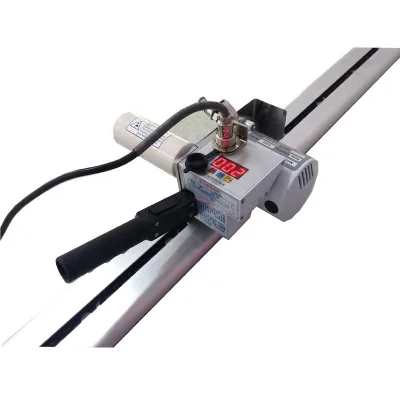
$203.69 - $224.06
MOQ: 1 sets
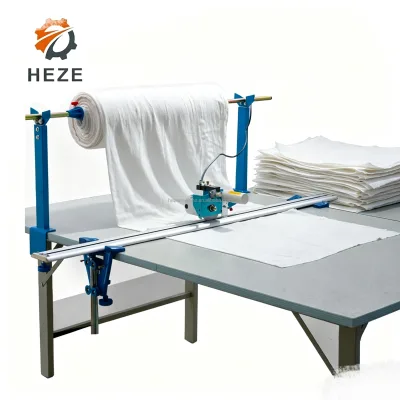
Cloth Cutting Table of Automatic Cloth End Cutter Machine 2.2 Meter
$199.00 - $225.00

Shandong Gold Lead Machinery Co., Ltd.
- Verified by BV
- Combined
- China Shandong
- Lead time30 days
- Avg. response≤ 25h
Main productsFRP Pultrusion Line, FRP Sheet Machine, FRP Rebar Line, Corbon Fiber Products, FRP Hydraulic Putrusion Machine, FRP Caterpillar Pultrusion Machine, FRP Doors&Windows Processing Machine, FRP Pultrusion Moulds, FRP Rebar, Fiberglass Sheet
Main marketsSouth America,Africa,Southeast Asia/ Mideast,East Asia(Japan/ South Korea),Domestic,Europe,Australia,North America




Comprehensive Sourcing Guide
Fabric Fiberglass Cutting Table Supplier Concentration and Factory Types
Suppliers listing fabric fiberglass cutting tables on B2B platforms are heavily concentrated in Shandong, China, and this cluster appears repeatedly in supplier location data for this category. Shandong hosts both trading companies and manufacturer/factory entities, so buyers should not assume a listed seller owns production. Some suppliers in this category describe themselves as hybrid trading company plus factory operations, which can mean design and assembly in-house with outsourced components. The main product lines among these suppliers include CNC oscillating knife cutting machines, laser cutting and marking equipment, fiber laser cutting machines, plasma cutting machines, laser welding and cleaning machines, and CNC routers, with the oscillating knife cutting table positioned as a specialist product for fiberglass, carbon fiber, aramid fiber, and prepreg materials.
A second supplier group in the results comes from textile recycling and nonwoven machinery manufacturers, also based in Shandong. Their cutting machines are fiber cutting machines for waste textile and fiberglass recycling rather than precision cutting tables, so their listings can surface under the same keyword despite serving a different use case. A third group supplies glass processing machinery, including glass cutting tables. Buyers should therefore triage listings quickly: check whether the product is an oscillating knife CNC cutting table for fabric and fiberglass sheets, a recycling fiber cutter, or a glass cutting machine, because only the first matches the typical intent behind this search term.
How to Verify Fabric Fiberglass Cutting Table Suppliers
Verification starts with company type. Listings in this category disclose whether the entity is a trading company, a manufacturer/factory, or both, and buyers should confirm which structure fits their needs: factories offer direct engineering access for customization, while trading companies may consolidate related equipment. System certification claims appear in the data, including ISO 9000 and ISO 9001 for machinery suppliers, and product-level attributes list ISO 9001 and CE for specific cutting table models. Treat these as claims to verify: request certificate copies, check certificate numbers against issuing bodies, and confirm the certificate scope actually covers CNC cutting machinery rather than a different product line.
Some suppliers carry third-party verification badges, such as BV verification observed in the results, which indicates an on-site assessment by an external body, but the scope and date of such assessments still need confirmation. Product attributes offer concrete verification anchors: published models such as DO1625S and DO1625F, a stated working area of 1600×2500mm, vacuum adsorption material fixing, high-precision helical rack transmission, and Panasonic drive motors with precision reducers. Ask the supplier to confirm these exact specifications in writing and to explain any deviations. Additional checks include requesting a video call showing the assembly floor, asking for references from composite or textile fabricators, and requesting a material cut test on your actual fiberglass or prepreg stock before committing. Response time records, which in this category range from roughly two to nine hours, offer a first signal of communication discipline before any contract is signed.
What to Compare Across Fabric Fiberglass Cutting Table Suppliers
Build a comparison sheet using attributes actually displayed in supplier listings, while remembering that not every supplier shows every attribute. Key dimensions include lead time, which varies dramatically in this category: some CNC cutting table suppliers list around 23 days, while textile machinery suppliers in the same results show lead times up to 120 days. Response time is another measurable difference, with recorded figures in this category spanning roughly 2 to 9 hours. Location matters for factory visits and shipping consolidation; Shandong-based suppliers can often be audited in a single trip. Company type, main product breadth, and R&D capacity labels such as OEM availability or own-brand lines help distinguish specialist manufacturers from diversified traders.
Product-level comparison should cover working area, transmission and drive components, material fixing method, warranty length, and customization availability. Published price ranges in this category span roughly from a few thousand dollars for semi-automatic fiber cutting machines to well above ten thousand dollars for CNC oscillating knife tables, so compare specifications against price rather than price alone. Check MOQ, which for CNC cutting tables in the data is one unit, making sample and pilot orders feasible. Warranty terms differ by listing; some cutting tables advertise a three-year warranty. Finally, weigh whether a supplier's core business is cutting tables or adjacent machinery, since specialists are more likely to support tooling, software, and spare-part continuity over the machine's life.
Common Fabric Fiberglass Cutting Table Sourcing Risks
The most common risk is keyword mismatch. As noted earlier, listings for textile recycling fiber cutters and glass cutting tables surface under this keyword even though they cannot cut fiberglass fabric layup or prepreg with the precision a composite workshop needs. A recycling machine advertising cutting sizes of 25–300mm and semi-automatic grade is a different class of equipment from an automatic CNC knife cutting table with vacuum adsorption and helical rack transmission. Buyers who order from listing titles alone risk receiving machinery intended for waste reduction, not pattern cutting. Always reconcile the listed category, product attributes, and application fields such as fabric, leather, plastic, and paper before shortlisting.
Second, certification and specification drift are real hazards. A listing may claim ISO 9001 and CE, but the certificate may be held by a parent company, be expired, or cover a different product. Similarly, advertised drive components such as Japanese-brand servo motors should be confirmed in the delivered machine, ideally through photos of nameplates or third-party inspection. Third, lead-time risk: the gap between roughly 23 days and 120 days among suppliers in this category suggests very different production models, and long lead times may indicate made-to-order builds with limited buffer stock. Finally, customization promises marked as "available" in listings need definition; agree on exactly which parameters—table size, knife tooling, software, conveyor options—are customizable, and document them in the contract with acceptance criteria before paying a deposit.
Fabric Fiberglass Cutting Table Regional Sourcing and Logistics
Because supplier location data for this category points to Shandong, buyers can plan sourcing logistics around that region with reasonable confidence. Shandong is one of China's major machinery-producing provinces, and the concentration of cutting equipment makers there supports multi-supplier visits within a compact geography. When arranging a visit, request factory addresses in advance, since trading companies may list offices in one city while manufacturing happens elsewhere in the province. Buyers without a Shandong option should still identify clusters methodically: filter search results by province, note which locations appear repeatedly among genuine manufacturers, and prioritize regions where several suppliers of oscillating knife or CNC cutting tables operate, since that density usually implies local component supply and service technicians.
On logistics, packing and shipping details appear in the product data: CNC cutting tables list wood crate packing, while some fiber cutting machines specify iron packing. Wood crates should be heat-treated and stamped for international shipping compliance, so confirm export-standard packaging in writing. A machine with a 1600×2500mm working area and vertical layout will ship as oversized cargo; budget for flat handling, container loading assistance, and possibly a freight forwarder experienced with industrial machinery. Lead times of roughly 23 days for some suppliers versus 120 days for others directly affect your shipping plan, and port choice, inland trucking, and customs clearance for machinery with CE-related documentation should be confirmed before the deposit is paid.
Fabric Fiberglass Cutting Table Commercial Terms and Order Planning
Order planning should begin with a pilot unit where possible. MOQ data for CNC cutting tables in this category shows a minimum of one machine, so a single-unit order is a legitimate first step rather than an exception. Structure payments in stages tied to verifiable milestones: deposit after contract, second payment after pre-shipment inspection with the machine running your fiberglass or prepreg material, and balance after loading. Published price ranges in the results span roughly from 8,600 to 16,000 US dollars for CNC knife cutting tables depending on configuration, which gives buyers a sanity-check band; quotes far below comparable specifications deserve scrutiny of drive components, table structure, and control software. Remember that published figures can change, so confirm current pricing and validity periods in writing.
Lead-time and communication metrics should shape order scheduling. A supplier quoting around 23 days needs a tighter inspection calendar than one quoting 120 days, and the faster quote should be verified for realism given customization. Response-time records in this category range from roughly 2 to 9 hours; choose a supplier whose responsiveness holds during negotiation, since after-sales support for tooling, blades, and software depends on it. Confirm warranty terms—some tables list three years—in the contract with defined response obligations, clarify escrow or trade-assurance payment options if offered by the platform rather than assuming them, and plan spare-part kits, knife blades, and software licenses into the first order so the machine is serviceable from day one.
Total word count check: approximately 1,390 words.
FAQs
What is the price range for a fiberglass cutting table?
Prices for automatic CNC knife cutting tables typically range from $8,600 to $16,000. This variance depends on specific configurations, working area dimensions, and included automation features. Buyers should verify exact quotes based on their required material handling capacity and control system preferences.
What is the minimum order quantity for these machines?
The minimum order quantity is generally one unit. This allows buyers to test the equipment's performance with materials like carbon fiber, prepreg, or fiberglass without committing to large bulk purchases. It supports flexible procurement strategies for small to medium-sized manufacturing operations.
How long does delivery usually take?
Standard lead times are approximately 23 days for cutting machines. However, specific production schedules may vary based on order volume and customization requirements. Buyers should confirm exact delivery dates with suppliers to ensure alignment with their production timelines and project deadlines.
What certifications do these machines have?
Machines typically hold ISO 9001 and CE certifications. These indicate compliance with international quality management standards and European safety regulations. Buyers should request valid certificates to verify that the equipment meets specific regional safety and operational requirements for industrial textile machinery.
What is the supplier response time?
Average response times are around 2.41 hours. This ensures prompt communication regarding technical specifications, pricing, and shipping details. Quick responses help streamline the sourcing process and allow buyers to resolve queries efficiently before making final procurement decisions.
Where are these cutting tables manufactured?
These machines are manufactured in China, specifically in Shandong Province. This region is known for its industrial machinery production capabilities. Buyers should verify specific factory locations and logistics options to optimize shipping costs and ensure reliable supply chain management.
What warranty is provided for the equipment?
A three-year warranty is commonly offered for automatic cutting tables. This coverage typically includes support for mechanical and electrical components. Buyers should review warranty terms carefully to understand what parts and services are included during the coverage period.