Source Wheel Speed Sensing ABS Sensor for Trucks, Cars, and Buses
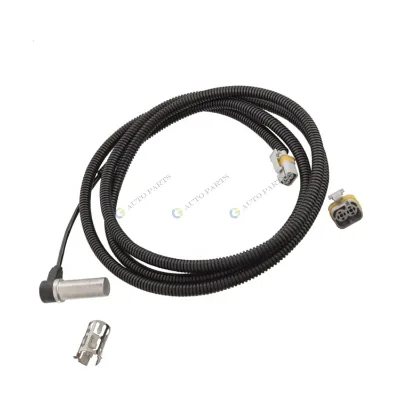
Find 30 Wheel Speed Sensing ABS Sensor options from verified Chinese suppliers. Compare specifications, prices, and customization features for rear brake systems and chassis applications across global markets.
Key considerations
Products List




Comprehensive Sourcing Guide
Wheel Speed Sensing ABS Sensor Sourcing Guide
Procuring wheel speed sensing ABS sensors requires a disciplined approach to technical verification and supplier qualification, as these components are critical to vehicle safety systems. The market offers a diverse range of options, from steel-based mechanical units to electronic digital sensors, each serving specific chassis configurations. Buyers must navigate a landscape where material composition, OE compatibility, and electronic integration vary significantly across listings. This guide provides a structured framework for evaluating these products, ensuring that procurement decisions align with both technical requirements and commercial realities.
The following sections detail the essential steps for sourcing these components, from understanding product scope to establishing long-term quality controls. By focusing on observable listing signals and verifiable technical specifications, buyers can mitigate risks associated with counterfeit or substandard parts. The guidance herein is designed to support informed decision-making, emphasizing the importance of cross-referencing supplier claims with independent verification and trusted industry standards.
Product Scope and Observed Listing Signals
The current market for wheel speed sensors exhibits a wide variance in material composition and physical design, reflecting the diverse needs of different vehicle platforms. Listings frequently indicate materials such as steel, rubber, and metal, suggesting that the product category encompasses not only the electronic sensor unit itself but also associated mounting hardware, protective boots, and structural brackets. For instance, some entries highlight steel construction, which may refer to the housing or mounting flange, while others specify rubber, likely indicating the protective seal or gasket material. This diversity necessitates a careful review of the product description to distinguish between the core electronic component and its auxiliary parts, ensuring that the procurement order includes all necessary elements for installation.
Observations from available listings reveal significant variation in packaging and shipping methods, which can impact both cost and product integrity. Common packaging formats include plastic bags, cartons, wooden cases, and customized options, with some suppliers offering palletized cartons for bulk shipments. The mention of "Ocean Freight" as a packing attribute in some contexts suggests that larger or heavier assemblies may be shipped via sea freight, while smaller electronic units might be dispatched via express or air courier. Buyers should pay close attention to these logistical details, as improper packaging can lead to damage during transit, particularly for sensitive electronic components like digital wheel speed sensors.
Technical Specifications to Verify
Verifying the technical specifications of wheel speed sensors is paramount to ensuring compatibility with the target vehicle’s ABS system. Key attributes to confirm include the OE number, part model, and sensor type, as these identifiers directly correlate with the sensor’s electrical characteristics and physical fitment. For example, specific OE numbers such as 0609AAB00471N and K68351461AA serve as critical reference points for matching sensors to particular truck or chassis models. Buyers must cross-reference these numbers with their vehicle’s service manual or parts catalog to avoid mismatches that could result in system failure or incorrect ABS operation.
In addition to part numbers, the sensor’s output type and testing protocols are essential technical considerations. Listings may describe the product as a "Digital Sensor" or "Circular Wheel Speed Sensor," indicating the method by which the sensor detects wheel rotation and transmits data to the ABS control module. It is crucial to verify that the supplier performs 100% testing on their products, as this practice significantly reduces the risk of receiving defective units. Buyers should also inquire about the sensor’s electrical system classification, such as whether it is part of the starting system, brake control, or transmission system, to ensure it integrates correctly with the vehicle’s overall architecture.
Compliance and Safety Documentation
Compliance with international quality and environmental standards is a non-negotiable aspect of sourcing wheel speed sensors, given their role in vehicle safety. Certifications such as ISO/TS and ISO14001 indicate that the supplier adheres to rigorous quality management and environmental protection practices, respectively. These certifications provide a baseline assurance of the supplier’s operational maturity and commitment to consistent product quality. Buyers should request copies of these certificates and verify their validity through the issuing bodies, ensuring that the certifications are current and applicable to the specific product line being procured.
Beyond certifications, buyers must ensure that the sensors meet the relevant regional and industry standards for automotive electronic components. While specific standards may vary by market, the general expectation is that these components will undergo rigorous testing for durability, electromagnetic compatibility, and performance under extreme conditions. Suppliers should be able to provide test reports or quality control documentation that demonstrates compliance with these standards. Additionally, buyers should confirm that the products are suitable for the intended market, whether it be South America, North America, Europe, or other regions, as regulatory requirements can differ significantly across these areas.
Cost Drivers and Commercial Terms
The cost of wheel speed sensors is influenced by several factors, including material composition, electronic complexity, and order volume. Observed price ranges in the market can vary widely, from low-cost units to premium electronic sensors, reflecting differences in quality and performance. Buyers should be cautious of prices that seem unusually low, as they may indicate compromised quality or counterfeit products. It is advisable to request detailed quotations that break down the cost of the sensor, packaging, and shipping, allowing for a more accurate comparison between suppliers.
Commercial terms such as MOQ, payment methods, and delivery times also play a significant role in the procurement process. MOQs can range from small quantities for testing to large volumes for production, with some suppliers offering free samples to facilitate initial evaluation. Payment terms typically include options such as PayPal, T/T, and credit card, each with its own implications for security and convenience. Delivery times can vary from 7 to 30 days, depending on the supplier’s production capacity and logistics arrangements. Buyers should negotiate terms that align with their production schedule and cash flow requirements, ensuring a smooth and efficient procurement process.
Supplier Qualification and Quality Control
Qualifying suppliers for wheel speed sensors requires a thorough assessment of their manufacturing capabilities, quality control processes, and after-sales support. Buyers should verify the supplier’s production location, with many manufacturers based in regions like Cangzhou and Zhejiang in China, known for their automotive parts industries. It is essential to confirm that the supplier has the necessary infrastructure to produce high-quality sensors, including advanced testing equipment and skilled labor. Buyers may also consider conducting factory audits or requesting third-party inspections to verify the supplier’s claims.
Quality control measures should be a key focus during supplier qualification. Buyers should inquire about the supplier’s testing protocols, including whether they perform 100% testing on all units before shipment. Additionally, buyers should establish clear quality expectations and communication channels for addressing any defects or issues that arise post-delivery. Suppliers that offer online support and a warranty period, such as six months, demonstrate a commitment to customer satisfaction and product reliability. These factors are critical in building a long-term partnership with a supplier that can consistently deliver high-quality wheel speed sensors.
Long-Term Procurement Checks
Establishing long-term procurement checks is essential for maintaining the quality and reliability of wheel speed sensors over time. Buyers should implement a regular review process to assess supplier performance, including metrics such as on-time delivery, product defect rates, and responsiveness to issues. This ongoing evaluation helps identify potential problems early and allows for corrective actions to be taken before they impact production. Buyers should also stay informed about changes in technology and industry standards, ensuring that their procurement strategy remains aligned with the latest developments in ABS sensor technology.
Furthermore, buyers should maintain open communication with their suppliers to foster a collaborative relationship that supports continuous improvement. This includes sharing feedback on product performance and discussing potential upgrades or modifications to meet evolving vehicle requirements. By proactively managing the supplier relationship and implementing robust quality control measures, buyers can ensure a steady supply of high-quality wheel speed sensors that meet their operational needs and contribute to the safety and performance of their vehicles.
FAQs
What materials are used for wheel speed sensing abs sensors?
These sensors are constructed from steel, rubber, and metal components to ensure durability. The specific material composition varies by model, with some units featuring steel housings while others utilize rubber elements for flexibility and protection against environmental wear.
Can I request customization for these wheel speed sensing abs sensors?
Yes, customization is available to meet specific buyer requirements. Manufacturers can adjust product standards and specifications according to customer needs, allowing for tailored solutions that fit unique vehicle chassis or braking system configurations effectively.
Which certifications do these wheel speed sensing abs sensors hold?
The products hold ISO/TS and ISO14001 certifications to ensure quality and environmental compliance. These standards verify that the manufacturing processes meet international requirements for safety and management systems before the items are shipped to global destinations.
How long is the delivery time for wheel speed sensing abs sensors?
The standard delivery time ranges from 15 to 30 days after order confirmation. Some express shipping options may reduce this period to 7 days, depending on the selected logistics method and the specific origin location of the supplier.
What is the minimum order quantity for wheel speed sensing abs sensors?
The minimum order quantity typically starts at 50 pieces for standard orders. However, some suppliers may accept lower quantities down to 1 piece for sample requests, while larger bulk orders can go up to 500 pieces depending on the agreement.
Where are these wheel speed sensing abs sensors manufactured?
These sensors are manufactured in China, with specific production facilities located in Cangzhou and Zhejiang. The origin location ensures access to established supply chains and manufacturing capabilities required for producing high-volume automotive electronic components.
What testing procedures are applied to wheel speed sensing abs sensors?
Every unit undergoes a 100% test before shipment to guarantee functionality. This rigorous quality control process ensures that the digital sensor output and ABS performance meet the required specifications for reliable operation in various vehicle applications.