Source White Cleaning Blind Bowl for Daily Use, Art, and Construction
Explore 30 listings for the White Cleaning Blind Bowl, comparing features like eco-friendly design, handmade or machine-made methods, and certifications including FDA and LFGB. Buyers can evaluate options for daily use, art projects, and construction applications with varying MOQs and lead times.
Key considerations
Products List


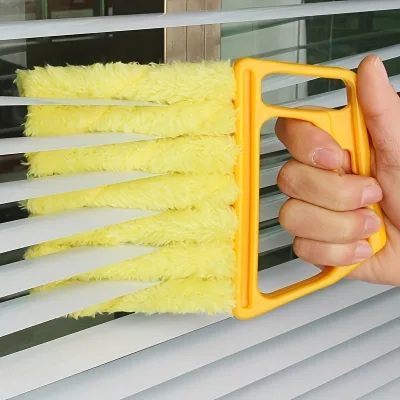


$0.17 - $0.18
MOQ: 5000 Pieces


Box or Polybag Mini Blind OEM 5-10PCS Refills+1handle Cleaning Dust Duster
$0.04 - $0.50
MOQ: 10000 Pieces


Box or Polybag Mini Blind OEM 5-10PCS Refills+1handle Magic Dust Duster
$0.04 - $0.50
MOQ: 10000 Pieces

Comprehensive Sourcing Guide
Strategic Sourcing Guide for White Cleaning Blind Bowl Solutions
Understanding Product Specifications and Technical Attributes
When sourcing a "White Cleaning Blind Bowl," buyers must first distinguish between the specific product configurations available in the current market. The term "blind bowl" in this context often refers to specialized toilet brush holders or cleaning sets designed for hygiene and aesthetic integration within bathroom environments. Based on available product data, the core attributes of these items vary significantly regarding material composition, manufacturing methods, and physical dimensions.
A critical technical distinction lies in the material used for the brush handle and head. Some specifications indicate a plastic handle paired with bristle heads, while others utilize ABS material for the primary structure. The color profile is a defining characteristic for this specific search term; while "Multicolor" options exist in the broader category, the specific requirement for "White" necessitates a focused filter. One observed product configuration lists the color explicitly as White, adhering to the "Simplicity" style, whereas other variants offer "Bicolor" or "Multicolor" finishes. The manufacturing method is another pivotal specification. Buyers must verify whether the item is "Handmade" or "Machine Made," as this impacts consistency and finish quality. For instance, specific models like the FF-EWB-13 are noted as handmade, while others such as the FT-WB-01 are machine-made, suggesting different production capabilities and potential variations in surface texture.
Dimensions and standards also play a vital role in procurement. The product standards observed in the market range from specific paper grades like 14#-26# and 18-28# to physical dimensions such as 24cm, 28cm, and 32cm. For the specific model K4291, the standard dimension is listed as 12.3*37. These numerical values are not universal; they represent specific product lines. A buyer seeking a "White Cleaning Blind Bowl" must cross-reference these dimensions against their storage constraints and installation requirements. The packing standards further influence logistics, with options ranging from "Inner Box + Carton" to "Color Box Package" or "Paper+Inner Box+Carton." Understanding these technical variances ensures that the selected product fits the intended application, whether for daily household use, art installations, or construction projects.
Compliance, Certification, and Regulatory Standards
Navigating the compliance landscape is essential for sourcing cleaning products that meet international safety and environmental standards. The market data indicates a mix of certifications that buyers should verify against their target market regulations. Prominent certifications observed include FDA and LFGB, which are critical for products that may come into contact with food or require high hygiene standards, though their relevance to toilet cleaning tools depends on specific local interpretations of safety. Additionally, BSCI certification is noted, which addresses social compliance and ethical manufacturing practices, a growing requirement for B2B procurement in Western markets.
Buyers must exercise caution when interpreting these certifications. The presence of a certification in a product listing does not guarantee that every unit in a large order will maintain that status, nor does it imply that all suppliers in the category possess these credentials. The "White Cleaning Blind Bowl" category includes products with varying compliance levels. For example, some listings explicitly mention "FDA" certification, while others highlight "LFGB BSCI." It is imperative for the buyer to request valid, up-to-date certification documents from the supplier before finalizing an order. The absence of a specific certification in the general product description should not be assumed to be a deficiency, but rather a signal to verify the specific batch's compliance.
Furthermore, the "Feature: Eco-Friendly" attribute suggests a market trend toward sustainable materials. While this is an observation of available products, it should be treated as a verification point rather than a guaranteed attribute of every white cleaning bowl. Buyers should inquire about the recyclability of the plastic or ABS materials used and whether the "Eco-Friendly" claim is backed by specific material composition data. The "Customization: Available" and "OEM/ODM: Accept Product;Logo;Packaging" attributes indicate that compliance can be tailored, but this requires clear communication of regulatory requirements to the supplier to ensure the customized product meets the necessary standards.
Cost Drivers and Pricing Dynamics
The pricing structure for white cleaning blind bowls is influenced by a complex interplay of factors, including customization, volume, and material costs. The observed price range in the market spans from $0.04 to $14.50 USD. This wide variance indicates that the base cost of a standard, non-customized unit is low, likely driven by mass production of plastic or ABS components. However, the upper end of the price spectrum is likely associated with premium packaging, specialized certifications, or complex customization features.
The Minimum Order Quantity (MOQ) is a significant driver of unit cost. The observed MOQ range is extensive, spanning from 20 to 50,000 units. A buyer ordering at the lower end of this spectrum, such as 20 units, may face a higher per-unit cost compared to a buyer committing to 3,000 units, where the specific product K4291 lists an MOQ of 3,000 PCS. The relationship between volume and price is standard in B2B procurement; higher volumes typically unlock lower unit prices due to economies of scale in manufacturing and logistics.
Customization is another major cost driver. While "Customization: Available" is a standard offering, the "Sample Time: 7-14 Days for Customized Sample" implies an additional layer of cost and time investment. Customizing the logo, packaging, or specific product features (such as the "Style: Modern" or "Theme: Flower") requires setup costs that are amortized over the order quantity. Buyers must weigh the cost of these customizations against the brand value they provide. Additionally, the "Delivery Time: 35-50 Days After Confirmation" suggests that lead times can impact cash flow and inventory planning, indirectly affecting the total cost of ownership. Buyers should factor in the potential for price fluctuations due to raw material costs, particularly for plastic and ABS, which are subject to global market volatility.
Typical Applications and Functional Use Cases
The functional versatility of white cleaning blind bowls extends beyond simple bathroom maintenance. The product data highlights a diverse range of applications, including "Daily Use," "Art," "Construction," and "Toilet" specific uses. This suggests that these products are not limited to residential bathrooms but may be utilized in commercial settings, artistic installations, or even construction sites where temporary hygiene solutions are required.
For "Daily Use," the primary function is "Cleaning Fuction" and "Health Care," emphasizing the role of the product in maintaining sanitary conditions. The "Function: Sealed" attribute indicates that some models are designed to contain moisture or odors, making them suitable for modern bathroom aesthetics where visual clutter is minimized. The "Style: Simplicity" and "Style: Modern" attributes align with contemporary interior design trends, where the white color scheme provides a clean, unobtrusive look.
In the context of "Art" and "Construction," the "Theme: Flower" and "Multicolor" options might seem contradictory to the "White" requirement, but they indicate that the product line is adaptable. A buyer seeking a white cleaning bowl for a specific artistic installation might need to verify if the "White" color is available in the specific "Handmade" or "Machine Made" variants that fit the artistic vision. The "Usage: Toilet" and "Use: Toilet Clearning" attributes confirm the primary utility, but the inclusion of "Construction" suggests durability and robustness in certain models. Buyers should match the specific product features, such as the "Brush Handle Material: Plastic" or "Brush Head Material: Bristle," to the intensity of the cleaning required in their specific application.
Supplier Evaluation and Selection Criteria
Selecting the right supplier for white cleaning blind bowls requires a rigorous evaluation process based on the available data points. The origin of the products is a key factor, with "Linyi City Shandong Province" and "Shandong, Linyi" being prominent locations. These regions are known for their manufacturing capabilities in household goods, but buyers should verify the specific factory credentials rather than relying solely on the city name. The "Location: China" attribute is broad and should be narrowed down to the specific province for better logistics planning.
The "Our Advantage: Accept Customization" and "OEM/ODM" capabilities are strong indicators of a supplier's flexibility. However, the "Sample Time: 7-14 Days for Customized Sample" suggests that the supplier has a structured process for prototyping. Buyers should evaluate the supplier's responsiveness during this sample phase, as it often reflects their overall communication efficiency. The "Feature: Stocked" attribute indicates that some suppliers maintain inventory, which can be advantageous for urgent orders, while others may operate on a made-to-order basis.
When evaluating suppliers, buyers should also consider the "Making Method." A supplier offering "Handmade" products may provide higher quality control for intricate designs but might have longer lead times compared to those offering "Machine Made" solutions. The "Product Name: Bathroom Shower Toilet Brush Holder" and "Product Name: Toilet Brush Set" indicate that suppliers may specialize in different sub-categories. It is crucial to ensure the supplier's primary focus aligns with the specific "White Cleaning Blind Bowl" requirements. Additionally, the "Certification" status should be a primary filter; suppliers with FDA, LFGB, or BSCI certifications are generally more reliable for international markets, provided the documentation is current and verifiable.
Quality Control and Long-Term Procurement Considerations
Implementing a robust quality control (QC) strategy is essential for maintaining the integrity of the White Cleaning Blind Bowl supply chain. Given the variation in materials (Plastic, ABS, Bristle) and manufacturing methods (Handmade vs. Machine Made), buyers must establish clear acceptance criteria. The "Standard: 18-28#" and "Standard: 14#-26#" refer to specific paper or material grades that must be consistent across batches. For the "White" color requirement, buyers should verify color consistency, as "Multicolor" and "Bicolor" options exist in the broader market, and color deviation can be a common issue in mass production.
Long-term procurement considerations involve building a sustainable relationship with suppliers who can consistently meet the "Delivery Time: 35-50 Days After Confirmation" and maintain the "MOQ" levels required. The "Packing: Paper+Inner Box+Carton" and "Inner Box +Carton" specifications highlight the importance of protective packaging to prevent damage during transit. Buyers should inspect sample packs for structural integrity and ensure that the "Color Box Package" or "Color Label" meets branding standards.
Furthermore, the "Feature: Eco-Friendly" attribute suggests a growing demand for sustainable procurement. Buyers should consider the long-term environmental impact of the products, including the disposal of the bristles and the recyclability of the plastic or ABS handles. Establishing a contract that includes quality assurance clauses for material composition and durability will help mitigate risks associated with product failure. Finally, the "Customization: Available" feature offers an opportunity to differentiate the product in the market, but it requires ongoing communication to ensure that custom elements remain consistent over time. By focusing on these quality and sustainability aspects, buyers can secure a reliable supply of white cleaning blind bowls that meet both functional and ethical standards.
FAQs
Can I get a customized White Cleaning Blind Bowl with a specific logo?
Yes, customization is available for product, logo, and packaging. Suppliers accept OEM and ODM requests, but expect a sample time of 7 to 14 days for customized prototypes before full production begins.
What certifications are available for White Cleaning Blind Bowl products?
Products may carry FDA, LFGB, and BSCI certifications depending on the specific model and supplier. Buyers should verify these credentials individually as they are not guaranteed for every listed item in the general category.
Which materials are used to make the White Cleaning Blind Bowl handle?
Handles are typically made from plastic or ABS material. Some specific models also feature bristle heads, and the manufacturing method varies between handmade and machine-made processes depending on the product style.
How long does delivery take after confirming a White Cleaning Blind Bowl order?
Delivery usually takes 35 to 50 days after order confirmation. This lead time applies to customized orders and may vary based on the supplier's current capacity and the specific shipping destination.
What is the minimum order quantity for a White Cleaning Blind Bowl?
The minimum order quantity ranges from 20 to 50,000 units depending on the supplier and product model. Specific items like model K4291 may require a minimum of 3,000 pieces to proceed with manufacturing.
Where are White Cleaning Blind Bowl products typically manufactured?
Products originate primarily from Linyi City in Shandong Province, China. This region is a known manufacturing hub for household goods, though some listings may simply state China as the general country of origin.
What packing options are available for the White Cleaning Blind Bowl?
Packing options include inner boxes with cartons, color box packages, or paper plus inner box combinations. The specific packaging type depends on the product model and whether it is a standard or customized order.