Source White Black Ceramic Ring with Zircon for Wedding, Gift, Decoration
Compare 30 listings for White Black Ceramic Ring with Zircon from verified suppliers. Options include 925 sterling silver, rhodium plating, and custom sizes for wedding, gift, and decoration purposes; compare the available evidence and request quotations based on your requirements.
Key considerations
Products List

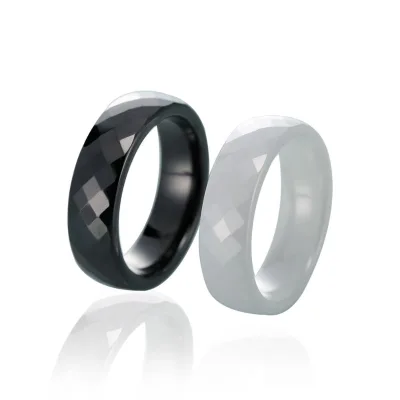
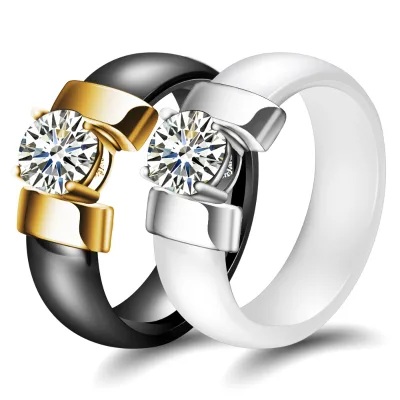
Ceramic Jewelry Black and White Ring with AAA Cubic Zircon Fashion Jewelry
$3.42 - $3.86
MOQ: 30 Pieces






Comprehensive Sourcing Guide
White Black Ceramic Ring with Zircon Sourcing Guide
Sourcing white and black ceramic rings with zircon requires a nuanced understanding of material properties that differ significantly from traditional metal jewelry. Ceramic is prized for its scratch resistance, lightweight feel, and hypoallergenic nature, making it a popular choice for modern wedding bands and fashion accessories. However, the brittleness of ceramic necessitates careful handling during both manufacturing and daily wear. Buyers must evaluate whether the specific ceramic formulation offers sufficient durability for the intended market, as high-temperature sintering processes can vary in quality.
The inclusion of zircon stones adds a layer of complexity regarding setting stability and aesthetic appeal. Unlike precious gemstones, cubic zirconia is an affordable alternative that provides significant sparkle but requires secure mounting to prevent loss. The contrast between the stark white or deep black ceramic body and the brilliant zircon creates a striking visual effect that appeals to contemporary consumers. Procurement teams should focus on suppliers who demonstrate expertise in combining these disparate materials without compromising structural integrity or finish quality.
Product Scope and Observed Listing Signals
Market listings for ceramic rings often reveal a wide variance in design complexity and material composition. While some products feature simple geometric shapes, others incorporate intricate patterns or mixed-metal plating to enhance visual interest. Buyers should observe that many suppliers offer customization options, allowing for tailored sizes and specific plating finishes such as rhodium, rose gold, or yellow gold. This flexibility is crucial for brands seeking unique inventory that stands out in a crowded marketplace, particularly when targeting specific demographic segments like female consumers looking for creative or simple styles.
Observed minimum order quantities (MOQ) typically range from 10 to 1000 pieces, reflecting the diverse needs of small boutique retailers versus large wholesale distributors. Delivery times also vary, with some suppliers offering expedited production within 20-30 days, while others may require 30-45 days for complex custom orders. These logistical factors must be weighed against inventory turnover rates and seasonal demand peaks. Understanding these signals helps buyers align their procurement strategy with realistic supply chain expectations, ensuring that stock levels meet market demand without excessive holding costs.
Technical Specifications to Verify
Verifying the core material composition is the first critical step in quality assurance. Buyers must confirm that the ceramic body is made from high-density zirconia or similar advanced ceramics, rather than standard clay-based materials, to ensure durability and a premium feel. The hardness and tensile strength of the ceramic should be documented, as these properties directly impact the ring’s resistance to chipping and cracking. Additionally, the purity of any metal components, such as 925 sterling silver cores or plating layers, must be verified through independent testing to prevent customer complaints regarding tarnishing or allergic reactions.
The setting mechanism for the zircon stones requires close inspection to ensure long-term security. Wax setting or prong settings must be evaluated for their ability to hold stones firmly under normal wear conditions. Buyers should request detailed specifications on the cut and clarity of the zircon, as these factors influence the overall brilliance and perceived value of the piece. Furthermore, the finish quality of the ceramic surface, including any polishing or coating processes, should be assessed to ensure a smooth, comfortable fit against the skin.
Compliance and Safety Documentation
Regulatory compliance is non-negotiable when importing jewelry, particularly regarding nickel content and heavy metal restrictions. Buyers must ensure that all products meet the safety standards of their target markets, such as the CPSIA in the United States or REACH in Europe. Documentation should include test reports from accredited laboratories confirming that the ceramic and zircon materials are free from harmful substances. This due diligence protects the brand from legal liabilities and ensures that the products are safe for consumer use, especially for items worn in close contact with the skin.
Certifications such as SGS provide an additional layer of assurance regarding product quality and manufacturing processes. Buyers should request valid certification documents that are current and specific to the product batch or model. These certifications often cover aspects like material purity, plating thickness, and overall product safety. Maintaining a robust compliance file not only facilitates smoother customs clearance but also enhances brand credibility with retailers and end consumers who are increasingly conscious of ethical and safe sourcing practices.
Cost Drivers and Commercial Terms
Several factors influence the final cost of ceramic rings with zircon, including material costs, labor intensity, and packaging requirements. The complexity of the design, such as hand-made details or custom plating, can significantly increase production costs. Buyers should analyze the cost breakdown to understand where value is added and where efficiencies can be gained. For instance, opting for standard sizes and simpler settings may reduce costs, while custom designs and premium packaging will command higher prices.
Commercial terms, including payment methods and shipping arrangements, also play a crucial role in total procurement costs. Suppliers may accept various payment methods such as bank transfers, PayPal, or Western Union, each with different fees and security levels. Buyers should negotiate clear terms regarding shipping responsibilities, insurance, and return policies. Understanding these commercial dynamics allows for more accurate budgeting and helps in selecting suppliers who offer the best balance of cost, quality, and service reliability.
Supplier Qualification and Quality Control
Evaluating supplier capabilities is essential for ensuring consistent product quality and reliable delivery. Buyers should assess the supplier’s production capacity, technological infrastructure, and experience in manufacturing ceramic jewelry. Factories with advanced sintering equipment and skilled artisans are more likely to produce high-quality rings with precise dimensions and secure stone settings. Additionally, suppliers who offer OEM/ODM services demonstrate flexibility and a willingness to collaborate on custom designs, which is valuable for brands seeking unique products.
Quality control processes must be rigorous and well-documented. Buyers should inquire about the supplier’s internal QC procedures, including in-process inspections and final product checks. Requesting pre-shipment samples is a critical step to verify that the final product matches the approved prototype in terms of color, size, and finish. Establishing a clear communication channel for addressing defects or discrepancies ensures that issues are resolved promptly, minimizing the risk of receiving substandard inventory.
Long-Term Procurement Checks
Building a sustainable supply chain requires ongoing monitoring and relationship management. Buyers should regularly review supplier performance metrics, such as on-time delivery rates, defect rates, and responsiveness to inquiries. Consistent performance indicates a reliable partner, while recurring issues may signal the need for corrective actions or supplier replacement. Maintaining open lines of communication fosters trust and collaboration, enabling both parties to address challenges proactively and adapt to changing market conditions.
Market trends and consumer preferences evolve rapidly, so buyers must stay informed about emerging styles and materials. Regularly updating product specifications and designs based on customer feedback ensures that the inventory remains relevant and competitive. Additionally, exploring opportunities for product diversification, such as introducing new ceramic colors or zircon cuts, can help capture new market segments. By continuously evaluating and adapting procurement strategies, buyers can maintain a strong position in the jewelry market and drive long-term business growth.
FAQs
What materials are used in a White Black Ceramic Ring with Zircon?
This ring style typically combines ceramic materials with zircon accessory stones for decorative effect. Listings also show 925 sterling silver options with rhodium, rose gold, yellow gold, or black plating, purity of 92.5 percent, and a 925 stamp or customer-required marking. Zircon serves as the main accessory material, and fabrication methods include casting, hand-making, electroplating, and gem mounting.
Can I customize the size, color, and plating of a zircon ceramic ring?
Yes, customization is available, and many suppliers offer OEM and ODM services. Size can be selected in standard 6 and 7 numbers or made fully customized, and plating options include rhodium, rose gold, yellow gold, black, and black gold. Stamps can follow the standard 925 marking or customer requirements, and packing can use OPP bags with strong cartons arranged as the customer requires.
How long does delivery take for a White Black Ceramic Ring with Zircon order?
Delivery times generally range from 20 to 30 days or within 30 to 45 days depending on the listing and order complexity. Production method affects timing, since casting, hand-making, electroplating, and gem mounting each require different processing periods. Buyers should confirm the exact schedule with the supplier before placing an order, especially for customized sizes or plating finishes.
What is the minimum order quantity for these rings?
Minimum order quantities vary by listing, with observed values including 30 pieces and 10 pieces, and the broader category ranges from 1 to 1000 pieces. Lower MOQ options suit distributors testing new designs, while higher volumes typically support wholesale pricing. Buyers should verify the specific MOQ tied to their chosen model, such as CR1002 or R9789, before confirming a purchase.
Which certification applies to a White Black Ceramic Ring with Zircon?
Listings reference SGS certification and SGS as the product standard, which buyers can use when assessing supplier quality claims. Certification should be confirmed directly with the supplier for the specific order, since standards can vary between product models. Requesting current documentation before mass production is a practical step for wholesalers, distributors, and jewelry makers sourcing this category.
How are the rings packed for shipment?
Standard packing uses an OPP bag for each piece with strong cartons for outer protection, and packing can be arranged according to customer requirements. This protects zircon settings and plated surfaces during transit, including air-conduction style accessories shipped alongside jewelry. Buyers with retail-ready packaging needs should communicate specifications early so packing can be incorporated into the production and delivery schedule.
Which occasions suit a White Black Ceramic Ring with Zircon as a gift?
These rings suit weddings, anniversaries, engagements, parties, decoration, gifting, and collection purposes. Styles range from creative and prime ring designs to simple inlaid rings, with round and geometry shapes available. The products are generally universal and female-oriented, making them flexible choices for jewelry wholesalers, distributors, and jewelry makers building occasion-based collections for retail channels.
What payment methods can buyers use for these ring orders?
Supported payment methods include bank transfer, PayPal, Moneygram, and Western Union, giving buyers several channels for settling orders. Buyers should confirm accepted methods, currency, and payment terms with the supplier before ordering, particularly for larger wholesale volumes. origin is Guangzhou, China, so international transfers are typical, and confirming terms early helps avoid delays in production scheduling and shipment.