Source White Powder Chlorhexidine for Medical, Industrial, and Personal Care
Compare 30 listings for White Powder Chlorhexidine from verified Chinese suppliers. Buyers can review purity levels, packaging options, and delivery times for antimicrobial applications in medical and industrial sectors.
Key considerations
Products List




Comprehensive Sourcing Guide
Strategic Sourcing Guide for White Powder Chlorhexidine
Procuring high-purity White Powder Chlorhexidine requires a disciplined approach that balances technical verification with supply chain reliability. For buyers in the pharmaceutical, medical device, and industrial hygiene sectors, the raw material market presents a complex landscape where specifications can vary significantly between batches and suppliers. This guide outlines the critical factors for sourcing chlorhexidine diacetate and related forms, ensuring that procurement decisions are grounded in verified data rather than marketing assertions. The focus remains on identifying reliable supply sources while maintaining strict adherence to quality and compliance standards.
Technical Specifications and Chemical Identity
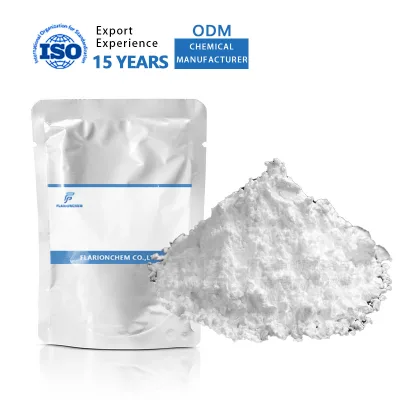
The primary challenge in sourcing chlorhexidine lies in distinguishing between the various salt forms and purity grades available in the market. The core keyword "White Powder Chlorhexidine" often refers to Chlorhexidine Diacetate, which is characterized by its specific physical appearance and chemical properties. Verified product data indicates that the substance typically presents as a white to off-white powder, though some listings describe variations ranging from white to brown or dark brown depending on the specific grade and manufacturer. Buyers must verify the exact chemical identity through the CAS number, as different salts possess distinct solubility profiles and applications.
For Chlorhexidine Diacetate, the CAS number 56-95-1 is the definitive identifier. However, some market listings may reference CAS 57-62-5, which corresponds to different salt forms such as Chlorhexidine Hydrochloride. This distinction is critical because the solubility and efficacy differ between salts. The diacetate form is noted for high water solubility, with specific data points indicating a solubility of approximately 1.9 grams per 100 milliliters at 20°C. This property is essential for formulating liquid antiseptics and surgical scrubs.
Purity is another non-negotiable technical parameter. While some suppliers list purity levels exceeding 99%, others may offer grades with 98% or 99.9% assay values. The "Industrial" grade is distinct from "Medical Grade," which often requires stricter impurity controls. Buyers should not assume that a "white powder" description guarantees a specific purity level without requesting a Certificate of Analysis (CoA). The physical state is consistently described as a powder, often packaged in foil bags or drums, but the color consistency can vary from pure white to microcrystalline white, or in some cases, brownish hues if the material is not fully refined.
Compliance, Certification, and Regulatory Standards
Navigating the regulatory landscape for chlorhexidine requires rigorous verification of certifications. The product data highlights a range of certifications including BP (British Pharmacopoeia), USP (United States Pharmacopeia), ISO, HSE, and GMP (Good Manufacturing Practice). These certifications are not merely marketing labels; they indicate that the manufacturing facility adheres to specific quality management systems and safety protocols. For instance, GMP certification is essential for any chlorhexidine intended for human medical use, ensuring that the production environment is controlled to prevent contamination.
The "Medical Grade" standard is frequently cited for products intended for adult, children, and elderly use. This designation implies that the product meets stringent safety thresholds for topical application. Additionally, the REACH certification is mentioned in the context of industrial applications, particularly for products used in animal health or agriculture, where "Keeping Health and Promoting Growth" functions are relevant. Buyers must verify that the specific batch they are purchasing carries the certification required for their intended market. For example, a product certified for industrial use may not be suitable for pharmaceutical applications without additional testing.
It is crucial to note that while ISO 9001 and ISO 14001 are standard quality and environmental management systems, the provided data does not explicitly confirm their presence for all listed products. Therefore, buyers should treat these as potential attributes to verify rather than guaranteed standards. The presence of a "Customized" certification status suggests that some suppliers offer tailored compliance documentation, which can be advantageous for specialized procurement needs. However, the core requirement remains the verification of BP or USP compliance for medical-grade applications.
Cost Drivers and Pricing Dynamics
The pricing of chlorhexidine diacetate is influenced by a complex interplay of factors, including purity, packaging, and order volume. The observed price range in the market spans from $0.50 to $6,150 USD, a variance that reflects differences in order size, grade, and supplier overheads. The lower end of this spectrum likely corresponds to small sample quantities or industrial-grade materials, while the higher end may reflect bulk orders of high-purity medical-grade material or specialized packaging requirements.
Minimum Order Quantity (MOQ) is a significant cost driver. Listings indicate MOQs ranging from 100 grams to 1 kilogram, with some suppliers requiring larger commitments. For small-scale buyers, the per-unit cost may be higher due to the fixed costs of packaging and logistics. Conversely, bulk buyers purchasing 25kg drums or 200kg drums may benefit from economies of scale. The packaging method also impacts cost; options include 1kg foil bags, 25kg drums, or 200kg drums. The choice of packaging must align with the buyer's storage capabilities and usage rate to avoid waste or degradation.
Shipping and logistics represent another variable cost. While some suppliers offer express delivery within 5-7 days via carriers like FedEx or DHL, the cost of these services is often passed on to the buyer. The "Worldwide/All Countries" shipping area suggests global availability, but buyers should be aware that customs duties and import regulations can significantly affect the final landed cost. Additionally, the "Customized" nature of some products may incur additional fees for tailored packaging or documentation, which should be factored into the total cost of ownership.
Typical Applications and Functional Usage
Chlorhexidine diacetate is a versatile antimicrobial agent with applications spanning healthcare, personal care, and industrial sectors. Its primary function is as an antimicrobial, making it a critical ingredient in surgical scrubs, wound cleansers, and oral hygiene products. The product data explicitly states suitability for adults, children, and the elderly, indicating its broad safety profile for human use. This versatility allows manufacturers to formulate a wide range of products, from antiseptic wipes to mouthwashes.
In the agricultural and veterinary sectors, chlorhexidine is used for its ability to keep health and promote growth in livestock. The "Medical Grade" designation supports its use in veterinary medicines, where it helps prevent infections and maintain hygiene in animal housing. The "Industrial" grade is often utilized in water treatment and surface disinfection, where high-volume application is required. The specific function of "Antimicrobial" is consistent across all grades, but the concentration and formulation vary based on the application.
The storage requirements for chlorhexidine are also a key consideration for application planning. The material must be kept in a cool and dry place to maintain stability and prevent degradation. The shelf life is typically listed as 2 years, which allows for strategic inventory management. However, buyers should verify the specific shelf life of the batch they purchase, as storage conditions during transit can impact the actual usable life of the product. Proper storage ensures that the antimicrobial efficacy remains intact until the product is used in the final formulation.
Supplier Evaluation and Quality Control
Evaluating suppliers for chlorhexidine requires a multi-faceted approach that goes beyond price comparison. The origin of the product, often listed as Jiangsu, China, provides a geographical context but does not guarantee quality. Buyers must assess the supplier's track record, production capacity, and quality control processes. The presence of a "Good Service" attribute is a positive indicator, but it should be backed by tangible evidence such as responsive communication, timely delivery, and transparent documentation.
Quality control is paramount in the procurement of chlorhexidine. The Test Method listed as HPLC (High-Performance Liquid Chromatography) is a standard analytical technique for verifying purity and identifying impurities. Buyers should request HPLC test results for every batch to ensure consistency. The "Customized" nature of some products suggests that suppliers may offer tailored quality control protocols, which can be beneficial for specialized applications. However, the core requirement remains the verification of purity levels, typically above 98% or 99%, against the agreed specifications.
The packaging integrity is another critical factor in supplier evaluation. Products are often shipped in foil bags or drums, which must be sealed properly to prevent moisture ingress. The "Ziplock Foil Bag" and "Foil Bag" options provide varying levels of protection, and buyers should select packaging that aligns with their storage capabilities. The "25kg/Drum" and "200kg Drum" options are suitable for large-scale operations, while smaller quantities may be better suited for foil bags. Ensuring that the packaging is robust and tamper-evident is essential for maintaining product quality during transit.
Long-Term Procurement Considerations
Sourcing chlorhexidine is not a one-time transaction but a long-term partnership that requires strategic planning. The availability of "Customized" options allows buyers to tailor the product to their specific needs, but this requires clear communication and mutual understanding of requirements. Buyers should establish a long-term relationship with suppliers who can consistently meet quality standards and provide reliable delivery. The "Express 5-7 Days Arrive" lead time is a significant advantage for urgent orders, but buyers should also consider the lead time for larger bulk orders, which may vary based on production schedules.
Supply chain resilience is another critical consideration. The "Worldwide/All Countries" shipping area indicates a broad distribution network, but buyers should have contingency plans in place for potential disruptions. Diversifying suppliers and maintaining a buffer stock can mitigate the risk of supply shortages. Additionally, buyers should stay informed about regulatory changes that may impact the import or use of chlorhexidine in their target markets. The "BP, USP, ISO, HSE, GMP" certifications provide a strong foundation for compliance, but ongoing monitoring is necessary to ensure continued adherence to evolving standards.
Finally, the economic viability of long-term procurement depends on the ability to negotiate favorable terms. The wide price range and MOQ flexibility offer opportunities for cost optimization, but buyers must balance cost savings with quality assurance. By focusing on verified specifications, robust quality control, and reliable supplier relationships, buyers can secure a steady supply of high-quality chlorhexidine that meets their operational and regulatory needs. The strategic approach outlined in this guide ensures that procurement decisions are data-driven and aligned with the highest standards of safety and efficacy.
Comparative Overview of Product Attributes
| Attribute | Chlorhexidine Diacetate (Standard) | Medical Grade Variants | Industrial/Agri Variants |
|---|---|---|---|
| Appearance | White Powder | White/Microcrystalline | White to Brown Powder |
| CAS Number | 56-95-1 | 56-95-1 | 57-62-5 (Possible) |
| Purity | >99% | >99% | >98% |
| Certifications | BP, USP, ISO, GMP | BP, USP, GMP | REACH, ISO |
| Packaging | 1kg/Bag, 25kg/Drum | Foil Bag, Ziplock | 25kg/200kg Drum |
| Shelf Life | 2 Years | 2 Years | 2 Years |
| Storage | Cool and Dry Place | Cool and Dry Place | Cool Dry Place |
| Suitability | Adult, Children, Elderly | Adult, Children, Elderly | Adult (General) |
This table summarizes the key distinctions between different grades of chlorhexidine, highlighting the variations in appearance, certification, and packaging that buyers must consider. While the core chemical identity remains consistent, the specific attributes can vary based on the intended application and regulatory requirements. Buyers should use this comparison as a reference point for evaluating supplier offerings and ensuring that the selected product meets their specific needs.
FAQs
What is the purity level of White Powder Chlorhexidine?
The purity level is typically above 99% or 98% depending on the specific grade. Some listings indicate an assay of 99.9% for medical grade materials, while others specify industrial grades with slightly lower thresholds.
Which certifications are available for White Powder Chlorhexidine?
Available certifications include BP, USP, ISO, HSE, GMP, and REACH. These indicate compliance with pharmacopoeia standards and good manufacturing practices suitable for medical or industrial applications.
How is White Powder Chlorhexidine packaged for shipping?
Packaging options include 1kg foil bags, 25kg drums, and 200kg drums. Some suppliers also offer ziplock foil bags for smaller quantities to ensure moisture protection during transit.
Can White Powder Chlorhexidine be customized for specific needs?
Yes, customization is available for specifications and packaging requirements. Buyers can request tailored solutions, though this may affect lead times and pricing depending on the complexity of the request.
What is the lead time for White Powder Chlorhexidine delivery?
Express delivery typically arrives within 5 to 7 days via carriers like FedEx or DHL. Standard lead times may vary based on order volume and specific supplier production schedules.
Where is White Powder Chlorhexidine manufactured?
The product originates from Jiangsu, China, with some listings simply stating China as the origin. This location serves as the primary hub for manufacturing and distribution of the material.