Source White Polypropylene Non Woven Fabric for Bags
Find 30 listings for White Polypropylene Non Woven Fabric suitable for shopping bags, medical supplies, and disposable items. Compare specifications like GSM, width, and packaging options from Chinese manufacturers to identify the right material for your production needs; compare the available evidence and request quotations based on your requirements.
Key considerations
Products List




Comprehensive Sourcing Guide
White Polypropylene Non Woven Fabric Sourcing Guide
Buyers must first distinguish between generic spun-bonded offerings and specialized variants when sourcing White Polypropylene Non Woven Fabric. The observed market data indicates a wide spectrum of product attributes, ranging from standard 100% PP compositions to blends involving virgin HDPE with UV stabilization. This variation directly impacts the material's suitability for specific end-uses, such as security textiles or disposable medical supplies. Procurement teams should verify the exact polymer grade, noting that some listings specify domestic grades while others imply higher purity for sensitive applications.
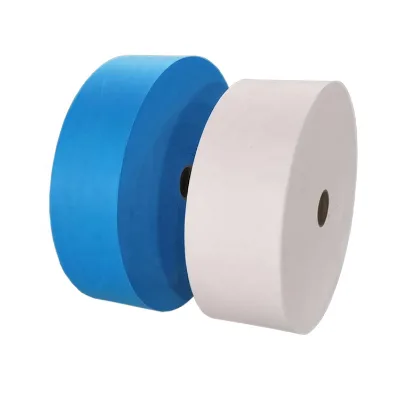
The visual and physical presentation of the fabric also varies significantly across suppliers, influencing downstream processing costs. While many listings describe a plain white pattern, others offer dyed options or specific dot patterns, with widths ranging from 1.35 meters to custom dimensions within 1.6 meters. Buyers should confirm whether the fabric arrives in rolls, poly bags, or bales, as the packaging method affects storage efficiency and handling requirements. Understanding these baseline physical differences is essential before engaging with potential vendors to ensure the material matches the intended production line specifications.
Product Scope and Observed Listing Signals
The product scope for White Polypropylene Non Woven Fabric spans diverse industrial sectors, including bag manufacturing, fashion shopping bags, and daily disposable products. Listings frequently highlight features such as water repellency, breathability, and anti-static properties, which are critical for applications requiring hygiene or safety. However, the presence of these features is not universal; some products emphasize eco-friendly characteristics while others focus on anti-tear or anti-bacterial capabilities. Buyers must cross-reference these claimed attributes against their specific application needs to avoid selecting a material that lacks necessary performance traits.
Listing signals regarding customization and standardization provide early indicators of supplier flexibility and production capacity. Many suppliers offer customized widths, lengths, and grammage, with some specifying ranges like 30 to 200 GSM or specific weights such as 45, 50, and 60 GSM. The availability of custom styles, including spunbond or dyed finishes, suggests a capability to tailor products to unique design requirements. Nevertheless, buyers should treat these signals as observations of potential rather than guarantees, verifying that the supplier can consistently deliver the specific weight, width, and feature set required for the final product.
Technical Specifications to Verify
Technical verification begins with confirming the grammage and width consistency, as these parameters dictate the fabric's strength and coverage. Observed data shows weight ranges from 9 to 220 GSM, with specific mentions of 30-200 GSM for certain applications. Buyers must request sample swatches to validate the actual GSM against the supplier's claim, as variations can lead to structural failures in finished goods like shopping bags or medical packaging. Additionally, the width specification is critical; while some products are standardized at 58/60 inches, others offer custom widths up to 1.6 meters, requiring precise alignment with cutting machinery.
The manufacturing technique and material composition are equally vital for ensuring performance reliability. Most listings identify the fabric as spun-bonded 100% polypropylene, though some entries mention blends with virgin HDPE or UV additives. These compositional differences affect the fabric's resistance to tearing, static buildup, and environmental degradation. Buyers should explicitly verify the production standard, checking if the material meets specific requirements like 100% virgin content or specific UV treatments. Confirming the technical standard ensures the fabric will perform under the stress conditions of the intended application, whether it is for heavy-duty bags or delicate medical supplies.
Compliance and Safety Documentation
Compliance verification is essential when sourcing materials for medical supplies or food-contact applications, where safety standards are stringent. While some listings mention ISO certifications, the specific scope of these certifications must be confirmed to ensure they cover the relevant production processes and material safety. Buyers should not assume that a general ISO label applies to all product variants; instead, they must request documentation proving that the specific white polypropylene fabric meets the necessary regulatory requirements for its intended use. This due diligence prevents potential legal liabilities and ensures the final product adheres to industry safety norms.
Safety documentation also extends to the chemical composition and potential environmental impact of the fabric. Features like being eco-friendly or anti-bacterial require substantiation through test reports or third-party validation. Buyers should inquire about the presence of harmful substances and verify that the material complies with relevant chemical safety standards. Although some listings claim eco-friendly status, this claim must be backed by concrete evidence regarding the recyclability or biodegradability of the 100% PP material. Ensuring that all safety claims are supported by valid documentation protects the brand reputation and ensures consumer safety.
Cost Drivers and Commercial Terms
Cost drivers for White Polypropylene Non Woven Fabric are heavily influenced by the raw material grade, customization level, and order volume. The observed MOQ ranges from small quantities of 1 unit to substantial bulk orders of 10,000 units, with some suppliers requiring minimums of 3 to 5 tons. Buyers must evaluate whether their projected volume aligns with these thresholds to secure favorable pricing tiers. Additionally, the complexity of customization, such as specific widths, weights, or added features like UV resistance, can significantly increase the unit cost compared to standard off-the-shelf options.
Commercial terms regarding packaging and logistics also play a crucial role in the total landed cost. Listings indicate various packaging methods, including poly bags, rolls, bales, and cartons, each with different implications for shipping efficiency and storage. Buyers should negotiate terms that minimize damage during transit while optimizing container utilization. Furthermore, lead times and payment terms should be clearly defined to manage cash flow and production schedules. Understanding these commercial variables allows buyers to accurately forecast total costs and avoid unexpected expenses that could erode profit margins.
Supplier Qualification and Quality Control
Supplier qualification requires a rigorous assessment of production capabilities and quality control systems to ensure consistent material delivery. Buyers should verify the supplier's ability to maintain tight tolerances on weight, width, and feature consistency across large production runs. Given the variation in observed specifications, such as different GSM ranges and width options, it is vital to confirm that the supplier has the technical expertise to replicate the exact product characteristics required. A robust quality control process is necessary to prevent defects that could compromise the integrity of the final product.
Quality control measures should include regular sampling and testing protocols to validate the fabric's physical and chemical properties. Buyers must establish clear acceptance criteria for attributes like tensile strength, water repellency, and anti-static performance before production begins. It is also important to verify the supplier's track record in delivering materials for similar applications, such as medical supplies or fashion bags. By implementing a structured quality assurance framework, buyers can mitigate the risk of receiving substandard materials and ensure that the White Polypropylene Non Woven Fabric meets all operational requirements.
Long-Term Procurement Checks
Long-term procurement success depends on establishing a reliable supply chain that can adapt to changing market demands and production needs. Buyers should conduct periodic reviews of supplier performance, focusing on consistency in quality, adherence to delivery schedules, and responsiveness to customization requests. The dynamic nature of the non-woven fabric market, with its varying specifications and features, requires a partnership model where suppliers can scale production up or down as needed. Maintaining open communication channels ensures that any potential issues are addressed promptly before they impact the supply chain.
Continuous monitoring of market trends and technological advancements is also crucial for maintaining a competitive edge. Buyers should stay informed about new developments in polypropylene technology, such as improved eco-friendly formulations or enhanced functional features. This proactive approach allows for strategic adjustments in sourcing strategies, ensuring that the company remains aligned with industry best practices. By fostering a long-term relationship with qualified suppliers and staying attuned to market evolution, buyers can secure a stable supply of high-quality White Polypropylene Non Woven Fabric that supports their business growth.
FAQs
What is the primary material composition of this fabric?
The fabric is made from 100% polypropylene, often referred to as PP. This material choice ensures the textile is lightweight yet durable for various industrial applications. It provides a solid foundation for manufacturing bags and medical supplies while maintaining consistent quality across different production batches.
Can the fabric width be customized for specific needs?
Yes, customization is available for the fabric width. Standard specifications often range from 1 to 3 meters, with some options extending up to 1.6 meters. Buyers can request specific dimensions to match their machinery or production requirements, ensuring optimal material usage and minimal waste during the manufacturing process.
What features make this non-woven fabric suitable for bags?
This fabric offers several key features including being breathable, anti-tear, and water-repellent. These properties make it ideal for creating durable shopping bags and daily use items. The spun-bonded technique enhances its strength, while the eco-friendly nature appeals to environmentally conscious consumers and brands seeking sustainable packaging solutions.
What are the available weight ranges for this product?
The gram weight typically ranges from 30 to 200 GSM, with specific options like 45, 50, or 60 GSM commonly available. Some specialized variants may extend up to 220 GSM. This wide range allows buyers to select the appropriate thickness for different applications, from lightweight disposable bags to heavier-duty industrial uses.
How is the fabric packaged for shipping and storage?
The fabric is primarily packed in rolls, often wrapped in poly bags for protection. Additional packaging options include bale packages or carton packages depending on the order size. This flexible packaging approach ensures the material remains clean and undamaged during transit, facilitating easy handling and storage at the buyer's facility.
Is the fabric available in colors other than white?
While white is a standard option, the fabric is available in black and other colors as per customer requirements. Buyers can request specific color matches for branding purposes. This customization capability allows for versatile design applications in fashion shopping bags and other consumer products where specific aesthetic preferences are crucial.