Source White Powder Compound Stabilizer for PVC Pipes, Profiles, and Cable Sheaths
Find and compare 30 listings for White Powder Compound Stabilizer suitable for PVC pipe, profile, panel, and cable sheath applications. Evaluate specifications such as fineness, purity, and packaging options from verified Chinese manufacturers to identify the right material for your production needs.
Key considerations
Products List


Lead Compound Stabilizer Heat Stabilizer
$1000.00 - $1100.00
MOQ: 3 Tons
Hebei Xiongfa New Materials Technology Development Co., Ltd.

High Quality Ca Compound Stabilizer
$1000.00 - $1100.00
MOQ: 3 Tons
Hebei Xiongfa New Materials Technology Development Co., Ltd.

High Quality Compound Lead Based Compound Stabilizer
$1000.00 - $1100.00
MOQ: 3 Tons
Hebei Xiongfa New Materials Technology Development Co., Ltd.

PVC Lead Compound Stabilizer That Has Good Stability
$1000.00 - $1100.00
MOQ: 3 Tons
Hebei Xiongfa New Materials Technology Development Co., Ltd.
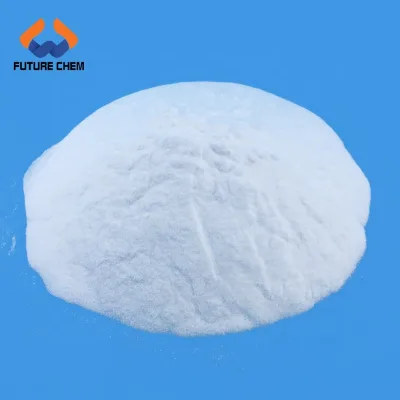

Calcium Zinc Stabilizer, Environmentally Friendly and Non-Toxic Stabilizer
$2190.00 - $2350.00
MOQ: 1 Tons

Custom Printed Quality Ca-Zn Stabilizer for Foam Material Powder Ca-Zn Stabilizer
$2200.00 - $2500.00
MOQ: 1 Tons


High-Quality Factory Source High Efficiency Industrial Chemical Stabilizer
$2000.00 - $5000.00
MOQ: 1 Pieces


Direct From The Source High Efficiency Industrial Chemical Stabilizer
$2000.00 - $5000.00
MOQ: 1 Pieces

Professional Manufacturer High Efficiency Industrial Chemical Stabilizer
$2000.00 - $5000.00
MOQ: 1 Pieces


Comprehensive Sourcing Guide
White Powder Compound Stabilizer Sourcing Guide
Sourcing white powder compound stabilizers requires a disciplined approach to distinguishing between generic plastic additives and specialized formulations designed for specific polymer matrices. These materials are primarily utilized to enhance the thermal and oxidative stability of polymers during processing, ensuring that the final product maintains its mechanical integrity and aesthetic qualities. Buyers must recognize that "white powder" is a physical observation rather than a functional guarantee; the chemical composition, particle size distribution, and carrier systems vary significantly across suppliers. Consequently, the procurement strategy must focus on verifying the molecular principal chain, purity levels, and specific application compatibility rather than relying solely on appearance or generic product names.
The market for these stabilizers is characterized by a wide range of product models, from calcium stearate-based lubricants to complex organic intermediates like hydroxypropyl cellulose. Each variant serves a distinct purpose, whether it is acting as a processing aid, a flame retardant, or a viscosity modifier. Procurement teams must align their technical requirements with the specific advantages offered by each product type, such as excellent lubrication, dust-free irregular sheet production, or environmental protection compliance. By understanding the nuanced differences between these compounds, buyers can avoid mismatches between supplier offerings and their manufacturing needs, thereby reducing the risk of production defects and material waste.
Product Scope and Observed Listing Signals
The observed product landscape reveals a diverse array of stabilizer types, including calcium stearate, hydroxypropyl cellulose, and various XF-series compounds. These products are often categorized by their molecular structure, with many being carbon chain polymers or organic intermediates. The physical appearance is consistently noted as a white powder, but the underlying chemical properties differ substantially. For instance, some products are identified by specific CAS numbers, such as 9004-64-2 for hydroxypropyl cellulose, while others are defined by their model numbers like C-60 or C-50. Buyers must carefully cross-reference these identifiers to ensure they are sourcing the correct chemical entity for their specific polymer processing requirements.
Listing signals also highlight significant variations in packaging and physical attributes, which can impact handling and storage logistics. Products are commonly packed in 20kg or 25kg woven bags, often lined with PE bags to protect against moisture and contamination. Some listings specify a bulk density of 0.45 and a fineness of 90%, while others emphasize a purity level of 99%. These physical parameters are critical for determining the correct dosing rates and mixing efficiency in production lines. Procurement specialists should treat these observed attributes as baseline data points that require verification through technical data sheets, as they directly influence the performance of the stabilizer in the final application, such as PVC pipes, profiles, panels, or cable sheaths.
Technical Specifications to Verify
Verifying the technical specifications of white powder compound stabilizers is essential to ensure compatibility with your specific polymer processing equipment and end-use requirements. Key parameters to validate include the processing temperature, which is observed to be around 200 degrees Celsius for some products, and the particle size, which can be as fine as 98.5% passing a specific mesh. These factors directly affect the dispersion and effectiveness of the stabilizer within the polymer matrix. Buyers should request detailed particle size distribution curves and thermal stability data to confirm that the product will perform as expected under their specific processing conditions, avoiding issues such as poor dispersion or thermal degradation.
Another critical aspect of technical verification is the identification of the carrier material and the molecular formula. Some products utilize PE as a carrier, which can influence the lubrication and stability characteristics of the final compound. Additionally, the molecular formula, such as C3H7O* for hydroxypropyl cellulose, and the molecular weight, observed at 59.08708 for certain intermediates, provide insight into the chemical behavior of the stabilizer. Buyers must ensure that these chemical properties align with their formulation goals, particularly when dealing with sensitive applications like cable sheathing or medical-grade PVC. Misidentification of the carrier or molecular structure can lead to unexpected interactions with other additives, resulting in compromised product quality.
Compliance and Safety Documentation
Compliance with international regulations is a non-negotiable aspect of sourcing white powder compound stabilizers, particularly for products intended for export or use in regulated industries. The REACH certification is a common requirement, indicating that the substance has been evaluated for its impact on human health and the environment. Buyers must verify that the supplier holds valid REACH registration and that the specific product batch complies with current regulatory standards. Additionally, certifications such as CCIC may be relevant for quality assurance and inspection purposes. Procurement teams should request up-to-date compliance certificates and safety data sheets (SDS) to ensure that the product meets all legal and safety requirements in the destination market.
Environmental protection is another critical consideration, with many suppliers highlighting their commitment to eco-friendly production processes. Products labeled as environmentally friendly should be supported by documentation that details the absence of hazardous substances and the sustainability of the manufacturing process. Buyers should also verify the EINECS number, such as 618-388-0 for hydroxypropyl cellulose, to ensure proper classification and tracking. By prioritizing suppliers with robust compliance documentation, buyers can mitigate regulatory risks and enhance the marketability of their final products, particularly in regions with strict environmental regulations.
Cost Drivers and Commercial Terms
The cost of white powder compound stabilizers is influenced by several factors, including the raw material prices, the complexity of the manufacturing process, and the level of customization required. Observed price ranges vary widely, from $0.5 to $5000 per unit, reflecting the diversity of products available in the market. Buyers should analyze the cost structure to understand the value proposition of each product, considering factors such as purity, fineness, and specific performance advantages. It is important to note that lower prices may not always indicate better value, as they could reflect lower quality or less rigorous quality control processes.
Commercial terms, including minimum order quantities (MOQ) and payment conditions, also play a significant role in the total cost of ownership. Observed MOQs range from 1 to 1000 units, allowing for flexibility in procurement strategies. Buyers should negotiate terms that align with their production volume and inventory management capabilities. Additionally, the mode of transport, typically sea transportation for bulk orders, should be considered when calculating logistics costs. By understanding the full range of commercial terms, buyers can optimize their procurement strategy to balance cost efficiency with supply chain reliability.
Supplier Qualification and Quality Control
Qualifying suppliers of white powder compound stabilizers requires a thorough assessment of their manufacturing capabilities, quality control systems, and track record. Buyers should prioritize suppliers who are factories rather than dealers, as this often ensures greater control over the production process and product consistency. Verification of the supplier's location, such as No. 1898 Jiheng Road New Industry Park Hengshui, can provide insights into their operational scale and logistical advantages. Additionally, buyers should request samples for testing to evaluate the product's performance in their specific application, ensuring that it meets their technical and quality standards.
Quality control measures should be a key criterion in supplier selection, with an emphasis on consistency and traceability. Buyers should inquire about the supplier's quality management systems, including their procedures for batch testing and certification. Products should be accompanied by detailed certificates of analysis (COA) that confirm key attributes such as purity, fineness, and volatile content. By establishing a rigorous supplier qualification process, buyers can minimize the risk of receiving substandard materials and ensure a stable supply of high-quality stabilizers for their production needs.
Long-Term Procurement Checks
Establishing long-term procurement checks is essential for maintaining the quality and reliability of White Powder Compound Stabilizer supplies. Buyers should implement regular audits of their suppliers' quality control processes and conduct periodic re-testing of incoming materials to ensure consistency. This proactive approach helps to identify potential issues early, allowing for timely corrective actions and preventing disruptions in production. Additionally, buyers should monitor market trends and regulatory changes that may impact the availability or compliance of specific stabilizer types, adjusting their sourcing strategy as needed.
Building a strong relationship with qualified suppliers can also enhance long-term procurement stability. Buyers should engage in open communication with their suppliers to discuss performance feedback, technical challenges, and future requirements. This collaborative approach can lead to improved product formulations and better support for specific application needs. By focusing on long-term partnerships and continuous improvement, buyers can secure a reliable supply of high-quality white powder compound stabilizers, supporting their operational efficiency and product competitiveness in the market.
FAQs
What is the purity level of the White Powder Compound Stabilizer?
The White Powder Compound Stabilizer has a purity of 99%. This high purity ensures consistent performance in PVC applications such as pipes, profiles, and cable sheaths. The product is available in various models like XF-308L and XF-05H, meeting specific industrial requirements for stability and lubrication.
Can the White Powder Compound Stabilizer be customized for specific needs?
Yes, customization is available for the White Powder Compound Stabilizer. Buyers can select from multiple models including Xf-308L, Xf-03z-7, and Xf-04A. These options allow for tailored solutions in PVC processing, ensuring optimal lubrication and stability for diverse manufacturing applications across different product lines.
What certifications does the White Powder Compound Stabilizer hold?
The White Powder Compound Stabilizer holds REACH certification, ensuring compliance with European chemical regulations. Some variants also carry CCIC certification. These credentials verify the product's safety and quality, making it suitable for international trade and applications requiring strict environmental and safety standards in plastic processing industries.
How is the White Powder Compound Stabilizer packaged for shipment?
The White Powder Compound Stabilizer is typically packed in 25kg woven bags lined with a PE bag. Some specifications indicate 20kg PP bags or standard 20KG/Bag standards. This packaging protects the powder from moisture and contamination, ensuring the product remains dust-free and maintains its irregular sheet characteristics during transport and storage.
What is the minimum order quantity for the White Powder Compound Stabilizer?
The minimum order quantity for the White Powder Compound Stabilizer ranges from 1 to 1000 units. This flexibility allows buyers to order small samples for testing or larger volumes for production. The specific MOQ may vary depending on the selected model, such as Calcium Stearate or XF series, and current supplier availability.
Where is the White Powder Compound Stabilizer manufactured?
The White Powder Compound Stabilizer is manufactured in China, specifically at No. 1898 Jiheng Road New Industry Park in Hengshui. This location serves as the primary origin for the product, ensuring consistent quality control and efficient logistics for global distribution. The factory operates as a direct source for these industrial chemicals.