Source White Primed Shaker Interior Door for Bedroom, Entry, and Bathroom
Compare 28 White Primed Shaker Interior Door options from verified Chinese manufacturers. Buyers can evaluate solid wood and composite models with customizable dimensions, finishes, and hardware for residential and commercial applications.
Key considerations
Products List


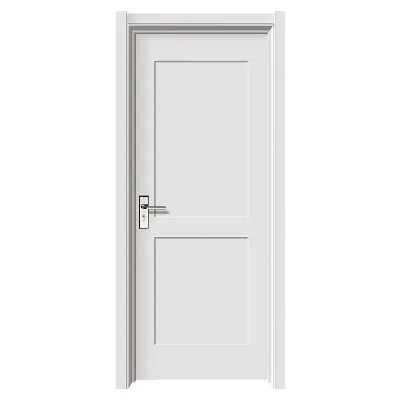
Custom Color Door Painted 2-Panel Shaker Solid Core Composite Interior Door
$45.00 - $52.00
MOQ: 100 Square Meters

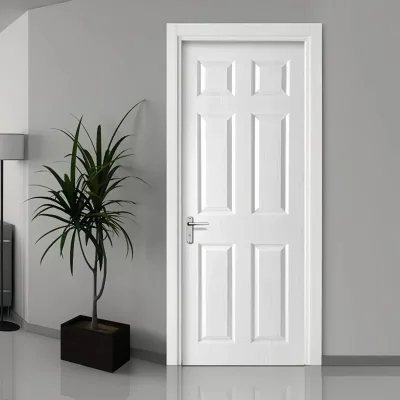
Fire Rated 5-Panel Primed White Modern Style Interior Wooden Shaker Door
$65.00 - $70.00
MOQ: 200 Pieces


High Quality 5-Panel Primed White Modern Style Interior Wooden Shaker Door
$73.00 - $78.00
MOQ: 3 Square Meters


Shaker Style White Primer Solid Wooden Painted Door Simple Interior Shaker Door
$18.50 - $48.50
MOQ: 10 Pieces


Comprehensive Sourcing Guide
Strategic Sourcing Guide for White Primed Shaker Interior Doors
Understanding the Product Profile and Core Specifications
When sourcing a White Primed Shaker Interior Door, buyers must first distinguish between the specific construction types available in the current market. The term "Shaker Door" typically refers to a design characterized by a five-piece construction with a flat center panel and a simple, clean frame. However, the underlying material composition varies significantly between suppliers, ranging from solid wood to composite structures. Based on available market data, the primary material category for these doors includes solid wood options, which offer a robust and durable structure. These doors are often finished with a surface treatment that leaves them ready for final painting or staining, though the specific "primed" state implies a factory-applied base coat to facilitate on-site finishing.
The physical dimensions of these doors are critical for procurement planning. Standard sizing conventions observed in the industry include widths of 24, 26, 28, 30, 32, and 36 inches, paired with standard heights of 80 inches. Some suppliers offer extended height options up to 96 inches or custom dimensions, provided the thickness remains consistent at approximately 1-3/8 inches. It is essential to verify the exact standard dimensions against the specific model numbers, such as SD-01 or DC-SD-EE278, as these codes often dictate the available width and height configurations. The core material may vary; while some shaker doors utilize a solid wood core for enhanced sound insulation and durability, others may employ an MDF (Medium Density Fiberboard) core or a honeycomb core to reduce weight. The choice between a solid wood core and a composite core directly impacts the door's acoustic performance and structural integrity.
Technical Attributes and Functional Requirements
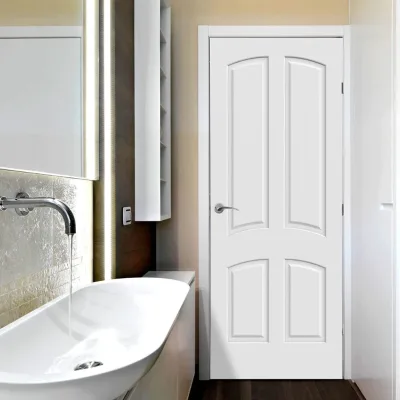
The functional attributes of a white primed shaker door extend beyond its aesthetic appeal. These doors are designed for interior applications, making them suitable for bedrooms, sitting rooms, entryways, and bathrooms. The "shaker" style is inherently versatile, fitting well within modern design schemes that prioritize clean lines and minimal ornamentation. The surface finishing process is a key differentiator; while some products are supplied as "finished" with a factory-applied coating, others may be delivered as "unfinished," requiring the buyer to manage the priming and painting process on-site. For a "white primed" requirement, the buyer must explicitly confirm that the supplier has applied a primer coat, as the default state for many solid wood doors is raw wood.
Hardware integration is another critical technical consideration. The product specifications often list the inclusion of door locks, handles, and hinges as part of the package, but this is not universal. Buyers must verify whether the door is sold as a "knocked-down" unit, a "pre-hung" assembly, or a slab-only door. The opening direction is typically specified as inward, and the handle position is often standardized to the left, though custom configurations are available. The door's function is described as eco-friendly and lightweight, suggesting the use of sustainable materials or engineered wood products that reduce the overall carbon footprint while maintaining a durable structure. Additionally, some variants may include special functions such as security features or detector compatibility, which are relevant for specific commercial or high-security residential applications.
Compliance, Certification, and Quality Standards
In the realm of B2B procurement, verifying compliance and certification is non-negotiable. The primary certification observed in the supply chain for these interior doors is ISO9001, which indicates that the manufacturer adheres to a recognized quality management system. This certification ensures that the production process is consistent and that the supplier has established protocols for maintaining product quality. While other certifications like FSC (Forest Stewardship Council) are often associated with sustainable wood sourcing, their presence in the specific product listings is not guaranteed and should be treated as a variable to be confirmed during supplier negotiations.
Standards regarding the physical dimensions and construction are equally important. The industry standard for door dimensions often follows a specific format, such as WxH: 24/26/28/30/32/36" x 80". Some suppliers may adhere to metric standards or offer custom sizing, but the buyer must ensure that the ordered dimensions align with the building's rough openings. The standard thickness of 1-3/8 inches is common for interior doors, but variations exist. For products claiming to meet specific performance standards, buyers should request documentation that validates these claims against recognized industry benchmarks. The absence of glass in the standard shaker design simplifies the manufacturing process but requires the buyer to confirm that the door is indeed "without glass" if that is a specific requirement for the project.
Cost Drivers and Pricing Dynamics
The pricing of white primed shaker interior doors is influenced by a complex interplay of factors, including material costs, labor, and logistics. The observed price range in the market spans from approximately $18 to $200 per unit, a significant variance that reflects differences in material quality, finish, and order volume. The primary cost driver is the door core; solid wood cores are generally more expensive than MDF or honeycomb cores due to the raw material cost and the complexity of the manufacturing process. The surface finishing also plays a role; a factory-applied primer and paint finish adds value and cost compared to an unfinished door that requires on-site treatment.
Minimum Order Quantity (MOQ) is another critical factor affecting the total cost of procurement. The observed MOQ range varies from 1 to 200 units, allowing flexibility for both small-scale renovations and large-scale commercial projects. Suppliers with lower MOQs may charge a premium per unit, while bulk orders often benefit from economies of scale. The packaging method, whether by sea, air, or on pallets, also impacts the final landed cost. For international shipments, the choice between sea and air freight can significantly alter the delivery timeline and associated expenses. Buyers should request a detailed breakdown of costs, including the unit price, packaging fees, and shipping estimates, to ensure accurate budgeting.
Supplier Evaluation and Geographic Considerations
When evaluating potential suppliers, geographic origin is a key consideration. The majority of these interior doors are manufactured in China, with specific production hubs noted in regions like Zhejiang. This concentration of manufacturing in China offers competitive pricing and a wide variety of design options. However, buyers must conduct thorough due diligence to ensure that the supplier's location aligns with their logistical requirements. The lead time for delivery is typically within 30 days, but this can vary based on the complexity of the order and the current production capacity of the supplier.
Supplier evaluation should also focus on the customization capabilities. The market data indicates that customization is available for these doors, allowing buyers to specify unique dimensions, colors, or hardware configurations. This flexibility is particularly valuable for projects with non-standard architectural requirements. Buyers should verify the supplier's ability to handle custom orders without compromising on quality or delivery timelines. Additionally, the supplier's experience with specific product models, such as DC-MDWE-001 or SD-05, can be an indicator of their expertise and reliability. It is advisable to request samples or visit the manufacturing facility to assess the production quality firsthand.
Quality Control and Long-Term Procurement Strategy
Quality control is paramount when sourcing interior doors, as defects in the finish or structure can lead to significant issues during installation and long-term use. Buyers should implement a rigorous quality control protocol that includes pre-shipment inspections. Key areas of inspection should include the surface finish for uniformity, the structural integrity of the core, and the accuracy of the dimensions. The "white primed" finish must be checked for consistency in color and coverage, ensuring that there are no runs, sags, or missed spots. The hardware, if included, should be tested for smooth operation and durability.
Long-term procurement considerations involve building a sustainable relationship with the supplier. This includes establishing clear communication channels, defining quality expectations, and agreeing on a consistent supply schedule. The packaging method, such as "pallets" or "carton and pallet," should be designed to protect the doors during transit, minimizing the risk of damage. For large projects, buyers may consider a "knocked-down" or "pre-hung" option to streamline the installation process. The eco-friendly nature of the doors, as highlighted in the product attributes, should be leveraged as a selling point for projects with sustainability goals. By focusing on these long-term strategies, buyers can ensure a steady supply of high-quality white primed shaker interior doors that meet their specific project requirements.
Comparative Analysis of Door Types
To assist buyers in making informed decisions, the following table compares the key attributes of the different door types observed in the market. This comparison highlights the differences in material, core, and application, helping buyers select the most suitable option for their specific needs.
| Attribute | Solid Wood Shaker Door | Solid Wood Composite Door | Hollow Core Moulded Door |
|---|---|---|---|
| Primary Material | Solid Wood | Composite | Composite |
| Core Type | Solid Wood | Solid Wood / MDF | Honeycomb Core |
| Surface Finish | Finished / Primed | MDF / Veneer | MDF / Melamine |
| Weight | Heavy | Moderate | Lightweight |
| Durability | High | High | Moderate |
| Typical Application | Bedroom, Villa | Hotel, Apartment | Hotel, Apartment |
| Price Range | Higher | Mid-Range | Lower |
| Customization | Available | Available | Available |
This table underscores the trade-offs between cost, weight, and durability. Solid wood doors offer the highest durability and a premium feel but come at a higher cost and weight. Composite doors provide a balance of cost and performance, making them suitable for a wide range of applications. Hollow core doors are the most lightweight and cost-effective but may lack the sound insulation and structural rigidity of solid wood options. Buyers should weigh these factors against their project requirements to make the best selection.
FAQs
What materials are used for white primed shaker interior doors?
These doors are primarily constructed from solid wood or composite materials with MDF cores. Some variants feature a honeycomb core to reduce weight while maintaining structural integrity for interior applications.
Can I customize the dimensions of these interior doors?
Yes, customization is available for standard widths ranging from 24 to 36 inches and heights up to 96 inches. Suppliers often accept custom orders for specific thicknesses like 1-3/8 inches to fit unique architectural openings.
Which certifications do manufacturers typically hold for these doors?
Manufacturers commonly hold ISO9001 certification to ensure consistent quality management during production. While other certifications like FSC exist, buyers must verify their presence directly as they are not guaranteed in every listing.
How long does delivery take for custom orders?
Delivery typically occurs within 30 days for standard and custom orders. This lead time may vary based on the complexity of the customization and the current production capacity of the supplier in China.
What is the minimum order quantity for these doors?
The minimum order quantity ranges from 1 to 200 units depending on the supplier. Lower MOQs allow for small projects, while bulk orders often benefit from economies of scale and reduced per-unit costs.
Are these doors suitable for bathroom applications?
Yes, these doors are designed for interior applications including bathrooms, bedrooms, and entryways. Their durable structure and eco-friendly properties make them suitable for high-moisture environments when properly finished.
How are these doors packaged for international shipping?
Doors are typically packed on pallets or in wooden cases to ensure safety during transit. Some options include carton and pallet combinations, with shipping available via sea or air freight depending on urgency.