Source Soothing Cough Eucalyptus Leaf for Home Decoration, Garden, Festival
Compare 30 listings of Soothing Cough Eucalyptus Leaf from suppliers in China. Buyers can review specifications, prices, and customization options for interior floral decoration and health applications.
Key considerations
Products List








Comprehensive Sourcing Guide
Strategic Sourcing Guide for Soothing Cough Eucalyptus Leaf Products
Navigating the global market for botanical ingredients intended for respiratory relief requires a disciplined approach to verification and specification alignment. The core keyword "Soothing Cough Eucalyptus Leaf" suggests a demand for products that leverage the natural properties of eucalyptus for therapeutic or decorative purposes. However, the current supply landscape presents a complex array of product types, ranging from fresh floral arrangements to processed herbal extracts. A successful procurement strategy must first distinguish between fresh botanicals used for interior decoration and processed extracts intended for health applications. This guide provides a framework for evaluating suppliers, verifying technical specifications, and ensuring compliance without relying on unverified market claims.
Distinguishing Product Categories and Primary Attributes
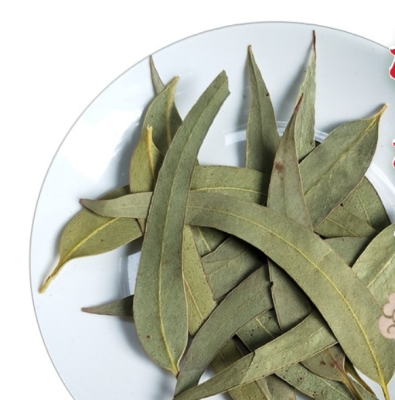
The initial step in sourcing involves clarifying the specific form of the product required. The available market data indicates a bifurcation in product offerings. One category focuses on fresh eucalyptus stems, characterized by green color and a specific style often associated with bonsai or wholesale floral arrangements. These products are typically sourced from Kunming, Yunnan, China, and are designated for uses such as home decoration, garden aesthetics, festivals, and weddings. The primary function in this context is interior floral decoration, relying on the natural properties of the plant to enhance visual appeal.
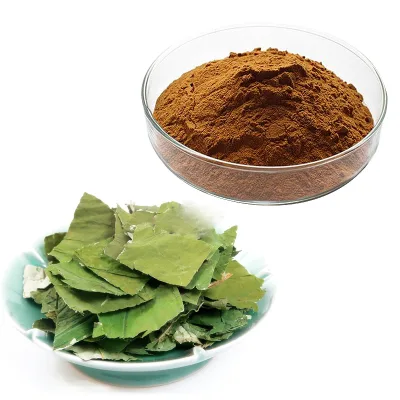
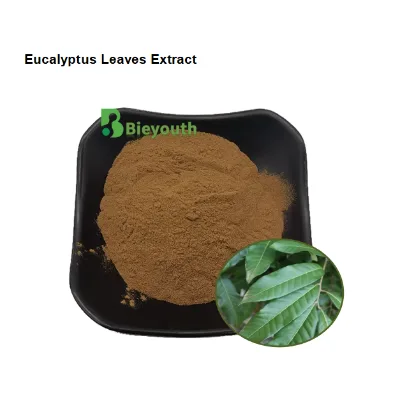
Conversely, a separate category exists for processed botanical materials, specifically identified as lotus leaf extract or crude medicine. While the core keyword emphasizes eucalyptus, the supply data reveals significant overlap in the sourcing of herbal extracts for health protection. These products are often presented in powder form, with a brown coloration, and are derived from artificial planting methods. The specifications for these processed goods include models such as 818 and 549, with packaging ranging from bottles and cans to drums and vacuum-sealed containers. Buyers must carefully verify whether the supplier offers fresh eucalyptus stems or processed extracts, as the technical requirements and end-use applications differ fundamentally. Confusing these categories can lead to procurement errors, particularly when the intended application is for health protection versus aesthetic decoration.
Technical Specifications and Physical Standards
When evaluating technical specifications, precision is paramount. For fresh eucalyptus products, the standard dimensions observed in the market include lengths of 100cm with varying widths, such as 40cm by 40cm or 40cm by 20cm. The packaging for these fresh items typically involves cartons containing 20 bunches per box, with a specific weight of 0.8kg per bunch. These physical attributes are critical for logistics planning and inventory management. The shipping method for these fresh goods is frequently by air, which aligns with the need to maintain the freshness and structural integrity of the botanicals during transit.
For processed herbal extracts, the specifications shift toward chemical and physical properties of the powder. The model numbers, such as 052, 198, and 445, serve as internal identifiers for different grades or batches. The form is consistently listed as powder, and the part used is the leaf. Buyers should verify the test methods employed by the supplier, with High-Performance Liquid Chromatography (HPLC) and UV spectroscopy being standard techniques for analyzing purity and concentration. The main ingredient is often listed as "NO" in certain contexts, which may indicate a lack of specific additives or a focus on the crude extract itself. Understanding these technical nuances ensures that the product meets the specific requirements of the end application, whether it is for a pharmaceutical formulation or a cosmetic blend.
Compliance, Certification, and Regulatory Verification
Compliance is a non-negotiable aspect of sourcing botanical ingredients, especially those marketed for health benefits. The supply data indicates that certain products carry certifications such as GMP (Good Manufacturing Practice), GAP (Good Agricultural Practice), and GSP (Good Supply Practice). These certifications are essential for verifying that the cultivation and processing methods meet international standards for safety and quality. For products originating from Kunming or Jilin, China, these certifications provide a layer of assurance regarding the cultivation methods, which are described as artificial planting in some instances.
However, buyers must exercise caution and not assume that every listed product possesses these certifications. The presence of a certification label in a product description should be treated as an observation to be verified rather than a guaranteed attribute of every item. For products intended for food or health applications, the grade is often specified as "Food Grade," but this must be confirmed through documentation. Additionally, the application of these products ranges from food to health protection, and the supplier must provide evidence that the specific batch aligns with the intended regulatory framework of the destination market. Buyers should request copies of the GMP, GAP, and GSP certificates and verify their validity with the issuing bodies before proceeding with any order.
Cost Drivers and Pricing Structures
The pricing structure for botanical products is influenced by several variables, including the form of the product, the packaging, and the logistics involved. The observed price range in the market spans from 1.6 to 68 USD, reflecting the diversity of product types from basic fresh stems to processed extracts. The Minimum Order Quantity (MOQ) varies significantly, ranging from 1 unit to 1000 units, allowing for flexibility in procurement strategies for both small-scale buyers and large distributors.
Lead times are another critical cost driver. For fresh eucalyptus products, the delivery time is often listed as within 3 days upon payment, which suggests a rapid turnaround capability for fresh goods. However, this timeline is contingent on the shipping method, which is typically air freight for fresh items to ensure quality. For processed extracts, the lead time may vary based on the production schedule and the specific model number ordered. Buyers should account for these variables when calculating the total cost of ownership, including shipping, insurance, and potential customs duties. The packaging type, whether it is a carton, bottle, can, or drum, also impacts the cost, as more complex packaging solutions generally incur higher expenses.
Supplier Evaluation and Quality Control Protocols
Evaluating suppliers requires a rigorous assessment of their capabilities and track record. The supply data highlights several key attributes, such as the ability to offer customization and the availability of OEM (Original Equipment Manufacturer) services. These capabilities are particularly relevant for buyers looking to brand products or tailor specifications to their unique needs. The origin of the products, primarily Kunming, Yunnan, and Jilin, China, provides insight into the regional expertise in cultivating and processing botanicals.
Quality control should be a central focus of the supplier evaluation process. Buyers must verify the test methods used, such as HPLC and UV, to ensure the consistency and purity of the product. For fresh eucalyptus, the freshness of the product is a critical quality metric, and the shipping method by air is a key indicator of the supplier's commitment to maintaining product integrity. For processed extracts, the grade and the part used (leaf) must be consistent with the specifications provided. Buyers should request samples for independent testing and review the supplier's quality assurance protocols to ensure they align with industry standards.
Long-Term Procurement and Application Strategy
Long-term procurement success depends on establishing a sustainable relationship with suppliers who can consistently meet quality and delivery requirements. The diverse applications of eucalyptus and related botanicals, including home decoration, garden use, festivals, weddings, and health protection, offer opportunities for diversified sourcing strategies. Buyers should consider the scalability of their orders and the flexibility of the supplier to accommodate changes in demand.
The customization options available in the market allow buyers to tailor products to specific market needs, whether it is for a unique packaging design or a specific extract concentration. However, the buyer must ensure that any customization does not compromise the quality or compliance of the product. The use of natural properties and the focus on health protection highlight the importance of maintaining the integrity of the botanical ingredients throughout the supply chain. By prioritizing verified certifications, clear technical specifications, and robust quality control measures, buyers can mitigate risks and ensure a steady supply of high-quality botanical products for their specific applications.
Comparative Analysis of Product Offerings
To facilitate decision-making, the following table summarizes the key differences between the fresh eucalyptus and processed extract categories observed in the supply data. This comparison highlights the distinct attributes, applications, and specifications that buyers must consider when selecting a product.
| Attribute | Fresh Eucalyptus (Floral) | Processed Extract (Powder) |
|---|---|---|
| Primary Form | Fresh Stems | Powder |
| Color | Green | Brown |
| Origin | Kunming, Yunnan, China | Jilin, China / Kunming |
| Packaging | Carton (20 Bunches/Box) | Bottle, Can, Drum, Vacuum Packed |
| Weight | 0.8kg/Bunch | Varies by Model |
| Standard Size | 100cm40cm40cm or 20cm | Model Specific (e.g., 818, 549) |
| Primary Usage | Home Decoration, Garden, Wedding | Health Protection, Food, Interior |
| Shipping | Air Freight | Standard/Dependent on Form |
| Certifications | GMP, GAP, GSP (Verify) | GMP, GAP, GSP (Verify) |
| Test Method | Visual/Freshness Check | HPLC, UV |
This comparison underscores the necessity of precise specification alignment. While both categories may share origins and certifications, their physical forms and end-use applications are distinct. Buyers must clearly define their requirements to avoid confusion and ensure that the sourced product meets the intended purpose, whether it is for aesthetic enhancement or health-related formulations. By adhering to these guidelines, procurement professionals can navigate the complexities of the botanical market with confidence and efficiency.
FAQs
How is the fresh eucalyptus shipped to maintain quality?
Fresh eucalyptus is shipped by air to ensure the product remains fresh and structurally intact during transit. This method is standard for botanicals sourced from Kunming to prevent wilting before delivery to buyers.
What certifications are available for these botanical products?
Some products carry GMP, GAP, and GSP certifications to verify cultivation and processing standards. Buyers must verify these certificates individually as not every listed item is guaranteed to possess them without confirmation.
Which specifications define the fresh eucalyptus stems?
Fresh stems typically measure 100cm in length with widths of 40cm by 40cm or 40cm by 20cm. They are packaged in cartons containing 20 bunches per box, each weighing 0.8kg.
Can suppliers customize packaging for bulk orders?
Customization is available for buyers seeking specific packaging or branding solutions. This allows for tailored carton or container options depending on the specific model number and order requirements.
What is the lead time for delivery after payment?
Delivery time is typically within 3 days upon payment for fresh botanical products. This rapid turnaround applies to air freight shipments originating from Kunming, Yunnan, China.
How are processed herbal extracts tested for purity?
Processed extracts are analyzed using HPLC and UV test methods to ensure purity and concentration. These techniques verify the quality of the powder form derived from the leaf part of the plant.
What is the minimum order quantity for these items?
The minimum order quantity ranges from 1 to 1000 units depending on the specific product type. Buyers can find options suitable for both small-scale trials and large distribution needs.
Where are the eucalyptus and herbal products sourced from?
Fresh eucalyptus originates from Kunming, Yunnan, China, while some herbal extracts come from Jilin, China. These locations are known for artificial planting methods and specific botanical cultivation expertise.