Source White Rectangle Electrical Extension Ring for Construction
Find 30 White Rectangle Electrical Extension Ring options from verified Chinese manufacturers. Compare models like SLK-5 and BC-A024 with varying thicknesses, IP ratings, and mounting types for construction and warehouse applications.
Key considerations
Products List


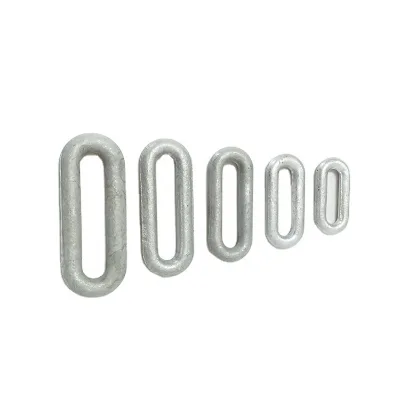
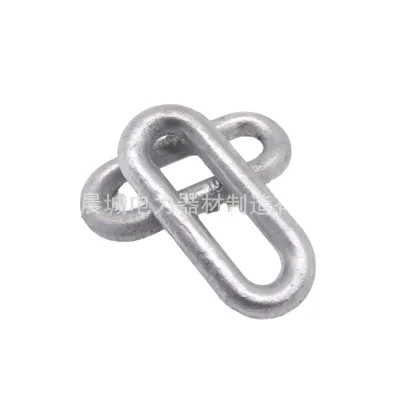
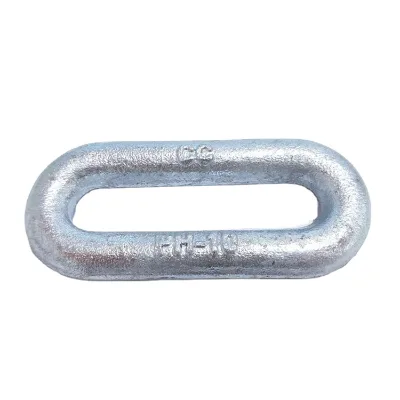
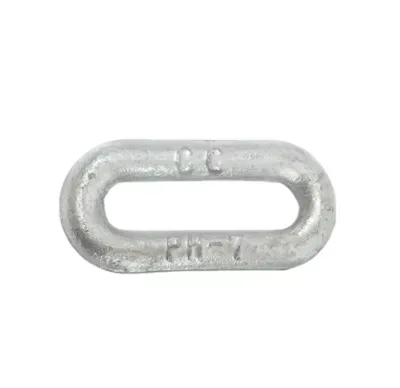
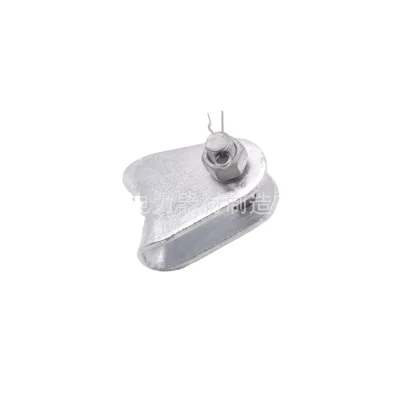
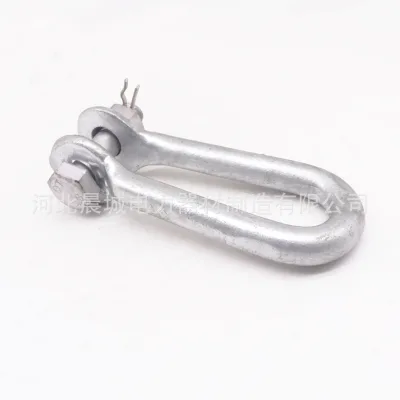


Grey Junction Box Fitting Extension Ring PVC Electrical Conduit Fitting
$0.10 - $0.15
MOQ: 10000 Pieces


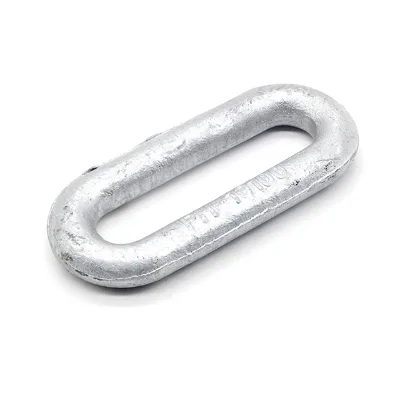

$10000.00 - $40000.00
MOQ: 1 Sets


Comprehensive Sourcing Guide
Strategic Sourcing Guide for White Rectangle Electrical Extension Rings
The global construction and electrical infrastructure sectors rely heavily on standardized components to ensure safety, durability, and aesthetic consistency. Among these, the White Rectangle Electrical Extension Ring serves as a critical interface for mounting electrical devices within walls or on surfaces. Sourcing these components requires a disciplined approach that balances technical specifications with regulatory compliance. Buyers must navigate a complex landscape of material properties, dimensional standards, and manufacturing processes to secure a supply chain that meets rigorous project requirements. This guide outlines the essential factors for evaluating and procuring these specific electrical accessories, ensuring that the final selection aligns with both immediate project needs and long-term operational stability.
Technical Specifications and Dimensional Standards
The primary differentiator for electrical extension rings lies in their precise dimensional compatibility and material construction. When sourcing a White Rectangle Electrical Extension Ring, the buyer must first verify the exact standard dimensions required for the specific electrical box or junction point. The market offers various configurations, ranging from standard square profiles to rectangular variants designed for specific mounting depths. For instance, specific product models in the current supply chain adhere to standards such as 4x4x1-1/2 inches or 3 3/4 inches by 2 1/4 inches. These measurements are not merely aesthetic; they dictate the physical fit within the wall cavity and the ability to accommodate the depth of the electrical device being mounted.
Thickness is another critical technical parameter that influences the structural integrity of the ring. Available specifications indicate a thickness range of 0.8mm to 1.6mm. A thinner gauge, such as 0.8mm, may be suitable for lightweight applications or temporary setups, whereas a 1.6mm thickness provides enhanced rigidity and resistance to deformation during the installation of heavy fixtures. The construction type is also a vital observation; drawn construction methods are often employed to create seamless, robust rings that resist cracking under stress. Furthermore, the knockout (K.O.) size is essential for cable entry. Buyers should verify if the rings feature standard knockout sizes like 20mm, 25mm, or specific imperial measurements such as 3/4 inch and 1/2 inch. The presence of multiple knockout options allows for flexible wiring configurations, accommodating different conduit sizes and cable management needs.
Material Composition and Surface Finishing
While the core keyword specifies a "white" color, the underlying material and finishing process determine the product's longevity and suitability for various environments. The observed product attributes indicate that these rings are typically made from plastic, which offers excellent electrical insulation properties and resistance to corrosion. However, for applications requiring higher durability or specific aesthetic matches, galvanized steel options are also prevalent in the market. The finishing process for metal variants often involves hot galvanized coils or standard galvanization to prevent rust and extend the lifespan of the component, particularly in humid or outdoor environments.
The color specification of "white" is a standard aesthetic requirement for many interior construction projects, ensuring the ring blends seamlessly with drywall and paint. However, buyers must be aware that some suppliers may offer silver or other finishes alongside the white options. When sourcing, it is crucial to confirm that the "white" attribute refers to the final product appearance and not just the raw material. Additionally, the packing method, often listed as carton boxes or individual cartons, plays a role in protecting the finish during transit. Ensuring that the packaging is robust prevents scratches or color degradation before the product reaches the installation site.
Compliance, Certification, and Regulatory Standards
Navigating the regulatory landscape is a non-negotiable aspect of B2B procurement for electrical components. The safety and performance of electrical extension rings are governed by various international and local standards. High-confidence data from the supply chain indicates that compliant products often carry certifications such as ISO and CE. These certifications are not merely marketing labels; they signify that the manufacturer has undergone rigorous testing to ensure the product meets specific quality and safety benchmarks.
For buyers operating in regions with strict electrical codes, verifying adherence to standards like BS4662 is essential. This standard often dictates the mechanical strength and fire resistance requirements for electrical enclosures and accessories. Furthermore, the IP (Ingress Protection) rating is a critical metric for environmental resistance. While some products in the market are rated IP54, suitable for dust and water spray protection, others may achieve an IP67 rating, indicating complete dust tightness and protection against temporary immersion. Buyers must match the IP rating to the specific application environment; for instance, a warehouse or workshop might require IP54, while a more exposed area might demand IP67. It is imperative to request documentation proving these certifications rather than relying on verbal assurances, as non-compliant products can lead to project delays, safety hazards, and legal liabilities.
Cost Drivers and Economic Considerations
The pricing structure for electrical extension rings is influenced by a complex interplay of factors, including material costs, manufacturing complexity, and order volume. The observed price range in the market spans from $0.02 to $40,000, a wide spectrum that reflects the diversity of product types, from single units to bulk industrial orders. The Minimum Order Quantity (MOQ) also varies significantly, ranging from 1 unit to 10,000 units. This variability allows buyers to tailor their procurement strategy based on project scale and budget constraints.
Several key drivers affect the final cost. First, the customization level is a major factor. Products with standard dimensions and colors are generally more economical, whereas custom shapes, specific thicknesses, or unique branding can increase the unit price. Second, the finishing process impacts cost; hot-dip galvanization or specialized coatings are more expensive than standard painting or raw material finishes. Third, the origin of the product plays a role; products originating from manufacturing hubs like Zhejiang, China, often benefit from economies of scale, but buyers must factor in logistics and lead times. Finally, the thickness and material quality directly correlate with cost; a 1.6mm galvanized ring will command a higher price than a 0.8mm plastic alternative. Understanding these drivers enables buyers to negotiate effectively and optimize their procurement budget without compromising on essential quality attributes.
Typical Applications and Usage Scenarios
The versatility of the White Rectangle Electrical Extension Ring makes it suitable for a wide array of applications across different sectors. The primary usage is in construction, where these rings are essential for finishing electrical installations in residential, commercial, and industrial buildings. They serve to protect electrical wires and cables, ensuring that connections are secure and that the mounting surface is aesthetically pleasing. The specific application of "all socket and wire fixed" highlights their role in securing both the device and the cabling within the wall structure.
Beyond standard residential use, these components are frequently utilized in temporary structures such as warehouses, temporary offices, and workshops. In these environments, the durability and ease of installation are paramount. The ability to mount the ring either in-wall or on the surface provides flexibility for retrofits or new constructions where wall access is limited. The "deepth" or depth of the ring, often specified as 1-7/8 inches or 4x4x1-1/2 inches, ensures compatibility with various box depths, making them adaptable to different wall thicknesses and insulation requirements. Buyers should consider the specific environment where the product will be installed; for example, a workshop with high dust levels may require a higher IP rating, while a temporary office might prioritize ease of installation and cost-effectiveness.
Supplier Evaluation and Quality Control Protocols
Selecting the right supplier is as critical as selecting the right product. A robust supplier evaluation process should begin with a thorough review of the supplier's certifications and adherence to standards. Buyers should verify that the supplier holds valid ISO and CE certifications and can provide evidence of compliance with relevant standards like BS4662. The supplier's location, such as Zhejiang, China, may offer logistical advantages, but it also necessitates a clear understanding of their production capacity and lead times.
Quality control measures must be integrated into the procurement process. Buyers should request samples to verify the physical attributes, including the color accuracy, thickness, and finish quality. Inspecting the product for defects such as uneven galvanization, sharp edges, or incorrect knockout sizes is essential. Additionally, verifying the packaging method ensures that the products arrive in pristine condition. The supplier's ability to offer customization is also a key indicator of their flexibility and responsiveness to specific project needs. A supplier that can accommodate custom orders while maintaining strict quality standards is preferable to one that only offers standard stock items. Finally, establishing a clear communication channel for addressing any quality issues post-delivery is vital for maintaining a successful long-term partnership.
Long-Term Procurement and Supply Chain Resilience
Sourcing electrical extension rings is not a one-time transaction but part of a long-term supply chain strategy. Buyers should consider the scalability of their supplier relationship to accommodate future project needs. The ability of the supplier to handle varying order volumes, from small batches to large-scale industrial orders, is crucial for maintaining project timelines. Furthermore, the stability of the supply chain is influenced by the supplier's ability to source raw materials consistently and manage production lead times effectively.
Long-term procurement also involves monitoring market trends and technological advancements. As construction standards evolve, the demand for higher IP ratings or more sustainable materials may increase. Buyers should stay informed about these changes and ensure their suppliers are capable of adapting to new requirements. Establishing a relationship with a supplier that values continuous improvement and customer satisfaction can provide a competitive advantage. By focusing on quality, compliance, and reliability, buyers can mitigate risks and ensure a steady supply of high-quality white rectangle electrical extension rings for their projects.
FAQs
What certifications do white rectangle electrical extension rings typically have?
Products typically hold ISO and CE certifications to ensure safety and quality compliance. Some models also adhere to specific standards like BS4662, which governs mechanical strength and fire resistance requirements for electrical enclosures.
Which thickness options are available for these electrical extension rings?
Available thickness ranges from 0.8mm to 1.6mm depending on the specific model and material. Thinner gauges suit lightweight applications, while 1.6mm thickness provides enhanced rigidity for heavy fixtures and demanding construction environments.
Can I find custom white rectangle electrical extension rings for specific projects?
Yes, customization is available to meet unique project requirements regarding dimensions or finishes. Buyers can request specific modifications while maintaining standard attributes like the white color or galvanized finish for durability.
What are the standard knockout sizes for these electrical rings?
Standard knockout sizes include 20mm, 25mm, 3/4 inch, and 1/2 inch to accommodate various conduit needs. These options allow for flexible wiring configurations and ensure compatibility with different cable management systems.
Where are white rectangle electrical extension rings typically manufactured?
These products are primarily manufactured in China, with specific origins noted in Zhejiang. This location offers economies of scale, though buyers must consider logistics and lead times when sourcing from this region.
What IP ratings are available for these electrical extension rings?
Available IP ratings include IP54 for dust and water spray protection and IP67 for complete dust tightness. The selection depends on the application environment, such as warehouses requiring IP54 or exposed areas needing IP67.