Source Whole Crispy Potato Flakes for snacks, soups, and baking
Find 30 listings for Whole Crispy Potato Flakes with varying sizes, moisture levels, and origins. Buyers can compare specifications like reducing sugar content, packaging options, and certifications to select suitable suppliers for food production needs.
Key considerations
Products List


Fresh and Wholesome Dehydrated Potato Flakes for International Markets
$1300.00 - $1600.00
MOQ: 10 Tons

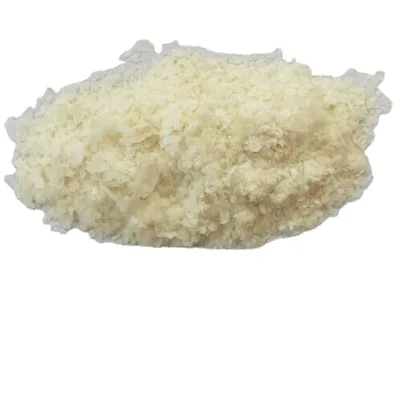


$450000.00 - $470000.00
MOQ: 1 Sets


Comprehensive Sourcing Guide
Strategic Sourcing Guide for Whole Crispy Potato Flakes
Understanding Product Variants and Technical Specifications
The procurement of Whole Crispy Potato Flakes requires a nuanced understanding of the diverse product definitions found in the global market. While the core keyword suggests a specific texture and form, the actual supply chain offers a spectrum of variations ranging from dehydrated flakes to specific cut styles like strips or pieces. Buyers must first distinguish between products defined by their physical geometry and those defined by their chemical composition. In the current market, observed specifications include products labeled as "Dehydrated," "Flake," or "Pieces," with size specifications varying significantly. For instance, some listings define the product size as 3-5mm, while others specify a range of 3x3mm to 10x10mm or even 10*10mm depending on sample requirements.
The physical appearance is another critical differentiator. While the target product is often associated with a white or light color, market observations indicate that "Brown Or Yellow" variants exist, particularly for products classified as "Potato Strips" or specific industrial grades. The shape of the product is equally important; while some are described as "Obround," others are strictly "Flake" or "Pieces." The moisture content is a vital technical parameter that dictates shelf life and rehydration properties. Observed data points to moisture levels as low as 6% Max or 8%, which are critical for maintaining the "crispy" attribute during storage and transport. Buyers should verify that the specific supplier's batch meets the desired moisture threshold, as deviations can lead to sogginess or microbial growth.
Furthermore, the classification of the product extends beyond food applications. Some listings identify the material as "Natural Potato" with no additives, suitable for food use, while others classify similar raw materials under "Potassium Hydroxide" or "Industrial Alkali" with a grade standard of "Industrial Grade." This distinction is paramount; a buyer seeking food-grade crispy flakes must rigorously exclude products intended for industrial alkali usage. The ingredient list should explicitly state "Natural Potato" with "No" additives to ensure purity. The reducing sugar content is another technical specification that influences the final color and taste after frying or baking. Market data shows reducing sugar levels reported as "<1" or "<3," which are critical for preventing excessive browning during the crisping process.
Compliance, Certification, and Regulatory Standards
Navigating the compliance landscape for potato flakes involves verifying that suppliers adhere to recognized international standards. The presence of certifications such as HACCP and ISO 9001:2000 indicates a supplier's commitment to quality management and food safety protocols. These certifications are not merely marketing terms but essential verification points for buyers entering global supply chains. When evaluating a potential supplier, procurement teams must request current certificates to ensure they are valid and cover the specific production facilities. The absence of such documentation should be treated as a significant risk factor, particularly for products intended for export to strict markets.
In addition to general quality certifications, buyers must verify adherence to specific grade standards. The market contains products labeled as "Top Grade" and "Superior Grade," which imply a higher level of quality control compared to standard industrial grades. For food applications, the product must meet "Food Grade" standards, distinct from "Industrial Grade" classifications. The standard packaging weight, often cited as 25kg per bag, is a common industry norm, but buyers must confirm if this aligns with their logistical requirements. Some suppliers offer customization in packing, such as "3 Layer Paper Bag with Inner Plastic Bag" or "Carton" packaging, which can impact the product's protection against moisture and physical damage during transit.
Regulatory compliance also extends to the origin of the raw materials. The supply chain for potato flakes is heavily influenced by the geographic location of the farms. Observed data indicates origins in Heilongjiang Province, Shaanxi, Inner Mongolia Province, and generally China. These regions are known for specific potato varieties, including "Medium Maturing Variety." Buyers should ensure that the stated place of origin matches the variety they require, as soil composition and climate affect the starch content and flavor profile. Furthermore, the product's intended usage must align with regulatory definitions; for example, products marked for "Food Additives or Cooking" must not be confused with those intended for "Industrial Alkali" use.
Cost Drivers and Pricing Dynamics
The pricing structure for Whole Crispy Potato Flakes is influenced by a complex interplay of factors, including raw material costs, processing complexity, and logistics. The observed price range in the market is extremely wide, spanning from $0.3 to $670,000 USD. This vast disparity suggests that the keyword "Whole Crispy Potato Flakes" covers both commodity-grade bulk ingredients and highly specialized, processed, or branded products. Buyers must be cautious not to equate low unit prices with high quality, nor assume that high prices guarantee superior specifications. The cost is heavily dependent on the specific model or type, such as "sweet potato" variants versus standard white potato flakes, and the level of customization required.
Volume is a primary driver of cost efficiency. The Minimum Order Quantity (MOQ) varies significantly, with observed ranges from 1 unit up to 1450 units, and specific listings citing an MOQ of 500kg. For buyers seeking competitive pricing, meeting the MOQ is essential, as smaller orders often incur premium handling fees. The packaging standard, whether 25kg/bag or custom cartons, also affects the final cost per kilogram. Suppliers offering "Sample Offer Freely Within 500g" can help buyers validate the product before committing to a large order, reducing the financial risk of trial batches.
Logistics and transport methods further influence the total landed cost. The market indicates "Sea" transport as a standard method, which is cost-effective for large volumes but requires careful planning regarding lead times. The "Export Markets: Global" status of suppliers suggests they are experienced in handling international shipping, but buyers must verify if the quoted price includes freight, insurance, and customs duties. Additionally, the "Tasty: Sweet" attribute and the "Medium Maturing Variety" may command a premium over standard varieties due to perceived flavor quality. Buyers should request detailed breakdowns of costs to understand the proportion of raw material, processing, and logistics fees.
Typical Applications and Usage Scenarios
The versatility of Whole Crispy Potato Flakes makes them suitable for a wide array of applications, ranging from direct food consumption to industrial uses. In the food industry, these flakes are primarily utilized as ingredients for snacks, soups, and seasonings. The "Tasty: Sweet" profile and "Natural Potato" composition make them ideal for creating crispy snacks that require a specific flavor profile. The "Pieces" and "Flake" forms are particularly useful in formulations where texture is a key selling point, such as in potato chips, instant mashed potatoes, or as a coating for fried foods. The "Dehydrated" nature of the product ensures a long shelf life, making it a preferred choice for manufacturers looking to extend the shelf life of their final products.
Beyond direct food applications, the market also shows instances where potato-derived materials are used in industrial contexts. Some listings classify similar products under "Industrial Alkali" or "Potassium Hydroxide," indicating that the raw potato material or its derivatives can be processed for non-food uses. However, for buyers specifically seeking "Whole Crispy Potato Flakes," the primary application remains within the food sector, specifically for "Food Additives or Cooking." The "Obround" shape and specific size ranges like 3-5mm or 10*10mm are tailored for specific manufacturing processes, such as extrusion or mixing in dry blends.
The storage requirements are also a critical consideration for application planning. The product must be stored in a "Dried Place" to maintain its crispiness and prevent moisture absorption. This requirement influences the logistics chain, as buyers must ensure that their storage facilities meet these conditions. The "No" additives specification is particularly relevant for clean-label products, where consumers demand minimal processing. The "Sweet" taste and "White" or "Brown Or Yellow" colors allow for product differentiation in the market, catering to various consumer preferences.
Supplier Evaluation and Selection Criteria
Selecting the right supplier for Whole Crispy Potato Flakes requires a rigorous evaluation process that goes beyond price comparison. Buyers should prioritize suppliers who demonstrate transparency in their production processes and provide clear documentation of their capabilities. The "Place of Origin" is a key indicator of supplier reliability; regions like Heilongjiang Province, Shaanxi, and Inner Mongolia Province are established potato-growing areas, suggesting a stable supply of raw materials. However, buyers must verify that the supplier's claimed origin matches the actual production site to avoid misrepresentation.
Quality assurance is another critical factor. Suppliers offering "Top Grade" or "Superior Grade" products should be able to provide test results and quality control records. The presence of certifications like HACCP and ISO 9001:2000 is a strong positive signal, but buyers should verify the scope of these certifications to ensure they cover the specific product line. The "Sample Offer Freely Within 500g" policy is an excellent tool for evaluation, allowing buyers to assess the product's texture, color, and taste before placing a large order.
Customization capabilities are also important for buyers with specific requirements. The market shows that "Customization: Available" is a common feature, allowing suppliers to adjust size, packaging, and other specifications. Buyers should assess the supplier's flexibility in meeting these custom requests, as this can be a significant differentiator in the long term. The "Brand" name, such as "Luckyfoods," may also indicate a level of market presence and reputation, but buyers should not rely solely on brand recognition without verifying the underlying quality.
Quality Control and Long-Term Procurement Considerations
Implementing a robust quality control (QC) strategy is essential for maintaining the integrity of Whole Crispy Potato Flakes throughout the supply chain. Buyers should establish clear acceptance criteria based on the technical specifications observed in the market, such as moisture content (6% Max or 8%), reducing sugar levels (<1 or <3), and physical dimensions (3-5mm, 3x3mm, 10x10mm). Regular sampling and testing should be conducted to ensure that the product consistently meets these standards. The "Appearance: Flake" and "Shape: Obround" attributes should be visually inspected to detect any anomalies or deviations from the agreed specifications.
Long-term procurement considerations involve building a sustainable relationship with suppliers that can adapt to changing market demands. The "Export Markets: Global" status of suppliers suggests they have the capacity to handle large and fluctuating order volumes. However, buyers should also consider the potential risks associated with supply chain disruptions, such as weather events affecting the "Medium Maturing Variety" crops in regions like Heilongjiang or Inner Mongolia. Diversifying the supplier base and maintaining safety stock can mitigate these risks.
The packaging standard, whether "25kg/Bag" or "Carton," plays a crucial role in preserving product quality during transit. Buyers should ensure that the packaging is robust enough to prevent damage and moisture ingress, especially for products with low moisture content. The "3 Layer Paper Bag with Inner Plastic Bag" specification is a good example of protective packaging that should be considered for high-value orders. Finally, buyers should maintain open communication with suppliers regarding any changes in regulations or market trends that could impact the product specifications or compliance requirements.
FAQs
What is the typical moisture content for Whole Crispy Potato Flakes?
The moisture content is typically 6% Max or 8% depending on the specific batch. Buyers must verify the exact threshold to ensure the product remains crispy and prevents microbial growth during storage.
Which certifications should suppliers of Whole Crispy Potato Flakes hold?
Suppliers should hold HACCP and ISO 9001:2000 certifications to ensure food safety and quality management. These documents are essential for verifying compliance in global supply chains and reducing procurement risks.
Can buyers request customization for the size of Whole Crispy Potato Flakes?
Yes, customization is available for size specifications such as 3-5mm or 10*10mm. Buyers should confirm if the supplier can adjust dimensions based on sample requirements before placing a large order.
How is the packaging structured for Whole Crispy Potato Flakes?
Packaging often uses 25kg bags with inner plastic layers or cartons for protection. Some options include a 3-layer paper bag with an inner plastic bag to prevent moisture absorption during transit.
What is the minimum order quantity for Whole Crispy Potato Flakes?
The minimum order quantity can range from 1 unit up to 1450 units, with some listings requiring 500kg. Meeting these thresholds is crucial for securing competitive pricing and avoiding premium handling fees.
Where are the primary origins for Whole Crispy Potato Flakes?
Primary origins include Heilongjiang Province, Shaanxi, and Inner Mongolia Province in China. Buyers should verify that the stated origin matches the required potato variety for consistent flavor and starch content.