Source Whole Fresh Winter Jujube for Snacks, Gifts, and Retail
Compare 21 listings for Whole Fresh Winter Jujube sourced from China. Evaluate attributes like organic cultivation, Grade 1 quality, and packaging options to find suitable suppliers for your business needs.
Key considerations
Products List


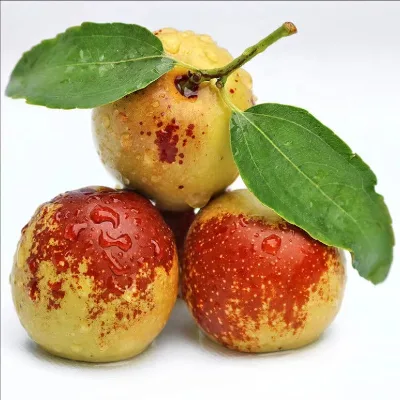


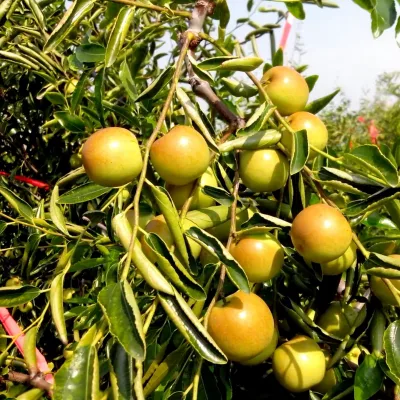


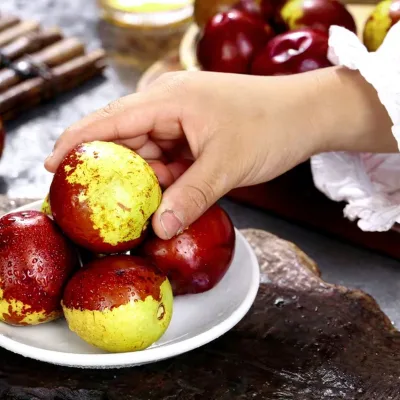
Comprehensive Sourcing Guide
Whole Fresh Winter Jujube Sourcing Guide
Sourcing Whole Fresh Winter Jujube requires a nuanced understanding of seasonal availability, regional origin, and specific quality grading that distinguishes premium fruit from standard commercial stock. Buyers must navigate a market where attributes such as "organic" cultivation, "grade 1" quality, and specific maturity levels significantly impact both price and shelf life. The following guide provides evidence-based procurement strategies for sourcing this product, focusing on verified attributes and practical verification steps to ensure supply chain reliability.
Product Scope and Observed Listing Signals
The observed market signals indicate a diverse range of product presentations, from fresh whole fruits to dried variants, with origins primarily in Shanxi and Shaanxi provinces in China. Listings frequently highlight attributes such as "100% fresh," "natural sweet" taste, and "red skin" color, which are critical for buyers seeking premium fresh winter jujube. The presence of "organic" cultivation types and "grade 1" quality designations suggests a tiered market where buyers can select based on specific quality requirements, though these claims require independent verification rather than acceptance at face value.
Commercial signals also reveal variations in packaging and logistics, with common packaging formats including 10kg cartons, 5kg cartons, and specialized foam or gift boxes for higher-end segments. Observed minimum order quantities (MOQs) range widely, with some listings indicating an MOQ of 500 kg, while others suggest lower thresholds, reflecting the flexibility of suppliers to accommodate different buyer scales. Delivery times are typically cited as 10-15 days, and supply abilities can reach up to 5000 tons per year, indicating that large-scale buyers have access to substantial volumes, provided they meet the specified MOQs.
Technical Specifications to Verify
Buyers must verify the physical specifications of the fruit, particularly size and weight, as these directly impact packaging efficiency and retail presentation. Observed data includes a single package size of 35x25x15 cm and a single gross weight of 5.000 kg for certain carton configurations, while other listings mention standard sizes such as 22-28g or 30g per fruit. It is essential to confirm whether the "7 cm" size reference applies to the fruit diameter or packaging dimensions, as this distinction affects storage planning and shelf space allocation in downstream distribution channels.
Maturity and freshness indicators are critical technical parameters that influence product longevity and consumer satisfaction. Listings often cite a maturity level of 95% and a "100% fresh" status, which should be validated through pre-shipment inspections or third-party testing. Additionally, the "cool" warmth attribute suggests specific storage requirements to maintain quality, and buyers should ensure that their cold chain logistics align with these recommendations to prevent premature spoilage or texture degradation during transit.
Compliance and Safety Documentation
While specific certification statuses are not explicitly confirmed in the observed data, buyers should request documentation for organic certification, particularly given the "organic" cultivation type mentioned in several listings. Verification of organic status typically involves reviewing certificates from accredited bodies, ensuring that the supply chain adheres to recognized organic farming standards. Buyers must also confirm compliance with food safety regulations in their destination markets, which may require additional testing for pesticides, heavy metals, or microbial contamination.
Quality assurance documentation should include inspection reports that verify the "grade 1" or "A" grade claims, as well as purity assertions such as "100% pure" content. These documents help mitigate the risk of receiving substandard products and provide a basis for dispute resolution if the delivered goods do not match the agreed specifications. Buyers should also inquire about traceability systems that allow them to track the product from the orchard in Shanxi or Shaanxi to the final destination, enhancing transparency and accountability in the supply chain.
Cost Drivers and Commercial Terms
The cost of Whole Fresh Winter Jujube is influenced by several factors, including cultivation type, quality grade, and packaging requirements. Organic cultivation and grade 1 quality typically command higher prices due to the increased labor and management costs associated with these standards. Packaging choices, such as foam boxes or gift boxes for premium segments, also add to the overall cost, while standard 10kg cartons may offer more economical options for bulk buyers. Buyers should request detailed quotations that break down these cost components to understand the value proposition of each supplier.
Commercial terms, including MOQs and delivery times, play a significant role in total procurement costs. The observed MOQ of 500 kg for some suppliers may limit flexibility for smaller buyers, while others with lower MOQs might charge a premium for smaller volumes. Delivery times of 10-15 days suggest a relatively quick turnaround, but buyers should confirm whether these timelines include production, packaging, and shipping, or if they refer only to one segment of the process. Understanding these terms helps in planning inventory levels and managing cash flow effectively.
Supplier Qualification and Quality Control
Supplier qualification should begin with a thorough review of their production capabilities and quality control systems. Buyers should verify the supplier's ability to meet the observed supply ability of 5000 tons per year, ensuring that they have the infrastructure to handle large orders without compromising quality. Additionally, checking the supplier's history and reputation in the market can provide insights into their reliability and consistency in delivering products that meet the specified "grade 1" or "A" grade standards.
Quality control measures should include pre-shipment inspections that verify key attributes such as size, weight, color, and freshness. Buyers should consider hiring third-party inspection agencies to conduct these checks, ensuring that the products meet the agreed specifications before they are shipped. Regular communication with suppliers regarding quality feedback and continuous improvement initiatives can also help maintain high standards and address any issues promptly, fostering a long-term partnership based on trust and mutual benefit.
Long-Term Procurement Checks
Long-term procurement success depends on establishing robust monitoring mechanisms to track supplier performance and product quality over time. Buyers should implement a system for regular audits and inspections, focusing on key performance indicators such as on-time delivery, product consistency, and compliance with safety standards. This proactive approach helps identify potential issues early, allowing for corrective actions to be taken before they impact the supply chain or end consumers.
Building a diversified supplier base can also mitigate risks associated with reliance on a single source. By engaging with multiple suppliers in different regions, such as Shanxi and Shaanxi, buyers can ensure continuity of supply in case of disruptions due to weather, political, or logistical factors. Regularly reviewing and updating supplier contracts to reflect changing market conditions and quality requirements ensures that the procurement strategy remains aligned with business objectives and customer expectations.
FAQs
What is the shelf life of Whole Fresh Winter Jujube?
The shelf life is 24 months when stored properly. This duration applies to dried varieties processed via freeze-drying techniques. Fresh winter jujubes require cool storage conditions to maintain their 100% fresh quality and natural sweetness. Buyers should verify specific storage requirements with the supplier to ensure the product remains Grade 1 quality throughout the intended storage period.
Can Whole Fresh Winter Jujube be customized for packaging?
Yes, customization is available for packaging requirements. Standard options include 10kg cartons or 5kg cartons, with single gross weights around 5.000 kg. Some suppliers offer foam boxes or gift boxes for premium presentations. Buyers can request specific carton dimensions, such as 35X25X15 cm or 30X20X20 cm, to fit their logistics needs effectively.
What is the typical MOQ for Whole Fresh Winter Jujube?
The minimum order quantity is typically 500 kg. However, observed ranges vary from 1 to 1830 units depending on the supplier and product form. Buyers should confirm the exact MOQ with the vendor, as some may accept smaller trial orders while others require larger bulk commitments to secure the best pricing and production slots.
Where are Whole Fresh Winter Jujube products sourced from?
Products are primarily sourced from Shanxi and Shaanxi provinces in China. These regions are known for producing high-quality Chinese dates with natural sweet tastes. The port of dispatch is often Qingdao Port, facilitating efficient export logistics. Buyers can expect Grade 1 quality with 95% maturity levels from these established growing regions.
What specifications are available for Whole Fresh Winter Jujube?
Specifications include sizes like 7 cm diameter and weights such as 0.15 kg per piece. Standard weight classifications range from 22-28g to 30g per piece. Styles are available as whole fruits with red skin. Buyers can select from S/M/L size standards or specific model numbers like JU or PJ10030 to match their precise product requirements.
How long is the delivery time for Whole Fresh Winter Jujube?
The delivery time is typically 10-15 days after order confirmation. This timeline allows for processing, packaging, and dispatch from the origin. Supply ability can reach up to 5000 tons per year, ensuring consistent availability. Buyers should account for this lead time when planning inventory, especially for seasonal demand peaks in the global market.