Source Eco-Friendly Woven Rattan Cane Webbing for Furniture
Compare 30 listings for Eco-Friendly Woven Rattan Cane Webbing suitable for outdoor furniture, handicrafts, and weaving projects. Buyers can evaluate materials, specifications, and supplier details to find the right raw material for their needs; compare the available evidence and request quotations based on your requirements.
Key considerations
Products List


Simulated Emulated Plastic Weaving Rattan Mat Material Bamboo Mat Rattan Cane Webbing
$9.20 - $9.50
MOQ: 500 Square Meters

Class a Fire Resistant Plastic Basketweave Rattan Weaving Cane Rattan Sheet Webbing Roll
$9.50 - $9.60
MOQ: 500 Square Meters

Fire Retardant Plastic Rattan Cane Webbing Sheet Material Woven Rattan in Sheet
$9.60 - $9.90
MOQ: 200 Square Meters
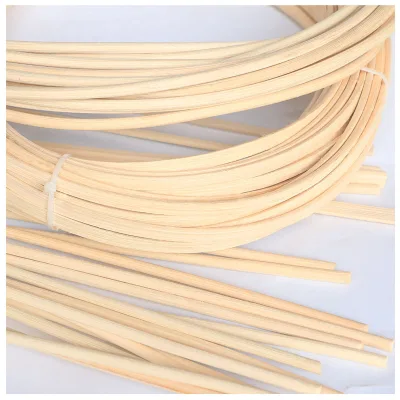


Manufacture Radio Weave Rattan Raw Material Rattan Cane Webbing for Webbing Furniture
$149.00 - $152.00
MOQ: 1 Rolls


Real Rattan Cane Webbing with Varieties of Width Options for Sofa Chairs
$0.25 - $0.30
MOQ: 2000 Meters


Versatile Protective Raw Rustic Rattan Webbing for Agricultural Protection
$0.10 - $30.00
MOQ: 1 Meters

Comprehensive Sourcing Guide
Eco-Friendly Woven Rattan Cane Webbing Sourcing Guide
Sourcing natural rattan cane webbing requires a clear understanding of material authenticity and processing methods. Buyers must distinguish between 100% natural raw materials and synthetic alternatives that mimic the aesthetic. The core keyword highlights eco-friendly attributes, which often correlates with sustainable harvesting practices and biodegradable end-of-life profiles. Procurement teams should prioritize suppliers who explicitly state their material composition, such as those offering natural weaving cane raw material webbing for outdoor furniture applications.
Verification of the product’s origin is critical for ensuring ethical sourcing and consistent quality. Many listings indicate production in regions like Guangdong or Foshan, China, where manufacturing capabilities for OEM and ODM services are concentrated. Buyers should confirm whether the supplier provides customized standards or adheres to specific industry norms. Understanding the supply chain’s transparency helps mitigate risks associated with inconsistent material grades or undisclosed chemical treatments that might compromise the eco-friendly claim.
Product Scope and Observed Listing Signals
The market for woven rattan webbing presents a diverse range of product specifications and packaging formats. Observed listings reveal variations in thickness, typically ranging from 1mm to 4mm, which directly impacts the structural integrity and flexibility of the final woven piece. Packaging methods also vary significantly, with some suppliers offering rolls in polybags and cartons, while others use plastic sheet packages or box formats. These differences influence logistics costs and storage requirements, making it essential for buyers to align packaging choices with their distribution needs.
Color and pattern options further define the product scope, with common offerings including grey, straw yellow, and brown hues. Patterns such as basketweave and herringbone weave are frequently available, allowing for aesthetic customization in furniture and handicrafts. Some suppliers list specific model numbers like YSL251107D or M-series codes, indicating standardized production lines. Buyers should review these identifiers to ensure compatibility with existing design templates or to request custom patterns that meet specific brand guidelines.
Technical Specifications to Verify
Technical verification begins with confirming the material composition and physical properties of the webbing. Buyers must ensure the product is made from 100% natural rattan if sustainability is a primary goal, as synthetic blends may not meet eco-friendly criteria. Key attributes to verify include the webbing’s tenacity, abrasion resistance, and elasticity, which determine its durability in high-use applications like luggage or sports equipment. Additionally, the useful life of the material, often cited as 15-20 years for treated variants, should be validated through supplier documentation or third-party testing.
Dimensional accuracy and weight specifications are equally important for production planning. Single package sizes and gross weights, such as 40x40x10 cm and 2.0 kg respectively, affect shipping calculations and warehouse space utilization. Buyers should also inquire about the shelf life, which may range from 1-3 years for untreated natural materials, to prevent degradation during storage. Confirming these technical details ensures that the procured webbing meets the functional requirements of the intended application, whether for furniture weaving or decorative handicrafts.
Compliance and Safety Documentation
Compliance with safety and environmental standards is paramount for eco-friendly products. Buyers should request documentation verifying adherence to recognized standards such as ROHS and SGS, which indicate that the material is free from harmful substances. While some listings mention reach compliance, this should be treated as a background signal rather than a confirmed certification. Procurement teams must verify that the supplier can provide up-to-date test reports confirming the absence of heavy metals, phthalates, or other regulated chemicals in the natural rattan processing.
Fireproof and waterproof features, if claimed, require specific safety certifications to validate their effectiveness. Buyers should ask for test results demonstrating the material’s resistance to UV degradation, fire, and water absorption, especially for outdoor furniture applications. Ensuring that the product meets local regulatory requirements in the destination market is crucial to avoid customs delays or product recalls. Collaborating with suppliers who offer customized standards can help align the product with specific regional compliance needs.
Cost Drivers and Commercial Terms
Cost structures for woven rattan webbing are influenced by material quality, customization levels, and order volume. Minimum Order Quantities (MOQ) vary widely, with some suppliers requiring 100kg or 200 square meters, while others may set higher thresholds like 3000 yards per color. Buyers should negotiate MOQs based on their production capacity and inventory turnover rates to avoid excessive stockpiling. Understanding the price range, which can span from $0.09 to $152 per unit depending on specifications, helps in budgeting and comparing supplier quotes accurately.
Production lead times and payment terms also impact the total cost of ownership. Typical lead times of 15-20 days should be factored into supply chain planning to prevent production delays. Buyers should clarify whether the quoted price includes packaging, shipping, and any customization fees. Transparent commercial terms, including clear definitions of what constitutes a "customized" product, help avoid hidden costs. Establishing a reliable partnership with an OEM/ODM supplier can streamline negotiations and secure better pricing for repeat orders.
Supplier Qualification and Quality Control
Supplier qualification involves assessing manufacturing capabilities and quality assurance processes. Buyers should verify that the supplier has a dedicated factory in China, preferably in industrial hubs like Guangdong or Foshan, to ensure direct control over production. OEM and ODM capabilities indicate flexibility in meeting custom design requirements, but buyers must confirm the supplier’s ability to maintain consistency across batches. Requesting samples before placing large orders allows for physical inspection of the weave density, color consistency, and material feel.
Quality control measures should include pre-shipment inspections and adherence to agreed-upon specifications. Buyers should inquire about the supplier’s defect rate and return policy to mitigate risks associated with substandard products. Establishing clear communication channels for addressing quality issues is essential for maintaining supply chain reliability. Collaborating with suppliers who provide detailed product descriptions and responsive customer service can enhance the procurement experience and reduce the likelihood of disputes.
Long-Term Procurement Checks
Long-term procurement success depends on continuous monitoring of supplier performance and market trends. Buyers should regularly review supplier certifications and compliance documentation to ensure ongoing adherence to environmental and safety standards. Tracking changes in material availability and pricing helps in anticipating supply chain disruptions and adjusting procurement strategies accordingly. Building a diversified supplier base can reduce dependency on a single source and enhance resilience against market volatility.
Feedback loops with end-users and production teams are vital for refining product specifications over time. Buyers should collect data on the webbing’s performance in final applications, such as furniture durability or aesthetic appeal, to inform future purchasing decisions. Engaging in strategic partnerships with suppliers who prioritize innovation and sustainability can lead to improved product offerings and competitive advantages. Regular audits and relationship management ensure that the procurement process remains aligned with the company’s long-term goals and values.
FAQs
How is Eco-Friendly Woven Rattan Cane Webbing used in furniture making?
It is mainly used for weaving outdoor furniture panels and handicrafts. The natural cane material is woven into open patterns such as basketweave or herringbone weave, which are fitted into chair seats, cabinet doors, and decorative frames. Buyers should confirm weave pattern, width, and flexibility with suppliers before ordering production quantities.
What is the typical MOQ when ordering rattan cane webbing?
Minimum order quantities vary by product type and listing. Some rattan cane webbing listings state 100kg with negotiable terms, while other woven materials list MOQs from 200 to 500 square meters or 3000 yards per color. Always confirm the applicable MOQ and color commitment directly with the supplier before placing a trial order.
What materials are commonly used for woven webbing products?
The main material options are 100 percent natural rattan for traditional furniture webbing, and polyester or nylon for jacquard or printed webbing used on bags, clothing, shoes, and sports equipment. PE material also appears in some listings. Each material differs in texture, elasticity, and suitability, so match the material to your end application.
Which weave patterns are available for rattan webbing panels?
Listed pattern options include basketweave and herringbone weave, both produced from natural rattan material. Pattern choice affects appearance, flexibility, and the size of the open mesh. Suppliers typically offer make-to-order sizing, so buyers should specify pattern, panel size, and thickness requirements when requesting quotes for furniture projects.
Can suppliers customize rattan cane webbing to specific sizes?
Yes, customization is generally available. Many listings state make-to-order sizing for rattan webbing and OEM or ODM production support for related webbing products. Buyers should provide detailed specifications including weave pattern, panel dimensions, and quantity expectations, then confirm sample availability, customization fees, and production lead times with each supplier.
How long does production usually take for webbing orders?
Production lead time is usually 15 to 20 days according to listed product information. This timeframe typically applies after order confirmation and may vary with order size, customization level, and factory capacity. Buyers with tight schedules should confirm current capacity and exact lead times with suppliers before committing to delivery dates.
What packaging is used when shipping rattan webbing products?
Packaging varies by product type. Rattan cane webbing listings show plastic sheet package, a single package size of 40 by 40 by 10 cm, and a single gross weight around 2.0 kg. Other webbing products ship in rolls of 100 yards or in boxes and cartons. Confirm packing details when requesting quotations.
Where is woven rattan cane webbing mainly produced?
Listed products originate in China, with specific supplier locations in Guangdong including Foshan. This region hosts many weaving and webbing factories producing both natural rattan webbing and polyester or nylon webbing. Buyers can shortlist suppliers by location and compare their customization capability, lead times, and MOQ terms before sampling.