Find Windproof Outdoor Roller Blinds for Pergolas, Offices, and Homes
Source 30 listings of Windproof Outdoor Roller Blinds suitable for pergolas, offices, and building facades. Buyers can compare customization options, tube sizes, and material compositions to find the right fit for their projects.
Key considerations
Products List


Manufacturer Waterproof Windproof Motorized Outdoor Roller Blinds
$31.90 - $40.50
MOQ: 2 Square Meters
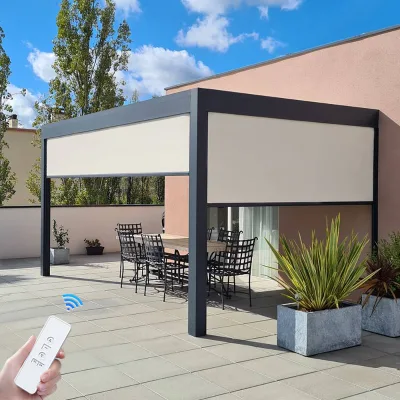
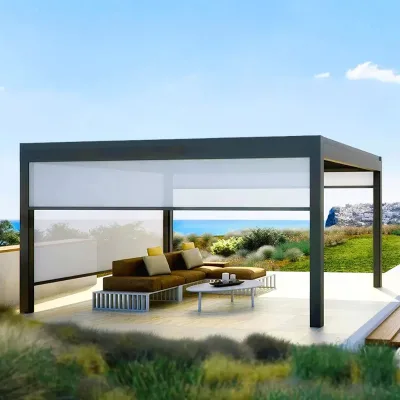

Factory Outdoor Blinds Motorized Outdoor Roller Blinds Roller Shades
$43.00 - $60.00
MOQ: 3 Square Meters

Factory Customized Motorized Windproof Waterproof Exterior Roller Blinds
$50.00 - $60.00
MOQ: 10 Square Meters

Outdoor Roller Blinds Outdoor Shade Blind Customized Size Motorized Waterproof
$52.00 - $60.00
MOQ: 3 Square Meters


Roller Shade Blind Exterior Windproof Outdoor Blind Wholesale Smart Motorized
$43.00 - $60.00
MOQ: 3 Square Meters

Sunshade Perspective Roller Outdoor Blinds
$1.99 - $2.99
MOQ: 1 Square Meters
Shouguang Runchen Environmental Protection Technology Co., Ltd.

Motorized Outdoor Windproof Roller Blinds for Pergola and Garden
$40.99 - $49.99
MOQ: 1 Square Meters
Shouguang Runchen Environmental Protection Technology Co., Ltd.

Motorized Outdoor Roller Blind for Outside Use - Waterproof Windproof Shading
$40.99 - $49.99
MOQ: 1 Square Meters
Shouguang Runchen Environmental Protection Technology Co., Ltd.

3. Remote Control Motorized Outdoor Windproof Roller Blind for Pergola
$40.99 - $49.99
MOQ: 1 Square Meters
Shouguang Runchen Environmental Protection Technology Co., Ltd.


Roller Blinds Fabric Sunshade Curtain Blinds Waterproof
$1.99 - $2.99
MOQ: 1 Square Meters
Shouguang Runchen Environmental Protection Technology Co., Ltd.


Comprehensive Sourcing Guide
Strategic Sourcing Guide for Windproof Outdoor Roller Blinds
Procuring Windproof Outdoor Roller Blinds requires a rigorous approach that balances aesthetic integration with structural resilience. The global market for exterior shading solutions has expanded significantly, driven by the demand for weather-resistant architectural elements that enhance both comfort and security. For buyers in the B2B sector, understanding the specific technical parameters, material compositions, and compliance frameworks is essential before initiating supplier negotiations. This guide outlines the critical factors for sourcing high-performance windproof roller blinds, ensuring that procurement decisions are grounded in verifiable data and industry standards rather than marketing assertions.
Technical Specifications and Structural Integrity
The foundational requirement for any windproof outdoor roller blind is its ability to withstand dynamic wind loads while maintaining operational stability. The product category identified as "Windproof Roller Blinds" typically features a specific wind resistance classification. In the observed market data, high-performance units are rated at Wind Class 12, indicating a robust capacity to resist strong gusts without structural failure or excessive flapping. This classification is not merely a marketing term but a critical engineering metric that dictates the selection of the rolling tube and the tensioning mechanism.
The structural core of these blinds relies heavily on the dimensions of the rolling tube. Available specifications include tube diameters of 38mm, 43mm, 63mm, and 78mm. The selection of the appropriate tube size is directly correlated to the width and height of the blind; larger apertures generally require the 63mm or 78mm tubes to prevent sagging and ensure smooth operation under wind pressure. Furthermore, the frame material is a decisive factor in longevity. While some units utilize steel frames, others are constructed from stainless steel, offering superior corrosion resistance in coastal or high-humidity environments. The screen netting material is predominantly fiberglass, a choice that balances transparency with durability against UV degradation and insect intrusion.
The opening mechanism is another critical specification. The standard configuration for these units is manual, utilizing a rolling open style with a vertical opening pattern. This design minimizes the mechanical complexity that could fail under stress, though buyers should verify if motorized options are available for larger commercial installations. The product style is generally modern, with patterns ranging from plain to customized or hand-painted designs, allowing for architectural flexibility. The dimensions of the blinds are highly customizable, with width specifications often noted as 57/58 inches, 58/60 inches, or fully cut-to-size, ensuring a precise fit for pergolas, building facades, and large windows.
Material Composition and Environmental Resistance
The longevity of outdoor roller blinds is inextricably linked to the materials used in their construction. A primary observation in the current market is the emphasis on rust-proof capabilities. Products designated for outdoor use must be treated or manufactured to resist oxidation, a common failure point in metal components exposed to rain and humidity. The "Rust-Proof" attribute is a standard expectation for units intended for application in living rooms, offices, buildings, and pergolas.
Material selection varies across the supply chain. While steel and stainless steel are common for frames and tubes, some product lines incorporate plastic components, likely for specific housing or gear mechanisms. The screen netting, typically fiberglass, provides essential functions such as insect resistance and invisibility, allowing light to filter through while blocking pests. The surface finishing process is described as "finished," suggesting a protective coating that enhances durability. However, buyers must verify the specific type of coating, as this determines the resistance to salt spray and chemical exposure.
The product origin plays a significant role in material quality assurance. The majority of observed units originate from China, with specific manufacturing hubs noted in Shandong. This geographic concentration often implies a mature supply chain for aluminum and steel extrusions, but it necessitates strict quality control to ensure that the "rust-proof" claims are substantiated by actual material grades rather than superficial treatments.
Compliance, Certification, and Safety Standards
In the B2B procurement of architectural hardware, compliance with international standards is non-negotiable. The market data indicates that reputable suppliers often hold certifications such as ISO9001 and SGS. ISO9001 certification confirms that the manufacturer adheres to a quality management system, ensuring consistent production processes. SGS certification provides third-party verification of product safety and performance, which is crucial for validating claims regarding wind resistance and material durability.
Some suppliers may also list additional certifications such as Greenguard, which relates to indoor air quality and low chemical emissions, though this is more relevant for indoor applications. For outdoor units, the primary focus should remain on structural safety and material safety. The security rating for these blinds is often categorized as "C," which implies a baseline level of anti-theft functionality. Buyers should request specific test reports that correlate with this rating to understand the actual resistance to forced entry.
It is important to distinguish between observed certifications and general industry standards. While ROHS and CE are mentioned in broader contexts, they should not be assumed for every product unless explicitly verified on the specific item's documentation. The standard packing dimensions, such as 590108cm or 80*165cm, and the packaging type (carton, wood, or individual package) also serve as indicators of the manufacturer's attention to detail and logistics readiness.
Cost Drivers and Pricing Dynamics
The pricing of Windproof Outdoor Roller Blinds is influenced by a complex interplay of factors, including customization levels, material quality, and order volume. The observed price range in the market spans from $1.30 to $110.00 USD. This wide disparity reflects the difference between basic manual units and high-end, fully customized systems with premium materials. The Minimum Order Quantity (MOQ) varies significantly, ranging from 1 unit to 2,000 units. This flexibility allows buyers to source small batches for pilot projects or large volumes for commercial developments.
Key cost drivers include the tube diameter, the type of screen material, and the degree of customization. Units with larger tubes (78mm) and stainless steel frames will command a higher price point compared to those with 38mm tubes and standard steel. Customization of the pattern, such as hand-painted or printed designs, adds a premium to the base cost. Additionally, the inclusion of advanced functions like sound insulation, heat insulation, and airproofing capabilities can increase the unit price.
Buyers should be aware that the "customized" nature of these products means that pricing is rarely static. The standard product models, such as WR120, K55/K60, or SUNRISE-CURTAIN, may have fixed pricing tiers, but bespoke orders will require individual quotes. The packing method, whether in cartons or wood crates, also impacts the final landed cost due to variations in shipping weight and volume.
Typical Applications and Functional Versatility
Windproof roller blinds are designed for a diverse range of applications, from residential to heavy commercial use. The primary usage scenarios include living rooms, offices, buildings, pergolas, hotels, hospitals, homes, and cafes. The versatility of these products is enhanced by their multifunctional capabilities. Beyond basic shading, they offer sound insulation, heat insulation, insect resistance, windproofing, anti-theft protection, and invisibility.
The "Airproof" and "Dust-proof" functions are particularly valuable in urban environments or areas with high pollen counts. In commercial settings like hotels and hospitals, the ability to control light and privacy while maintaining a secure barrier is essential. The "Invisibility" feature allows for a seamless aesthetic when the blinds are retracted, preserving the architectural view. The "Anti-theft" function is achieved through the robust construction of the rolling tube and the locking mechanisms, providing a physical barrier against unauthorized entry.
The application environment dictates the specific requirements. For pergolas, the windproof rating is critical to prevent damage during storms. For office buildings, the focus may shift to heat insulation and soundproofing to create a comfortable working environment. The "Modern" style and "Plain" or "Customized" patterns allow these blinds to integrate seamlessly into various architectural designs, from contemporary glass facades to traditional structures.
Supplier Evaluation and Quality Assurance
Evaluating suppliers for windproof roller blinds requires a focus on their ability to deliver consistent quality and honor warranties. The observed warranty period ranges from 1 to 3 years, which serves as a benchmark for supplier confidence. A supplier offering a longer warranty period is generally more confident in the durability of their materials and manufacturing processes. The availability of after-sales service is another critical indicator of a reliable partner.
Buyers should verify the supplier's production capacity and lead times, although specific lead time data is not provided in the general market observations. The "Customization" attribute is available across the board, but the lead time for custom orders will vary. It is essential to request samples to verify the "Finished" surface treatment and the quality of the fiberglass netting. The "Open Type" being manual suggests a lower risk of mechanical failure, but the smoothness of the rolling action should be tested.
Quality control should extend to the packaging. The use of "Carton" or "Wood" packing indicates different levels of protection during transit. For international shipments, wood packing is often preferred for heavy or large units to prevent damage. The "Standard" dimensions and "Customized" options should be clearly defined in the contract to avoid discrepancies upon delivery.
Long-Term Procurement Considerations
Sourcing Windproof Outdoor Roller Blinds is a long-term investment that requires careful planning for maintenance and scalability. The "After Sale Service" provided by the supplier is a key component of this strategy. Buyers should ensure that spare parts, such as replacement tubes or screen netting, are available for the lifespan of the product. The "1-3 Years" warranty should be clearly understood in terms of what it covers, particularly regarding wind damage or material degradation.
As the market evolves, buyers should consider the potential for upgrading to motorized systems or integrating smart home technologies. While the current data points to manual operation, the trend in the industry is moving towards automation. The "Customized" nature of the products allows for future modifications, but the initial design should accommodate potential upgrades.
Finally, the environmental impact of the materials should be considered. The use of fiberglass and stainless steel offers a balance of durability and recyclability. Buyers should inquire about the end-of-life disposal options for the blinds to ensure alignment with sustainability goals. By focusing on these long-term factors, organizations can secure a reliable supply of Windproof Outdoor Roller Blinds that meet their functional and aesthetic needs for years to come.
Comparative Analysis of Product Attributes
To assist in the decision-making process, the following table summarizes the key attributes observed in the market for Windproof Outdoor Roller Blinds. This comparison highlights the variability in specifications and helps buyers identify the features most relevant to their specific project requirements.
| Attribute Category | Common Specifications | Variations & Customization | Critical Verification Points |
|---|---|---|---|
| Wind Resistance | Class 12 | N/A | Verify test reports for Class 12 rating |
| Tube Diameter | 38mm, 43mm, 63mm, 78mm | Customizable based on size | Ensure tube size matches blind width |
| Frame Material | Steel, Stainless Steel | Plastic components for parts | Check for rust-proof treatment |
| Screen Material | Fiberglass | Custom patterns (Plain, Hand Painted) | Verify UV resistance and insect proofing |
| Operation Type | Manual, Rolling | Vertical opening pattern | Test smoothness of rolling action |
| Certifications | ISO9001, SGS | Greenguard (optional) | Request valid certificate copies |
| Warranty | 1-3 Years | Depends on supplier | Clarify coverage for wind damage |
| Origin | China (Shandong) | Global distribution | Verify shipping and import compliance |
| Packaging | Carton, Wood, Individual | 70 sets/carton or 80*165cm | Inspect packaging for transit safety |
This table serves as a checklist for buyers to ensure that all critical specifications are addressed during the sourcing process. By systematically evaluating these attributes, buyers can mitigate risks and secure high-quality Windproof Outdoor Roller Blinds that meet their specific operational and aesthetic requirements.
FAQs
What wind resistance class do these blinds meet?
These windproof roller blinds meet a high-performance Wind Class 12 rating. This classification ensures they can withstand strong gusts without structural failure or excessive flapping, making them suitable for outdoor pergolas and building facades.
Which tube diameters are available for these units?
Available tube diameters include 38mm, 43mm, 63mm, and 78mm. Larger apertures generally require the 63mm or 78mm tubes to prevent sagging and ensure smooth operation under wind pressure while maintaining structural integrity.
Can these blinds be customized for specific sizes?
Yes, these units offer fully customized width and length options to ensure a precise fit. Buyers can specify dimensions such as 57/58 inches or 58/60 inches, or request cut-to-size solutions for unique architectural applications.
What certifications do the manufacturers typically hold?
Reputable suppliers often hold ISO9001 and SGS certifications for quality and safety verification. These credentials confirm adherence to international quality management systems and provide third-party validation of product performance and material durability.
How long is the warranty period for these products?
The warranty period typically ranges from 1 to 3 years depending on the supplier. A longer warranty period generally indicates higher supplier confidence in the durability of materials like stainless steel frames and fiberglass netting.
What materials are used for the frame and screen?
Frames are constructed from steel or stainless steel to ensure rust-proof longevity. The screen netting is predominantly made of fiberglass, which balances transparency with durability against UV degradation and insect intrusion.
What is the typical price range for these blinds?
The observed price range spans from 1.30 to 110.00 USD per unit. This wide disparity reflects differences between basic manual units and high-end, fully customized systems with premium materials and advanced functional features.