Source Windproof Quilted Motorcycle Jacket for Cycling, Hiking, and Camping
Compare 30 verified listings for a Windproof Quilted Motorcycle Jacket designed for outdoor activities. Buyers can evaluate features like waterproofing, breathability, and material options from suppliers in China with customizable orders.
Key considerations
Products List


Factory Direct Windbreaking Breathable Motorcycle Jackets with Best Price
$37.70 - $39.80
MOQ: 500 Pieces


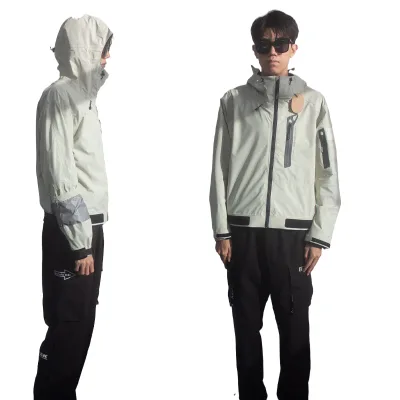
OEM Fabric Color Waterproof Rain Jackets Outdoor Motorcycle Hiking Waterproof Jacket
$32.64 - $34.17
MOQ: 100 pieces


Classic Foldable Motorcycle Raincoat Lightweight, Windproof, Waterproof Jacket
$4.31 - $4.81
MOQ: 250 Pieces


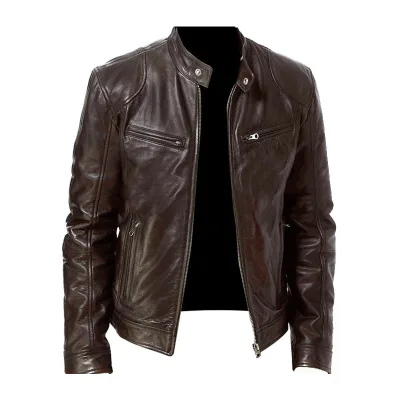


High Quality Casual Waterproof Motorcycle Jacket with Zipper Closure Autumn
$12.00 - $20.00
MOQ: 600 Pieces
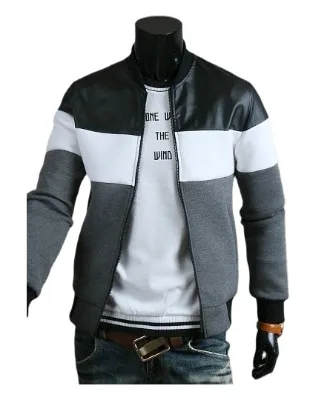
Comprehensive Sourcing Guide
Strategic Sourcing Guide for Windproof Quilted Motorcycle Jackets
Understanding Technical Specifications and Material Composition
When sourcing a Windproof Quilted Motorcycle Jacket, the primary objective is to identify products that balance protective performance with thermal regulation. The market offers a diverse array of technical configurations, but the core functionality relies heavily on the interplay between fabric composition and construction techniques. Based on available market data, the material palette for these garments is predominantly anchored in synthetic fibers such as Polyester, Nylon, and Cotton, often blended with Rayon or Spandex to enhance flexibility and fit. Polyester and Nylon are frequently cited as the primary materials for high-performance variants due to their inherent resistance to abrasion and water, while Cotton blends may appear in casual or lifestyle-oriented models.
The construction of the jacket is equally critical. The "quilted" designation implies a specific layering technique where insulation is sandwiched between an outer shell and an inner lining, creating air pockets that trap heat. This design is often paired with "Soft shell" or "Woven" fabric types, which provide a necessary balance between breathability and wind resistance. The "Garment dyed" technique observed in several listings suggests a finishing process that can enhance colorfastness and texture, though buyers must verify if this affects the integrity of the waterproof coatings.
Closure mechanisms are another vital specification. The standard for these jackets is the "Zipper," which serves as the primary barrier against wind infiltration. However, the quality of the zipper and the presence of storm flaps are often the differentiators between a basic windbreaker and a true motorcycle jacket. The "Windproof" and "Waterproof" attributes are frequently listed together, indicating a dual-purpose design intended for variable weather conditions. In some instances, "Windbreak" is used as a synonym, but for motorcycle applications, the distinction matters; a windbreak may offer temporary relief, whereas a windproof jacket is engineered to withstand sustained high-velocity airflow generated by riding.
Compliance, Certification, and Safety Standards
In the realm of motorcycle apparel, compliance is not merely a bureaucratic hurdle but a fundamental safety requirement. While the supplied data indicates that some products may align with "medium" standards or specific material compositions like "100% Polyester," the industry often references higher safety benchmarks. Buyers should be aware that certifications such as CE and standards like EN 17092 are frequently associated with motorcycle gear, even if specific test results are not explicitly detailed in every product listing.
The absence of explicit certification data in general product descriptions does not imply non-compliance, but it necessitates rigorous verification. For a jacket to be considered suitable for serious motorcycling, it must undergo impact testing to ensure it can protect the rider in the event of a slide. The "Windproof, Waterproof, Breathable" triad is a common marketing claim, but the technical reality involves complex membrane technologies or laminates that are not always visible to the naked eye.
Buyers must request documentation to confirm if the product meets specific regional safety standards. In the European market, EN 17092 is the prevailing standard for motorcycle protective clothing, categorizing gear into different levels of protection (AA, A, B, C). In other regions, local equivalents may apply. The "Standard" attribute listed as "medium" in some contexts is vague and should not be relied upon as a definitive safety rating. Instead, procurement teams should demand proof of testing for abrasion resistance, seam strength, and the durability of the quilted insulation under stress. Without these verifications, a jacket may offer comfort but fail to provide the necessary protection required for motorcycle usage.
Cost Drivers and Pricing Dynamics
The pricing structure for windproof quilted motorcycle jackets is influenced by a complex matrix of factors, including material costs, labor intensity, and the level of customization required. The observed price range in the market spans from $4 to $100 USD, a significant variance that reflects differences in quality, brand positioning, and functional capabilities. The lower end of this spectrum typically corresponds to basic, non-certified garments made from standard polyester or cotton blends with minimal reinforcement. These items are often suitable for casual riding or urban commuting where high-impact protection is not the primary concern.
Conversely, the higher price points are driven by the inclusion of advanced materials, such as high-denier Nylon or specialized waterproof membranes, and the integration of protective armor pockets. The "Customized" nature of many listings also plays a pivotal role in cost. Customization options, including specific logos, patterns, and tailored sizing, add layers of complexity to the production process, thereby increasing the unit cost. The "Service" attribute listing "OEM ODM" indicates that suppliers are capable of producing private-label goods, which often commands a premium due to the design and tooling investments required.
Additionally, the "Delivery Time" of 30 working days after PP sample confirmation suggests that the supply chain involves a significant lead time for production and quality assurance. This extended timeline can impact the overall cost structure, as it ties up capital and requires more sophisticated inventory management. Buyers must weigh the cost savings of lower-priced items against the potential risks of inferior quality and the additional costs associated with returns or replacements. The "MOQ" (Minimum Order Quantity) ranging from 2 to 1000 units further influences the unit price, with larger orders typically benefiting from economies of scale.
Typical Applications and Usage Scenarios
The versatility of windproof quilted motorcycle jackets allows them to serve a wide range of applications, from high-speed racing to leisurely outdoor activities. The "Usage" attributes identified in the market data include "Cycling," "Hiking," "Camping," "Climbing," "Fishing," and "Racing." This broad spectrum indicates that these jackets are not limited to a single niche but are designed to be multi-functional. For motorcyclists, the "Racing" and "Cycling" applications highlight the need for aerodynamic efficiency and wind protection, while "Hiking" and "Camping" emphasize thermal retention and weather resistance.
The "Applicable User" category is listed as "Adults" and "Outdoor Worker," suggesting that the design accommodates a mature demographic engaged in physically demanding activities. The "Gender" is specified as "Unisex," which simplifies inventory management for buyers but requires careful attention to sizing charts to ensure a proper fit for all users. The "Season" attribute, specifically "Winter," reinforces the jacket's role in cold-weather protection, making it an essential item for riders in temperate or cold climates.
However, the specific "Pattern" of "Biker Jacket" or "Logo" indicates that style is a significant driver of consumer choice. While the "Type" is broadly categorized as "Casual Clothes" or "Coat," the functional requirements for motorcycle use demand a higher standard of durability than typical casual wear. Buyers should ensure that the jacket's design, while aesthetically pleasing, does not compromise its protective capabilities. The "Applicable" attribute for "Outdoor Worker" suggests that the jacket may also be suitable for industrial environments where wind and weather protection are necessary, adding another layer of utility to the product.
Supplier Evaluation and Production Capabilities
Selecting the right supplier is a critical step in the procurement process, particularly for specialized apparel like motorcycle jackets. The data indicates that suppliers are located in various regions of China, including "Jiangsu," "Taian Shandong," and general "China" origins. These regions are known for their robust textile and garment manufacturing capabilities, but the specific location can influence logistics, communication, and quality control.
Key evaluation criteria should include the supplier's ability to handle "Customization" and "OEM ODM" services. The presence of "Sample Time" ranging from 15 to 21 days suggests that suppliers are prepared to produce prototypes, which is essential for verifying fit, finish, and functionality before committing to a full production run. The "Delivery Time" of 30 working days after sample confirmation is a standard benchmark, but buyers should verify if this timeline is consistent across different order volumes.
The "Small Orders: Accepted" attribute is a significant advantage for buyers who wish to test the market with lower quantities before scaling up. This flexibility reduces the financial risk associated with new product launches. However, the "MOQ" range of 2 to 1000 units requires careful planning. Buyers must determine their optimal order size based on their budget, storage capacity, and sales projections.
Furthermore, the "prod_packing" details, such as "PE Bag Paper Carton" or "Polybag/CTN," indicate that suppliers are equipped to handle standard shipping requirements. Buyers should confirm if the packaging meets their specific needs, such as retail-ready packaging or bulk shipping configurations. The "Standard" attribute of "100% Polyester" or "cotton" in some listings highlights the importance of verifying material composition to ensure it aligns with the intended use case.
Quality Control and Long-Term Procurement Considerations
Maintaining consistent quality is paramount when sourcing windproof quilted motorcycle jackets. The "Quality Control" process should encompass a thorough review of the "Fabric Type," "Material," and "Construction" to ensure that the "Windproof," "Waterproof," and "Breathable" claims are substantiated. Buyers should implement a rigorous inspection protocol that includes checking for seam integrity, zipper functionality, and the uniformity of the quilted stitching.
Long-term procurement considerations involve building a sustainable relationship with suppliers who can consistently deliver high-quality products. The "Customization" and "Service" attributes suggest that suppliers are willing to adapt to changing market demands, which is a positive indicator for long-term partnerships. However, buyers must remain vigilant about potential variations in quality across different production batches.
The "Lead Time" and "Sample Time" are critical factors in supply chain management. Delays in sample approval or production can disrupt the entire procurement cycle, leading to missed market opportunities. Buyers should establish clear communication channels and set realistic expectations regarding timelines. Additionally, the "Standard" of "medium" or specific material compositions should be clearly defined in contracts to avoid ambiguity.
Finally, the "Usage" and "Applicable User" attributes highlight the importance of product longevity. A jacket that is durable and comfortable will generate repeat business and positive word-of-mouth. Buyers should prioritize suppliers who demonstrate a commitment to quality and innovation, ensuring that the products they source remain competitive in the evolving motorcycle apparel market. By focusing on these key areas, buyers can mitigate risks and secure a reliable supply of high-performance windproof quilted motorcycle jackets.
FAQs
What materials are used for windproof quilted motorcycle jackets?
These jackets are primarily made from Polyester, Nylon, Cotton, Rayon, or Spandex. The fabric type can be Knitted, Soft shell, or Woven, often featuring a Garment dyed finish to ensure colorfastness and texture suitable for outdoor use.
Can I get custom designs for these jackets?
Yes, customization is available for these jackets with options for specific logos and patterns like Biker Jacket styles. Suppliers offer OEM and ODM services, allowing buyers to tailor the product to their brand requirements before production begins.
How long does it take to receive the order?
The delivery time is typically 30 working days after the PP sample is confirmed. Before full production, a sample takes 15 to 21 days to prepare, ensuring the design and fit meet your specific requirements before the bulk run starts.
What is the minimum order quantity for these jackets?
The minimum order quantity ranges from 2 to 1000 units depending on the supplier and product model. Small orders are accepted, providing flexibility for buyers who wish to test the market before committing to larger production volumes.
Which features protect riders from wind and water?
The jackets feature Windproof, Waterproof, and Breathable properties to protect riders in various weather conditions. These attributes are combined with Zipper closures and durable fabric types like Soft shell or Woven to ensure effective protection during cycling or racing.
Where are these jackets manufactured?
These jackets are manufactured in China, with specific origins in Jiangsu and Taian Shandong regions. Buyers can source from these locations where suppliers have established capabilities for producing garments with specific standards and packing requirements.
What sizes are available for these jackets?
Available sizes include M, Free Size, and All Sizes depending on the specific model number. The jackets are designed as Unisex and Applicable for Adults, ensuring a fit for various body types used in outdoor activities like hiking, camping, or climbing.