Source Wire Spool for Cable Management for industrial winding
Find and compare 30 Wire Spool for Cable Management options from Jiangsu, China. These reels feature injection molded plastic or metal construction, CE/ISO certifications, and customizable dimensions for efficient cable storage and transport.
Key considerations
Products List


Comprehensive Sourcing Guide
Wire Spool for Cable Management Sourcing Guide
Sourcing wire spools for cable management requires a clear understanding of the diverse product landscape, which ranges from simple plastic reels to heavy-duty industrial drums. Buyers must distinguish between passive storage solutions and active winding mechanisms, as the procurement strategy differs significantly for each. The market offers a wide variety of materials, including metal, plastic, and iron, each suited to different environmental conditions and load requirements. Understanding these distinctions is the first step in defining a precise technical specification that aligns with your operational needs.
This guide focuses on the critical decision points for procurement professionals, including material selection, certification verification, and commercial terms. By leveraging observed market data and trusted industry knowledge, buyers can navigate the complexities of international sourcing with confidence. The following sections provide a structured approach to evaluating suppliers, verifying technical attributes, and ensuring long-term supply chain reliability for wire spools and cable reels.
Product Scope and Observed Listing Signals
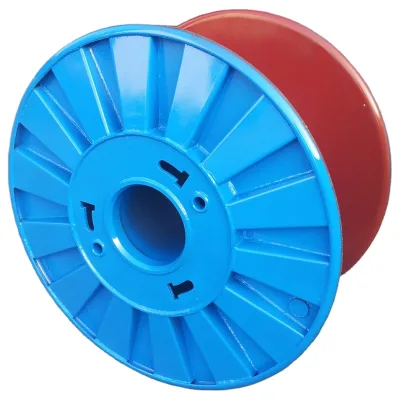
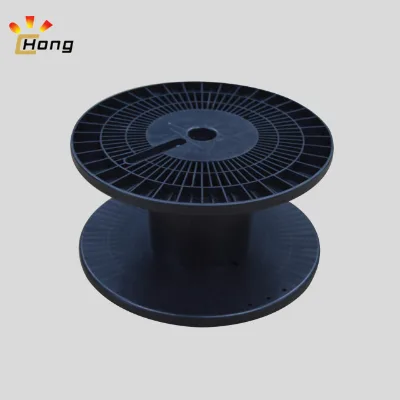
The product scope for wire spools encompasses a broad range of items, primarily categorized by their construction material and intended usage. Observed listings indicate a strong presence of plastic cable reels and metal cable drums, with specific models such as PN300A, PC610, and PN400A representing common diameter standards of 300mm, 610mm, and 400mm respectively. These products are often marketed under key terms like "Cable Drum" or "Cable Spool," and are designed for applications ranging from general cable management to the winding of steel wire. The variety in model numbers suggests that buyers should expect a high degree of customization in terms of dimensions and structural design.
Market signals also highlight the importance of dynamic balance and speed capabilities in industrial-grade spools. Products are frequently described with features such as moistureproofing, insulation, and antimagnetic properties, which are critical for protecting sensitive cables in harsh environments. The observed speed range of 500-3000r/Min indicates that some spools are designed for high-speed automated winding processes, while others may be intended for manual or low-speed operations. Buyers should carefully review these operational parameters to ensure the selected spool matches the throughput requirements of their production line or storage facility.
Technical Specifications to Verify
When evaluating technical specifications, the material composition is a primary factor that dictates durability and suitability. Products are constructed from various materials, including metal, plastic, and iron, with some listings specifically noting copper conductors or crosslinking sheath materials for the cables themselves. For the spools, the choice between metal and plastic often depends on the weight of the cable and the environmental conditions. Metal spools, such as those made from iron, offer superior strength for heavy-duty applications, while plastic reels provide cost-effective solutions for lighter loads. Buyers must verify the specific material grade to ensure it can withstand the tensile forces and environmental exposure associated with their use case.
Dimensional accuracy and manufacturing processes are equally critical for ensuring compatibility with existing infrastructure. The observed product standards include specific diameters, such as 300mm, 400mm, and 610mm, as well as larger sizes like 1000mm, 1600mm, and 3150mm. The manufacturing process for many of these items involves injection molding for plastic components and punching for metal parts, which affects the surface finish and structural integrity. Buyers should verify that the spool’s flange size, hub diameter, and overall dimensions match their cable specifications and winding machinery. Additionally, the dynamic balance level, observed at Level 6.3 for some products, is a key metric for high-speed applications to prevent vibration and wear.
Compliance and Safety Documentation
Compliance with international standards is essential for ensuring the safety and reliability of wire spools, particularly in regulated industries. Observed certifications include CE, ISO, and CCC, which indicate that the products meet specific regional and international safety and quality requirements. The CE mark is particularly important for products intended for the European market, while CCC certification is relevant for sales within China. Buyers should request valid certification documents from suppliers to verify that the products have undergone the necessary testing and assessment procedures. It is also advisable to check for any additional industry-specific certifications that may be required for your particular application.
Safety features such as insulation and moistureproofing are critical for protecting both the cable and the operator. Products with antimagnetic properties are suitable for environments where magnetic interference could compromise data integrity or equipment performance. Buyers should verify that these features are not just marketing claims but are backed by material specifications and test results. Furthermore, the warranty period, observed as 1 Year for some products, provides a baseline for supplier confidence in their manufacturing quality. Understanding the scope of the warranty and the conditions under which it applies is crucial for managing long-term risk and maintenance costs.
Cost Drivers and Commercial Terms
The cost of wire spools is influenced by several factors, including material type, manufacturing complexity, and order volume. Observed price ranges in the market span from $0.5 to $500 USD, reflecting the diversity from small plastic reels to large industrial metal drums. The minimum order quantity (MOQ) varies significantly, ranging from 1 to 5000 units, which allows for flexibility in procurement strategies. Buyers with smaller requirements may face higher per-unit costs, while those placing large orders can leverage economies of scale. It is important to negotiate pricing based on the total volume and frequency of orders to secure the best possible terms.
Commercial terms also include packaging and shipping considerations, which can impact the total landed cost. Products are typically packed in standard compact packaging, wooden crates, steel pallets, or general pallets, depending on the size and fragility of the item. Proper packaging is essential to prevent damage during transit, especially for metal spools that may be heavy and prone to corrosion. Buyers should clarify who is responsible for packaging costs and ensure that the packaging method is suitable for the chosen mode of transport. Additionally, the availability of samples should be confirmed, as this allows for physical verification of quality before committing to a large purchase.
Supplier Qualification and Quality Control
Supplier qualification is a critical step in ensuring a reliable supply chain for wire spools. Buyers should verify the supplier’s manufacturing capabilities, including their use of injection molding and punching techniques, which are key processes for producing high-quality spools. The origin of the products, often listed as Jiangsu or Jinagsu, China, indicates a concentration of manufacturing expertise in this region. However, buyers should not rely solely on location and should conduct thorough due diligence on the supplier’s track record, production capacity, and quality management systems. Requesting references or case studies from previous clients can provide valuable insights into the supplier’s reliability.
Quality control measures should be integrated into the procurement process to minimize the risk of defects. Buyers should establish clear acceptance criteria based on the observed specifications, such as dynamic balance levels, surface finish, and dimensional accuracy. Regular inspections, either through third-party agencies or internal teams, can help identify issues early in the production process. It is also important to verify the supplier’s ability to handle customization requests, such as changes to flange size, logo, or color, without compromising quality. Clear communication of these requirements and regular feedback loops are essential for maintaining consistent product quality.
Long-Term Procurement Checks
Long-term procurement success depends on establishing a robust relationship with suppliers and implementing continuous improvement strategies. Buyers should monitor supplier performance over time, tracking metrics such as on-time delivery, product quality, and responsiveness to issues. Regular audits of the supplier’s facilities and processes can help identify potential risks and areas for improvement. Additionally, staying informed about changes in industry standards and regulations is crucial for ensuring ongoing compliance. Buyers should proactively engage with suppliers to discuss future needs and explore opportunities for cost optimization and innovation.
Sustainability and environmental considerations are increasingly important in procurement decisions. Buyers should inquire about the environmental impact of the materials used, such as the recyclability of plastic and metal components. Suppliers who demonstrate a commitment to sustainable practices, such as using eco-friendly materials or reducing waste during production, can help buyers meet their own corporate social responsibility goals. By integrating these considerations into the procurement strategy, buyers can build a more resilient and responsible supply chain for wire spools and cable management solutions.
FAQs
What certifications do the wire spools have?
The wire spools carry CE, ISO, and CCC certifications. These standards ensure compliance with international safety and quality requirements for industrial cable management applications.
Can I customize the flange size and logo?
Yes, customization is available for flange size, logo, and color. Buyers can request specific dimensions or branding to match their operational needs and corporate identity.
What materials are used to make these spools?
The spools are constructed from metal, plastic, or iron materials. This variety allows selection based on required durability, weight, and specific environmental resistance for cable winding.
How fast can the cable drum rotate?
The cable drums operate at speeds ranging from 500 to 3000 revolutions per minute. This high-speed capability supports efficient winding and unwinding processes in industrial settings.
What packaging options are available for shipping?
Packaging includes standard compact packaging, wooden crates, pallets, or steel pallets. These options ensure secure transport and protection of the spools during international logistics.
Where are these products manufactured?
The products originate from Jiangsu, China. This location indicates the manufacturing hub for these cable management solutions and associated supply chain logistics.
What is the warranty period for the spools?
A one-year warranty is provided for the wire spools. This coverage protects buyers against manufacturing defects and ensures reliability for their cable management operations.