Source Wire Rope Pressing Machine for Construction, Manufacturing, and Maintenance
Explore 30 listings of wire rope pressing machines with features like high efficiency and hydraulic power. Buyers can compare specifications including return force, slide stroke, and customization options from suppliers in China.
Key considerations
Products List


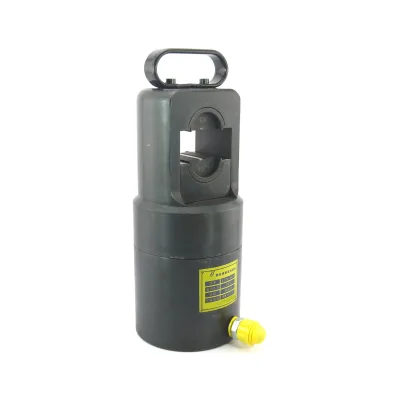
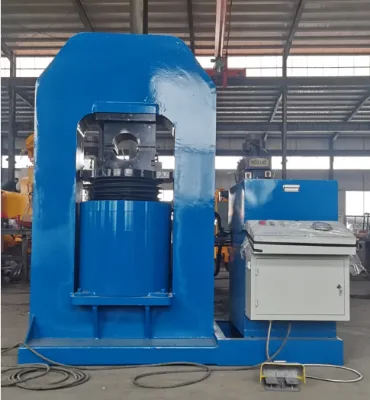
Hydraulic Steel Cable Pressing Grommet Sling Machine/Wire Rope Press Machine
$7000.00 - $10000.00
MOQ: 1 sets




Terminal Crimping Press Machine Automated Cable Wire Stripping Machines
$500.00 - $1200.00
MOQ: 1 Sets

Flag Terminal and Ferrule Terminal Crimp Machine Wire Cut Strip Press Machine
$19000.00 - $19999.00
MOQ: 1 Pieces


$5000.00 - $10000.00
MOQ: 1 Pieces

$38880.00 - $156208.00
MOQ: 1 Sets



Comprehensive Sourcing Guide
Strategic Sourcing Guide for Wire Rope Pressing Machinery
Understanding Core Technical Specifications and Machine Types
When initiating a procurement strategy for wire rope pressing machinery, the primary objective is to align machine capabilities with specific production requirements. The market offers a diverse array of configurations, ranging from specialized wire rope press machines to general-purpose double-column hydraulic presses. A critical first step involves distinguishing between these machine types, as the operational logic differs significantly. Specialized units, often designated by model numbers such as GT-800T or XT-1600, are engineered specifically for the compression and assembly of wire ropes. These machines typically feature a defined work range capable of handling wire ropes up to 52 mm in diameter, ensuring that the pressing force is applied with the necessary precision for high-tension applications.
In contrast, general hydraulic press machines, such as those identified by models like GT-100T or GT-350, offer broader utility. These units often operate with a maximum load capacity of up to 6000 kg and utilize a hydraulic system capable of generating pressures up to 56 MPa, which is adjustable to suit varying material densities. The slide stroke is another vital parameter; for instance, specific models provide a stroke of 180 mm, which dictates the depth of the pressing operation. Buyers must verify that the machine's center height, often around 1000 mm, and the length of the axis, potentially up to 2000 mm, accommodate the physical dimensions of the wire rope assemblies being manufactured. The power source is predominantly hydraulic, providing the consistent force required for industrial-grade pressing tasks. Voltage requirements vary, with standard configurations operating at 380V, though customizable options are frequently available to match local grid standards.
Compliance, Certification, and Safety Standards
Ensuring that the selected machinery meets international safety and operational standards is a non-negotiable aspect of the procurement process. While specific certification statuses can vary by manufacturer, the presence of CE certification is a common benchmark for machinery intended for the European market and other regions requiring strict safety adherence. Buyers should explicitly request certification documentation to verify that the machine's design, electrical systems, and safety interlocks comply with relevant directives. It is important to note that while ISO 9001 is a widely recognized standard for quality management systems, its presence should be verified through the supplier's quality manual rather than assumed based on general market knowledge.
Safety features are often integrated into the machine design to protect operators during the pressing cycle. The hydraulic system, capable of pressures up to 56 MPa, must be equipped with reliable pressure relief valves and leak detection mechanisms. The machine's color, typically blue or grey, often serves as a visual indicator of its operational status or safety zone, though this can be customized. When evaluating compliance, buyers should also consider the electrical safety of the unit, ensuring that the voltage specifications, whether standard 380V or customized, align with the facility's power infrastructure. The absence of specific certification claims in a listing does not necessarily indicate non-compliance, but it does necessitate a rigorous request for third-party verification before finalizing a purchase.
Cost Drivers and Pricing Dynamics
The pricing structure for wire rope pressing machines is influenced by a complex interplay of factors, including machine capacity, customization level, and included after-sales services. The observed price range in the market spans from approximately 469.48 USD to over 156,000 USD, reflecting the vast difference between entry-level units and high-capacity industrial systems. The lower end of the spectrum may correspond to smaller, less automated units with basic hydraulic systems, while the upper end typically encompasses heavy-duty machines with advanced control systems, higher load capacities, and extensive customization options.
Customization is a significant cost driver. Machines that offer "Customized" features, such as specific voltage configurations, unique color schemes, or tailored packing solutions like iron boxes or wooden crates, often command a premium. The "New Product 2020" marketing classification suggests that newer models with updated features may carry higher price points due to improved efficiency and technology. Additionally, the condition of the machine is a critical factor; all listed products in the current context are "New," which implies a full warranty and the absence of depreciation costs associated with used equipment. Buyers should be aware that the Minimum Order Quantity (MOQ) for these machines is typically 1 unit, allowing for flexible procurement strategies without the need for bulk purchasing. However, the total cost of ownership must include potential expenses for shipping, installation, and the specific packaging requirements, such as shrinkwrap and wooden boxes for heavy units.
Typical Applications and Industry Suitability
Wire rope pressing machines are designed to serve a variety of industrial sectors where high productivity and precision are paramount. The primary application involves the manufacturing and assembly of wire ropes for construction, lifting, and transportation industries. The machine's ability to handle wire ropes up to 52 mm in diameter makes it suitable for heavy-duty applications such as elevator cables, suspension bridges, and mining hoists. The high efficiency of these machines ensures that production lines can maintain a steady output, meeting the demands of large-scale manufacturing plants.
The "Applicable Industries" for these machines include building material shops and manufacturing plants, indicating their versatility in handling different scales of production. The "High Productivity" and "Easy to Operate" selling points suggest that these machines are ideal for facilities looking to streamline their wire rope processing workflows. The cutting range of 6-32 mm found in related equipment further expands the potential applications to include smaller gauge wire rope processing. Furthermore, the machine's ability to operate at adjustable pressures allows it to handle various wire rope compositions and tensile strengths. Buyers should assess their specific production volume and wire rope specifications to determine if a specialized wire rope press machine or a general double-column hydraulic press is more appropriate for their operational needs.
Supplier Evaluation and After-Sales Support
Selecting a reliable supplier is as critical as selecting the machine itself. The evaluation process should focus on the supplier's ability to provide comprehensive after-sales support, which is a key differentiator in the heavy machinery market. High-confidence facts indicate that suppliers offering "Engineers Available to Service Machinery Overseas" provide a significant advantage, ensuring that technical issues can be resolved promptly regardless of the buyer's location. This level of support is essential for minimizing downtime and maintaining production continuity.
The warranty period is another vital metric for supplier evaluation. A standard warranty of 1 year is commonly observed, but buyers should inquire about the scope of coverage and the availability of extended service contracts. The "Life-Long Maintance Service" claim, while notable, should be verified in the context of the specific service agreement to understand the long-term commitment of the supplier. Additionally, the supplier's willingness to provide video outgoing-inspection services allows buyers to verify the machine's condition and functionality before shipment, reducing the risk of receiving non-compliant equipment. The brand reputation, such as "Xingtai," can also serve as an indicator of the supplier's market standing, though it should be weighed alongside specific performance data and customer testimonials.
Quality Control and Long-Term Procurement Considerations
Implementing a robust quality control protocol is essential for ensuring that the procured Wire Rope Pressing Machine meets the required performance standards. Buyers should request detailed technical specifications, including the maximum load capacity, hydraulic pressure ratings, and dimensional data such as the center height and axis length. The "Video Outgoing-Inspection" feature provided by some suppliers offers a practical method for quality assurance, allowing for a visual verification of the machine's assembly and operational readiness.
Long-term procurement considerations extend beyond the initial purchase price to include maintenance, spare parts availability, and operational efficiency. The "High Efficiency" feature of the machines suggests that they are designed to minimize energy consumption and maximize output, which can lead to significant cost savings over the machine's lifespan. The "Easy Operation" attribute reduces the training burden on operators and minimizes the risk of human error. Buyers should also consider the packaging standards, such as the use of iron boxes, plywood boxes, or standard export packages, to ensure that the machine arrives in optimal condition. Finally, the ability to customize the machine, whether through voltage adjustments or color preferences, allows for a tailored solution that fits the specific needs of the buyer's facility, ensuring a better return on investment over time.
Comparative Analysis of Machine Models
To facilitate a clearer decision-making process, the following table compares key attributes of the observed machine models. This comparison highlights the variations in capacity, model designation, and specific features that buyers should consider when selecting the right equipment.
| Attribute | Model GT-800T | Model XT-1600 | Model GT-100T | Model GT-350 | Model RDQ-1011 |
|---|---|---|---|---|---|
| Machine Type | Press Brake | Double Column Hydraulic Press | Hydraulic Press | Hydraulic Press | Wire Rope Annealing Machine |
| Max Load | Not Specified | 6000 Kg | Not Specified | Not Specified | Not Specified |
| Work Range | 180 mm Stroke | Up to 16 mm | Not Specified | Not Specified | Not Specified |
| Pressure | 160 kN Return Force | Up to 56 MPa | Not Specified | Not Specified | Not Specified |
| Voltage | 380V or Customize | Customise | 380V | 380V | Not Specified |
| Packing | Iron Box or Custom | Shrinkwrap and Wooden Box | Shrinkwrap and Iron Box | Shrinkwrap and Iron Box | Plywood Box |
| Origin | Jiangsu, China | China | Jiangsu, China | Jiangsu, China | Not Specified |
This table underscores the importance of matching the specific model to the intended application. For instance, the XT-1600 offers a high load capacity and adjustable pressure, making it suitable for heavy-duty pressing tasks, while the GT-800T is characterized by its specific return force and stroke length. The RDQ-1011, identified as a wire rope annealing machine, serves a different function in the wire rope processing chain, highlighting the need for buyers to clearly define their process requirements before selecting a model. By carefully analyzing these attributes, buyers can make informed decisions that align with their operational goals and budget constraints.
FAQs
What customization options are available for wire rope pressing machines?
Customization is available for voltage, color, and packing configurations. Buyers can request specific voltage levels like 380V or custom settings, choose colors such as blue or grey, and select packing methods including iron boxes or wooden crates to meet unique operational needs.
Which certification does the Wire Rope Pressing Machine typically hold?
The machine typically holds CE certification to ensure compliance with safety standards. This certification indicates that the design and electrical systems meet specific safety directives, though buyers should always verify documentation directly with the supplier before purchase.
How much load capacity does the double column hydraulic press offer?
The double column hydraulic press offers a maximum load capacity of up to 6000 kg. This high capacity allows the machine to handle heavy-duty pressing tasks efficiently while maintaining stability during operation for various industrial applications.
Can engineers provide after-sales service for machinery overseas?
Yes, engineers are available to service machinery overseas for comprehensive support. This service ensures that technical issues can be resolved promptly regardless of the buyer's location, helping to minimize downtime and maintain continuous production operations.
What is the warranty period for the new Wire Rope Pressing Machine?
The standard warranty period for the new machine is one year. This coverage applies to the new condition of the equipment, ensuring protection against defects, while some suppliers may also offer life-long maintenance service options for long-term support.
Which voltage specifications are supported by the hydraulic press machine?
The machine supports standard 380V voltage or customizable options to match local grid standards. This flexibility allows buyers to adapt the equipment to their specific facility power infrastructure without requiring extensive electrical modifications or conversions.
What is the maximum wire rope work range for the press machine?
The press machine can handle wire ropes up to 52 mm in diameter for its work range. This capability ensures the equipment is suitable for heavy-duty applications involving thick wire ropes used in construction, lifting, and transportation industries.