Source Wire Tension Spring for Industrial, Auto, and Home Use
Find 30 Wire Tension Spring options for industrial, automotive, and home appliance applications. Compare compression, extension, and torsion types made from steel or stainless steel, featuring cold roll or thermoforming processes with ISO and CE certifications available; compare the available evidence and request quotations based on your requirements.
Updated
Key considerations
Products List


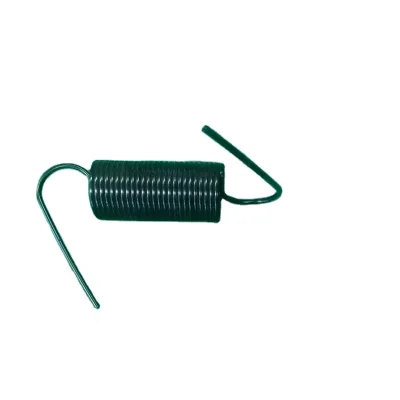


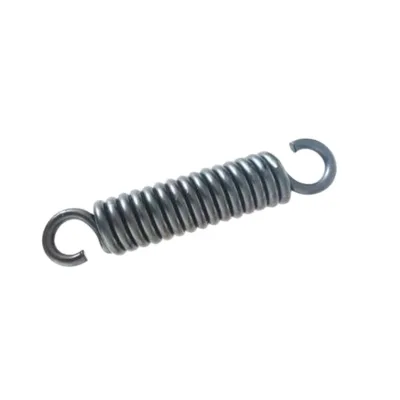

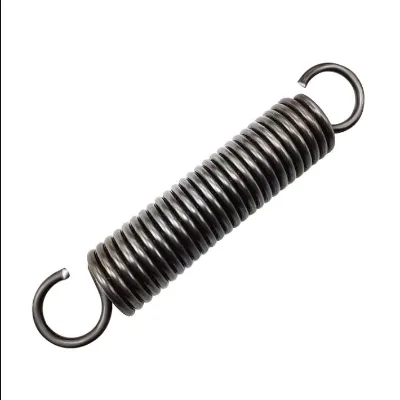

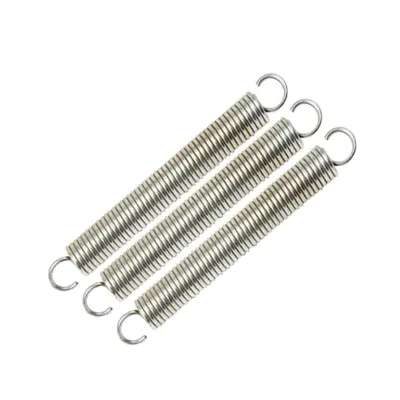





Comprehensive Sourcing Guide
Wire Tension Spring Sourcing Guide
Buyers must first distinguish between the specific load types observed in the market, as the data indicates a clear split between extension, compression, and torsion variants. While the core keyword focuses on tension springs, the available listings explicitly describe products with extension, compression, and torsion load types, requiring precise identification of the intended mechanical function before initiating a search. This distinction is critical because the functional requirements for measurement, restoration, and drive applications vary significantly depending on whether the component is designed to elongate under load or resist rotational torque.
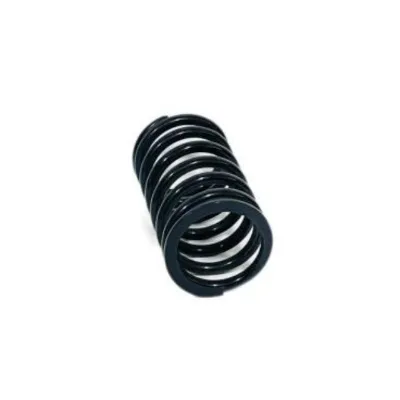
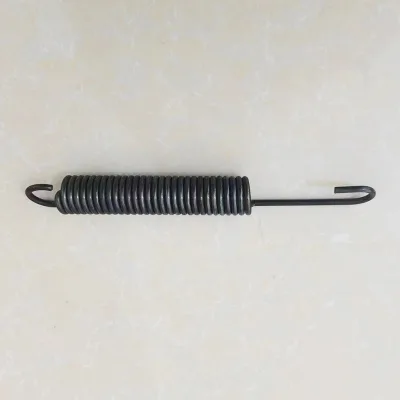
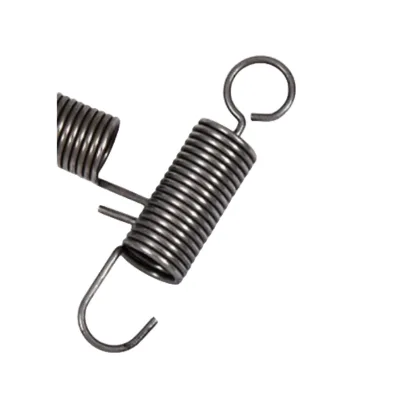
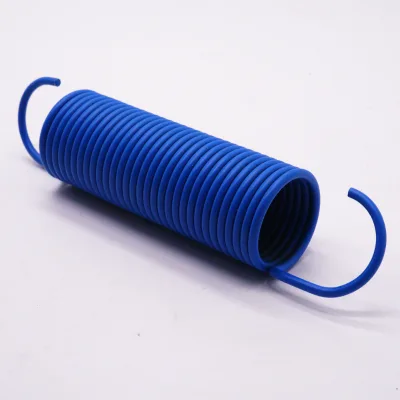
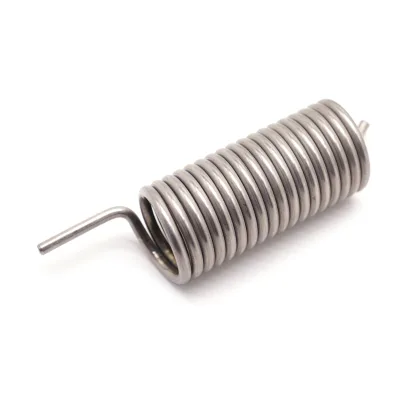
Procurement teams should also verify the physical geometry and material composition to ensure compatibility with the target assembly. The observed product attributes reveal a diverse range of shapes, including conical, cylindrical, spiral, and coil configurations, alongside materials ranging from standard steel to stainless steel. Since the usage spans industrial, automotive, motorcycle, and home appliance sectors, selecting the correct shape and material grade is essential to prevent premature failure, as a cylindrical spring may not provide the necessary force profile for a conical application in a specific automotive suspension system.
Product Scope and Observed Listing Signals
The market signals indicate that customization is a primary feature for these components, with many suppliers offering tailored solutions rather than standard off-the-shelf inventory. Buyers should expect to encounter products labeled as "Customized" or "As request," which suggests that the manufacturing process is flexible enough to accommodate specific dimensional or functional requirements. This flexibility is particularly relevant for industries like furniture and home appliances, where unique spatial constraints often necessitate non-standard spring geometries or specific surface treatments to match the final product aesthetic.
Listing signals also highlight a wide variance in packaging and shipping units, ranging from single items to bulk cartons with wooden pallets. This variation implies that procurement strategies must account for different logistics requirements depending on the order volume and the destination facility's handling capabilities. While some listings specify "Carton Pallet" or "Carton with Pallet," others simply note "Carton," indicating that the buyer must clarify packaging standards during the inquiry phase to avoid unexpected handling costs or damage during transit, especially for heavy industrial orders.
Technical Specifications to Verify
Verification of dimensional accuracy is paramount, as the observed data includes specific measurements such as 449190 mm and free lengths ranging from 3cm to 40cm. Buyers must ensure that the supplier provides detailed drawings or specifications that match these exact dimensions, particularly for applications involving tight tolerances in automotive or precision machinery. The presence of "No Thread" specifications in some listings further underscores the need to confirm whether threaded ends are required for the specific assembly, as this detail can significantly impact the installation process and the final mechanical integrity of the system.
Surface treatment and production processes are equally critical technical factors that influence the longevity and performance of the spring. The available data lists processes such as cold rolling, thermoforming, and casting, alongside surface treatments like galvanizing, chrome plating, and nickel plating. Procurement teams must verify that the chosen production method aligns with the operational environment, as a spring intended for harsh industrial conditions may require high mirror polishing or specific plating to resist corrosion, whereas a standard indoor application might only require basic steel construction without additional surface enhancements.
Compliance and Safety Documentation
Compliance verification should begin with the certification status, as the observed listings explicitly mention ISO and CE certifications alongside international standards. Buyers must request valid certificates to confirm that the supplier adheres to recognized quality management systems and safety protocols, ensuring that the springs meet the regulatory requirements of the destination market. The presence of "International" standard references suggests a baseline of global compliance, but specific industry regulations, such as those for automotive or medical devices, may require additional documentation that is not immediately visible in the general product listing.
Safety documentation must also address the material composition and potential environmental hazards associated with the manufacturing process. While the data confirms the use of steel and stainless steel, buyers should verify that the surface treatments and plating processes comply with environmental regulations regarding heavy metals and chemical usage. The absence of specific test results in the provided context means that the procurement team must explicitly request material safety data sheets (MSDS) and test reports to ensure that the finished product does not introduce hazardous substances into the supply chain or the final consumer product.
Cost Drivers and Commercial Terms
Cost structures for wire tension springs are heavily influenced by the level of customization and the complexity of the production process. The observed data indicates that while some products are available as single items, others require custom manufacturing, which typically incurs higher unit costs and longer lead times. Buyers should anticipate that specialized surface treatments like chrome or nickel plating, along with non-standard shapes such as conical or spiral designs, will drive up the price compared to standard cylindrical springs produced via cold rolling.
Commercial terms must be carefully negotiated to account for the wide range of Minimum Order Quantities (MOQ) observed in the market, which spans from 1 to 10,000,000 units. This vast range suggests that small buyers may face higher per-unit costs due to setup fees, while large-volume purchasers can leverage economies of scale. Additionally, the variation in packaging, from simple cartons to wooden pallets, can impact the total landed cost, requiring buyers to clarify shipping terms and packaging requirements to avoid unexpected expenses that could erode the initial price advantage.
Supplier Qualification and Quality Control
Supplier qualification should prioritize manufacturers with demonstrated experience in the specific production processes relevant to the buyer's needs, such as cold rolling or thermoforming. The observed data lists various production methods, indicating that not all suppliers possess the same capabilities; therefore, buyers must verify that the supplier has the specific machinery and expertise to produce the required spring shape and material grade. This verification is crucial for ensuring that the supplier can consistently deliver products that meet the mechanical and dimensional specifications required for industrial or automotive applications.
Quality control protocols must be established to validate the consistency of the surface finish and the structural integrity of the springs. Given the observed surface treatments like galvanizing and chrome plating, buyers should implement incoming inspection procedures to check for coating uniformity and adhesion. The presence of "High Mirror Polished" finishes in some listings suggests that visual and tactile inspections are necessary to ensure the aesthetic and functional quality of the product, particularly for applications where the spring is visible or subject to high friction.
Long-Term Procurement Checks
Long-term procurement strategies should include regular audits of the supplier's ability to maintain consistent quality and supply stability over time. The observed data shows a mix of standard and custom products, indicating that the supplier must have robust systems in place to manage both high-volume standard orders and low-volume custom projects without compromising quality. Buyers should establish periodic review cycles to assess the supplier's performance against key metrics such as defect rates, on-time delivery, and adherence to the agreed-upon specifications for material and surface treatment.
Sustainability and supply chain resilience are also critical factors for long-term success, especially given the global nature of the sourcing landscape. Buyers should verify that the supplier has contingency plans for raw material shortages, particularly for specialized materials like stainless steel or specific plating chemicals. Additionally, maintaining a relationship with a supplier who offers "As request" customization ensures that the buyer can adapt to changing market demands or product design iterations without needing to switch vendors, thereby securing a stable and flexible supply chain for future growth.
FAQs
What materials are used for wire tension springs?
Wire tension springs are commonly manufactured from steel and stainless steel. These materials provide the necessary durability and corrosion resistance for various applications. The choice of material depends on the specific environmental conditions and load requirements of the industrial, automotive, or home appliance usage scenarios.
Can wire tension springs be customized?
Yes, customization is available for wire tension springs to meet specific operational needs. Buyers can request tailored specifications, including unique dimensions and surface treatments like galvanized, chrome plate, or nickel plate finishes. This flexibility ensures the springs fit precisely into diverse mechanical systems and industrial equipment.
What certifications do wire tension springs have?
Wire tension springs often carry ISO and CE certifications to ensure quality and safety standards. These certifications indicate compliance with international regulations for manufacturing processes and product performance. Buyers can verify these credentials to ensure the springs meet the required standards for their specific industrial or automotive applications.
How are wire tension springs packaged for shipping?
Wire tension springs are typically packaged in cartons, sometimes with wooden pallets for added stability during transit. This packaging method protects the springs from damage and ensures they arrive in optimal condition. The use of carton pallets helps streamline logistics and handling for bulk orders in industrial settings.
What is the origin of these wire tension springs?
These wire tension springs originate from China, with some specific products sourced from Inner Mongolia. This location is known for its industrial manufacturing capabilities and access to raw materials. Buyers can leverage this origin for cost-effective sourcing while maintaining quality standards for their mechanical and automotive component needs.
What shapes are available for wire tension springs?
Wire tension springs are available in various shapes, including conical, cylindrical, spiral, and coil configurations. Each shape serves different functional requirements, such as measurement, restoration, or drive mechanisms. Selecting the appropriate shape ensures optimal performance and compatibility with the specific mechanical systems or industrial equipment being utilized.