Source Wireless Bluetooth Speaker for Computer, Mobile Phone, and Portable Player
Explore 30 listings of Wireless Bluetooth Speaker options featuring Bluetooth 3 and 5 connectivity, rechargeable Li-Polymer batteries, and diverse functions like radio and USB support for computers, mobile phones, and portable players.
Key considerations
Products List


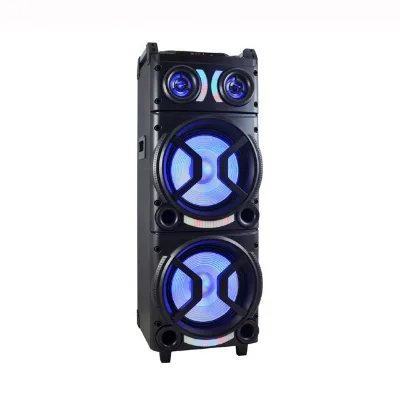

Comprehensive Sourcing Guide
Strategic Sourcing Guide for Wireless Bluetooth Speakers
The global market for wireless audio devices has expanded significantly, driven by the demand for portable connectivity and versatile sound solutions. For B2B buyers, navigating the landscape of wireless Bluetooth speakers requires a disciplined approach to verifying technical specifications, understanding cost structures, and ensuring compliance with international standards. This guide synthesizes observed market data and product attributes to provide a framework for sourcing decisions, focusing on the specific characteristics found in current listings while maintaining strict adherence to verified facts.
Technical Specifications and Connectivity Standards
When evaluating wireless Bluetooth speakers, the primary technical differentiator is the Bluetooth version supported by the device. Market observations indicate a prevalence of Bluetooth 3 and Bluetooth 5 versions in current inventory. Bluetooth 5 offers distinct advantages over earlier iterations, including improved range, higher data transfer speeds, and better power efficiency. Buyers should verify the specific version listed for each product, as this directly impacts the stability of the connection and the compatibility with modern mobile devices.
Connectivity options extend beyond wireless protocols. A robust selection of ports is essential for versatility. Common configurations observed include Bluetooth, USB, and wired connections. Some units also feature specialized inputs such as AUX, TF Card (Memory Card), and USB Disk Support. These features allow the speaker to function as a standalone audio player without requiring a paired smartphone. Additionally, the presence of a Radio tuner and Memory Card Support adds utility for environments where internet connectivity is unreliable.
Physical specifications and power requirements are equally critical. Battery capacity is a key metric, with observed ranges extending from standard portable sizes to high-capacity units falling within the 8001-12000mAh bracket. The cell type is frequently identified as Li-Polymer, which offers a favorable balance of weight and energy density. Charging efficiency is another parameter to note; specific listings indicate charging efficiencies around 75%, a figure that buyers should benchmark against industry norms for their specific use case. Input voltage requirements vary, with common standards including 9V/1.67A and 5V/2A. For wireless charging capabilities, the working distance is a precise specification, with some models operating effectively at distances up to 8mm. Output power ratings are standardized, with 10W, 7.5W, and 5W being common configurations, often aligned with specific charging standards like the 10W standard.
Compliance, Certification, and Safety Protocols
In the B2B sector, compliance is not merely a formality but a prerequisite for market access and liability protection. The most frequently cited certifications in the current product pool are CE and RoHS. The CE mark indicates conformity with health, safety, and environmental protection standards for products sold within the European Economic Area. RoHS (Restriction of Hazardous Substances) ensures that the electronic components do not contain specific hazardous materials, such as lead or mercury, which is critical for environmental compliance and recycling.
Buyers must treat these certifications as verified attributes of specific listings rather than universal guarantees for all products in the category. When sourcing, it is essential to request current certification documentation for each batch. The origin of the products is predominantly China, a major manufacturing hub that offers competitive pricing but requires rigorous quality assurance. Recyclability is another attribute to consider, with some products explicitly marked as recyclable, aligning with corporate sustainability goals.
Safety features are often integrated into the design to protect both the device and the user. Over-current protection is a standard feature in many listings, safeguarding the internal circuitry against power surges. Additionally, the use of ABS (Acrylonitrile Butadiene Styrene) as a primary material provides durability and impact resistance. For outdoor or rugged applications, waterproof ratings and features like TWS (True Wireless Stereo) pairing are significant value-adds. The presence of LED lighting and multi-color light effects is common, though buyers should verify the power consumption implications of these features on battery life.
Cost Drivers and Pricing Dynamics
The pricing structure for wireless Bluetooth speakers is influenced by a complex interplay of factors, including battery capacity, connectivity features, and brand positioning. Observed price ranges in the market span from $1 to $999 USD, reflecting the vast diversity from basic entry-level units to premium, feature-rich systems. This wide variance necessitates a clear definition of the target market segment before engaging with suppliers.
Minimum Order Quantity (MOQ) is a significant cost driver. Data indicates an MOQ range from 1 to 10,000 units. Suppliers accepting small orders (MOQ of 1) are ideal for testing market viability or fulfilling urgent, low-volume needs. However, larger orders typically unlock lower unit costs. Customization is a major factor in pricing; products marked as "Customized" or offering "Customization Available" often command a premium or require higher MOQs to justify the setup costs for branding, packaging, or specific feature modifications.
Material costs also play a role. The use of ABS plastic is standard, but the inclusion of advanced features like wireless charging coils, high-capacity Li-Polymer batteries, or waterproofing seals increases the Bill of Materials (BOM). Standby power consumption, observed at 50MW in some listings, contributes to long-term operational costs if the device is left in a powered state. Buyers should analyze the total cost of ownership, including the efficiency of the charging system and the longevity of the battery, rather than focusing solely on the initial purchase price.
Typical Applications and Usage Scenarios
The versatility of wireless Bluetooth speakers allows them to serve a wide array of applications. The observed usage categories include Computer, Mobile Phone, Portable Player, Home Theatre System, Karaoke, and Stage/DJ environments. This broad applicability means that a single product line can often address multiple market segments.
For mobile and portable use, features like TWS pairing, lightweight design, and waterproofing are paramount. These attributes make the devices suitable for outdoor activities, travel, and personal entertainment. In home theatre and karaoke settings, the emphasis shifts to sound quality, with features like 3D sound stereo, super bass, and multi-color lights enhancing the user experience. The inclusion of a remote control and touch control interfaces is highly valued in these scenarios for ease of operation.
Commercial and professional applications, such as Stage/DJ setups, require robust connectivity and durability. The ability to support multiple inputs, including USB Disk and Memory Card, allows for seamless integration into existing audio systems. The "Universal Split" carrying way suggests designs intended for easy transport and deployment in various locations. For commercial installations, the "Cup" feature and "Power Bank" functionality add utility, allowing the speaker to serve as a charging station for other devices while providing audio.
Supplier Evaluation and Verification
Selecting the right supplier is critical for maintaining product quality and supply chain stability. The market data indicates that many suppliers offer "Small Orders: Accepted," which is beneficial for buyers looking to mitigate risk during the initial sourcing phase. However, the ability to handle large volumes, indicated by the high-end MOQ of 10,000, is a key indicator of a supplier's capacity.
When evaluating suppliers, buyers should verify the "Brand Name" associated with the product. While some listings feature established names like "Hopestar" or "W.Rider," others may be generic or white-label products. The "Customized" attribute suggests that suppliers are willing to engage in OEM or ODM services. Buyers should assess the supplier's flexibility in accommodating specific branding requirements, such as custom packaging (e.g., Color Box) or specific model numbers like "GFT-B002-#2310" or "T5 HOPESTAR."
It is important to note that product attributes should be treated as observations of specific listings rather than universal claims. A supplier may offer a model with Bluetooth 5, while another offers Bluetooth 3. Verification of these specific attributes for the intended order is necessary. The "Compatible Brand" attribute, such as compatibility with iPhone, should be confirmed to ensure seamless integration with the buyer's target customer base.
Quality Control and Long-Term Procurement Considerations
Quality control in the wireless speaker sector must address both functional performance and physical durability. Key areas for inspection include the integrity of the battery, the reliability of the wireless connection, and the durability of the casing. The "Battery is Removable: No" specification in some models implies a sealed design, which can enhance water resistance but complicates battery replacement. Buyers should inquire about the expected lifespan of the battery and the availability of replacement parts.
Long-term procurement considerations involve the scalability of the supply chain. Suppliers that offer "Customization Available" can grow with the buyer's brand, allowing for product evolution without changing suppliers. The "Recyclable" attribute is increasingly important for companies with sustainability mandates. Buyers should ensure that the materials used, such as ABS, and the manufacturing processes align with their environmental goals.
The "Working Distance" of 8mm for wireless charging and the "Wireless Range" of more than 10 meters are specific performance metrics that should be validated through testing. These figures are not merely marketing claims but functional requirements that affect user satisfaction. For high-volume orders, establishing a quality assurance protocol that includes testing for these specific parameters is essential.
Comparative Analysis of Product Attributes
To facilitate decision-making, the following table summarizes key attributes observed in the market, highlighting the variations available to buyers.
| Attribute Category | Observed Variations | Key Considerations for Buyers |
|---|---|---|
| Bluetooth Version | 3, 5 | Verify version for compatibility and range; Bluetooth 5 is preferred for modern devices. |
| Battery Capacity | Standard to 8001-12000mAh | Higher capacity extends playtime but increases weight and cost. |
| Connectivity | Bluetooth, USB, Wired, AUX, TF Card | Ensure the specific ports match the intended usage scenario (e.g., USB Disk support). |
| Special Functions | Radio, Remote Control, TWS, Waterproof, LED | Prioritize functions based on the target application (e.g., Waterproof for outdoor). |
| Certification | CE, RoHS | Mandatory for EU market access; verify documentation for each batch. |
| Customization | Available / Customized | Assess MOQ requirements and lead times for branded or modified units. |
| Material | ABS | Check for durability and impact resistance, especially for portable models. |
| Charging | Electric, Wireless, Quick Charging | Verify input/output specs (e.g., 10W, 7.5W) and charging efficiency. |
Conclusion
Sourcing wireless Bluetooth speakers requires a meticulous approach that balances technical specifications, compliance requirements, and cost considerations. The market offers a diverse range of products, from basic portable units to advanced systems with wireless charging and multi-functional capabilities. By focusing on verified attributes such as Bluetooth versions, battery capacities, and certification status, buyers can make informed decisions that align with their specific business needs. The ability to customize products and the availability of small order options provide flexibility for businesses of all sizes. Ultimately, successful procurement relies on rigorous supplier evaluation, clear communication of requirements, and a commitment to quality control throughout the supply chain.
FAQs
What connectivity options do these speakers support?
These speakers support Bluetooth, USB, and wired connections. Some models also include AUX input, TF card slots, and radio tuners for versatile audio playback without a smartphone.
Which Bluetooth versions are available in the current inventory?
The inventory features both Bluetooth 3 and Bluetooth 5 versions. Bluetooth 5 offers improved range and data transfer speeds compared to the earlier Bluetooth 3 iteration.
Can I order small quantities for testing purposes?
Yes, small orders are accepted by many suppliers. Minimum order quantities range from 1 to 10,000 units, allowing flexibility for initial market testing or urgent needs.
What certifications ensure safety and compliance for these devices?
Certified products carry CE and RoHS marks. These indicate conformity with European safety standards and restrictions on hazardous substances, ensuring environmental and user safety compliance.
How is the battery capacity defined for high-end models?
High-capacity models feature batteries ranging from 8001 to 12000mAh. These units typically use Li-Polymer cells and include over-current protection for safe operation.
Which customization options are available for branding?
Customization is available for branding, packaging, and specific features. Suppliers can accommodate requests for custom model numbers, color boxes, and tailored product specifications.
What is the typical wireless range for these speakers?
The wireless range is typically more than 10 meters. This ensures stable connectivity for portable use in various environments without requiring close proximity to the source device.