Source Wireless BT Ergonomic Game Controller with Vibration Motor for PC, Switch, and Android
Find 30 listings for a Wireless BT Ergonomic Game Controller with Vibration Motor compatible with PC, Nintendo Switch, and Android devices. Buyers can compare specs like battery capacity, connectivity, and motion sensing features to select the right supplier.
Key considerations
Products List


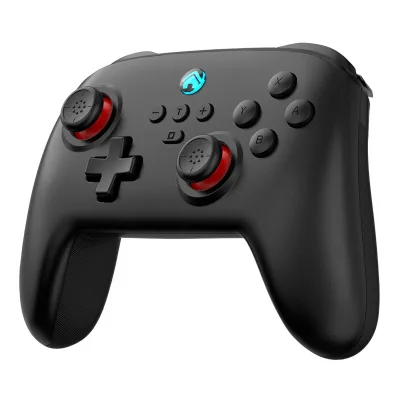
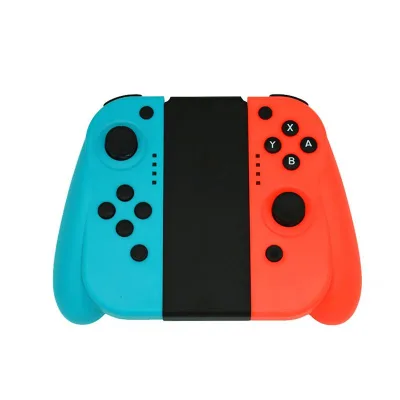
New Vibration Motion-Sensing Gamepad Wireless Game Controller for Switch
$8.30 - $9.80
MOQ: 100 pieces


Wireless Bt Gamepad Vibration Wakeup Game Controller for Nintendo Switch Controller
$10.50 - $12.50
MOQ: 10 Pieces


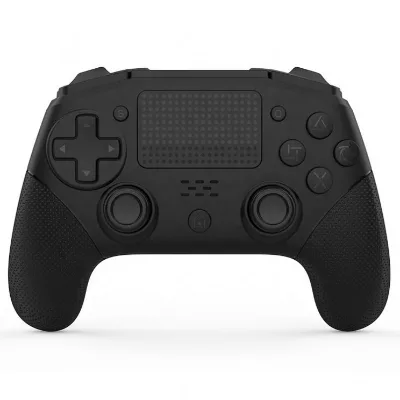
Switch Multi-Function Wireless Bluetooth Game Controller for Android and Ios
$17.60 - $19.50
MOQ: 50 Pieces





Comprehensive Sourcing Guide
Strategic Sourcing Guide for Wireless Bluetooth Ergonomic Game Controllers with Vibration Motors
Understanding the Technical Architecture and Core Specifications
When sourcing a wireless Bluetooth ergonomic game controller with vibration motors, buyers must first dissect the underlying technical architecture to ensure the device meets the specific demands of their target market. The product landscape for these controllers is diverse, ranging from basic input devices to high-fidelity peripherals designed for complex gaming environments. A critical observation in the current market data indicates that modern units often feature a hybrid connectivity approach, supporting both Bluetooth-compatible wireless and wired connections. This duality is essential for buyers seeking to minimize latency during competitive play while maintaining the convenience of untethered movement.
The ergonomic design is frequently defined by the inclusion of specific motion-sensing technologies. Advanced models in this category integrate a six-axis gyroscope, which allows for precise motion control and enhances the immersion of the gaming experience. This feature is often paired with 3D joysticks that boast a high actuation lifespan, such as one million actuations, ensuring durability under heavy usage conditions. The tactile feedback mechanism is another pivotal specification; the presence of built-in vibration motors, typically configured as two or four units, provides haptic feedback that is crucial for realistic game interaction.
Power management is a significant technical consideration for wireless units. The market data reveals a variance in battery capacities, with observed specifications ranging from 400mAh to 600mAh Lithium-Ion batteries. Buyers must verify the specific capacity required for their use case, as higher capacity generally correlates with longer operational hours but may increase the overall weight and dimensions of the device. The input voltage for these units is standardly DC 5V, while the working voltage for the internal components often operates within a range of DC 2.7V to 3V. The working current typically falls between 20mA and 40mA, with vibration motors drawing a higher current, ranging from 50mA to 300mA during active feedback.
The physical dimensions and weight are also critical for ergonomic assessment. Standardized specifications for certain models indicate a footprint of approximately 16.0cm by 10.5cm with a height of 5.8cm, while other variants may measure 16.0cm by 12.3cm by 6.5cm. The weight of these units is generally light, with observed specifications around 0.319kg, and a gross weight including packaging often cited near 0.335kg. The material composition is predominantly ABS plastic, which offers a balance of durability, cost-effectiveness, and the ability to be molded into complex ergonomic shapes. Color options typically include white, black, and transparent finishes, allowing for customization based on aesthetic preferences.
Compatibility Ecosystem and Platform Integration
The utility of a wireless game controller is heavily dependent on its compatibility with various operating systems and gaming platforms. A robust sourcing strategy requires verifying that the selected controller supports a wide array of devices to maximize market reach. The observed data confirms that high-confidence compatibility extends to major consoles and personal computing platforms, including the Nintendo Switch, PlayStation 4, Android, iOS, and PC. This cross-platform capability is a significant value driver, as it allows the device to serve a broader customer base without requiring multiple SKUs for different ecosystems.
In addition to the primary gaming platforms, some models in the supply chain demonstrate compatibility with legacy systems such as the Nintendo DS (NDS). This broadens the potential application scope to include retro gaming enthusiasts or specific educational and training applications. The connectivity interface is another vital component of the compatibility ecosystem. While Bluetooth is the standard for wireless operation, the inclusion of wired connectivity options ensures that the device remains functional even in environments with high radio frequency interference or when battery power is depleted.
Buyers should also pay close attention to the wireless transmission distance, as this dictates the usability of the controller in different physical setups. Specifications indicate a typical wireless distance of about 8 meters, which is sufficient for most living room and office environments. However, for industrial or large-scale applications, this range should be validated against specific site requirements. The user manual language is another factor that influences compatibility and ease of use; standard documentation is often provided in both English and Chinese, facilitating global distribution and support.
Compliance, Certification, and Regulatory Standards
Navigating the regulatory landscape is a non-negotiable aspect of B2B procurement for electronic gaming peripherals. While the specific certification status of every individual unit in a supply chain may vary, buyers must insist on documentation that verifies compliance with international safety and quality standards. The provided data highlights the presence of ISO and CE certifications as high-confidence facts within the product attributes. These certifications are indicative of adherence to European safety standards and international quality management systems, which are often prerequisites for selling in regulated markets.
The ISO certification suggests that the manufacturing process follows a standardized quality management approach, ensuring consistency in production and reducing the risk of defects. The CE marking is a mandatory conformity mark for products sold within the European Economic Area, signifying that the product meets health, safety, and environmental protection requirements. For buyers targeting North American or Asian markets, additional certifications such as FCC (Federal Communications Commission) for electromagnetic interference or RoHS (Restriction of Hazardous Substances) for material safety may be required, though these specific marks are not explicitly listed in the provided context.
It is crucial for buyers to verify that the "ISO CE" designation applies to the specific model being sourced, as certifications can sometimes be generic to a manufacturer rather than specific to a product line. The absence of explicit mention of other standards in the provided text does not imply non-compliance but rather necessitates a direct inquiry with the supplier to obtain the full certificate portfolio. Buyers should also check for compliance with local battery regulations, given the presence of Lithium-Ion batteries with capacities ranging from 400mAh to 600mAh. These batteries are subject to strict transport and safety regulations, particularly regarding their classification as hazardous materials during shipping.
Cost Drivers and Pricing Dynamics
The pricing structure for wireless Bluetooth ergonomic game controllers is influenced by a complex interplay of factors, including component quality, feature set, and production volume. The observed market data indicates a significant price range, with units listed between $2.98 and $5,000. This wide disparity suggests that the market includes both entry-level, mass-produced devices and high-end, specialized controllers with advanced features or custom engineering. The lower end of the price spectrum likely corresponds to basic models with standard ABS construction and minimal features, while the higher end may encompass units with premium materials, advanced motion sensing, or custom branding.
Minimum Order Quantity (MOQ) is another critical cost driver. The data shows an MOQ range of 1 to 100 units, offering flexibility for buyers ranging from small startups to large enterprise procurement teams. Lower MOQs allow for testing the market with smaller batches, reducing financial risk, but may result in a higher unit cost due to the lack of economies of scale. Conversely, higher volume orders typically unlock better pricing tiers but require a larger upfront capital commitment. Buyers must balance their cash flow constraints with their volume forecasts to optimize the total cost of ownership.
Additional cost factors include the complexity of the packaging and the customization options available. The product attributes indicate that packaging can range from standard cartons to colored boxes, with some units shipped in plywood crates for heavy-duty protection. Customization is explicitly listed as available, which can add to the cost but provides a competitive advantage in the market. The inclusion of specific features like 3D joysticks with a million-actuation lifespan or six-axis gyroscopes will also impact the final price. Buyers should request detailed cost breakdowns to understand the contribution of each component to the total price and to identify potential areas for cost reduction without compromising quality.
Supplier Evaluation and Operational Capabilities
Selecting the right supplier is paramount to the success of a procurement project. The provided data identifies specific sales managers, such as Vivian, Sakura, and Shalin, which suggests a structured sales organization. However, buyers should not rely solely on individual contact points but rather evaluate the overall operational capabilities of the supplier. The location of the manufacturing origin is consistently listed as China, with specific mentions of Guangzhou as a production hub. This region is known for its robust electronics manufacturing ecosystem, offering access to a wide range of components and skilled labor.
When evaluating suppliers, buyers should assess their production capacity and lead times, although specific lead time data is not provided in the context. The availability of customization services is a strong indicator of a supplier's flexibility and ability to meet unique client requirements. The presence of detailed product specifications, such as model numbers (e.g., 6816000618C, 681600354A, 681600385B) and SKUs, demonstrates a level of organization and traceability that is essential for quality control and inventory management.
Buyers should also verify the supplier's ability to handle logistics and packaging. The data mentions various packing methods, including cartons, plywood, and colored boxes, indicating that the supplier can adapt to different shipping requirements. The gross weight and volume weight specifications (0.335kg and 0.287kg respectively) are critical for calculating shipping costs and optimizing container utilization. A reliable supplier will provide accurate logistics data to ensure that the total landed cost is predictable and that the supply chain remains efficient.
Quality Control and Long-Term Procurement Considerations
Ensuring consistent quality is a continuous process that extends beyond the initial purchase. For wireless game controllers, key quality metrics include the reliability of the Bluetooth connection, the durability of the joysticks, and the longevity of the battery. The specification of 3D joysticks with a one-million actuation lifespan is a strong indicator of durability, but buyers should still request test reports or samples to verify these claims. The vibration motors, with their specific current draw, should be tested for consistency and noise levels to ensure they do not interfere with the user experience.
Long-term procurement considerations involve establishing a relationship with a supplier that can support future growth and adaptation. The availability of user manuals in multiple languages and the support for various platforms suggest that the product is designed for a global market. However, buyers should ensure that the supplier has a plan for ongoing firmware updates and technical support to address any issues that may arise post-launch. The compatibility with platforms like Android and iOS requires regular testing to ensure that new operating system updates do not break connectivity.
Packaging and storage conditions are also important for maintaining product quality. The use of cartons or plywood crates suggests that the supplier considers the protection of the product during transit. Buyers should verify that the packaging materials are suitable for the specific environmental conditions of the destination market, particularly regarding humidity and temperature fluctuations. The standard dimensions and weight of the products should be used to optimize storage space and minimize handling costs in the buyer's distribution centers.
Comparative Analysis of Product Variants
To facilitate informed decision-making, buyers can compare the different product variants based on the available specifications. The following table summarizes the key differences between the observed models, highlighting their unique attributes and potential use cases.
| Feature | Model 6816000618C | Model 681600354A | Model 681600385B |
|---|---|---|---|
| Primary Type | CNC Controller (Contextual) | Gamepad | Gamepad |
| Battery Capacity | Not Specified | 500mAh | 600mAh |
| Dimensions | 16.0cm x 10.5cm x 5.8cm | Not Specified | 16.0cm x 12.3cm x 6.5cm |
| Weight | Not Specified | 0.319kg | Not Specified |
| Compatibility | PC, Smartphones, Tablets | PS4, Android, iOS, N-Switch, PC | NDS, PS4, Android, iOS, N-Switch, PC |
| Vibration | Not Specified | 2/4 Built-in Motors | Not Specified |
| Motion Sensing | Six-Axis Gyroscope | Not Specified | Not Specified |
| Material | Not Specified | ABS | ABS |
| Color Options | Not Specified | White, Black, Transparent | Not Specified |
| Sales Contact | Vivian | Sakura | Shalin |
This comparison reveals that while all models share common features like ABS material and Bluetooth connectivity, they differ significantly in battery capacity, dimensions, and platform compatibility. Model 681600385B offers the highest battery capacity and the broadest platform support, including legacy systems, making it suitable for a diverse market. Model 6816000618C, while labeled as a CNC controller in the data, shares the same physical dimensions and motion sensing capabilities as the gamepad variants, suggesting a potential overlap in technology or a data classification nuance that requires clarification.
In conclusion, sourcing a wireless Bluetooth ergonomic game controller with vibration motors requires a meticulous approach that balances technical specifications, regulatory compliance, cost efficiency, and supplier reliability. By leveraging the detailed product attributes and market data available, buyers can make informed decisions that align with their strategic objectives and ensure the delivery of high-quality products to their customers. The diversity in the market offers ample opportunities for customization and innovation, provided that the procurement process is grounded in rigorous verification and quality assurance practices.
FAQs
What certifications do the controllers have?
The controllers carry ISO and CE certifications as high-confidence facts. These marks indicate adherence to international quality management systems and European safety standards, though buyers should verify specific model compliance before procurement.
Which platforms are compatible with the device?
The devices support Nintendo Switch, PC, Smartphones, Tablets, PS4, Android, iOS, and NDS. This broad compatibility allows the controller to function across major gaming ecosystems and legacy systems without requiring multiple SKUs.
Can the product be customized for buyers?
Customization is available for this product line. Buyers can request specific modifications to meet unique requirements, though the extent of changes depends on the supplier's production capabilities and the selected model specifications.
What is the battery capacity of the units?
Battery capacities range from 400mAh to 600mAh Lithium-Ion depending on the specific model. Higher capacity generally offers longer operational hours but may slightly increase the overall weight and dimensions of the device.
Where are these products manufactured?
The products originate from China, with specific manufacturing hubs located in Guangzhou. This location provides access to a robust electronics ecosystem, though buyers should confirm current production capacity and lead times directly with suppliers.
What is the wireless distance range?
The wireless distance is approximately 8 meters for standard models. This range is sufficient for most living room and office environments, but buyers should validate performance in specific settings with high radio frequency interference.