Source Women Chino Pants for Office, Travel, and Casual Wear
Explore 30 options for Women Chino Pants with varying styles, fabrics, and fits. Compare thin cotton blends, high-waist designs, and straight or skinny legs to find suitable trousers for diverse sourcing needs; compare the available evidence and request quotations based on your requirements.
Key considerations
Products List


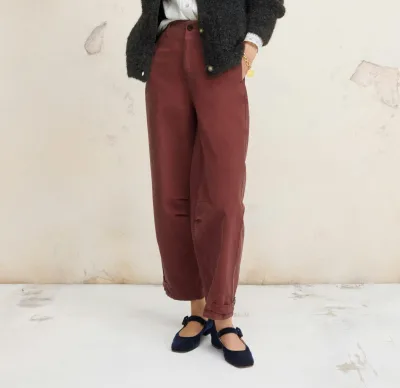




Comprehensive Sourcing Guide
Women Chino Pants Sourcing Guide
The women's chino pants market presents a diverse array of options ranging from slim, skinny fits to loose, sporty silhouettes, with specific models like YOL-WP1504K and Clothing-037E representing distinct design approaches. Buyers must navigate a landscape where fabric composition varies significantly, with some listings specifying pure cotton or cotton blends while others utilize denim or generic fabric descriptions. Seasonal availability is another critical factor, as products are explicitly categorized for summer wear or spring and autumn use, requiring procurement teams to align inventory cycles with regional climate demands.
Sourcing decisions should also account for the wide variance in product dimensions and styling details observed in current listings. While some items feature thin profiles and skinny trouser legs, others are designed with normal thickness and straight or bell-bottom cuts to accommodate different body types. The presence of customization options and OEM capabilities suggests that many manufacturers can adapt these garments for private labeling, yet the specific model numbers and origin locations, such as Fujian or Liaoning, indicate that supply chains are fragmented across different manufacturing hubs in China.
Product Scope and Observed Listing Signals
Buyers should first analyze the observed price range of 0.5 to 20 USD to understand the tiered nature of the available inventory, which spans from basic utility wear to potentially more styled variants. This wide financial spread often correlates with differences in material quality, such as the distinction between standard cotton and pure cotton blends, or the complexity of features like printing and pocket designs. Understanding this spectrum helps in setting realistic budget expectations for different product lines within a single order.
The minimum order quantities (MOQ) observed between 2 and 1000 units further dictate the entry strategy for new buyers versus established retailers. Small MOQs allow for testing specific styles like the Clothing-006P or 020A1-030 without significant capital commitment, whereas larger orders may be necessary to secure better unit economics for high-volume SKUs. Additionally, the variety in packing methods, from single bags to carton shipments of ten pieces, impacts logistics planning and storage requirements for the receiving warehouse.
Technical Specifications to Verify
Verification of fabric composition is paramount, as listings explicitly mention cotton, pure cotton, and blend materials, each offering distinct performance characteristics regarding breathability and durability. Buyers must confirm the exact fiber content to ensure the final product meets the intended use case, whether it is for high-activity summer wear or more structured spring and autumn attire. The distinction between pure cotton and blends can significantly affect the garment's shrinkage rate and colorfastness over time.
Dimensional consistency and style attributes require rigorous checking against the provided specifications, such as the S size, free size options, and specific lengths like long or normal thickness. The variation in trouser leg styles, including skinny, straight, and bell bottom, necessitates clear communication of fit requirements to avoid receiving mismatched inventory. Furthermore, specific model identifiers like Clothing-014J or P7 should be cross-referenced with physical samples to ensure the design intent matches the technical data sheet.
Compliance and Safety Documentation
While some listings reference international, EU, and UK standards, buyers must independently verify that the specific supplier holds valid certifications for the target export markets. The presence of CE marking on certain items suggests a baseline of compliance, but this should not be assumed for all products without direct confirmation from the manufacturer. Procurement teams should request current test reports to validate that the garments meet the safety and chemical restrictions required for the destination country.
Documentation regarding material safety is equally critical, particularly given the mention of cotton and blend fabrics which may be subject to specific chemical regulations. Although background knowledge suggests certifications like OEKO-TEX or GOTS, these cannot be asserted as facts for the listed products without explicit supplier confirmation. Buyers should therefore include clauses in their contracts requiring proof of compliance with relevant textile safety standards before finalizing any purchase agreement.
Cost Drivers and Commercial Terms
The cost structure for women's chino pants is heavily influenced by the complexity of customization and the specific packing requirements chosen by the buyer. Options such as hanging in containers versus standard bagging or OPP bags can alter the final landed cost due to differences in packaging materials and labor intensity. Additionally, the availability of OEM services implies that custom branding and design modifications will incur extra charges beyond the base unit price.
Commercial terms must be negotiated with attention to the observed MOQ ranges and the potential for volume discounts as order quantities increase. The wide range of minimums, from as low as two pieces to as high as ten thousand, suggests that suppliers may offer tiered pricing structures that are not immediately visible in initial listings. Buyers should clarify whether the listed prices include all duties and taxes or if these are separate costs to be managed by the importer.
Supplier Qualification and Quality Control
Supplier qualification should focus on verifying the origin of goods, as listings indicate production in specific regions like Fujian and Liaoning, each with different manufacturing capabilities and quality reputations. Buyers must assess the supplier's ability to maintain consistency across different models, such as the transition from slim styles to loose fits, to ensure that quality standards do not fluctuate based on the specific design. A robust quality control plan should be established to inspect random samples from each production batch.
Quality control protocols must also address the specific features listed, such as pocket designs, waist styles, and decoration elements like printing. Since some products feature multiple pockets or specific waist designs like high waist or no belt, these details are prone to manufacturing errors if not closely monitored. Implementing a pre-shipment inspection that checks for stitching integrity, color consistency, and accurate labeling is essential to prevent costly returns or customer dissatisfaction.
Long-Term Procurement Checks
Establishing a long-term relationship requires regular audits of the supplier's ability to maintain the specified standards and adapt to changing market demands. Buyers should monitor the supplier's performance regarding lead times and their capacity to handle the observed range of order sizes, from small trial runs to large-scale production runs. Consistent communication regarding updates in fabric availability or design trends will help in maintaining a competitive edge in the women's chino pants market.
Continuous verification of product attributes is necessary to ensure that the items delivered continue to match the initial specifications and customer expectations. As the market evolves, the supplier must demonstrate flexibility in adjusting styles, such as shifting from skinny to straight legs or updating color palettes like light blue and army green. Regular performance reviews should be conducted to assess the supplier's adherence to agreed-upon quality metrics and their responsiveness to any issues that arise during the supply chain.
FAQs
What customization options are available for Women Chino Pants?
Customization is available for these Women Chino Pants, allowing buyers to tailor specific attributes to their needs. Suppliers offer flexible production capabilities, including OEM services and customized standards. This ensures that the final product aligns with unique brand requirements or specific market demands without compromising on quality or design integrity.
Which fabrics are used in these Women Chino Pants?
These Women Chino Pants are crafted from various fabrics, including cotton, pure cotton, blend materials, and denim. The selection depends on the specific model and style requested. Cotton options provide comfort and breathability, while blends and denim offer durability and distinct aesthetic finishes suitable for different seasonal and stylistic preferences.
Can I find Women Chino Pants with specific pocket designs?
Yes, specific pocket designs are available, including side pockets and multiple pockets. These features enhance functionality and style for various fashion needs. Buyers can select models that prioritize practical storage solutions, ensuring the pants meet both aesthetic preferences and practical utility requirements for everyday wear or active use.
What are the standard packaging methods for these pants?
Standard packaging methods include individual bags, cartons, hanging in containers, PP packaging, OPP bags, and single packs. The choice depends on the supplier and order volume. These methods ensure safe transit and easy handling, protecting the garments from damage while facilitating efficient inventory management and retail display preparation for buyers.
Where are these Women Chino Pants manufactured?
These Women Chino Pants are manufactured in China, with specific origins noted in Fujian and Liaoning provinces. This location offers established textile infrastructure and supply chain efficiency. Buyers can leverage these regional manufacturing hubs to access competitive pricing and reliable production capabilities, ensuring timely delivery and consistent quality for international orders.
What styles are offered for Women Chino Pants?
Various styles are offered, including slim, sport, loose, and high waist designs. These styles cater to diverse fashion trends and body types. Buyers can choose from skinny, straight, or bell-bottom trouser legs, ensuring the selection matches current market demands and consumer preferences for comfort, fit, and contemporary aesthetic appeal in casual wear.