Source Women Makeup Bag for Travel, Business, and Family Use
Find 30 options for a Women Makeup Bag designed for travel, business trips, and family use. Compare features like waterproof cotton and PU materials, zipper closures, and customizable sizes to find the right fit for your sourcing needs.
Key considerations
Products List


Cosmetic Bag Women's Makeup Brush Bag Travel Cosmetic Brushes Rolling Bags
$2.79 - $3.49
MOQ: 100 Pieces


Flower Print Portable Women Pouch Toiletry Organizer Makeup Cosmetic Bag
$0.20 - $1.00
MOQ: 1000 Pieces

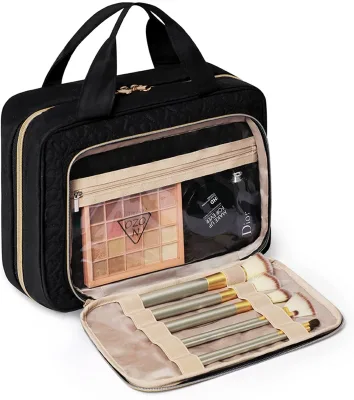


Comprehensive Sourcing Guide
Women Makeup Bag Sourcing Guide
Sourcing women’s makeup bags requires a nuanced understanding of material durability, aesthetic customization, and functional design. These accessories serve as essential organizational tools for personal care items, bridging the gap between travel convenience and daily household use. Buyers must navigate a market where product attributes vary significantly, from waterproof PU leather options to soft cotton pouches, each catering to different end-user preferences and brand positioning strategies. The diversity in materials and intended uses means that a one-size-fits-all approach to procurement is rarely effective; instead, successful sourcing relies on aligning specific product features with target market demands.
The procurement landscape for these items is characterized by a wide range of customization capabilities and varying minimum order quantities. Suppliers often offer extensive options for color, size, and branding, allowing buyers to tailor products to specific seasonal trends or corporate gifting needs. However, this flexibility comes with complex commercial terms, including variable lead times and distinct pricing structures based on order volume. Understanding these dynamics is crucial for maintaining healthy inventory levels and ensuring that the final product meets both quality expectations and budgetary constraints without compromising on design integrity.
Product Scope and Observed Listing Signals
The current market for women’s makeup bags exhibits a broad spectrum of material compositions and functional attributes. Observed listings indicate that products are available in materials such as cotton and PU, with some variants featuring nylon interiors. These material choices directly influence the bag’s durability, texture, and suitability for different environments. For instance, PU materials are often associated with a sleek, modern aesthetic and are frequently marketed as waterproof, making them ideal for travel and professional use. In contrast, cotton options may offer a softer, more tactile experience, appealing to buyers seeking a natural or eco-friendly aesthetic, although their water resistance may be limited compared to synthetic alternatives.
Functional attributes also play a critical role in defining the product scope. Many listed items are described as waterproof, portable, and hangable, which are key selling points for travelers and busy professionals. The closure types predominantly feature zippers, ensuring secure storage for delicate cosmetics and toiletries. Additionally, the shape and size of these bags vary, with horizontal square designs and medium sizes being common observations. Some products are explicitly designed for specific genders, such as female-targeted bags in pink or black, while others are marketed as unisex. These signals help buyers identify products that align with their specific customer demographics and usage scenarios, whether for family use, business trips, or camping.
Technical Specifications to Verify
When evaluating technical specifications, buyers must pay close attention to the physical dimensions and structural integrity of the makeup bags. Standard sizes such as 18711cm are observed in some listings, providing a baseline for storage capacity and portability. However, many suppliers offer customized sizes, which requires precise communication of internal dimensions to ensure compatibility with the intended products. The hardness of the material is another critical specification, ranging from medium soft to soft, which affects how the bag holds its shape and protects its contents. Verifying these attributes through samples is essential, as visual representations on product pages may not accurately convey the tactile experience or structural rigidity of the final product.
Customization options extend beyond size and color, encompassing packaging and branding elements. Suppliers may offer various packing methods, from individual polybags into boxes to standard carton packaging, which impacts shipping efficiency and retail presentation. The inclusion of fashion elements, such as stitching, can enhance the aesthetic appeal but must be verified for quality to prevent premature wear. Additionally, the origin of the product, whether from Guangzhou, Ningbo, or other regions in China, can influence logistics and supply chain reliability. Buyers should confirm these details to ensure that the technical specifications meet their operational requirements and quality standards.
Compliance and Safety Documentation
Compliance and safety documentation are vital for ensuring that makeup bags meet regulatory requirements in target markets. While specific certifications such as REACH and RoHS are mentioned in background contexts, buyers must verify the actual certification status of each supplier and product batch. These certifications are particularly important for products intended for the European market, where strict regulations govern the use of chemicals in consumer goods. Ensuring that materials like PU, cotton, and nylon comply with these standards helps mitigate risks associated with hazardous substances and enhances brand credibility.
In addition to chemical compliance, buyers should request documentation related to product safety and quality control. This includes test reports that verify the durability of zippers, the integrity of stitching, and the effectiveness of waterproof coatings. For products marketed as waterproof, independent test results can provide assurance that the claim is substantiated. Buyers should also inquire about the supplier’s quality management systems and their adherence to international standards. This due diligence helps ensure that the products are not only compliant but also consistent in quality, reducing the likelihood of defects and customer complaints.
Cost Drivers and Commercial Terms
Cost drivers for women’s makeup bags are influenced by material selection, customization complexity, and order volume. Materials such as PU and nylon typically command different price points compared to cotton, depending on quality and sourcing. Customization options, including specific colors, sizes, and branding, can increase production costs due to the additional labor and setup required. Minimum order quantities (MOQs) vary significantly, ranging from 300 pieces to 12,000 pieces, with some suppliers imposing higher MOQs for specific colors or custom designs. Understanding these cost drivers is essential for negotiating favorable terms and managing inventory costs effectively.
Commercial terms, including lead times and payment conditions, also impact the overall cost of procurement. Delivery times can range from 7 days for samples to 35-45 days for bulk orders, depending on the complexity of the order and the supplier’s production capacity. Buyers should factor these lead times into their planning to avoid stockouts or excess inventory. Additionally, payment terms and shipping costs should be clearly defined in contracts to prevent unexpected expenses. By carefully analyzing these commercial terms, buyers can optimize their procurement strategy and achieve better cost efficiency.
Supplier Qualification and Quality Control
Supplier qualification is a critical step in ensuring the reliability and quality of women’s makeup bags. Buyers should assess suppliers based on their production capabilities, quality control processes, and track record. This includes verifying the supplier’s ability to meet customization requirements and maintain consistent quality across batches. Requesting references and conducting site audits can provide valuable insights into the supplier’s operational standards and ethical practices. Additionally, buyers should evaluate the supplier’s responsiveness and communication skills, as these factors are crucial for resolving issues and maintaining a smooth supply chain.
Quality control measures should be implemented throughout the production process to ensure that the final products meet specified standards. This includes pre-production samples, in-process inspections, and final random inspections before shipment. Buyers should define clear acceptance criteria for defects, such as stitching errors, zipper malfunctions, or material inconsistencies, and communicate these to the supplier. Implementing a robust quality control plan helps minimize the risk of receiving substandard products and ensures that the buyer’s brand reputation is protected. Regular feedback and continuous improvement discussions with suppliers can further enhance product quality and supplier performance.
Long-Term Procurement Checks
Long-term procurement checks involve monitoring supplier performance and adapting to market changes to maintain a competitive edge. Buyers should establish key performance indicators (KPIs) to track supplier reliability, quality consistency, and delivery timeliness. Regular reviews of these metrics can help identify potential issues early and facilitate corrective actions. Additionally, buyers should stay informed about emerging trends in materials, designs, and consumer preferences to ensure that their product offerings remain relevant. This proactive approach allows buyers to anticipate market shifts and adjust their sourcing strategies accordingly.
Sustainability and ethical sourcing are increasingly important considerations for long-term procurement. Buyers should evaluate suppliers’ commitment to environmental responsibility and ethical labor practices, as these factors can impact brand image and consumer loyalty. Engaging with suppliers on sustainability initiatives, such as using eco-friendly materials or reducing waste, can enhance the overall value proposition of the products. By prioritizing long-term relationships and continuous improvement, buyers can build a resilient supply chain that supports their business growth and meets the evolving needs of their customers.
FAQs
What materials are used for women makeup bags?
Women makeup bags are commonly made from cotton or PU materials. Some models feature nylon inside linings for durability. The specific material depends on the product model selected by the buyer.
Can I customize the color of the makeup bag?
Yes, customization is available for the color of the makeup bag. Buyers can request any color or specific shades like pink or black. Custom orders typically require meeting a minimum quantity threshold.
What is the minimum order quantity for these bags?
The minimum order quantity varies by supplier and product model. Some listings require 300 pieces while others may need 10,000 pieces. Buyers should check specific product pages for exact MOQ requirements.
How long does it take to receive samples?
Sample delivery times generally range from 7 to 10 days. Some suppliers offer samples within 7 days while others may take up to 10 days. This timeframe allows buyers to verify product quality before bulk orders.
Are these makeup bags waterproof?
Waterproof capabilities depend on the specific product model. Some bags are fully waterproof while others are not. Buyers should verify the waterproof attribute for each item before placing an order.
Where are these makeup bags manufactured?
These makeup bags are manufactured in China, with specific origins including Guangzhou and Ningbo. The location affects shipping logistics and lead times for international buyers. Buyers should confirm the origin for their specific order.
What sizes are available for the makeup bags?
Available sizes include medium dimensions and customized options. Some standard models measure 18 by 7 by 11 centimeters. Custom sizes can be arranged to meet specific storage needs for travel or household use.