Source Eco Friendly Kids Surprise Capsule for Vending, Promotions, and Gifts
Compare 30 listings of Eco Friendly Kids Surprise Capsule from Guangdong suppliers with varying MOQs and sizes. Buyers can evaluate options for vending machines, promotional events, and children's gifts based on material and customization features.
Key considerations
Products List
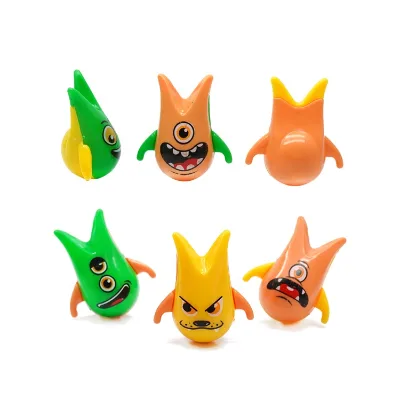
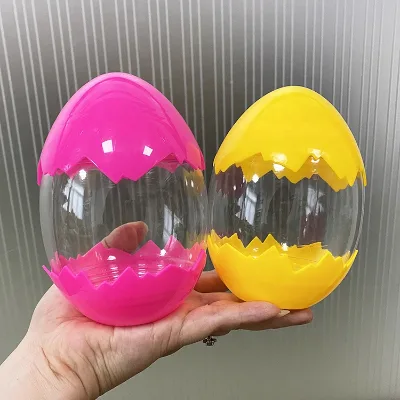
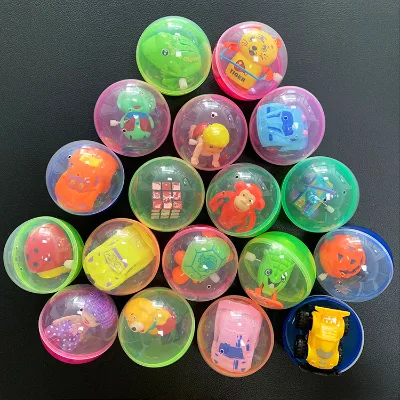
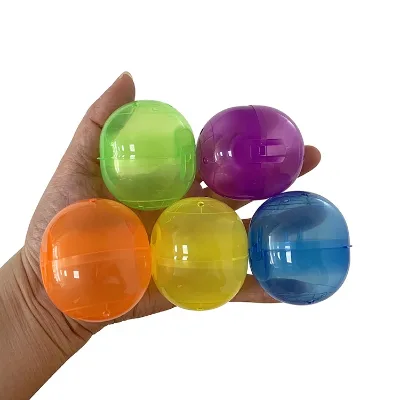
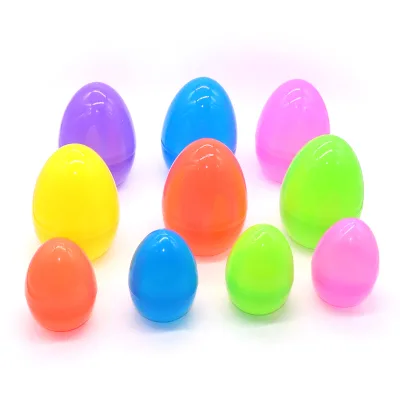
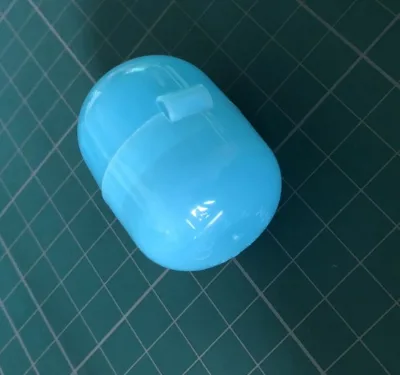
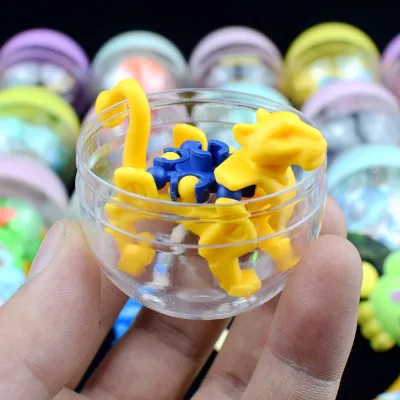

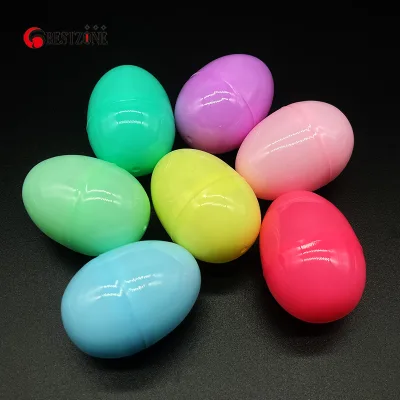
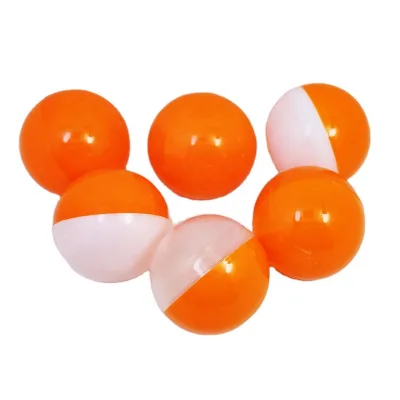
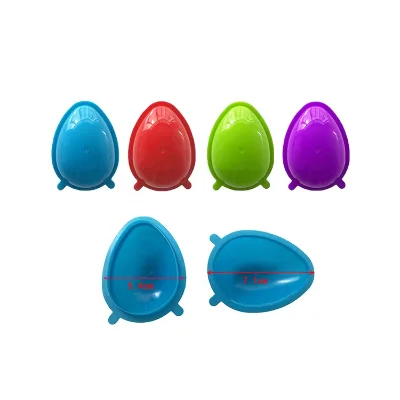
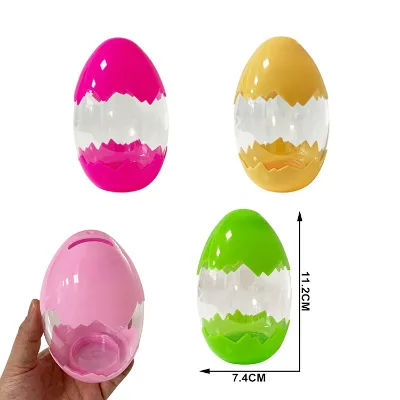
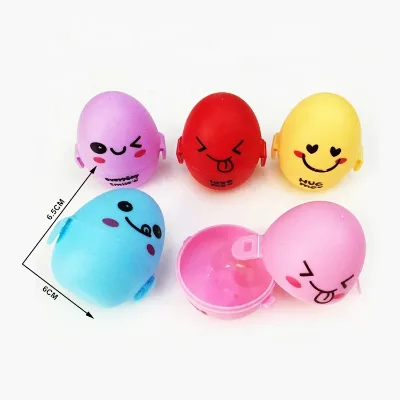


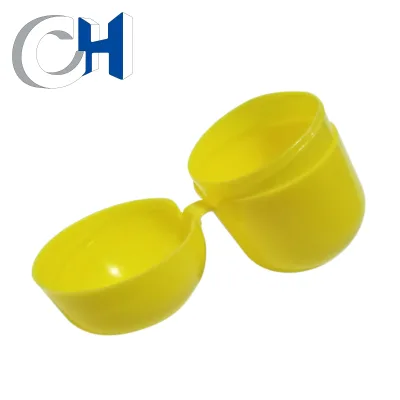
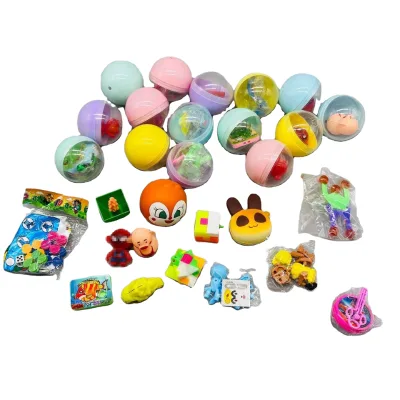
Fashion Baby Surprise Capsule Doll Toy Candy for Girls Surprise Egg Toy Candy
$161.00 - $164.00
MOQ: 150 Boxes

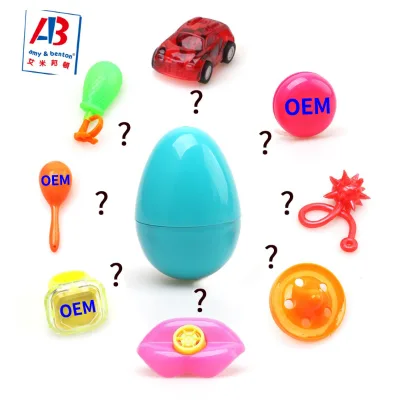
Hot Sale Assorted Styles Surprise Egg Capsule Toy for Kids Interactive Surprise Toy
$0.28 - $0.41
MOQ: 1800 Pieces


Youthful Gut Renewal: Natural Supplement for Stress Relief and Wellness
$0.44 - $0.49
MOQ: 300000 Pieces

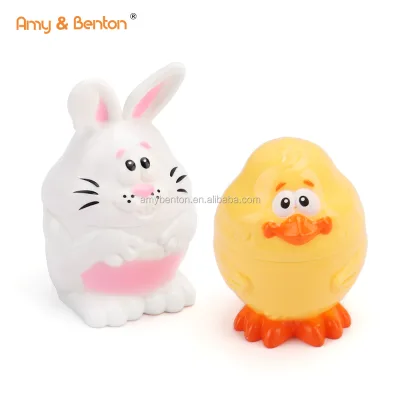

Children Probiotic Herbal Blend Spinach Kale Beetroot Vegan Capsule for Gut Health
$0.01 - $0.06
MOQ: 300000 Pieces

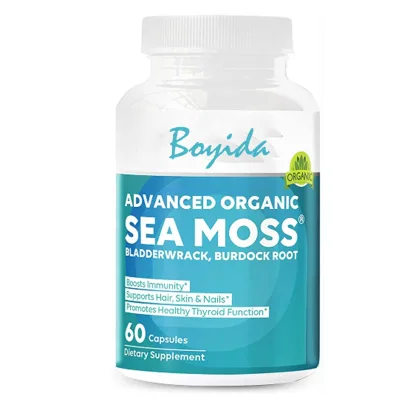
Nutrifirst OEM 3-Layer Probiotic Crystal Ball Capsule for Gut, Immune, Mental Health
$100.00 - $200.00
MOQ: 20 kg
Comprehensive Sourcing Guide
Strategic Sourcing Guide for Eco-Friendly Kids Surprise Capsules
The global demand for children's toys has increasingly shifted toward sustainable and environmentally responsible products. For procurement professionals seeking "eco-friendly kids surprise capsules," the market presents a complex landscape where material composition, manufacturing processes, and supply chain transparency must be rigorously evaluated. While the term "eco-friendly" is often used broadly in marketing, a B2B buyer must distinguish between genuine sustainable practices and standard plastic manufacturing. This guide provides a structured approach to sourcing these items, leveraging observed market data and technical specifications to ensure compliance, quality, and value.
Understanding Material Composition and Sustainability Claims
The foundation of any eco-friendly procurement strategy lies in the material analysis. In the current market, the most common materials observed for surprise capsules are Polypropylene (PP) and combinations of PP with Polyethylene Terephthalate (PET). These materials are widely used due to their durability and cost-effectiveness, but their environmental profile varies significantly based on production methods and end-of-life management.
Buyers must verify whether the supplier utilizes virgin or recycled plastics. Standard PP and PET are recyclable, yet the presence of mixed materials, such as the PP+PET combination noted in specific product listings, can complicate recycling streams. When evaluating suppliers, procurement teams should request Material Safety Data Sheets (MSDS) and specific declarations regarding the percentage of post-consumer recycled (PCR) content. It is critical to avoid assuming that a product labeled as "plastic" is inherently eco-friendly. Instead, the focus should be on verifying if the manufacturer employs closed-loop systems or utilizes bio-based alternatives.
Furthermore, the structural integrity of the capsule is paramount. The product specifications indicate sizes ranging from small dimensions like 31.93.3 CM to larger formats such as 13*9.2 CM. The material thickness and the locking mechanism design directly influence the product's lifespan and recyclability. A capsule that breaks easily during the "surprise" opening process generates unnecessary waste, negating any eco-friendly claims. Buyers should prioritize suppliers who demonstrate a commitment to designing for durability and recyclability, ensuring the capsule can be easily separated from any internal toy components for proper disposal.
Technical Specifications and Dimensional Variability
When sourcing surprise capsules, technical specifications must align with the intended application, whether for vending machines, Kinder Joy-style eggs, or promotional giveaways. The market data reveals a diverse range of model numbers and dimensions, indicating that a one-size-fits-all approach is rarely viable.
| Model Number | Dimensions | Material | Typical Application |
|---|---|---|---|
| DD5819 | 31.93.3 CM | PP | Kinder Joy Surprise Egg |
| DD2176 | 13*9.2 CM | PP+PET | Promotional Toys / Large Capsules |
| dd2014 | 75mm (Spherical) | Plastic | Vending Machines |
| DD2161 | 4.7*5.5 CM | Plastic | Oval Capsule with Lock |
| DWL-578 | 10X10X10 cm (Pack) | Plastic | General Purpose / OEM |
The variation in size and shape is significant. Spherical balls, such as the 75mm model, are optimized for vending machine dispensing, while oval capsules with locks are designed for secure storage of small toys. The packaging dimensions also vary; for instance, a standard carton size might be 573428 CM, while others are customized. Procurement teams must calculate the logistics efficiency based on these dimensions. A supplier offering "Customized" carton sizes may provide better space utilization for specific shipping routes, reducing carbon emissions associated with transport.
Additionally, the weight of the product is a critical factor. The observed single gross weight of 0.100 kg for certain models provides a baseline for shipping cost calculations. However, buyers must be aware that the weight can fluctuate based on material density and wall thickness. When negotiating with suppliers, request detailed weight specifications for the exact batch to be produced, as this directly impacts freight costs and inventory management.
Compliance, Certification, and Safety Standards
Safety is non-negotiable in the children's toy industry. While the provided data mentions potential certifications like CE and standards such as EN71 and ASTM F963, these are listed as low-confidence background information. This means that buyers cannot assume any specific product automatically meets these standards without explicit verification.
The EN71 standard, widely recognized in Europe, covers mechanical and physical properties, flammability, and chemical migration. Similarly, ASTM F963 is the standard consumer safety specification for toy safety in the United States. When sourcing eco-friendly capsules, buyers must explicitly request current test reports from independent laboratories confirming compliance with these standards for the specific material batch being supplied.
A critical aspect of eco-friendly sourcing is the verification of chemical safety. Standard plastics may contain additives or colorants that do not meet strict environmental or safety thresholds. Buyers should demand declarations of compliance regarding heavy metals, phthalates, and other hazardous substances. The "Low-confidence" status of the certifications in the source data underscores the need for due diligence. Procurement teams should treat any certification claim as a pending verification item until a valid, third-party test report is provided.
Furthermore, the age range of the target audience dictates the safety requirements. The observed age ranges span from "0 to 24 Months" to "14 Years & up." Capsules intended for children under three years old require stricter scrutiny regarding small parts and choking hazards. The locking mechanism of the capsule must be robust enough to prevent accidental opening by young children, yet easy enough for parents to open. This balance is a key quality control metric that must be validated during the sampling phase.
Cost Drivers and Economic Considerations
The pricing of eco-friendly surprise capsules is influenced by several dynamic factors. The observed price range in the market spans from $0.01 to $200, a vast disparity that reflects differences in material quality, customization, and order volume. For standard plastic capsules, the unit cost is typically at the lower end of this spectrum, driven by high-volume production. However, eco-friendly variants, particularly those using recycled or bio-based materials, often command a premium due to higher raw material costs and more complex processing requirements.
Minimum Order Quantity (MOQ) is another significant cost driver. The market data shows MOQs ranging from 800 pieces to 30,000 pieces. Suppliers with higher MOQs often offer lower unit prices, but this requires significant capital outlay and storage capacity. Buyers must balance the cost savings of bulk ordering against the risk of inventory obsolescence. For startups or those testing new product lines, suppliers with lower MOQs (e.g., 800 or 1000 pieces) may be more suitable, even if the per-unit cost is slightly higher.
Payment terms also play a role in the overall financial planning. The standard term observed is a 30% deposit plus a 70% balance. This structure is common in the industry but requires careful cash flow management. Buyers should negotiate terms that align with their production schedules and delivery timelines. Additionally, the delivery time, observed as 3-7 days for some suppliers, can impact the total cost of ownership if expedited shipping is required to meet market demands.
Supplier Evaluation and Operational Capabilities
Selecting the right supplier is critical for ensuring consistent quality and adherence to eco-friendly commitments. The market data indicates that suppliers offer various services, including OEM (Original Equipment Manufacturer) and ODM (Original Design Manufacturer) customization. This flexibility allows buyers to tailor the capsule design, color, and branding to their specific needs.
When evaluating potential suppliers, procurement teams should assess their production capacity and lead times. The observed delivery time of 3-7 days suggests a high level of operational efficiency, but this may vary based on order volume and customization requirements. Buyers should verify the supplier's ability to scale production up or down without compromising quality.
The customization options are extensive. The data highlights capabilities such as customized logos, embossed designs, and 3D design services. These features are essential for branding and marketing. However, the addition of custom elements can increase the complexity of the manufacturing process and the potential for defects. Buyers should request samples of previous custom work to evaluate the quality of the printing, embossing, and molding.
Furthermore, the supplier's commitment to sustainability should be a primary evaluation criterion. Ask for their environmental policy, waste management practices, and energy consumption data. A supplier that invests in green manufacturing technologies is more likely to produce genuinely eco-friendly products. The "Warmly Welcome" attitude toward OEM/ODM services suggests a collaborative approach, but buyers must ensure that this collaboration extends to sustainability goals.
Quality Control and Long-Term Procurement Strategy
Implementing a robust quality control (QC) protocol is essential for maintaining product integrity. Given the diverse range of sizes and materials, a standardized QC checklist is necessary. Key inspection points include the integrity of the locking mechanism, the clarity and accuracy of the logo, and the absence of flash or rough edges that could injure children.
For eco-friendly products, QC should also include verification of material composition. Random sampling should be sent to a third-party lab to confirm the recycled content percentage and the absence of prohibited substances. This step is crucial for maintaining brand reputation and ensuring compliance with international regulations.
Long-term procurement considerations involve building a resilient supply chain. Relying on a single supplier can be risky, especially for specialized eco-friendly products. Buyers should consider diversifying their supplier base to mitigate supply chain disruptions. Additionally, establishing a long-term partnership with a supplier who shares the buyer's sustainability values can lead to continuous improvement in product quality and environmental performance.
The packaging of the capsules is another area for optimization. The observed packaging ranges from bulk packing to cartons with specific dimensions. Eco-friendly procurement should prioritize suppliers who use minimal, recyclable, or biodegradable packaging materials. Reducing packaging waste is a tangible way to enhance the overall environmental footprint of the product.
In conclusion, sourcing eco-friendly kids surprise capsules requires a meticulous approach that balances technical specifications, safety compliance, cost efficiency, and supplier capabilities. By focusing on material transparency, rigorous quality control, and strategic supplier evaluation, buyers can navigate the complexities of the market and secure high-quality, sustainable products that meet the needs of modern consumers. The journey toward sustainability is ongoing, and continuous engagement with suppliers is key to achieving long-term success in this evolving sector.
FAQs
What materials are used for eco friendly kids surprise capsules?
The most common materials observed are Polypropylene (PP) and combinations of PP with PET. Buyers must verify if the supplier uses virgin or recycled plastics to ensure genuine eco-friendly claims.
Which certification standards apply to these plastic capsules?
Potential standards include CE, EN71, and ASTM F963, but these are not guaranteed without verification. Buyers must explicitly request current third-party test reports confirming compliance for the specific material batch.
How does the MOQ affect the unit pricing for capsules?
MOQs range from 800 to 30,000 pieces, with higher volumes typically lowering the unit cost. Eco-friendly variants often command a premium due to higher raw material costs compared to standard plastic options.
Can suppliers provide customized logos and designs for these toys?
Yes, suppliers offer customized logos, embossed designs, and 3D design services for branding. However, adding custom elements increases manufacturing complexity and may require specific quality checks during the sampling phase.
What are the typical delivery times for these plastic capsules?
Observed delivery times can be as short as 3 to 7 days for some suppliers. This timeline may vary based on order volume and the extent of customization required for the specific batch.
Which age ranges are targeted by these surprise capsule toys?
Products target a wide range from 0 to 24 months up to 14 years and older. Capsules for children under three require stricter scrutiny regarding small parts and secure locking mechanisms to prevent choking hazards.