Source Wooden Fridge Magnet for Home Decor, Gifts, and Custom Branding
Explore 30 listings for Wooden Fridge Magnet options including solid wood and PVC variants. Buyers can compare customization features, shapes, and packaging details from suppliers in Zhejiang, China.
Key considerations
Products List


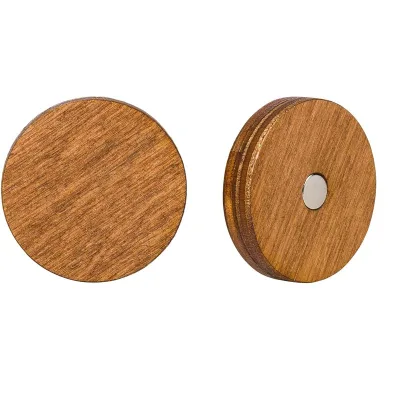
Wooden Fridge Magnet Tourism Souvenirs Customised Promotional Fridge Magnets
$0.30 - $0.50
MOQ: 1000 Pieces


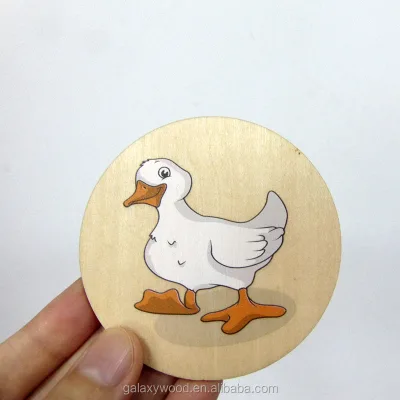
Rubber Fridge Magnet Custom Different Styles Fridge Magnet Refrigerator Magnet
$0.35 - $0.50
MOQ: 500 Pieces





Comprehensive Sourcing Guide
Wooden Fridge Magnet Sourcing Guide
Sourcing wooden fridge magnets requires a clear distinction between solid wood products and composite materials that merely feature wood aesthetics. The available market data indicates a diverse range of offerings, from solid wood items designed for home decoration and gifts to composite magnets utilizing rubber or PVC bases with wood-like finishes. Buyers must first determine whether the end-use case demands the durability and tactile feel of solid wood or if a cost-effective, die-cut alternative with a printed wood grain is sufficient for promotional or decorative purposes.
The procurement landscape for these items is characterized by significant customization capabilities, allowing for tailored shapes, logos, and packaging solutions. Suppliers frequently offer OEM services where the magnet shape can be customized to specific designs, ranging from standard rounds to complex die-cut forms that mimic natural wood textures. Understanding the specific material composition is critical, as the supply chain includes options such as solid wood, rubber magnets with aluminum coatings, and PVC-based products, each carrying different implications for weight, magnetic strength, and environmental impact.
Product Scope and Observed Listing Signals
The product scope for wooden fridge magnets spans multiple material categories, including solid wood, rubber composites, and PVC, each serving distinct market segments. Listings indicate that solid wood variants are often marketed as high-class home decorations or gifts, while rubber and PVC options are frequently highlighted for their waterproof and UV-proof features, making them suitable for varied environments. Buyers should observe that the "wooden" descriptor in listings may refer to the visual design or the actual substrate, necessitating a careful review of the material specification to ensure the product matches the intended application.
Observed listing signals reveal a strong emphasis on customization, with suppliers offering options for 3D or 2D logos, embossed or debossed finishes, and various printing techniques. The magnetic properties vary across the catalog, with some products described as single-sided magnets and others as two-sided magnetic units, influencing their suitability for different display needs. Additionally, the packaging options range from simple bubble or OPP bags to premium gift boxes, suggesting that the final product presentation is a key differentiator in this competitive category.
Technical Specifications to Verify
Verifying the magnetic core and coating specifications is essential to ensure the product performs reliably on metal surfaces. The supply data points to the use of rubber magnets, neodymium magnets with grades such as N35, and composite materials combining aluminum with rubber. Buyers must confirm the specific magnetic grade and coating type, such as aluminum or other protective layers, to guarantee that the magnet will not corrode or lose strength over time, especially in humid kitchen environments where moisture resistance is a primary concern.
Dimensional accuracy and shape consistency are critical technical parameters, particularly for custom orders where the magnet must fit specific display areas or branding requirements. Specifications indicate that sizes are often customized, and shapes can range from standard blocks and rounds to complex die-cut or kiss-cut designs. Procurement teams should request physical samples to verify that the cutting precision matches the design file, ensuring that the final product does not have rough edges or inconsistent dimensions that could detract from the aesthetic appeal of the decoration.
Compliance and Safety Documentation
Compliance documentation for wooden fridge magnets must address both material safety and environmental standards, particularly when the products are intended for home use or gifting. The observed data includes references to certifications such as ISO, CE, and RoHS, which are critical for verifying that the materials used do not contain harmful substances like lead or phthalates. Buyers should explicitly request test reports confirming that the wood, adhesives, and inks used in the manufacturing process meet these safety thresholds to ensure the product is safe for handling by children and adults alike.
Environmental compliance is another vital aspect, especially given the use of eco-friendly inks and the potential for wood sourcing concerns. Listings mention UV-proof and eco-friendly inks, which suggests a focus on sustainable printing practices, but buyers must verify the specific standards these claims adhere to. It is necessary to confirm that the wood used is sourced responsibly and that the manufacturing process aligns with relevant environmental regulations, ensuring that the final product does not carry hidden liabilities related to deforestation or chemical emissions.
Cost Drivers and Commercial Terms
Cost drivers for wooden fridge magnets are heavily influenced by the choice of material, the complexity of the customization, and the order volume. Solid wood products generally command a higher price point due to the raw material costs and the labor-intensive nature of cutting and finishing, whereas rubber or PVC alternatives offer a more budget-friendly option for high-volume orders. The observed MOQ ranges from 50 to 5000 pieces, indicating that smaller buyers can access the market with lower initial commitments, but larger orders may benefit from economies of scale that significantly reduce the unit cost.
Commercial terms regarding packaging and shipping must be clearly defined to avoid unexpected expenses. Suppliers offer a variety of packing options, including cartons, bubble bags, and gift boxes, each adding a different layer of cost to the final product. Buyers should negotiate these terms explicitly, as the choice between simple bulk packaging and premium gift-ready packaging can double the per-unit cost. Additionally, the lead time and shipping method should be aligned with the project timeline, as custom sizes and specialized coatings may extend the production schedule beyond standard delivery windows.
Supplier Qualification and Quality Control
Supplier qualification for wooden fridge magnets requires a rigorous assessment of their manufacturing capabilities and quality control systems. The presence of OEM acceptance and customization options suggests that suppliers are equipped to handle bespoke orders, but buyers must verify their capacity to maintain consistency across large batches. It is advisable to audit the supplier's production line to ensure they have the necessary machinery for die-cutting, printing, and coating, as well as the expertise to handle delicate materials like solid wood without causing damage during processing.
Quality control protocols should focus on the durability of the magnetic bond and the integrity of the printed surface. Since the products are often used in high-traffic areas like refrigerators, the adhesive strength and resistance to peeling are critical quality metrics. Buyers should implement a sampling plan that tests for magnetic strength, waterproofing, and UV resistance, ensuring that the product meets the specified standards for longevity. Regular inspections during production and pre-shipment checks are essential to catch any defects in the logo printing or edge finishing before the goods are dispatched.
Long-Term Procurement Checks
Establishing long-term procurement relationships for wooden fridge magnets involves continuous monitoring of supply chain stability and product consistency. As customization trends evolve, buyers must ensure that their suppliers can adapt to new design requirements without compromising on quality or delivery timelines. Regular communication regarding material availability, especially for wood and specialized coatings, helps mitigate the risk of supply disruptions and ensures that the product specifications remain aligned with market expectations.
Performance reviews should be conducted periodically to assess the supplier's adherence to agreed-upon standards and their responsiveness to any quality issues. Tracking metrics such as defect rates, on-time delivery, and the accuracy of custom orders provides a clear picture of the supplier's reliability over time. By maintaining a proactive approach to supplier management, buyers can secure a steady supply of high-quality wooden fridge magnets that meet their branding and functional requirements, fostering a partnership that supports long-term business growth.
FAQs
What materials are used for wooden fridge magnets?
Wooden fridge magnets are typically crafted from solid wood or wood-based materials combined with magnetic components. The magnetic backing often consists of rubber magnets or neodymium magnets, such as N35 grade, to ensure strong adhesion. Some designs may also incorporate PVC or other substrates for durability and print quality, providing a sturdy base for custom logos and decorative elements.
Can I customize the size and shape of these magnets?
Yes, customization is available for both size and shape. Manufacturers offer customized magnet sizes and various shapes, including blocks, sheets, and round designs. You can request specific dimensions to fit your branding needs, and the production process supports die-cut or kiss-cut options for precise outlines, ensuring the final product matches your exact design specifications.
What certifications do these magnets typically hold?
These magnets often hold ISO, CE, and RoHS certifications, indicating compliance with international quality and safety standards. Some products may also adhere to REACH standards for chemical safety. These certifications ensure that the materials used, including the magnetic components and coatings, meet regulatory requirements for export and use in various global markets, particularly in home decoration and industrial applications.
What is the typical MOQ for custom orders?
The minimum order quantity varies by supplier but generally ranges from 50 to 5000 pieces. Specific listings may indicate an MOQ of 500 pieces for certain custom designs. Buyers should confirm the exact MOQ with the manufacturer, as it depends on the complexity of the customization, the material selected, and the production capacity of the factory in Zhejiang, China.
Are these magnets waterproof and durable?
Many wooden fridge magnets are designed to be waterproof and UV proof, ensuring longevity in kitchen environments. The surface treatment often includes UV-proof eco-friendly inks and protective coatings. Some variants feature aluminum coatings or specific rubber magnet backings to enhance durability. These features help prevent fading and damage from moisture, making them suitable for frequent use and long-term display.
What packaging options are available for bulk orders?
Packaging options include carton boxes, bubble bags, OPP bags, plastic boxes, and gift boxes. The choice depends on the order quantity and the buyer's preference for protection or presentation. Standard bulk shipments often use cartons, while individual or premium items may be packed in OPP bags or gift boxes to ensure the magnets arrive in pristine condition and are ready for retail or gifting.