Source Wooden Essential Oil Box for Gift, Storage, and Display
Compare 30 listings for the Wooden Essential Oil Box from Chinese manufacturers. Buyers can evaluate customized sizes, solid wood materials, and OEM options for gift packing and storage needs; compare the available evidence and request quotations based on your requirements.
Key considerations
Products List
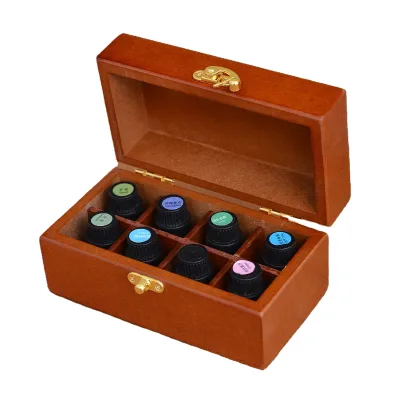
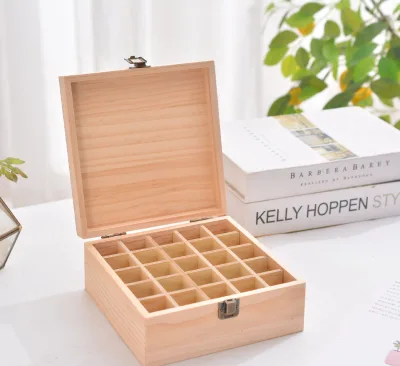
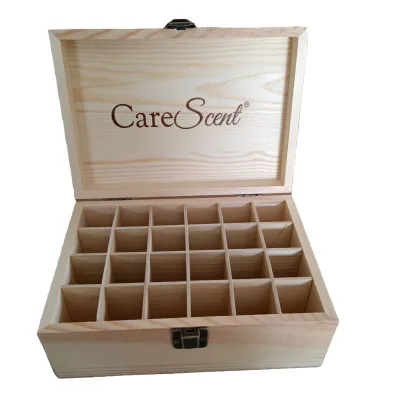
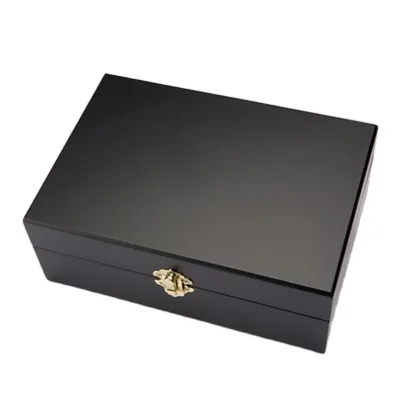
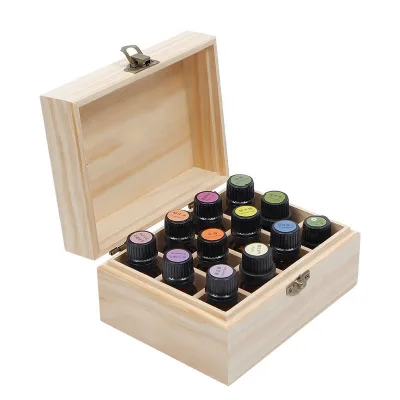
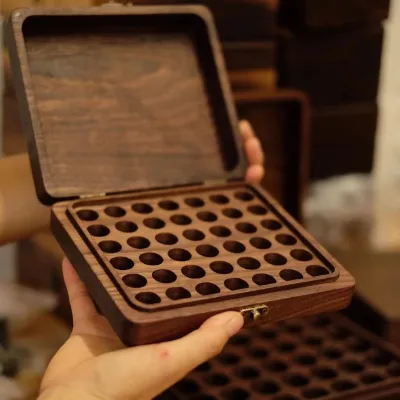
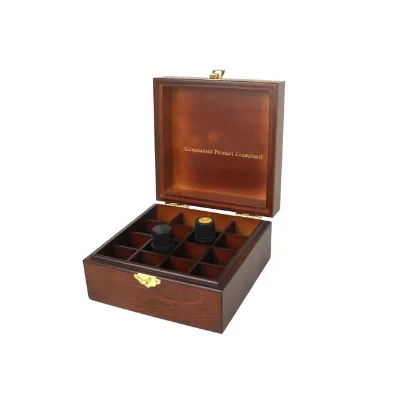
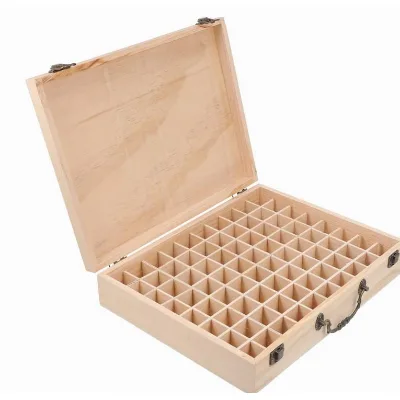
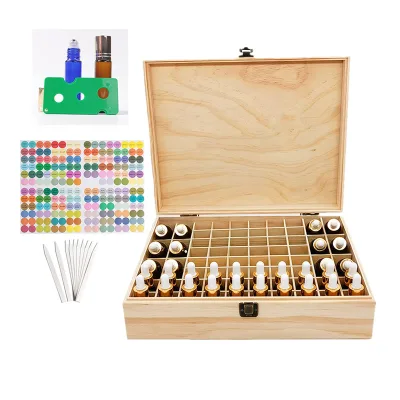
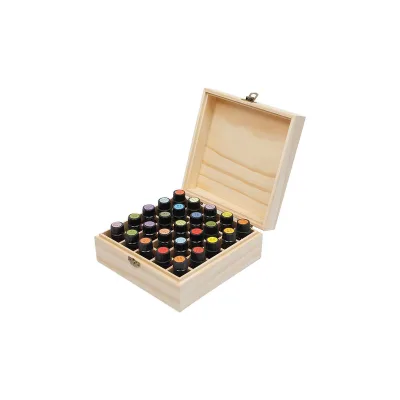
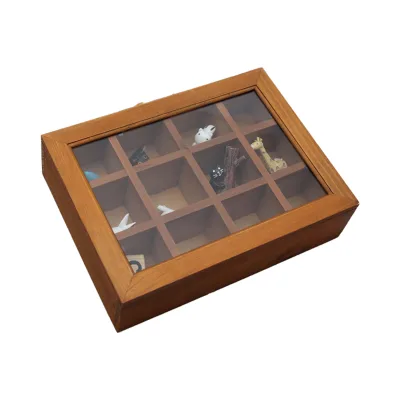
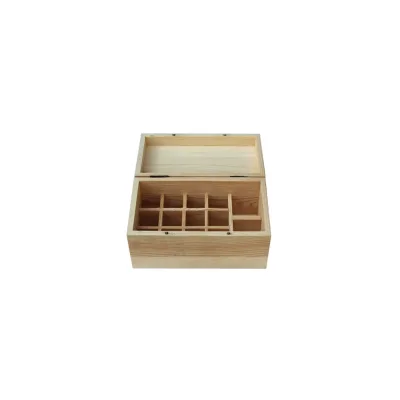
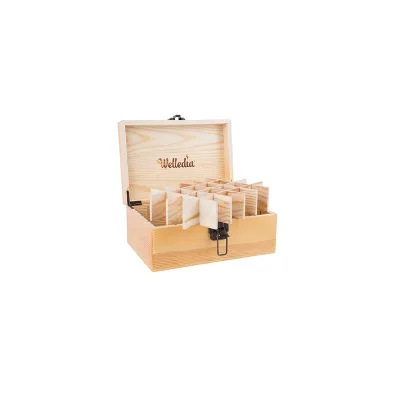
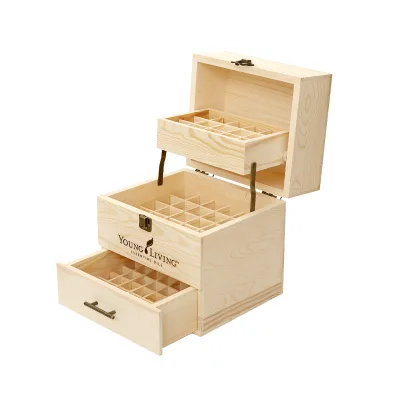
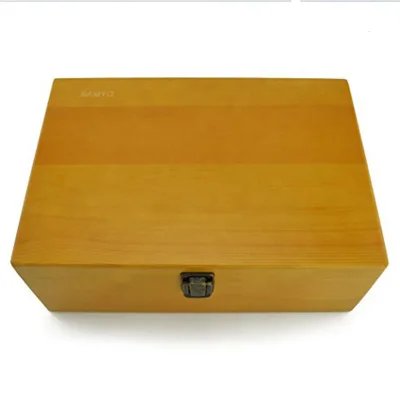
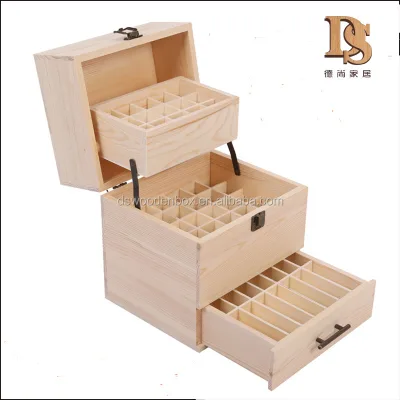
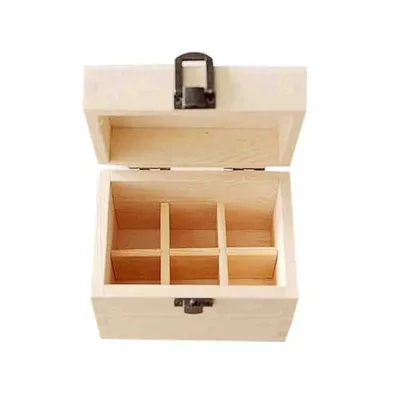
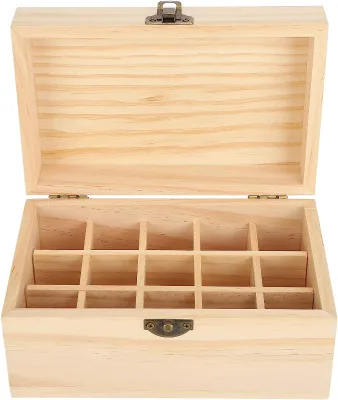


Wooden Essential Oil Box, Nail Polish Storage, Essential Oil Storage Box
$3.55 - $5.35
MOQ: 500 Pieces

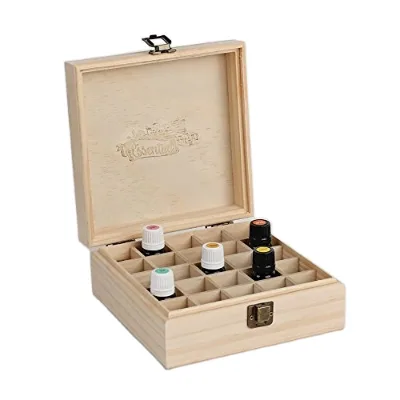
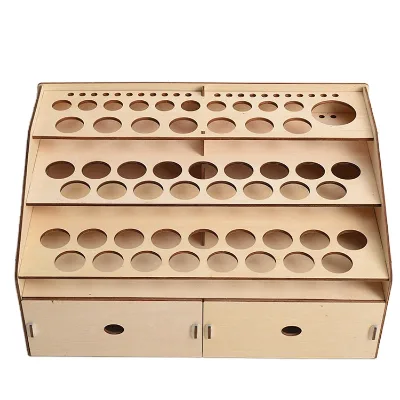
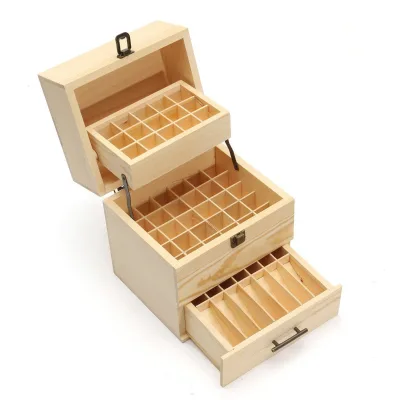

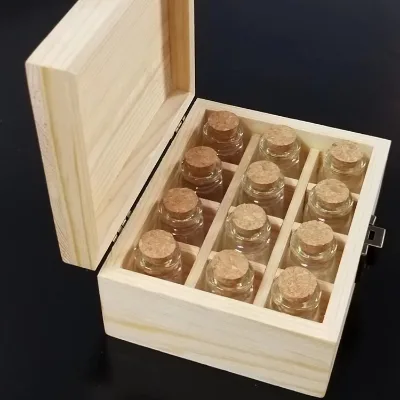
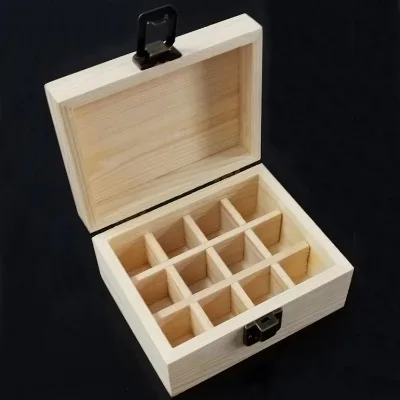
Comprehensive Sourcing Guide
Wooden Essential Oil Box Sourcing Guide
Procurement of wooden essential oil boxes requires distinguishing between decorative holiday gifts and functional storage solutions, as the supplied data reveals a split in product intent. Some listings explicitly target the holiday decoration and gift market with folk art styles and love themes, while others prioritize utility as packing items or storage containers for essential oils. Buyers must first define whether the primary use case is aesthetic display or functional containment, as this decision dictates the necessary material density and structural design.
The observed market signals indicate a strong preference for customized attributes, including size, color, and design, which are frequently listed as standard capabilities rather than premium add-ons. Suppliers in regions like Shandong and Zhejiang offer OEM and ODM acceptance, allowing for tailored branding and specific dimensions ranging from small S sizes to larger custom packages. This flexibility suggests that buyers should prioritize suppliers who demonstrate a robust capacity for design iteration rather than those offering only static, off-the-shelf inventory.
Product Scope and Observed Listing Signals
The product scope encompasses a diverse range of wooden boxes, from plywood-based units to those constructed from pure solid wood, each serving distinct market segments. Listings highlight specific applications such as tabletop decoration, gift packing, and storage, with some items featuring natural material finishes and polished techniques to enhance their visual appeal. The presence of "New Arrival" tags and specific model numbers like GLEE-0105 or weob-02 indicates a dynamic inventory where buyers should verify the current availability of specific designs against their immediate needs.
Commercial signals reveal significant variation in minimum order quantities, ranging from as low as 10 pieces to 500 pieces, which directly impacts the feasibility of small-batch testing versus large-scale distribution. The observed price range of 0.11 to 23.5 USD reflects this disparity, driven by factors such as wood type, packaging complexity, and the inclusion of custom logos or colors. Buyers must carefully align their order volume with the supplier's stated MOQ to avoid unnecessary costs or inventory stagnation, ensuring the selected unit price supports their margin targets.
Technical Specifications to Verify
Verification of technical specifications must begin with the material composition, as the data distinguishes between plywood and pure solid wood, which affects durability and weight. Buyers should confirm the specific wood type and finish quality, noting that some products are described as having a "Natural Material" feature with a polished technique, while others may have different surface treatments. The single gross weight varies between 0.300 kg and 0.400 kg, and package dimensions differ significantly, such as 20x15x15 cm versus 28x16.5x10.5 cm, requiring precise calculation for shipping logistics and storage capacity.
Shape and dimensional consistency are critical for functional boxes intended for essential oil storage, where a square or rectangular form factor is common. Specifications like "Customized Size" and "Customized Color" imply that buyers must provide detailed technical drawings or samples to ensure the final product meets their exact requirements. Additionally, the single package size and carton dimensions, such as 48x43x32 cm for 20 pieces, must be validated to optimize container loading and minimize freight costs during international transport.
Compliance and Safety Documentation
While the provided facts do not list specific certification numbers, buyers must verify that the wooden materials comply with international phytosanitary standards to prevent pest infestation during transit. Since the products are often shipped from China, ensuring that the wood has been properly treated and documented is essential for customs clearance in many regions. Buyers should request proof of treatment or relevant export certificates to confirm that the wood meets the safety requirements of the destination market, particularly for products intended for gift or decorative use.
Safety documentation should also address the finish and coating processes used on the wooden boxes, especially if they are intended for direct contact with essential oils or food-related items. Although the listings mention "High Quality" and "Natural Material," these are general claims that require substantiation through material safety data sheets or finish compliance reports. Procurement teams must ensure that any adhesives, varnishes, or polishes used in the "Polished" technique are non-toxic and suitable for the intended application to avoid regulatory issues or consumer safety concerns.
Cost Drivers and Commercial Terms
Cost drivers for wooden essential oil boxes are heavily influenced by the choice of wood type, with pure solid wood typically commanding a higher price point than plywood alternatives. The level of customization, including OEM logos, specific colors, and unique shapes, adds significant value but also increases production complexity and unit cost. Buyers should analyze the trade-off between standard inventory and bespoke designs, as the latter often requires higher minimum order quantities and longer lead times, which can impact the overall landed cost.
Commercial terms vary significantly among suppliers, with delivery times ranging from 7 to 14 days and supply abilities noted as 20,000 pieces per month for certain factories. The observed MOQs of 10 to 500 pieces allow for flexibility, but buyers must negotiate payment terms and sample support policies to mitigate risk before committing to large orders. Understanding the port of dispatch, such as Qingdao, and the packaging details, including carton sizes and weights, is crucial for accurate freight cost estimation and supply chain planning.
Supplier Qualification and Quality Control
Supplier qualification should focus on verifying the production capacity and the ability to handle custom orders, as many listings explicitly state "OEM Accept" and "Custom Order" capabilities. Buyers must assess whether the supplier has the infrastructure to maintain consistent quality across batches, especially when dealing with natural materials that may exhibit variations in grain or color. The presence of sample support in the data suggests that buyers should request physical samples to evaluate the finish, structural integrity, and overall craftsmanship before finalizing any purchase agreement.
Quality control protocols must be established to ensure that the "High Quality" claims are met in every delivered unit, particularly regarding the precision of the polished technique and the stability of the wooden construction. Buyers should implement a clear inspection plan that covers dimensions, weight, and visual defects, ensuring that the final product matches the approved sample and the agreed-upon specifications. Regular communication with the supplier regarding production progress and quality checks is essential to prevent discrepancies and ensure timely delivery.
Long-Term Procurement Checks
Long-term procurement success depends on establishing a reliable supply chain that can adapt to changing market demands and design trends. Buyers should monitor the supplier's ability to maintain consistent lead times and quality standards over multiple production cycles, as the "New Arrival" nature of some products suggests a need for continuous innovation. Building a strong relationship with the supplier can facilitate better pricing and priority treatment during peak seasons, ensuring a steady flow of inventory for ongoing business needs.
Continuous evaluation of the product's market performance and customer feedback is vital for refining future procurement strategies. Buyers should track the sales velocity of different styles, such as folk art or love-themed boxes, to identify which designs resonate most with their target audience. By maintaining a flexible approach to ordering and design, buyers can respond effectively to seasonal fluctuations and emerging trends, ensuring that their Wooden Essential Oil Box inventory remains competitive and relevant in the marketplace.
FAQs
What materials are used for wooden essential oil boxes?
These boxes are crafted from natural wooden materials, including plywood and pure solid wood. The polished finish highlights the natural texture, making them suitable for folk art styles. Buyers can choose customized colors and designs to match specific branding needs while ensuring durability for storage and display purposes.
Can I customize the size and design of the box?
Yes, OEM and ODM services are accepted for customized sizes and designs. Manufacturers offer flexible options to tailor the product to specific requirements. This allows buyers to create unique packaging solutions that align with their brand identity, ensuring the final product meets exact aesthetic and functional expectations for gift packing.
What is the typical lead time for production?
The standard delivery time ranges from 7 to 14 days after order confirmation. This timeframe ensures efficient production and quality control. Buyers should account for this period when planning inventory, as it reflects the typical manufacturing cycle for customized wooden boxes, allowing for timely fulfillment of bulk orders.
What is the minimum order quantity for these boxes?
The minimum order quantity varies by supplier, typically ranging from 10 to 500 pieces. Some vendors accept orders as low as 10 pieces, while others require 200 pieces or more. This flexibility allows businesses of different sizes to procure suitable quantities, accommodating both small trial orders and large-scale production needs.
Are samples available for quality verification?
Sample support is available for buyers to verify quality before placing bulk orders. This allows customers to inspect the material, finish, and dimensions firsthand. Obtaining a sample ensures that the product meets specific standards and expectations, reducing the risk of discrepancies in the final delivered goods for essential oil packaging.
How are the wooden boxes packaged for shipping?
Boxes are typically packed one piece per OPP bag, with 20 pieces per carton. The carton size is approximately 48x43x32 cm, weighing around 0.066 CBM. This standardized packaging ensures safe transport and efficient handling, protecting the polished wooden surfaces from damage during transit to international destinations like Qingdao port.