Source Wooden Horsehair Shoe Brush for Window, Apparel, Shoe
Find 30 options for the Wooden Horsehair Shoe Brush designed for cleaning windows, apparel, and shoes. Buyers can compare features like bristle material, handle type, and customization availability across multiple listings from China.
Key considerations
Products List
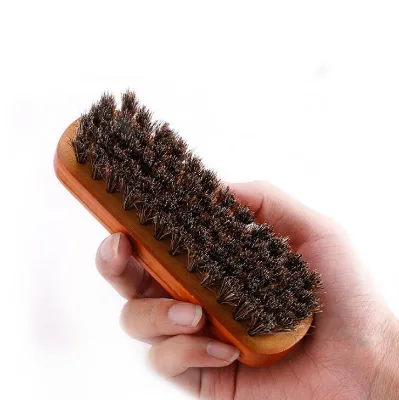


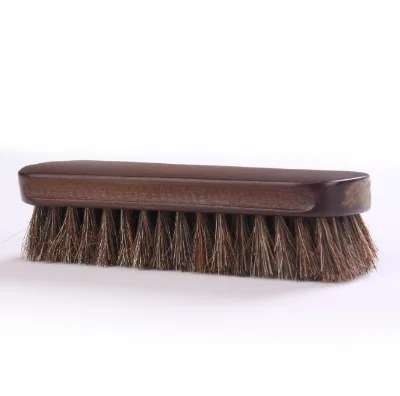
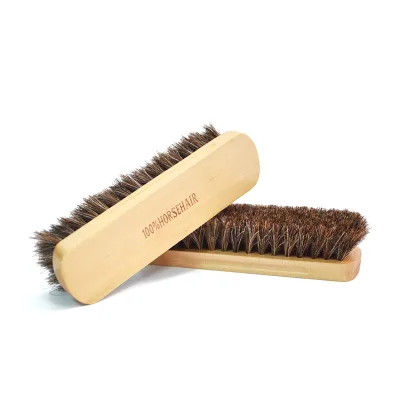
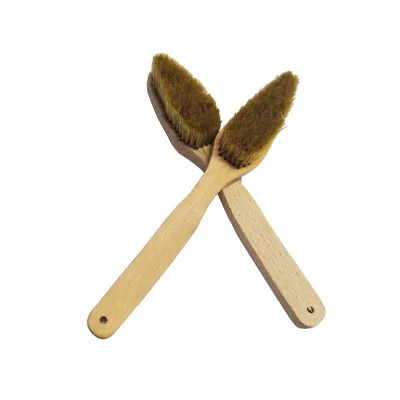


Premium Horsehair Shoe Brush Set for Polishing and Cleaning Leather Boots
$3.18 - $4.18
MOQ: 100 Pieces


Comprehensive Sourcing Guide
Strategic Sourcing Guide for Wooden Horsehair Shoe Brushes
Understanding Product Variants and Core Specifications
The market for wooden horsehair shoe brushes is characterized by a diverse range of configurations that cater to specific cleaning needs, from casual outdoor use to professional shoe care. When sourcing this category, buyers must first distinguish between the primary material compositions observed in current listings. The core product is defined by a combination of a natural wood handle and bristles derived from horsehair, though variations exist where synthetic materials like Polypropylene (PP) are integrated or substituted. The observed product attributes indicate that while the ideal specification involves a "Beech Wood" handle paired with "Horse Hair" bristles, some listings describe a "Wood+PP Hair" composition or a "PP" brush material entirely. This distinction is critical for procurement, as the tactile experience and cleaning efficacy differ significantly between natural bristles and synthetic alternatives.
The physical dimensions and packaging standards also vary widely across suppliers. Standard single package sizes are frequently listed around 20x10x10 cm, with a single gross weight of approximately 0.500 kg. However, buyers should verify these figures for every specific order, as the "prod_model" and "Modelnumber" fields (such as IN-1602 or Sh-0058) suggest that different SKUs may have distinct dimensional profiles. The brush head size is another variable, with specific observations noting a "Medium (7x10cm)" configuration, while other listings offer a range of sizes labeled S, M, and L. The handle type is consistently described as a "Wooden Handle," but the specific wood species, such as Beech Wood, should be confirmed to ensure durability and aesthetic quality. Furthermore, the product style is predominantly "Manual," and the function is explicitly categorized under "Shoe Clean," "Shoe Care," or "Shoe Clean Tool," often with a secondary use case for "Window" or "Apparel."
Technical Compliance and Certification Verification
In the realm of B2B procurement, verifying technical compliance is essential to mitigate liability and ensure product safety. The supplied data indicates that certain listings reference the "CE" standard, which is a mandatory conformity marking for products sold within the European Economic Area. However, the presence of this standard in a product description does not guarantee that every unit in a shipment is certified. Buyers must treat the "CE" mention as a claim that requires independent verification of the supplier's test reports and conformity declarations. Relying solely on the product page listing without requesting the actual Certificate of Conformity (CoC) or test data is a significant risk.
Beyond the CE standard, buyers should investigate other potential regulatory requirements based on the destination market. For instance, if the product is intended for export to North America, compliance with specific material safety standards regarding wood treatments and bristle materials may be necessary. The "prod_standard" field in the source data is singular, but a robust procurement strategy requires checking for additional certifications such as ISO 9001 for quality management systems. The "Quality" attribute is listed as "Fine," but this is a subjective descriptor rather than a measurable standard. Procurement teams should request specific quality control metrics, such as bristle density, handle tensile strength, and finish durability, rather than accepting qualitative claims. The "Logo Craft" and "Logo" attributes mention options for "printing," "Embossed," or "Customized Logo," which introduces a layer of complexity regarding ink safety and material compatibility that must be validated against the target market's regulations.
Cost Drivers and Pricing Dynamics
The pricing structure for wooden horsehair shoe brushes is influenced by several key variables, including material quality, customization levels, and order volume. The observed listed price range in the market spans from $0.01 to $20.00 USD, a wide disparity that reflects the difference between basic mass-produced items and premium, hand-finished goods. A unit price at the lower end of this spectrum likely corresponds to brushes with synthetic PP hair or lower-grade wood, while the higher end suggests genuine horsehair bristles and high-quality beech wood handles. Buyers must understand that the "MOQ" (Minimum Order Quantity) is a primary driver of unit cost. While the general observed MOQ range is 1 to 1000 units, specific listings indicate a firm MOQ of 500 pieces for customized orders.
Customization is a significant cost factor. The "Customization" and "Customized" attributes confirm that branding options are available, including logo embossing, printing, and custom colors. These value-added services invariably increase the unit price and may extend the production timeline. The "Sample Time" is noted as 7-10 days, which is a standard lead time for creating a prototype with custom branding. However, the "Delivery Time" for bulk orders is listed as 30-40 days, a duration that can fluctuate based on the complexity of the customization and the supplier's current production load. Buyers should also consider the packaging costs, as options range from "1PC/OPP Bag" to "in Bulk" or "PVC Bag." The choice of packaging affects both the unit cost and the logistics expenses, particularly if the packaging needs to be eco-friendly or branded.
Typical Applications and Usage Scenarios
The versatility of the Wooden Horsehair Shoe Brush makes it suitable for a variety of applications beyond simple footwear cleaning. The "Usage" attribute explicitly lists "Window, Apparel, Shoe," indicating that these brushes are often marketed as multi-purpose cleaning tools. In a professional shoe care context, the horsehair bristles are prized for their ability to gently buff leather without scratching the surface, making them ideal for high-end footwear maintenance. The "Outdoor" attribute suggests that these brushes are also designed for rugged use, perhaps for cleaning boots or outdoor gear where durability is paramount.
The "Color" options, ranging from "Natural Color" to "Beige" and "Bicolor," allow for aesthetic differentiation based on the target market. A "Natural Color" finish typically highlights the grain of the wood, appealing to consumers who value traditional craftsmanship. Conversely, "Customized" colors can be used for brand identity or to match specific product lines. The "Handle Type" being wooden provides a comfortable grip and a classic aesthetic, but the "Wood+PP Hair" variation suggests a hybrid approach for users who require the durability of synthetic bristles with the ergonomic benefits of a wooden handle. Understanding these application nuances helps buyers align their procurement strategy with the specific needs of their end-users, whether they are targeting luxury shoe care retailers, general household cleaning markets, or industrial cleaning supply chains.
Supplier Evaluation and Quality Assurance
Evaluating suppliers for wooden horsehair shoe brushes requires a rigorous approach to ensure that the product specifications match the buyer's expectations. The "place of origin" and "prod_origin" fields indicate that suppliers are located in regions such as Jiangsu and Zhejiang, China. While these regions are known for manufacturing, buyers should not assume uniform quality across all suppliers in these locations. The "Quality" attribute is listed as "Fine," but this is a marketing term. A robust evaluation process should include requesting samples to test the "Bristle Material" and "Handle Material" for durability and finish.
Buyers should verify the "prod_packing" details to ensure that the packaging protects the product during transit. The "1PC/OPP Bag, 100PCS/CTN" specification suggests a standard bulk packaging method, but the "in Bulk" option implies loose packing which may require additional protective measures. The "Selling Units" being "Single item" indicates that the product is often sold individually, which is relevant for retail packaging strategies. When evaluating suppliers, buyers should also assess their ability to handle "Customized Logo" requests, as the "Logo Craft" options (printing, embossed) require specific equipment and expertise. The "Sample Time" of 7-10 days is a benchmark for responsiveness, but the "Delivery Time" of 30-40 days must be factored into the overall supply chain timeline. A supplier's ability to meet these timelines consistently is a key indicator of their reliability.
Long-Term Procurement Considerations and Strategic Sourcing
For long-term success, buyers must look beyond the initial transaction and consider the sustainability and scalability of their supply chain. The "Customization" feature is a double-edged sword; while it allows for brand differentiation, it also creates dependency on specific supplier capabilities. If a supplier changes their "Logo Craft" method or material sourcing, the product quality could be compromised. Therefore, establishing a clear set of technical specifications and quality standards in the purchase agreement is essential. The "prod_standard" of CE is a starting point, but buyers should consider negotiating for ongoing quality audits and regular testing to ensure that the "Quality" remains "Fine" over time.
The "MOQ" of 500 pieces for customized orders suggests that buyers need to plan their inventory carefully to avoid overstocking or stockouts. The "Delivery Time" of 30-40 days requires a buffer in the supply chain to accommodate potential delays. Buyers should also consider the environmental impact of the materials used, particularly the "Horse Hair" and "Wood" components. While these are natural materials, the sourcing of the wood and the treatment of the bristles can have environmental implications. Finally, the "Color" options and "Bicolor" variations offer opportunities for product line expansion, but they also increase the complexity of inventory management. A strategic approach involves building a strong relationship with a supplier who can adapt to changing market demands while maintaining consistent quality and compliance standards.
FAQs
What materials are used for the brush bristles?
The bristles are primarily made of horsehair, though some listings specify PP hair or a Wood+PP Hair combination. Buyers should verify the specific bristle material for each model, as variations exist between natural horsehair and synthetic polypropylene options.
Can I customize the logo on the brush?
Yes, customization is available with options for printing, embossing, or customized logos. The specific logo craft method depends on the supplier, and buyers must confirm the available techniques when placing an order for branded units.
What is the minimum order quantity for custom orders?
The minimum order quantity is 500 pieces for customized orders, while general listings show a range from 1 to 1000 units. Buyers should confirm the specific MOQ with the supplier, as it may vary based on the product model and customization level.
How long does it take to receive a sample?
The sample time is typically 7 to 10 days for creating a prototype with custom branding. This duration allows for the preparation of the specific design before the bulk production phase begins.
Which certifications are available for this product?
Some listings reference the CE standard as a product specification. However, this is a claim that requires independent verification of test reports, and buyers should request actual certificates to ensure compliance for their target markets.
What are the standard packaging options?
Standard packaging includes 1 piece per OPP bag or PVC bag, with 100 pieces per carton. Some suppliers also offer bulk packing options, so the specific packaging method must be confirmed to ensure product protection during transit.
Where are the manufacturers located?
Manufacturers are located in Jiangsu and Zhejiang, China. Buyers should verify the specific place of origin for each supplier, as these regions are known for manufacturing but may have different quality standards and logistics capabilities.