Source Wooden Heart-Shaped Photo Holder for Home, Office, and Gifts
Compare 30 verified listings for the wooden heart-shaped photo holder, featuring varied sizes, pine or solid wood materials, and customizable branding options from Zhejiang and Shandong suppliers.
Key considerations
Products List
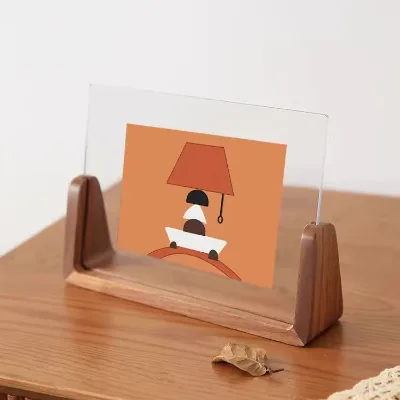
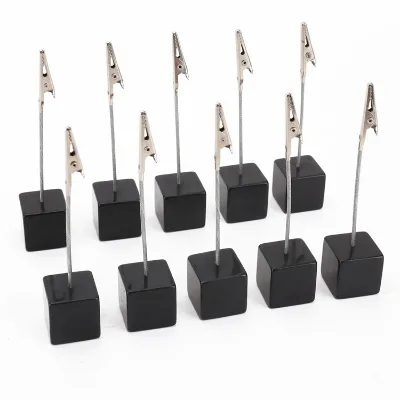
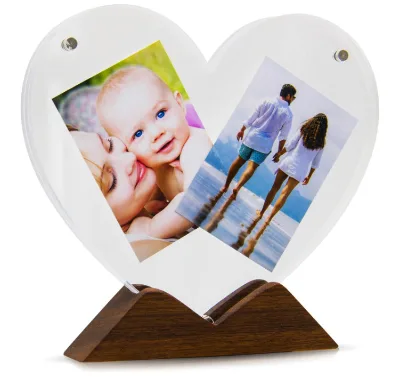
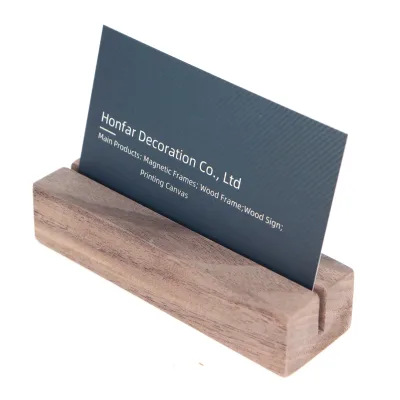
New Design Unique Creative Heart Shaped Magnetic Photo Frame Wooden Stand
$2.96 - $3.55
MOQ: 200 pieces


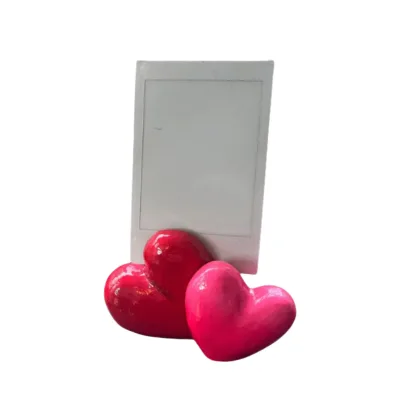
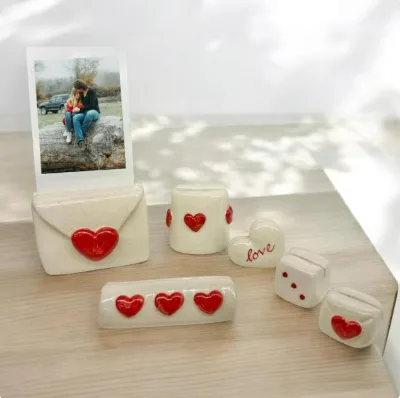
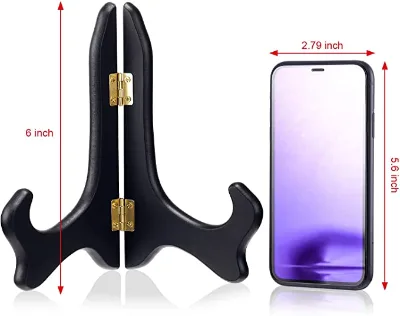


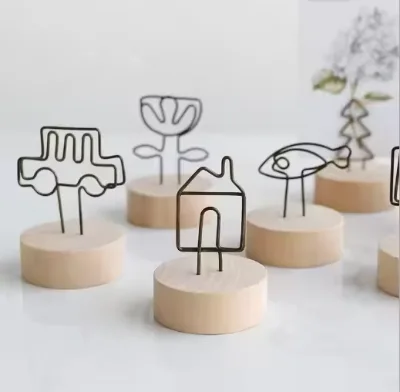


Comprehensive Sourcing Guide
Strategic Sourcing Guide for Wooden Heart-Shaped Photo Holders
Understanding Product Specifications and Variability
When initiating a procurement strategy for wooden heart-shaped photo holders, the primary challenge lies in navigating the significant variance in technical specifications found across different supplier listings. The core keyword suggests a specific aesthetic, yet the underlying physical attributes can differ drastically depending on the manufacturer's design intent. Based on available market data, the dimensions of these items are not standardized. Buyers may encounter units measuring approximately 10.2 cm by 4.8 cm by 6.2 cm, while other listings specify a smaller footprint of 10.5 cm by 2.5 cm by 2.5 cm. Furthermore, single package dimensions can range from 12.2 cm by 6.8 cm by 8.2 cm, indicating that packaging density and shipping volume calculations must be verified on a per-supplier basis.
Material composition is another critical variable. While the general category implies wood, specific listings identify the material as "wood," "pine wood," or "solid wood." The distinction between pine and solid wood is vital for durability and finish quality. Pine is often softer and may be more prone to dents, whereas solid wood offers greater structural integrity. The weight of the product also varies, with observed data points showing a single unit weight of 0.07 kg, while the gross weight including packaging is recorded at 0.136 kg. These figures are essential for calculating freight costs, particularly for air freight where dimensional weight often dictates pricing.
The functional classification of these items also spans multiple categories. Some suppliers list the product type strictly as "Home Decor" or "Decoration," while others specify the function as a "Desktop Photo Holder" or "Tabletop" decoration. The shape is described as "multiple" in some contexts, yet the heart shape remains the dominant visual theme, often paired with themes like "Flower" or "Folk Art." The finish technique is frequently noted as "Polished," contributing to a "Fashionable" or "Fashion Trend" aesthetic. Buyers must ensure that the specific model number, such as Xin-006, hc-xc436, or HYF-L25041507, aligns with their design requirements, as these codes often correspond to distinct mold or carving specifications.
Compliance, Certification, and Material Verification
In the realm of wooden home decor, compliance and certification are paramount, particularly when targeting markets with strict environmental regulations. While specific certification statuses cannot be universally asserted for all suppliers in this category, the "Eco-Friendly" feature is a common attribute listed across various product descriptions. This suggests a general market trend toward sustainable sourcing, but it does not guarantee a specific certification level. Buyers should be aware that while FSC (Forest Stewardship Council) is a recognized standard in the industry, its presence on a specific product listing is not confirmed by the general data provided. Therefore, the procurement process must include a direct verification step where the buyer requests proof of certification from the supplier.
The origin of the wood is a significant factor in compliance. The majority of observed listings indicate the place of origin as Zhejiang, China, with some entries citing Shandong, China. These regions are known for specific forestry practices and manufacturing capabilities. However, the lack of a unified standard means that a product labeled "Eco-Friendly" from one factory may have a different supply chain than another. Buyers must verify the specific wood species, such as pine, to ensure it meets the intended environmental and safety standards for the target market. Additionally, the "Handmade" attribute is listed in some contexts, while others describe the style as "Fashionable" or "Polished." This distinction affects the production process; handmade items may have natural variations that require different quality control protocols compared to mass-produced, polished units.
For international trade, the material safety is equally important. Wooden products intended for home decoration must often comply with regulations regarding formaldehyde emissions and heavy metal content in finishes. Since the listings mention "Solid Wood" and "Pine Wood," the potential for chemical treatments varies. Buyers should explicitly request Material Safety Data Sheets (MSDS) or specific test reports regarding the finishes used, especially if the product is intended for children's rooms or specific commercial applications. The "Customized Logo" feature is widely available, but the inks and adhesives used for branding must also be compliant with local regulations.
Cost Drivers and Pricing Structures
The pricing landscape for wooden heart-shaped photo holders is influenced by a complex interplay of material costs, labor intensity, and order volume. The observed price range in the market spans from $0.20 to $18.30 USD. This wide disparity is not merely a reflection of brand premium but is heavily driven by the specific material grade, the complexity of the carving, and the finish quality. A unit priced at the lower end of the spectrum likely utilizes pine wood with a standard polish and minimal packaging, whereas a unit at the higher end may feature solid wood, intricate hand-carved details, and premium packaging such as a paper box or custom carton.
Minimum Order Quantity (MOQ) is a decisive factor in the unit cost structure. The data indicates an MOQ range from 20 to 1000 pieces. Suppliers with an MOQ of 200 pieces, such as those associated with the Xin-006 model, may offer a mid-range price point suitable for small to medium-sized retailers. Conversely, suppliers requiring an MOQ of 1000 pieces often provide a lower per-unit cost, making them ideal for large-scale distributors. The "Ready Stock" availability for some models can reduce lead times but may limit the ability to negotiate lower prices for custom orders.
Packaging costs also contribute significantly to the final landed cost. The observed packaging methods vary from simple "OPP bags" to "paper boxes" and "Carton Boxes." The weight and dimensions of the packaging directly impact shipping costs. For instance, a single package size of 12.2 cm by 6.8 cm by 8.2 cm with a gross weight of 0.136 kg will result in different freight charges compared to bulkier packaging. Buyers must calculate the total cost of ownership, including the cost of the unit, the packaging, and the logistics, rather than focusing solely on the FOB price. The "200 sets/carton" packing specification is a critical data point for optimizing container utilization and reducing per-unit shipping costs.
Typical Applications and Market Segmentation
Wooden heart-shaped photo holders serve a diverse range of applications, primarily centered around home decoration and personal expression. The "Home Decoration" and "Home Decration" (noting the spelling variation in listings) classifications highlight their primary use in residential settings. They are commonly utilized as tabletop decorations in living rooms, bedrooms, and nurseries. The "Flower" and "Folk Art" themes suggest that these items are often used to create a cozy, rustic, or romantic atmosphere, making them particularly popular for gifts, anniversaries, and Valentine's Day promotions.
The "Desktop Photo Holder" function indicates a specific utility for displaying photographs on desks, shelves, or mantelpieces. The "Indoor, Outdoor" application listed for some models suggests a degree of weather resistance, though this should be verified with the supplier. For indoor use, the "Fashionable" and "Eco-Friendly" attributes appeal to consumers seeking modern, sustainable home accessories. In the commercial sector, these items are frequently used as promotional gifts or corporate souvenirs, especially given the "Accept Customized Logo" and "OEM/ODM" capabilities offered by many manufacturers.
The versatility of the product allows for segmentation across different market tiers. High-end markets may prefer "Solid Wood" options with "Handmade" finishes and "Customized Logo" services, targeting luxury home decor retailers. Mid-range markets may focus on "Pine Wood" products with "Polished" finishes and standard packaging, suitable for general home goods stores. The "Multiple" shape attribute allows for a broader product line, enabling buyers to offer a variety of designs to cater to different aesthetic preferences. The "Stock: ready stock" availability is particularly valuable for retailers needing to fulfill immediate demand without long lead times.
Supplier Evaluation and Sourcing Strategy
Evaluating suppliers for wooden photo holders requires a rigorous assessment of their capabilities, location, and reliability. The primary production hubs identified are Zhejiang and Shandong in China. These regions have established supply chains for wood processing and home decor manufacturing. When evaluating a potential supplier, buyers should verify their "Place of Origin" to ensure it aligns with their quality expectations and logistical preferences. Zhejiang is often associated with a high volume of export-oriented manufacturing, while Shandong may offer different cost structures or material sources.
The "OEM/ODM" acceptance is a key indicator of a supplier's flexibility. Suppliers that accept custom orders can tailor the product to specific brand requirements, including custom logos, specific dimensions, and unique packaging. However, this flexibility often comes with higher MOQs and longer lead times. Buyers should assess the supplier's capacity to handle both standard "Ready Stock" items and custom projects. The "Brand Name" listed, such as "hoye craft" or "HYF," can provide insight into the supplier's market positioning, but buyers should conduct due diligence to ensure the brand's reputation aligns with their quality standards.
Quality control is paramount in the wooden decor sector. Buyers should request samples to verify the "Polished" finish, the "Eco-Friendly" claims, and the structural integrity of the "Solid Wood" or "Pine Wood." The "Handmade" attribute, if claimed, requires a visual inspection to ensure consistency and craftsmanship. Suppliers should also be evaluated on their ability to provide detailed product specifications, including exact dimensions, weight, and material composition. The "Logo" customization process should be clearly defined, including the method of application and the durability of the branding.
Quality Control and Long-Term Procurement Considerations
Implementing a robust quality control (QC) plan is essential for maintaining product consistency and customer satisfaction. Given the natural variations in wood, such as grain patterns and color differences, buyers must establish clear acceptance criteria. The "Color: As picture" attribute suggests that visual matching is important, but buyers should request physical samples to ensure the actual product matches the marketing images. The "Weight" and "Size" specifications must be strictly monitored to prevent discrepancies that could lead to customer returns or shipping issues.
For long-term procurement, building a relationship with a reliable supplier is crucial. The "Stock: ready stock" availability is a significant advantage for maintaining inventory levels, but buyers should also consider the supplier's ability to scale production during peak seasons. The "Packing" method, whether "paper box" or "Carton Box," should be designed to protect the product during transit. The "Single gross weight" of 0.136 kg is a key metric for calculating shipping costs, and any changes in packaging dimensions or weight could impact the overall cost structure.
Sustainability is a growing concern in the procurement of wooden products. While "Eco-Friendly" is a common feature, buyers should verify the specific practices used by the supplier. This includes the source of the wood, the adhesives used, and the finishes applied. The "FSC" certification, while not universally confirmed in the data, represents a benchmark for sustainable forestry. Buyers should prioritize suppliers who can demonstrate a commitment to environmental responsibility, as this aligns with the values of many modern consumers.
In conclusion, sourcing wooden heart-shaped photo holders requires a detailed understanding of the product's technical specifications, material properties, and market applications. By carefully evaluating suppliers, verifying quality standards, and considering long-term procurement strategies, buyers can secure a reliable supply chain that meets their specific business needs. The wide range of options available, from different wood types to various packaging solutions, offers significant flexibility for buyers to tailor their product offerings to their target markets.
FAQs
What are the typical dimensions for wooden heart-shaped photo holders?
Dimensions vary by model, with common sizes around 10.2 by 4.8 by 6.2 cm or 10.5 by 2.5 by 2.5 cm. Buyers must verify the specific model number like Xin-006 or hc-xc436 to confirm exact measurements before ordering.
Which materials are commonly used for these wooden photo holders?
Products are typically made from wood, pine wood, or solid wood depending on the supplier. The choice affects durability, as pine is softer while solid wood offers greater structural integrity for long-term use.
Can I customize the logo on these wooden photo holders?
Yes, most suppliers accept customized logos for branding purposes. This service is widely available but may require meeting specific minimum order quantities or lead times set by the manufacturer.
What is the minimum order quantity for wooden heart-shaped photo holders?
Minimum order quantities range from 20 to 1000 pieces depending on the supplier and product model. Some listings require 200 pieces, while others set the threshold at 1000 pieces for lower unit costs.
Where are these wooden photo holders typically manufactured?
Most products originate from Zhejiang or Shandong provinces in China. Buyers should verify the specific place of origin to ensure alignment with their logistics preferences and quality expectations.
How much does a single wooden photo holder weigh?
A single unit typically weighs 0.07 kg, with a gross weight of 0.136 kg including packaging. These figures are essential for calculating accurate freight costs, especially for air shipping.
What packaging options are available for these wooden photo holders?
Packaging varies from simple OPP bags to paper boxes and carton boxes. The specific packing method impacts shipping volume and must be confirmed based on the selected model and supplier.