Source Wooden Handle FRP Brushes for Industrial Painting
Find 22 Wooden Handle FRP Brushes for industrial painting, bubble removal, and fiberglass layup. Compare sizes from 1 to 4 inches, bristle materials, and customization options to select the right tools for your manufacturing needs; compare the available evidence and request quotations based on your requirements.
Key considerations
Products List


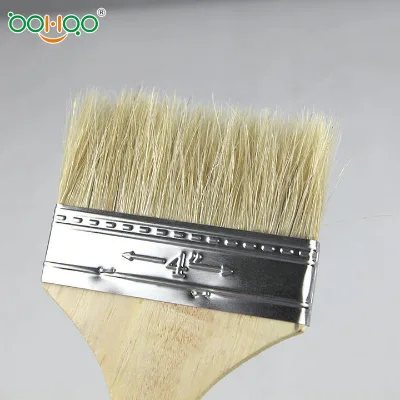


Flat Painting Brush Wooden Handle Quality Special Paint Brushes for FRP
$0.10 - $0.80
MOQ: 6000 Pieces


Comprehensive Sourcing Guide
Wooden Handle FRP Brushes Sourcing Guide
Buyers evaluating Wooden Handle FRP Brushes must first distinguish between general industrial paint brushes and specialized fiberglass hand layup tools designed for resin application. The observed product data indicates a specific focus on industrial-grade brushes with long shapes and bristle materials suitable for removing bubbles during composite manufacturing. These tools are frequently marketed with customization options, allowing procurement teams to specify handle materials like wood or plastic and bristle lengths ranging from two to four inches.
The market signals suggest a diverse range of model numbers and standard sizes, including 25mm, 50mm, and inch-based measurements like 2, 2.5, and 4 inches. Sourcing strategies should account for the fact that while some listings emphasize features like acrylone resistance, others highlight general durability and ease of operation. Buyers should verify that the specific brush model aligns with the viscosity of the resin being used, as the bristle material and handle construction directly impact the efficiency of the layup process.
Product Scope and Observed Listing Signals
Procurement teams should analyze the observed price range of 0.1 to 2 USD to understand the tiered nature of the available inventory, which often correlates with bristle density and handle quality. The data reveals that suppliers offer significant customization, including OEM and ODM support, which allows for branding and specific dimensional adjustments. However, the wide variation in listed models, from 1 inch to 4 inches, requires careful filtering to ensure the selected tool matches the specific width of the application area in the production line.
The packaging methods observed, such as carton and pallet configurations or individual PP bags, indicate that logistics planning must accommodate different shipping densities. While some listings specify a single gross weight of 0.01 kg, others suggest bulk palletization, which affects freight costs and storage requirements. Buyers must confirm whether the "New" condition and "Industrial" grade claims apply to the specific batch, as these attributes influence the expected lifespan and performance consistency during high-volume manufacturing cycles.
Technical Specifications to Verify
Verification of the brush diameter and bristle length is critical, as the supplied facts list specific measurements like 1/4 inch diameter and lengths of 2, 3, or 4 inches. Buyers must ensure that the selected model number, such as FB02, corresponds to the exact bristle length required for the resin application depth. The standard sizes observed, including 1, 1.5, 2, 2.5, 3, and 4 inches, suggest that non-standard requests may require a longer lead time or higher minimum order quantity, impacting the production schedule.
The material composition of the handle and bristles requires strict validation to prevent chemical degradation during use. While wooden handles are a common observation, some listings also offer plastic alternatives, and the bristle material is explicitly noted as brass wire or general bristle types. Procurement teams must confirm that the bristle material is compatible with the specific resin chemistry, particularly regarding acrylone resistance, to avoid premature wear or contamination of the composite part during the layup process.
Compliance and Safety Documentation
Safety documentation for industrial brushes often focuses on the chemical resistance of the bristles and the structural integrity of the wooden handles under stress. Buyers should request material safety data sheets that confirm the bristle material does not shed fibers into the resin, which could compromise the structural integrity of the final FRP product. Although specific certifications are not listed in the provided data, the "Industrial" grade designation implies a baseline of durability that should be verified through third-party testing for the specific chemical environment.
Quality assurance protocols must address the potential for handle breakage or bristle loosening during vigorous application. The observed "No" warranty status on some listings indicates that buyers may need to rely on the supplier's internal quality control rather than a formal guarantee. It is essential to establish clear acceptance criteria for the "New" condition and ensure that the packing method protects the brushes from moisture or physical damage during transit, which could otherwise lead to immediate failure upon arrival.
Cost Drivers and Commercial Terms
The minimum order quantity (MOQ) observed ranges from 10 to 6000 units, creating a significant variance in unit economics that buyers must navigate based on their production volume. Smaller orders may incur higher per-unit costs, while larger volumes might unlock better pricing tiers, though the specific price points are not fixed in the provided data. Buyers should negotiate based on the total landed cost, considering that the single package size of 15x10x5 cm and varying gross weights will influence freight charges and storage efficiency.
Delivery times are a critical commercial term, with observed lead times ranging from 7 to 15 days, depending on the customization level and order size. The standard delivery time of 15 days suggests that rush orders may require a premium or a specific production slot allocation. Procurement teams must align their inventory planning with these lead times to prevent production stoppages, especially when dealing with customized models that may not be held in stock by the supplier.
Supplier Qualification and Quality Control
Supplier qualification should prioritize manufacturers with a proven track record in producing fiberglass hand layup brushes, as indicated by the specific product names and industrial applications. The presence of OEM and ODM capabilities suggests that the supplier has the flexibility to adapt to specific buyer requirements, but this also necessitates a rigorous review of their manufacturing processes. Buyers should verify that the "Bohao" brand or other listed names represent a consistent quality standard across different production batches.
Quality control measures must include visual inspections for handle finish and bristle uniformity, as well as functional testing for chemical resistance. The observation of features like "durable" and "easy operation" should be validated through sample testing before placing a bulk order. Since the origin is listed as China, buyers should ensure that the supplier has robust internal QC protocols to maintain consistency, particularly given the lack of a formal warranty on some listings.
Long-Term Procurement Checks
Establishing a long-term relationship with a supplier requires regular performance reviews against the initial specifications for bristle length, handle material, and packing standards. Buyers should monitor the consistency of the "2''" or "25mm" standard sizes over time to ensure that the tools remain compatible with existing production jigs and processes. Any deviation in the single package size or gross weight could indicate a change in materials or manufacturing methods that might affect the final product quality.
Continuous improvement initiatives should focus on optimizing the balance between cost, lead time, and performance. As the market evolves, buyers should reassess the necessity of specific features like acrylone resistance or the choice between wooden and plastic handles. Maintaining open communication with the supplier regarding the "Remove bubbles" function and overall application efficiency will help ensure that the procurement strategy remains aligned with the evolving needs of the FRP manufacturing process.
FAQs
What customization options are available for Wooden Handle FRP Brushes?
Customization is available for these brushes, allowing buyers to specify unique requirements. The handles can be made from wood or plastic to suit different preferences. Additionally, the product supports OEM and ODM services, enabling tailored branding and design solutions for industrial applications.
What sizes are offered for these fiberglass hand layup brushes?
The brushes are available in multiple standard sizes, including 1, 1.5, 2, 2.5, 3, and 4 inches. Specific models like FB02 offer bristle lengths of 2, 3, or 4 inches. Custom sizes are also supported to meet specific industrial project needs.
How long is the delivery time for these industrial brushes?
The standard delivery time is approximately 15 days. Some listings indicate a range of 7 to 15 days depending on order specifics. Buyers should confirm exact timelines with suppliers, as production schedules and shipping methods can influence the final arrival date.
What is the minimum order quantity for these brushes?
The minimum order quantity varies, with some suppliers requiring as few as 10 pieces, while others set the MOQ at 100 or up to 6000 pieces. Buyers should check specific supplier listings to determine the exact MOQ applicable to their order volume and customization needs.
What material are the bristles of these FRP brushes made from?
The bristles are typically made from durable materials suitable for industrial use, such as brass wire or synthetic fibers. The handles are constructed from wood or plastic. These materials ensure the brushes are resistant to acetone and effective for removing bubbles during fiberglass hand layup processes.
Are these brushes suitable for industrial glass applications?
Yes, these brushes are designed for industrial applications, including glass handling and fiberglass layup. They are used for painting and removing bubbles from resin mixtures. The durable construction and specific bristle types make them effective tools for professional industrial environments requiring precision and reliability.