Source Workwear Uniform for Hospital, Factory, and Promoter Needs
Find and compare 30 Workwear Uniform options from China suppliers featuring materials like nylon and poly cotton. Buyers can evaluate models such as KB112 and WC23206 with customization, various sizes, and specific features like flame retardancy for diverse applications.
Key considerations
Products List


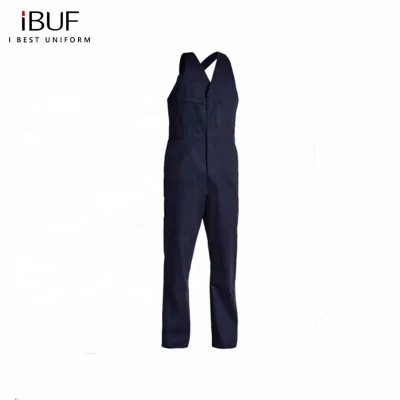


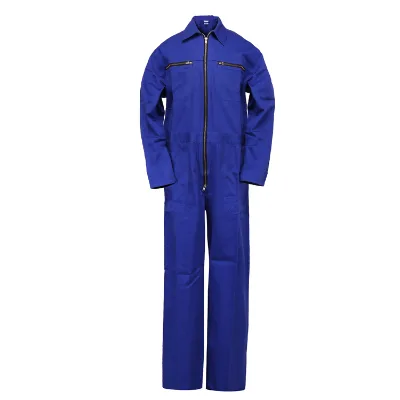


Comprehensive Sourcing Guide
Strategic Sourcing Guide for Workwear Uniforms
Navigating the global market for workwear uniforms requires a disciplined approach that balances technical performance with supply chain reliability. Buyers must move beyond simple price comparisons to evaluate the intricate details of material composition, manufacturing standards, and logistical capabilities. The following guide outlines the critical factors for sourcing durable, compliant, and cost-effective workwear, drawing on observed market data and established procurement principles.
Technical Specifications and Material Composition
The foundation of any successful workwear procurement lies in the precise definition of technical specifications. In the current market, workwear is not a monolithic category but a spectrum of specialized garments designed for specific environments. Buyers must scrutinize the material composition first, as this dictates the garment's durability, comfort, and safety profile. Observed listings indicate a diverse range of materials, including Nylon, Poly Cotton, and pure Cotton. Each material serves a distinct purpose: Nylon is often selected for its strength and resistance to tearing, while Poly Cotton blends offer a balance of breathability and durability suitable for general industrial use. Pure Cotton remains a staple for comfort in less abrasive environments.
Beyond the base fabric, the structural design and features are paramount. The market shows a prevalence of specific structural types, such as "Open Fronted" designs for coveralls and "Horse Collar" styles for jackets, which influence how the garment fits and functions during movement. Feature sets have also evolved to include advanced properties like Anti-Wrinkle, Quick Dry, Anti-Static, Rip-Stop, and Flame Retardant capabilities. These attributes are not merely marketing terms but functional requirements for specific industries. For instance, Flame Retardant and Anti-Static features are non-negotiable in high-risk environments, while Quick Dry and Breathable properties are essential for workers in hot or physically demanding conditions.
Size standardization is another critical technical aspect. While some listings suggest a broad range from XS to 5XL, others specify precise measurements like 175/96B. Buyers must verify that the supplier can accommodate the specific size distribution of their workforce. The absence of "Seamless Fusing" in certain listings suggests a preference for traditional stitching methods, which may impact the garment's longevity and resistance to wear. Additionally, accessories such as ribbons and labels play a role in both branding and identification, while the "Open Fronted" structure often implies ease of donning and doffing, which is vital for shift workers.
Compliance, Certification, and Safety Standards
Ensuring that workwear meets safety and compliance standards is a primary responsibility for procurement teams. While specific certification names are not universally standardized across all listings, the presence of features like "Needle detection: Yes" indicates a commitment to rigorous quality control processes that prevent physical hazards in the final product. This feature is particularly relevant for industries where metal contamination could cause injury or damage to machinery.
Buyers must verify that the supplier adheres to relevant international and local safety standards. The observed "Standard" of 20pcs/carton or specific dimensions like 504037 cm refers to packaging standards, but the garment itself must comply with occupational safety regulations. For example, Flame Retardant and Anti-Static claims require validation through recognized testing protocols. In the absence of explicit certification data in general listings, buyers should request third-party test reports for any safety-critical features. The "Product Type" often listed as "Work Overall" or "Work Coverall" implies a specific regulatory framework, and the "Application" field, which includes "Factory" and "Hospital," suggests that the garments must meet hygiene and safety protocols specific to those sectors.
Furthermore, the "Supply Type" being listed as "Oem Service" or "Design: OEM/ODM" indicates that the supplier is capable of customizing products to meet specific client requirements. However, customization does not exempt the product from safety compliance. Buyers must ensure that any custom designs, including logos, printing, or embroidery, do not compromise the garment's safety features. For instance, the placement of printed logos must not interfere with reflective strips or flame-retardant coatings. The "Needle detection" attribute serves as a proxy for the supplier's overall quality assurance system, suggesting that they have measures in place to detect foreign objects, a critical step in ensuring product safety.
Cost Drivers and Pricing Dynamics
Understanding the cost drivers of workwear is essential for budgeting and negotiation. The observed price range of 1-35 USD suggests a wide spectrum of product quality and complexity. Several factors influence where a specific item falls within this range. Material cost is a primary driver; Nylon and specialized blends typically command higher prices than standard Cotton. The complexity of the design, such as the inclusion of multiple features like Flame Retardant and Anti-Static, also increases production costs.
Minimum Order Quantity (MOQ) is another significant cost factor. The observed MOQ range of 50 to 1000 pieces, with specific instances like "100pcs/color" or "50 PCS / Negotiate," directly impacts the unit price. Higher MOQs generally result in lower per-unit costs due to economies of scale. However, for buyers with smaller requirements, the ability to negotiate MOQs, as seen in some listings, can be a crucial lever. The "Sample" availability, with lead times of 5-7 days, allows buyers to test quality before committing to large orders, mitigating the risk of high upfront costs for unsuitable products.
Packaging and logistics also contribute to the final cost. The standard packaging of "Polybag and Export Carton" or "Plastic Bag and Carton Box" is designed for protection during transit, but the specific dimensions and weight (e.g., 0.550 kg single gross weight) affect shipping calculations. Buyers should consider the total landed cost, including freight, duties, and insurance, rather than focusing solely on the ex-factory price. The "Selling Units" being listed as "Single item" suggests that some suppliers offer flexibility for smaller orders, though this may come at a premium.
Typical Applications and Industry Use Cases
Workwear uniforms are designed for specific environments, and matching the product to the application is vital for performance and safety. The observed "Applicable" fields, such as "Promoter," "Factory," and "Hospital," highlight the versatility of the market. In factory settings, durability and protection are paramount, making features like Rip-Stop and Flame Retardant essential. The "Uniform Type" of "Work Coverall" is particularly suited for these environments, offering full-body protection against dust, chemicals, and mechanical hazards.
In hospital settings, the requirements shift towards hygiene and comfort. The "Season" attribute, listing "Summer" or "Spring/Autumn," indicates that climate control is a consideration. Breathable materials and Quick Dry features are crucial for maintaining comfort in varying temperatures. The "Design" capability for OEM/ODM allows healthcare facilities to customize uniforms with specific branding or color schemes that align with their institutional identity.
For promotional roles, the focus may be on visibility and branding. The "Pattern: Can Printing" and "Logo/Printing: Printing, Embroidery, Digital Printing etc." options allow for high visibility and brand reinforcement. The "Color" options, ranging from "Dark Blue, Army Green, Gray" to "All," provide flexibility for different corporate identities. The "Structure" and "Style" attributes, such as "Parka" or "Horse Collar," also play a role in defining the garment's suitability for specific tasks, whether it is for outdoor work or indoor service roles.
Supplier Evaluation and Verification
Selecting the right supplier requires a thorough evaluation of their capabilities and reliability. The "Place of Origin" being listed as "Hebei China" or "Tianjin, China" provides geographical context, but buyers should verify the supplier's specific location and facility conditions. The "Lead Time" for sample orders, typically 7 days, is a good indicator of the supplier's responsiveness. However, buyers must also inquire about production lead times for bulk orders, as this can vary significantly based on order volume and complexity.
The "Service" attribute, described as "in time," suggests a commitment to timely delivery, but this should be backed by concrete performance metrics. Buyers should request references or case studies from previous clients to validate these claims. The "Sample" availability is a critical step in the evaluation process. A supplier that can provide samples quickly and accurately demonstrates their ability to meet quality standards. The "Sample Time" of 5-7 days is a standard benchmark, and deviations from this should be investigated.
Additionally, the "Supply Type" of "Oem Service" indicates that the supplier has the capacity for customization. Buyers should assess the supplier's design team and production flexibility to ensure they can handle complex requests. The "Needle detection" feature is a strong indicator of a robust quality control system, but buyers should also ask about other quality assurance measures, such as in-line inspections and final audits.
Quality Control and Long-Term Procurement
Quality control is the backbone of a successful workwear procurement strategy. The "Needle detection: Yes" attribute is a specific example of a quality control measure, but buyers should look for a comprehensive quality management system. This includes pre-production checks, in-process inspections, and final random sampling. The "Standard" of 20pcs/carton or specific packaging dimensions ensures that the product arrives in good condition, but the internal quality of the garment is equally important.
Long-term procurement considerations involve building a sustainable relationship with suppliers. The "Customization: Available" and "Design: OEM/ODM" attributes suggest that suppliers are willing to adapt to changing needs. However, buyers should establish clear communication channels and performance expectations from the outset. Regular quality audits and feedback loops can help maintain high standards over time. The "Feature" set, including Anti-Wrinkle and Quick Dry, should be monitored for consistency across batches to ensure that the product continues to meet performance expectations.
Furthermore, the "Season" and "Color" attributes indicate that the market is dynamic, with trends and requirements changing over time. Buyers should maintain a flexible procurement strategy that allows for adjustments in design and material selection as needed. The "Single gross weight" and "Single package size" data are useful for logistics planning, but buyers should also consider the environmental impact of packaging and materials. Sustainable sourcing practices, such as using eco-friendly materials or reducing packaging waste, are becoming increasingly important in the global market.
Summary of Key Sourcing Parameters
To facilitate quick reference and decision-making, the following table summarizes the key parameters observed in the market for workwear uniforms. This overview helps buyers compare different product offerings and identify the most suitable options for their specific needs.
| Parameter | Observed Range/Value | Significance |
|---|---|---|
| Material | Nylon, Poly Cotton, Cotton | Determines durability, comfort, and safety profile. |
| Features | Anti-Wrinkle, Quick Dry, Flame Retardant, etc. | Critical for specific industry safety and comfort requirements. |
| MOQ | 50 - 1000 pcs (e.g., 100pcs/color) | Impacts unit cost and order flexibility. |
| Price Range | 1 - 35 USD | Reflects material quality and feature complexity. |
| Lead Time (Sample) | 5 - 7 Days | Indicates supplier responsiveness and production capacity. |
| Packaging | Polybag/Export Carton, Plastic Bag/Carton Box | Ensures product protection during transit. |
| Origin | China (Hebei, Tianjin) | Provides geographical context for logistics and sourcing. |
| Customization | Available (OEM/ODM) | Allows for branding and specific design requirements. |
| Safety Features | Needle Detection, Flame Retardant | Essential for high-risk environments and compliance. |
By adhering to these guidelines and leveraging the observed market data, buyers can make informed decisions that ensure the procurement of high-quality, compliant, and cost-effective workwear uniforms. The focus should remain on technical specifications, supplier reliability, and long-term value rather than short-term price advantages.
FAQs
What materials are used for workwear uniforms?
Workwear uniforms are constructed from Nylon, Poly Cotton, and Cotton. Nylon offers strength and tear resistance, while Poly Cotton blends provide breathability and durability suitable for general industrial use. Pure Cotton remains a staple for comfort in less abrasive environments.
Can I customize the design of workwear uniforms?
Customization is available through OEM and ODM design services. Buyers can request specific logos, printing, or embroidery on the garments. This allows for branding alignment while maintaining the required safety features and structural integrity of the uniform.
What is the minimum order quantity for workwear?
The minimum order quantity ranges from 50 to 1000 pieces depending on the supplier. Specific listings indicate an MOQ of 100 pieces per color or 50 pieces for raincoats with negotiable terms. Higher volumes generally result in lower per-unit costs.
How long does it take to receive a sample?
Sample orders typically require 5 to 7 days for production. Some suppliers support a 7-day sample order lead time. This allows buyers to verify quality and specifications before committing to larger bulk orders.
Where are these workwear uniforms manufactured?
The products originate from China, specifically Hebei and Tianjin regions. These locations provide access to established manufacturing capabilities for work coveralls and protective workwear. Buyers should verify specific facility conditions when selecting a supplier.
What safety features are included in the uniforms?
Uniforms include features like Needle detection, Flame Retardant, Anti-Static, and Rip-Stop capabilities. These attributes ensure compliance with safety protocols in factory and hospital environments. Buyers should request third-party test reports for safety-critical features.