Source Woven Massage Fiber Pillow for Hotel, Neck, and Bedding
Explore 30 listings of Woven Massage Fiber Pillow options featuring memory foam, latex, and polyester fillings. Buyers can compare specifications, customization availability, and pricing for uses in hotels, massage therapy, and everyday bedding.
Key considerations
Products List


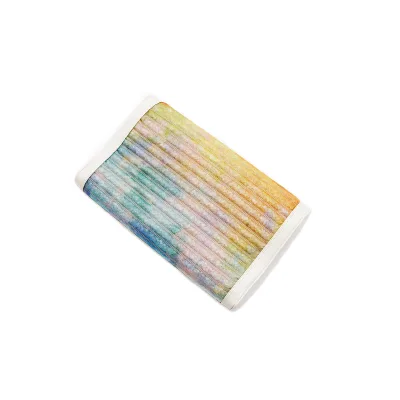
Other Function Side Sleeper Pillow for Shoulder Pain Side Sleeping Pillow
$7.40 - $11.90
MOQ: 200 Pieces




Comprehensive Sourcing Guide
Strategic Sourcing Guide for Woven Massage Fiber Pillows
Understanding Product Variants and Technical Specifications
The category of woven massage fiber pillows encompasses a diverse range of products designed for therapeutic, decorative, and hospitality applications. Buyers must first distinguish between the specific material compositions and structural designs that define these items. The supplied data indicates that "woven" is a primary technical attribute for certain models, specifically identified by the model number KO008. This specific variant is characterized by a woven technic, an oblong shape, and a standard size of 303010cm. The filling for this particular woven configuration is listed as memory foam, which suggests a focus on contouring and pressure relief.
In contrast, other high-confidence facts in the dataset describe products with a "knitted" technic, such as model KM002 and KM004. These items often utilize 100% polyester as the primary material, though some entries also list latex as a material or filling component. For instance, the KM002 model features a twill style and a square shape, with dimensions of 603711/13cm. The KM004 model, also knitted, adopts a U-shape and measures 604010/12cm. It is critical for procurement teams to verify whether the specific "woven" requirement aligns with the "knitted" or "woven" technic of the supplier's inventory, as these terms denote distinct manufacturing processes that affect texture, durability, and the final massage sensation.
The filling materials vary significantly across the product range. While the woven KO008 model utilizes memory foam, other entries in the dataset list 100% polyester, latex, or combinations thereof. The feature set for these pillows often includes anti-static properties, massage capabilities, and therapy functions. Some advanced models may also incorporate magnetic or inflatable features, although these are less common in standard woven configurations. The weight of these products typically ranges from 0.2kg to 1.5kg, with specific models like JTY135 weighing up to 2.000kg as a single gross weight. Understanding these technical variances is the first step in ensuring the product matches the intended use case, whether for hotel bedding, neck support, or general therapeutic massage.
Compliance, Certification, and Safety Standards
When sourcing woven massage fiber pillows, verifying compliance with safety and quality standards is paramount, particularly for products intended for commercial use in hotels or medical settings. The supplied data references several international standards, including ISO9001, ISO14001, ISO18000, and ISO13485, alongside specific certifications like CE. However, it is essential to treat these as background observations rather than guaranteed attributes for every listed product. Buyers must not assume that a specific supplier possesses these certifications without direct verification.
The procurement strategy should prioritize confirming the actual certification status of the manufacturing facility. For instance, ISO9001 relates to quality management systems, while ISO14001 addresses environmental management. If the pillows are intended for medical or therapeutic applications, the relevance of ISO13485 (medical devices quality management) becomes critical. Similarly, the CE mark indicates conformity with health, safety, and environmental protection standards for products sold within the European Economic Area. Buyers should request valid, current certificates from the supplier rather than relying on general category knowledge.
Additionally, material safety is a key compliance factor. The dataset mentions materials such as 100% polyester and latex. Procurement teams must ensure that the latex used is processed to minimize allergenic risks and that the polyester fibers meet flammability and chemical safety regulations for the target market. For products claiming "anti-static" or "magnetic" features, buyers should verify that these claims are supported by test results from accredited laboratories. The absence of specific test data in the general product list necessitates a rigorous request for documentation regarding chemical composition, fire resistance, and mechanical safety before finalizing any order.
Cost Drivers and Pricing Dynamics
The pricing structure for woven massage fiber pillows is influenced by a complex interplay of material costs, manufacturing techniques, and order volumes. The observed price range in the market spans from $0.45 to $33.50 USD, a significant variance that reflects differences in product complexity and quality. The lower end of this spectrum likely corresponds to basic knitted or woven pillows with simple polyester fillings and minimal customization. Conversely, the higher price points are associated with advanced features such as memory foam fillings, specialized shapes like U-Shape or Oblong, and the inclusion of therapeutic technologies like magnetic or inflatable components.
Material composition is a primary cost driver. Products utilizing 100% polyester are generally more cost-effective than those incorporating natural latex or high-density memory foam. The "woven" technic, as seen in model KO008, may incur different production costs compared to "knitted" variants due to the specific machinery and labor required for weaving. Furthermore, the inclusion of additional features such as anti-static treatments or custom designs adds to the unit cost.
Order volume plays a decisive role in the final landed cost. The observed Minimum Order Quantity (MOQ) ranges from 1 to 500 units. Buyers purchasing small quantities, perhaps for sampling or niche retail, will face a higher per-unit cost. Bulk orders, particularly those exceeding 500 units, often qualify for significant price reductions. The "Customization" attribute is also a major factor; while OEM and ODM services are available, custom packaging, specific thread counts (e.g., 200tc), or unique design requirements will increase the overall expense. Buyers should analyze the total cost of ownership, including shipping and potential tariffs, rather than focusing solely on the unit price.
Typical Applications and Market Segmentation
Woven massage fiber pillows serve a wide array of applications, catering to diverse market segments from hospitality to personal wellness. The dataset explicitly lists usage scenarios including Hotel, Massage, Bedding, and Neck support. In the hospitality sector, these pillows are valued for their ability to enhance guest comfort and provide therapeutic benefits. The "Square" and "U-Shape" designs are particularly suitable for hotel bedding and neck support during travel or rest. The "Decorative" usage attribute suggests that some models are designed to complement interior design schemes while offering functional benefits.
The therapeutic market is another significant segment. Products with features like "Memory," "Massage," and "Therapy" are targeted at consumers seeking relief from tension, pain, or stress. The "Anti-Static" feature is particularly relevant for environments where static electricity can be a nuisance, such as dry climates or specific industrial settings. The "Everyday" season attribute indicates that these products are designed for year-round use, making them suitable for general household consumption as well as commercial applications.
Commercial buyers, identified as "Stores" in the dataset, are the primary target for bulk procurement. These entities often require consistent quality and the ability to customize products to their brand identity. The availability of OEM and ODM services allows retailers to create private-label products that differentiate them from competitors. The specific model JTY135, with its 40 fabric count and 200 thread count specifications, suggests a higher-end application where fabric quality is a selling point. Understanding these segmentation nuances helps buyers align their sourcing strategy with the specific needs of their end-users.
Supplier Evaluation and Verification Protocols
Selecting the right supplier for woven massage fiber pillows requires a rigorous evaluation process that goes beyond surface-level product listings. The dataset indicates that suppliers are located in regions such as Zhejiang and Guangdong, China, which are known manufacturing hubs. However, location alone does not guarantee quality or reliability. Buyers must verify the supplier's capacity to meet the specific technical requirements, such as the "woven" technic or specific filling materials like memory foam.
Key evaluation criteria should include the supplier's experience with OEM and ODM projects, as indicated by the "Yes" and "Acceptale" attributes in the data. Buyers should assess the supplier's ability to handle customization, including packaging options like "Bag+Carton" or "PVC Bag Non-Woven Bag." The "Commercial Buyer" attribute suggests that suppliers should have experience dealing with store-level procurement, implying a need for reliable logistics and communication channels.
Quality control capabilities are another critical factor. Buyers should inquire about the supplier's internal quality assurance processes and their willingness to undergo third-party audits. Given the variation in features and materials, the supplier must demonstrate the ability to maintain consistency across batches. The "Single Gross Weight" and "Single Package Size" data points highlight the importance of accurate logistics planning; suppliers must provide precise packaging dimensions to ensure efficient shipping and storage.
Quality Control and Inspection Standards
Implementing a robust quality control (QC) regime is essential for mitigating risks associated with sourcing woven massage fiber pillows. The inspection process should begin with the verification of raw materials. For products claiming 100% polyester or latex fillings, buyers should request material test reports to confirm composition and purity. The "Thread Count" and "Fabric Count" attributes, such as the 40 fabric count and 200tc mentioned for model JTY135, require precise measurement during the inspection phase to ensure they meet the agreed-upon specifications.
Physical inspection should focus on the structural integrity of the pillow. For woven models like KO008, the tightness of the weave and the uniformity of the oblong shape are critical. For knitted models, the elasticity and durability of the fabric must be assessed. The "Anti-Static" and "Magnetic" features require functional testing to verify that they perform as advertised. Buyers should also inspect the packaging to ensure it meets the "Customized" requirements and protects the product during transit.
Sampling is a vital component of the QC process. Given the MOQ range of 1 to 500, buyers should utilize the lower end of this range to conduct thorough testing before committing to larger orders. The "Single Item" selling unit suggests that individual samples are readily available for evaluation. Inspections should cover dimensions, weight, and overall aesthetic quality. Any discrepancies in the "prod_standard" dimensions, such as the 603711/13cm for KM002, must be addressed immediately to prevent downstream issues.
Long-Term Procurement and Relationship Management
Building a sustainable procurement relationship for woven massage fiber pillows involves more than just transactional exchanges. Buyers should focus on long-term partnerships that offer flexibility and continuous improvement. The availability of "OEM Designs" and "Customization" options suggests that suppliers are willing to adapt to changing market trends and customer preferences. Maintaining open communication regarding design updates, material innovations, and production capacity is crucial for long-term success.
Supply chain resilience is another consideration. With lead times and production schedules varying, buyers should develop contingency plans to handle potential disruptions. The "Season: Everyday" attribute implies a steady demand, but market fluctuations can still occur. Establishing clear agreements on lead times, payment terms, and quality guarantees will help mitigate these risks. Additionally, buyers should monitor the supplier's adherence to the "Commercial Buyer" requirements, ensuring that they remain responsive to the needs of retail partners.
Finally, continuous performance evaluation is necessary to ensure that the supplier continues to meet expectations. Regular reviews of product quality, delivery reliability, and customer service will help identify areas for improvement. By fostering a collaborative relationship, buyers can leverage the supplier's expertise to innovate and enhance their product offerings. This strategic approach ensures a steady supply of high-quality woven massage fiber pillows that meet the evolving needs of the market.
FAQs
What materials are used for woven massage fiber pillows?
Woven massage fiber pillows typically use memory foam filling, as seen in model KO008. Some knitted variants utilize 100% polyester or latex, so buyers must verify the specific filling material for their desired therapeutic effect.
Which specifications define the woven model KO008?
The woven model KO008 features an oblong shape with standard dimensions of 30*30*10cm. It is crafted using woven technics and filled with memory foam to provide contouring support for head and neck applications.
Can buyers request custom packaging for these pillows?
Yes, customization is available for packaging options like Bag+Carton or PVC bags. Buyers can also specify custom designs for OEM and ODM projects, ensuring the product aligns with their brand identity and retail requirements.
What is the weight range for these massage pillows?
The weight of these pillows typically ranges from 0.2kg to 1.5kg depending on the model. Specific items like JTY135 have a single gross weight of 2.000kg, while others may weigh between 1kg and 1.2kg.
How does the MOQ vary for woven massage fiber pillows?
The minimum order quantity ranges from 1 to 500 units depending on the supplier and customization level. Small sample orders can start at 1 unit, while bulk commercial buyers often place orders near the 500-unit threshold.
Where are these pillows manufactured?
These products originate from manufacturing hubs in Zhejiang and Guangdong, China. Buyers should verify the specific origin for each model, as locations like Zhejiang produce models such as KM002 and KM004.