Source Wrestling Judo Mat for Training Competition and Gym
Find 30 verified options for the Wrestling Judo Mat suitable for training, competition, and gym use. Buyers can compare specifications like material, thickness, and customization features to select the right equipment for their needs.
Key considerations
Products List


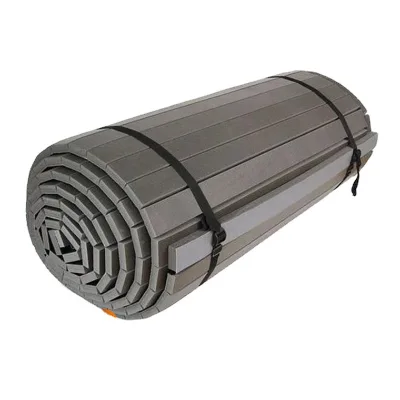


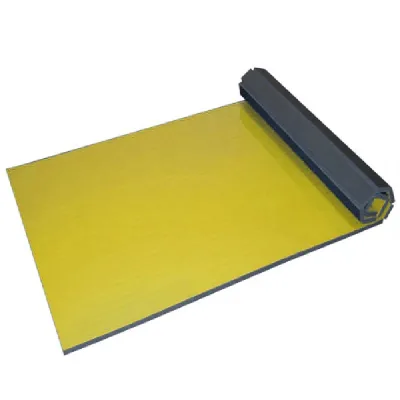
Customized Roll-up Wrestling Mat Athletic Equipment Flexible Tatami Judo Mats
$14.00 - $25.00
MOQ: 100 Square Meters

Jijitsu Wrestling Martial Arts Roll Mat for Personal Home Practice Injury Prevention
$16.00 - $25.00
MOQ: 1 Square Meters
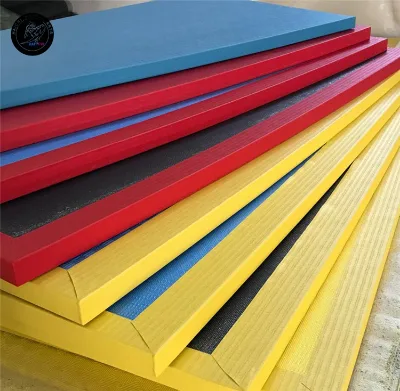
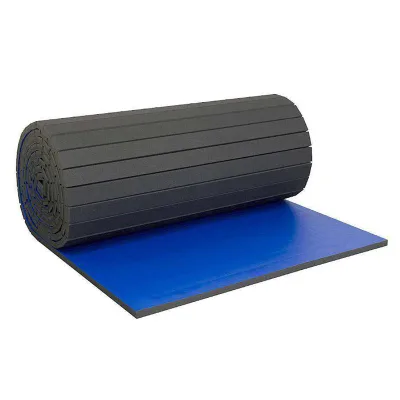
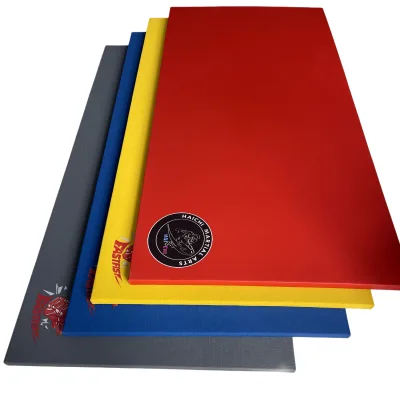
Comprehensive Sourcing Guide
Strategic Sourcing Guide for Wrestling and Judo Mats
The global market for wrestling and judo mats presents a complex landscape for B2B procurement professionals seeking durable, safe, and compliant flooring solutions. When sourcing equipment for training facilities, competition venues, or commercial gyms, buyers must navigate a wide array of material compositions, thickness specifications, and customization options. The following guide synthesizes observed market data and technical requirements to provide a disciplined approach to acquiring high-performance mats. This analysis focuses on the intersection of material science, operational safety, and supply chain reliability, ensuring that procurement decisions are grounded in verifiable facts rather than marketing assertions.
Material Composition and Structural Integrity
The foundation of any high-quality wrestling or judo mat lies in its material composition. Market observations indicate a diverse range of materials utilized in this sector, including PVC, rubber, plastic, PU (Polyurethane), and composite blends such as XPE+PVC. Each material offers distinct advantages regarding durability, shock absorption, and surface friction. PVC is frequently cited as a primary component, often used in conjunction with other layers to create a robust surface suitable for high-impact grappling. Rubber provides essential elasticity and non-slip properties, which are critical for preventing injuries during dynamic movements.
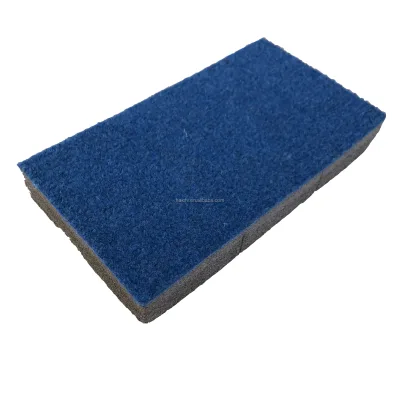
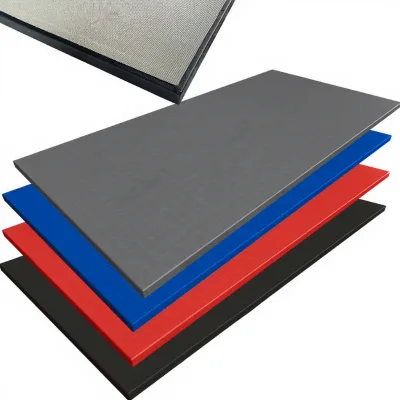
When evaluating product specifications, buyers should pay close attention to the "Surface" attribute, which is often described as Leather or Suede in premium offerings. This surface treatment is vital for the tactile experience required in judo and wrestling, allowing for proper grip and slide control. The "Feature" attribute frequently highlights "Good Elasticity" and "Non-Slip" capabilities, which are non-negotiable for safety compliance. However, the specific performance of these features depends heavily on the underlying material density and the bonding process used during manufacturing.
The thickness of the mat is another critical structural variable. Observed data suggests a thickness range of 2-4.5 cm for certain models, while other specifications extend up to 7 cm. This variance directly impacts the shock absorption capacity and the stability of the athlete's footing. Thicker mats generally offer superior protection for joints during falls, but they may also introduce stability issues if the base layer is not sufficiently rigid. Procurement teams must verify the exact thickness specifications against the intended application, whether it is for light training or high-intensity competition.
Technical Specifications and Dimensional Standards
Precision in dimensions and model specifications is paramount for ensuring compatibility with existing facility layouts and international competition standards. The market displays a variety of model numbers, such as JM-03, JM-01, XLY-080, and XLY-046, each potentially corresponding to different design iterations or target markets. Standard dimensions observed include 1m1m and 1m2m configurations, which are often modular to allow for flexible room arrangements.
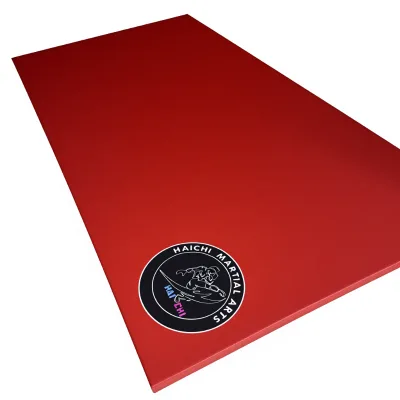
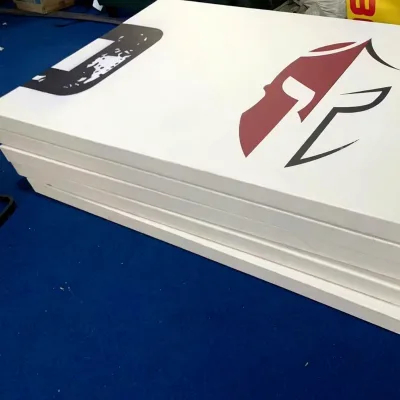
However, a significant portion of the market caters to custom requirements, with "Size" listed as "Customers" and "Standard" noted as "custom add your brand logo." This indicates a high degree of flexibility in the supply chain, allowing buyers to tailor dimensions to specific venue constraints. For competition-grade mats, adherence to specific size standards is often mandatory to ensure fair play and safety. Buyers must verify if the supplier can meet the exact dimensional tolerances required by governing bodies, as even minor deviations can disqualify a venue from hosting official events.
The "Product thickness" specification, ranging from 2 to 7 cm, must be cross-referenced with the "Service Life" attribute. Products with a service life of 1-4 years may utilize different structural engineering than those rated for 5-8 years. The longer service life typically correlates with higher density materials and more robust construction methods. Additionally, the "Style" is consistently noted as "Unisex," reflecting the universal design requirements for mixed-gender training environments. The "Usage" attribute confirms suitability for both "Training" and "Competition," suggesting that the mats must withstand varying levels of wear and tear.
Compliance, Certification, and Safety Verification
In the B2B procurement of sports equipment, compliance and certification are often the most challenging aspects to verify without direct access to third-party testing laboratories. While the provided data does not list specific certification bodies or test results, it is imperative for buyers to demand proof of compliance with relevant safety standards. The "Standard" attribute mentions "1m1m, 1m2m," which may refer to dimensional standards, but buyers must also inquire about material safety certifications, such as flammability ratings, toxicity levels, and slip-resistance coefficients.
Safety is the primary concern when selecting mats for high-impact sports. The "Feature" attribute highlights "Non-Slip" properties, but this claim must be substantiated by quantitative data. Buyers should request test reports that demonstrate the coefficient of friction under various conditions, including wet and dry states. Furthermore, the "Material" composition, particularly the use of PVC and rubber, requires verification to ensure the absence of harmful chemicals like phthalates or heavy metals, which are often regulated in children's and sports products.
Although specific certification names are not provided in the source data, the presence of "Customized" options and "Customers Logo" capabilities suggests that suppliers are accustomed to meeting specific client requirements. This includes the ability to produce mats that meet local or international safety regulations. Procurement teams should establish a checklist of required certifications before engaging with suppliers, ensuring that the product meets the legal and safety mandates of the destination market.
Cost Drivers and Pricing Dynamics
Understanding the cost drivers for wrestling and judo mats is essential for budgeting and negotiation. The observed price range in the market spans from 3 to 100 USD, a wide variance that reflects differences in material quality, thickness, customization, and order volume. The "MOQ" (Minimum Order Quantity) ranges from 1 to 200 units, indicating that suppliers cater to both small-scale buyers and large institutional purchasers.
Several factors influence the final price. The "Material" composition is a primary driver; mats made from high-grade PU or composite XPE+PVC blends will command a higher price than those made from standard PVC or plastic. The "Thickness" also plays a significant role, with thicker mats requiring more raw material and potentially more complex manufacturing processes. Customization options, such as adding a "Brand Name" or "Logo," add to the production cost and may affect the lead time.
The "Service Life" is another critical cost consideration. While a mat with a 1-4 year service life may have a lower upfront cost, the total cost of ownership could be higher if replacement is required sooner than a 5-8 year rated product. Buyers should calculate the cost per year of usage rather than focusing solely on the initial purchase price. Additionally, the "prod_packing" method, whether "Export Carton," "Standar Package," or "Wooden Pallet," impacts shipping costs and must be factored into the total landed cost.
Supplier Evaluation and Origin Analysis
Evaluating suppliers requires a careful analysis of their origin, production capabilities, and reputation. The data indicates that products originate from regions such as Shandong, China, and Hunan, China. These regions are known for their manufacturing capabilities in sports equipment, but buyers should verify the specific factory's capacity and quality control processes. The "Place Of Origin" should be clearly stated on all product documentation to ensure transparency.
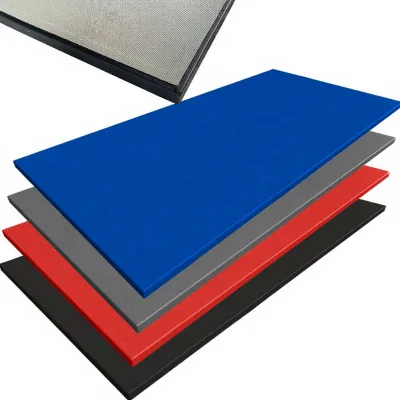
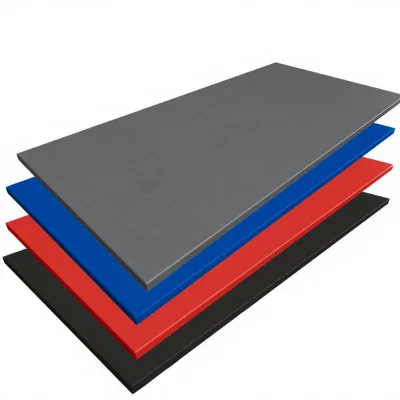
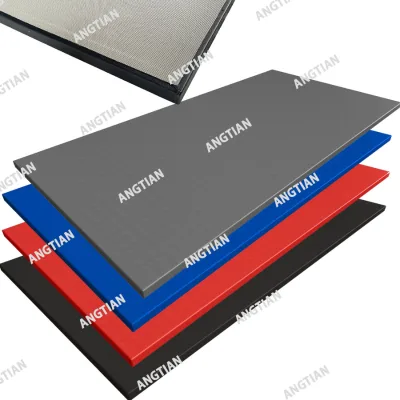
Supplier evaluation should also focus on their ability to handle "Customization." The "Customization" attribute is listed as "Available" and "Customized," suggesting that many suppliers offer tailored solutions. Buyers should assess the supplier's flexibility in accommodating specific design requests, such as unique colors (Red, Blue, Yellow, Green, Black, Gray, White) or specific branding requirements. The "Brand Name" attribute, with examples like "MAXSONG," indicates that some suppliers operate with established brand identities, while others may operate as OEM manufacturers.
Reliability is a key factor in supplier selection. The "Selling Units" are noted as "Single item," which implies that suppliers may be willing to sell small quantities, but buyers should confirm if this applies to the entire order or just individual units. The "prod_packing" methods, ranging from cartons to wooden pallets, indicate the supplier's experience in logistics and export handling. A supplier with a proven track record in "Export Carton" and "Wooden Pallet" shipping is likely better equipped to handle international logistics and ensure that products arrive in pristine condition.
Quality Control and Long-Term Procurement Considerations
Implementing a robust quality control (QC) process is essential for mitigating risks associated with mat procurement. Buyers should establish clear acceptance criteria based on the "Feature" attributes, such as "Good Elasticity" and "Non-Slip" performance. Regular inspections should be conducted to verify that the "Material" composition matches the agreed specifications and that the "Thickness" falls within the acceptable tolerance range.
Long-term procurement considerations involve planning for maintenance and replacement. The "Service Life" attribute, ranging from 1-4 years to 5-8 years, provides a baseline for budgeting future expenditures. Buyers should develop a maintenance schedule that includes regular cleaning, inspection for wear and tear, and timely replacement of damaged sections. The "Usage" attribute, covering both "Training" and "Competition," suggests that mats will undergo varying levels of stress, necessitating a proactive approach to asset management.
Furthermore, the "Customized" nature of many products means that spare parts or replacement mats may need to be ordered specifically to match the original design. Buyers should maintain detailed records of their orders, including model numbers, material specifications, and customization details, to facilitate future reordering. The "prod_packing" method should also be considered for long-term storage, ensuring that mats are stored in conditions that prevent degradation of the "Surface" or "Material."
Comparative Analysis of Product Attributes
To facilitate decision-making, the following table summarizes key product attributes observed in the market, highlighting the variations that buyers must consider during the sourcing process.
| Attribute Category | Observed Variations | Procurement Implication |
|---|---|---|
| Material | PVC, Rubber, Plastic, PU, XPE+PVC | Verify material safety and durability; PU and XPE+PVC often offer superior longevity. |
| Thickness | 2-4.5 cm, 2-7 cm | Thicker mats provide better shock absorption; verify against competition standards. |
| Service Life | 1-4 Years, 5-8 Years | Higher service life correlates with higher initial cost but lower long-term expense. |
| Customization | Available, Customized, Logo Addition | Essential for branding; verify lead times and minimums for custom orders. |
| Origin | Shandong, China; Hunan, China | Verify factory location and export capabilities; check for consistent quality control. |
| Packing | Export Carton, Standar Package, Wooden Pallet | Impacts shipping costs and product protection; ensure suitability for destination. |
| Usage | Training, Competition, GYM | Ensure the mat meets the specific intensity requirements of the intended use. |
| Colors | Red, Blue, Yellow, Green, Black, Gray, White | Standard colors are widely available; custom colors may incur additional costs. |
In conclusion, sourcing wrestling and judo mats requires a meticulous approach that balances technical specifications, material quality, and supplier reliability. By focusing on the verified attributes and avoiding unverified claims, buyers can make informed decisions that ensure safety, durability, and value for their organizations. The wide range of options available in the market allows for tailored solutions, but success depends on rigorous due diligence and clear communication with suppliers regarding expectations and standards.
FAQs
What materials are used for wrestling and judo mats?
These mats are constructed from PVC, rubber, plastic, PU, or XPE+PVC blends. The surface often features leather or suede for grip, while the core provides shock absorption suitable for both training and competition environments.
How thick are the available wrestling mat options?
Product thickness ranges from 2 to 7 centimeters depending on the specific model. Thicker options up to 7 cm offer enhanced protection for joints, while standard training mats often fall between 2 and 4.5 cm.
Can buyers customize the size and logo on these mats?
Yes, customization is available for size and branding. Buyers can request custom dimensions and add their own brand logo, with standard sizes like 1m by 1m or 1m by 2m also offered for modular setups.
Which locations supply these wrestling and judo mats?
Products originate from manufacturing hubs in Shandong and Hunan, China. These regions provide a variety of suppliers capable of producing mats for global export with standard packaging like export cartons or wooden pallets.
What is the expected service life of these mats?
Service life varies between 1 to 4 years for standard models and up to 5 to 8 years for higher-grade options. The longevity depends on material density, thickness, and the intensity of usage in training or competition.
Are these mats suitable for both training and competition?
Yes, the mats are designed for use in both training and competition settings. They feature non-slip surfaces and good elasticity to ensure safety and performance across different levels of athletic activity.