Source Wrecking Bar for Demolition, Construction, and Woodworking
Explore 30 verified Wrecking Bar options from Chinese manufacturers. Buyers can compare specifications like material grade, length, and tip types to find the right tool for demolition, construction, and woodworking projects.
Key considerations
Products List








Comprehensive Sourcing Guide
Wrecking Bar Sourcing Guide
Sourcing wrecking bars requires a disciplined approach to distinguishing between general-purpose demolition tools and specialized industrial-grade equipment. The market offers a wide variety of options, ranging from simple carbon steel pry bars to high-carbon chisels designed for heavy-duty deck and pallet removal. Buyers must navigate a landscape where product attributes vary significantly, including material composition, tip geometry, and hardness ratings. Understanding these distinctions is critical for ensuring that the selected tool meets the specific mechanical demands of the intended application, whether it involves light DIY tasks or rigorous industrial demolition projects.
This guide provides evidence-based procurement advice for sourcing wrecking bars, focusing on verified product signals and technical verification steps. It draws upon observed listing data to highlight common specifications, such as material grades and model numbers, while emphasizing the need for buyers to validate these details with suppliers. The objective is to equip procurement professionals with the knowledge to assess product quality, negotiate favorable commercial terms, and establish robust quality control protocols without relying on unverified marketing claims or generic industry assumptions.
Product Scope and Observed Listing Signals
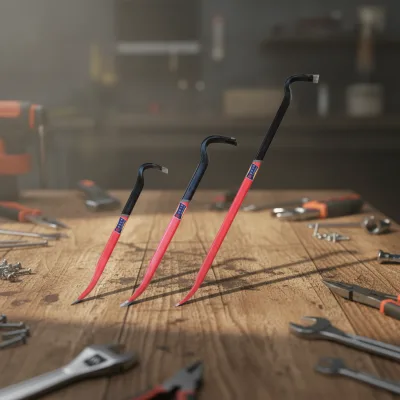
The observed market for wrecking bars reveals a diverse range of product configurations, primarily categorized by material and intended use. Listings frequently indicate materials such as carbon steel, steel, and high-carbon steel, suggesting a spectrum of durability and cost options. Product models like W01, W02, W12, and W21 appear across various suppliers, often associated with specific dimensions or tip types. For instance, some listings specify chisel ends for general demolition, while others highlight double claw ends designed for nail pulling and deck removal. These variations indicate that buyers should not assume a single standard product exists but rather select based on the specific mechanical requirements of their projects.
Geographic origins and delivery logistics also play a significant role in the sourcing landscape. Most observed products originate from China, with specific manufacturing hubs identified in regions such as Tangshan, Hebei, Zhejiang, and Shandong. Delivery ports like Xingang, Tianjin, are commonly cited, indicating established export infrastructure. Lead times vary considerably, with some suppliers offering rapid delivery within seven days, while others require thirty to forty-five days after order confirmation. Buyers must align their procurement timelines with these logistical realities, especially when managing large-scale construction or demolition projects that depend on just-in-time tool availability.
Technical Specifications to Verify
Material composition is the primary determinant of a Wrecking Bar’s performance and longevity. Buyers should verify whether the product is made from standard carbon steel, which offers a balance of strength and cost, or high-carbon steel, which provides superior hardness and resistance to deformation under heavy loads. Observed hardness ratings, such as 48-55 HRC, serve as a useful benchmark for evaluating the heat treatment quality of the tool. However, buyers must request specific material certificates or test reports from suppliers to confirm that the stated hardness and grade are consistent across the entire batch, as variations can lead to premature failure in high-stress applications.
Dimensional accuracy and tip geometry are equally critical technical factors. Listings show a variety of lengths, including 12-inch, 1000mm, and longer variants such as 450mm, 600mm, 750mm, and 900mm. The choice of length should be dictated by the leverage requirements of the task, with longer bars providing greater force for stubborn debris. Additionally, the tip type, whether chisel, claw, or double claw, must match the specific demolition needs, such as prying up flooring or extracting nails. Buyers should verify that the tip geometry is precisely machined and hardened to prevent blunting or chipping during use, ensuring consistent performance over time.
Compliance and Safety Documentation
Safety features and certification status are essential components of a compliant procurement process. Observed listings mention safety features such as "Heavy Duty" construction, which implies robust design but does not replace formal safety certifications. Buyers should prioritize suppliers who provide recognized certifications, such as ISO, RoHS, and CE, which indicate adherence to international quality and environmental standards. These certifications are particularly important for products intended for use in regulated markets or large-scale industrial projects where liability and compliance are paramount. Verifying the validity of these certificates with the issuing body is a crucial step to avoid accepting fraudulent or expired documentation.
Warranty and after-sales support also contribute to the overall safety and reliability of the procurement. Some suppliers offer warranties of up to three years, which can serve as a strong indicator of product confidence and quality. Buyers should carefully review the terms of these warranties to understand what constitutes valid claims, such as manufacturing defects versus wear and tear from misuse. Additionally, understanding the supplier’s return and replacement policies is vital for mitigating risks associated with defective batches. Clear communication regarding warranty coverage ensures that buyers are protected against unexpected costs and operational disruptions caused by tool failures.
Cost Drivers and Commercial Terms
Pricing in the Wrecking Bar market is influenced by material costs, manufacturing complexity, and order volume. Observed price ranges span from low-cost items starting at $0.50 to high-end industrial tools reaching $35,000, reflecting the vast diversity in product quality and application. Buyers should be cautious of extremely low prices, which may indicate inferior materials or compromised manufacturing processes. Conversely, higher prices should be justified by superior specifications, such as high-carbon steel construction, precise hardness ratings, and comprehensive certification packages. Conducting a total cost of ownership analysis, rather than focusing solely on unit price, helps buyers make more informed decisions that balance cost with long-term performance.
Minimum Order Quantities (MOQ) and payment terms are key commercial factors that impact procurement flexibility. Observed MOQs range from single units to thousands of pieces, with some suppliers accepting orders as low as one carton while others require minimums of 500 units. Buyers should negotiate MOQs that align with their inventory management strategies and project timelines. Additionally, understanding the supplier’s customization capabilities, including OEM, ODM, and OBM options, can provide value for buyers seeking branded or specialized tools. Clear agreement on packaging standards, such as carton packing or color inner boxes, ensures that products are protected during transit and meet any specific branding or logistical requirements.
Supplier Qualification and Quality Control
Supplier qualification is a critical step in ensuring consistent product quality and reliable service. Buyers should verify the supplier’s manufacturing capabilities, including their production capacity, quality control processes, and experience in the tool industry. Observing the supplier’s response to customization requests, such as specific model numbers or packaging requirements, can provide insights into their flexibility and customer service orientation. Additionally, checking the supplier’s track record and customer reviews can help identify potential risks, such as delayed deliveries or inconsistent product quality. Establishing a strong relationship with a qualified supplier is essential for long-term procurement success.
Quality control measures should be implemented at various stages of the production and delivery process. Buyers should request pre-shipment inspections to verify that the products meet the agreed-upon specifications, including material grade, dimensions, and hardness. Implementing a sampling plan for random inspections can help detect defects early and prevent the acceptance of substandard batches. Additionally, establishing clear communication channels with the supplier for addressing quality issues ensures that problems are resolved promptly and efficiently. Regular audits and performance reviews of suppliers can help maintain high standards and drive continuous improvement in the supply chain.
Long-Term Procurement Checks
Long-term procurement success depends on continuous monitoring and evaluation of supplier performance and product quality. Buyers should establish key performance indicators (KPIs) to track metrics such as delivery times, defect rates, and customer satisfaction. Regularly reviewing these metrics helps identify trends and potential issues before they escalate into major problems. Additionally, staying informed about industry developments, such as new materials or manufacturing technologies, can help buyers remain competitive and ensure that their tool procurement strategies evolve with market demands. Building a resilient supply chain requires proactive management and a commitment to continuous improvement.
Sustainability and ethical sourcing practices are increasingly important considerations in modern procurement. Buyers should assess their suppliers’ environmental policies and labor practices to ensure alignment with corporate social responsibility goals. Verifying that suppliers adhere to international standards for environmental management and worker safety can mitigate reputational and legal risks. Additionally, exploring opportunities for sustainable packaging and logistics can further reduce the environmental impact of the procurement process. By integrating sustainability into their sourcing strategies, buyers can contribute to a more responsible and resilient global supply chain while meeting their operational needs.
FAQs
What materials are used for wrecking bars?
Wrecking bars are primarily manufactured from carbon steel, high-carbon steel, or general steel. These materials ensure the tool meets industrial and DIY requirements while providing the necessary durability for demolition and construction tasks.
Can I request custom specifications for these bars?
Customization is available for many Wrecking Bar models, allowing buyers to specify dimensions or features. However, some items are listed as non-customized, so verifying the specific product model and customization support is essential before ordering.
What is the typical delivery time for orders?
Delivery times vary significantly depending on the supplier and order confirmation. Some manufacturers offer a lead time of about 30 to 45 days, while others may provide faster service with a delivery time of just 7 days after confirmation.
Which certifications do these products hold?
Certain wrecking bars carry ISO, RoHS, and CE certifications to ensure compliance with safety and quality standards. Buyers should verify specific product listings to confirm if these certifications apply to the exact model they intend to purchase.
What are the standard dimensions available?
Standard lengths include 450mm, 600mm, 750mm, and 900mm, with other models offering sizes like 1000mm or 12 inches. Specific dimensions such as 400*16mm or 800*19mm are also available depending on the manufacturer and product series.
How is the hardness of the bars measured?
The hardness of high-quality wrecking bars is typically rated between 48 and 55 HRC. This specification ensures the tool can withstand heavy-duty applications like prying and demolition without deforming or breaking under stress.
What packaging options are provided for shipping?
Packaging varies by supplier, ranging from carton packing to color inner boxes with color outer cartons. Some manufacturers offer packing as required by the buyer, ensuring the product arrives safely during international transit from origins like China.
What is the minimum order quantity for these items?
Minimum order quantities differ widely, with some suppliers requiring as few as one carton while others set a minimum of 500 units. Buyers must check the specific product listing to determine the exact MOQ applicable to their order.