Source X1 Y2 Ceramic Safety Capacitor for Lighting, General Purpose, High Voltage
Compare 30 available X1 Y2 ceramic safety capacitors from verified suppliers. These components support general purpose, lighting, and high voltage applications with ratings up to 400VAC and capacitance ranging from 100PF to 4700PF.
Key considerations
Products List


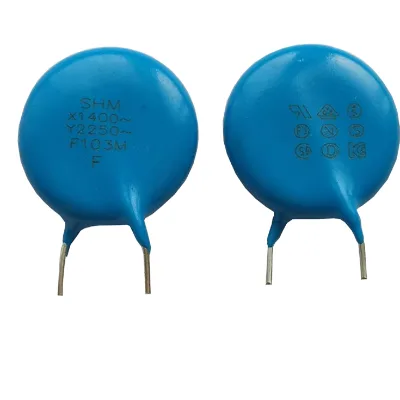
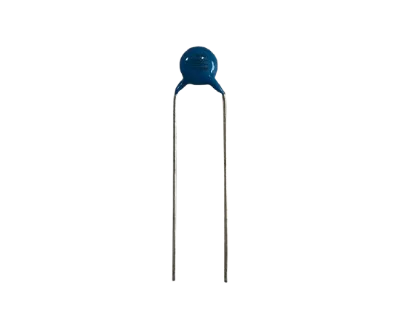
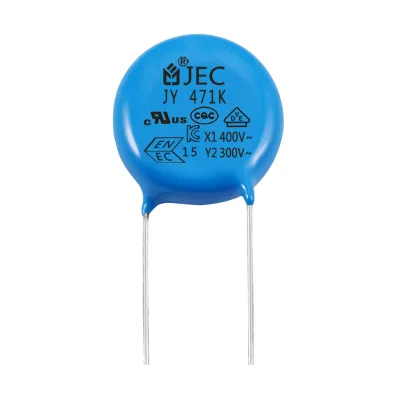
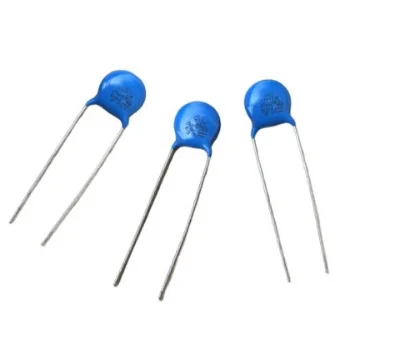
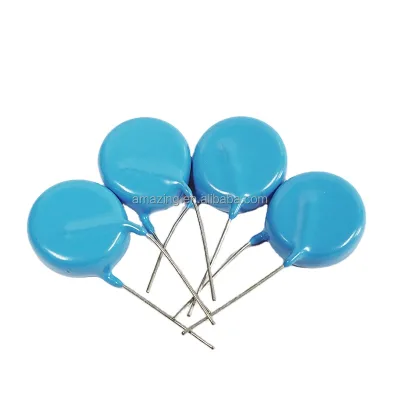
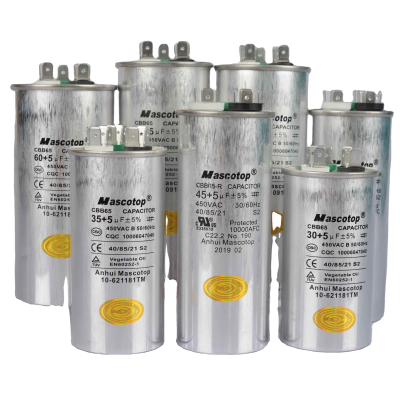

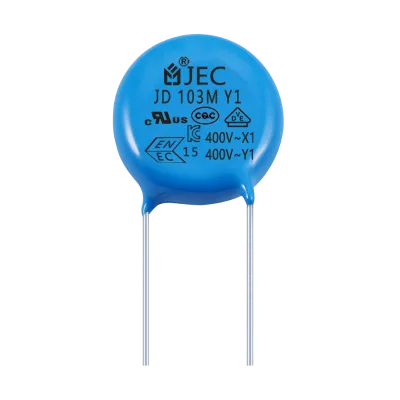


X2 Circuit Board Capacitor Electronic Integrated Circuit Board Capacitors
$0.05 - $0.10
MOQ: 500 Pieces


Comprehensive Sourcing Guide
Strategic Sourcing Guide for X1 and Y2 Ceramic Safety Capacitors
Understanding Technical Specifications and Classification
When sourcing X1 and Y2 ceramic safety capacitors, buyers must first distinguish between the specific safety classes defined by international standards. The X1 class is designed for suppression across the line-to-line connection in mains applications, typically handling high voltage surges and transient spikes. The Y2 class, conversely, is intended for line-to-ground connections where the risk of electric shock is a primary concern. In the context of ceramic safety capacitors, the physical construction and dielectric material are critical. The supplied data indicates that these components are often manufactured using ceramic materials, specifically identified as Low Frequency Ceramic Capacitors or Safety Ceramic Capacitors in various listings.
The electrical characteristics define the operational limits of these components. For instance, specific product models such as TMCC02 and TMCF20 demonstrate a rated voltage of 250VAC or 400VAC, with some high-voltage variants reaching up to 500VAC. The capacitance range observed in the market for these safety components varies significantly, spanning from 100PF to 4700PF for general coupling applications, while other listings suggest ranges up to 50-100uF for different usage profiles. It is essential for buyers to verify that the specific capacitance and voltage ratings align with their circuit design requirements, as the "General Purpose" and "High Voltage" applications listed imply distinct operational environments. The pitch, a critical dimension for through-hole mounting, is frequently standardized at 10mm, though some specifications mention 12mm, requiring careful verification against PCB footprint designs.
Compliance and Certification Verification
Safety certifications are non-negotiable for X1 and Y2 capacitors due to their role in protecting users from electrical hazards. The sourcing process must prioritize components that carry recognized safety approvals. The available data highlights a robust set of certifications including CE, RoHS, Reach Report, TUV, UL, FI, SA, and GreatWall. Additionally, specific safety approvals such as CQC, VDE, and SGS are noted in the product attributes. These certifications ensure that the capacitor meets rigorous testing standards for fire resistance, dielectric strength, and long-term reliability under stress conditions.
Buyers should not assume that all listed products possess every certification mentioned in a general catalog. Instead, the procurement strategy must involve requesting specific test reports and certificates of conformity for the exact model number being ordered. For example, while a listing might mention "SGS" or "TUV," the buyer must confirm that the specific batch or model number carries the valid certification for the target market, such as the CE mark for Europe or UL for North America. The presence of a "Class Y2" designation in the attributes confirms the component's safety class, but this must be cross-referenced with the actual safety approval documents provided by the manufacturer. Verification of the "Standard Carton CTN Box" packaging is also part of the compliance chain, ensuring that the product is handled and shipped in a manner that preserves its safety integrity and prevents physical damage that could compromise the ceramic dielectric.
Cost Drivers and Pricing Dynamics
The pricing structure for X1 and Y2 ceramic safety capacitors is influenced by several factors, including material costs, certification fees, and order volume. The observed price range in the market spans from 0 to 16.13 USD, reflecting a wide disparity based on specifications and order quantities. The Minimum Order Quantity (MOQ) is equally variable, ranging from as low as 1 unit to as high as 100,000 units. This flexibility allows small prototype developers to source small batches while large-scale manufacturers can leverage economies of scale.
Cost drivers include the specific voltage rating and capacitance value. Higher voltage ratings, such as 400VAC or 500VAC, often command a premium over standard 250VAC components due to the increased dielectric thickness and material quality required. Similarly, the manufacturing material plays a role; while ceramic is the standard for safety capacitors, the specific formulation and the inclusion of additional features like "High Frequency Coupling" or "Low Frequency Bypass" capabilities can affect the unit price. The "Customization" availability noted in the attributes suggests that bespoke solutions, such as specific color coding (Yellow or Blue) or unique pitch dimensions, may incur additional costs. Buyers should also consider the lead time, which is observed at 10 days for standard orders, as expedited shipping or rush production requests can significantly impact the total landed cost.
Typical Applications and Usage Scenarios
X1 and Y2 ceramic safety capacitors are integral to a wide array of electronic applications, primarily focused on electromagnetic interference (EMI) suppression and safety isolation. The data indicates that these components are used in "General Purpose" applications, as well as specialized sectors like "Lighting" and "High Voltage" systems. In lighting applications, Y2 capacitors are commonly found in LED drivers and fluorescent lamp ballasts to suppress conducted emissions and protect the user from electric shock. The "High Frequency Coupling" and "Low Frequency Coupling" attributes suggest their utility in signal processing circuits where noise filtering is critical.
The "Structure: Fixed Capacitor" and "Packaging Type: Through Hole" characteristics make these components suitable for traditional printed circuit board (PCB) designs, although they are also adaptable to various assembly processes. The "Operating Temperature" range of -40°C to +105°C ensures reliability in diverse environmental conditions, from cold storage units to high-temperature industrial machinery. The "Electrolyte: Ceramic Capacitor" and "Air Medium" references highlight the dielectric properties that allow these components to handle high voltages without breakdown. Whether used for "Tuning," "Filtering," or "Bypass" functions, the selection of the correct X1 or Y2 capacitor is vital for maintaining the safety and performance of the end product.
Supplier Evaluation and Operational Capabilities
Evaluating a supplier for safety capacitors requires a deep dive into their manufacturing capabilities and quality assurance processes. The origin of the products is a key factor, with the data indicating production in China, specifically in regions like Zhejiang and Huzhou. Buyers should verify the supplier's ability to maintain consistent quality across different batches, especially given the critical nature of safety components. The availability of "Small Orders" and "Custom" acceptance indicates a flexible supply chain, but this must be balanced against the supplier's capacity to handle large-scale production if the buyer's needs grow.
Key evaluation criteria include the supplier's adherence to the listed standards and their ability to provide traceability. The "Brand Name: SHM" and specific model numbers like "X1 Y1" or "X1/Y1/Y2 400VAC / 500VAC -#8978" serve as identifiers, but the buyer must ensure the supplier is an authorized distributor or manufacturer. The "Lead Time: 10days" is a standard benchmark, but buyers should confirm if this holds true during peak seasons or for custom orders. Furthermore, the "prod_packing" details, such as "Bulk" or "Standard Carton CTN Box (Loose in Bags)," should be assessed to ensure they meet the buyer's logistics and storage requirements. A supplier that offers comprehensive documentation, including test results and certification reports, is preferable to one that only provides basic product descriptions.
Quality Control and Long-Term Procurement Considerations
Ensuring the long-term reliability of X1 and Y2 capacitors requires a robust quality control (QC) strategy. The "Capacitance Tolerance" of +_5%(J) or +_10%(K) is a critical parameter that must be verified during incoming inspection. Buyers should implement a sampling plan that tests for capacitance value, voltage withstand, and leakage current to ensure compliance with the specified tolerances. The "Color" of the capacitor, such as Yellow or Blue, can sometimes serve as a visual indicator of the safety class or voltage rating, but it should never be the sole method of verification.
Long-term procurement considerations involve building a relationship with a supplier that can support the product lifecycle. This includes the ability to provide consistent quality over time, manage obsolescence, and offer technical support for design changes. The "Customization: Available" attribute suggests that suppliers can adapt to specific design needs, but buyers must ensure that any customizations do not compromise the safety certifications. Regular audits of the supplier's manufacturing facility and quality management system are recommended to maintain high standards. Additionally, buyers should monitor the "Operating Temperature" and environmental conditions of their end products to ensure the capacitors remain within their specified limits throughout their service life. By focusing on these quality and operational aspects, buyers can mitigate risks and ensure the safety and performance of their electronic assemblies.
FAQs
What certifications do X1 Y2 ceramic safety capacitors typically have?
These capacitors typically carry CE, RoHS, Reach Report, TUV, UL, and CQC approvals. Buyers must verify specific test reports for the exact model number to ensure compliance with target market safety standards.
Can I order small quantities of X1 Y2 ceramic safety capacitors?
Yes, small orders are accepted with a minimum order quantity as low as one unit. This flexibility supports prototype development while large-scale manufacturers can leverage bulk pricing up to 100,000 units.
Which voltage ratings are available for X1 Y2 ceramic safety capacitors?
Available rated voltages include 250VAC, 400VAC, and up to 500VAC for high-voltage applications. Selecting the correct rating is critical to ensure the component withstands the specific circuit design requirements.
How long is the lead time for X1 Y2 ceramic safety capacitors?
The standard lead time is 10 days for most orders. Expedited shipping or custom production requests may alter this timeline, so buyers should confirm availability before placing urgent orders.
What packaging types are used for X1 Y2 ceramic safety capacitors?
Packaging options include bulk packaging and standard carton boxes with loose bags. The packaging method is designed to preserve safety integrity and prevent physical damage to the ceramic dielectric during shipping.
Which capacitance ranges are available for X1 Y2 ceramic safety capacitors?
Capacitance ranges vary from 100PF to 4700PF for general coupling and up to 50-100uF for other profiles. Buyers must verify the specific value aligns with their circuit design needs.
Can manufacturers customize X1 Y2 ceramic safety capacitors?
Customization is available for specific needs like color coding or unique pitch dimensions. However, any customizations must not compromise the existing safety certifications or performance ratings of the component.