Source XCMG Oil Baffle for Excavators, Transmissions, and Construction
Compare 30 listings for XCMG Oil Baffle components designed for excavators and automatic transmissions. Buyers can evaluate specifications, pricing, and customization options from verified Chinese manufacturers offering new condition parts.
Key considerations
Products List


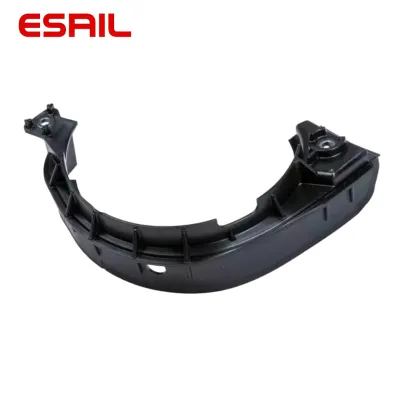
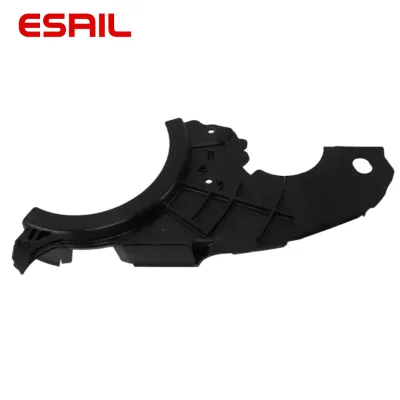
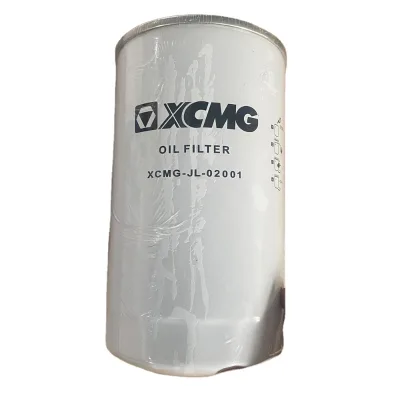
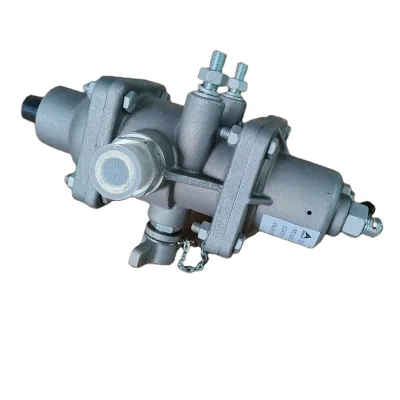
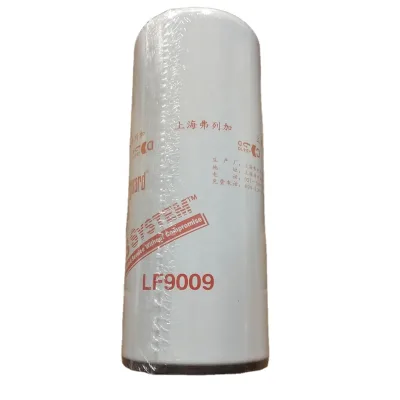
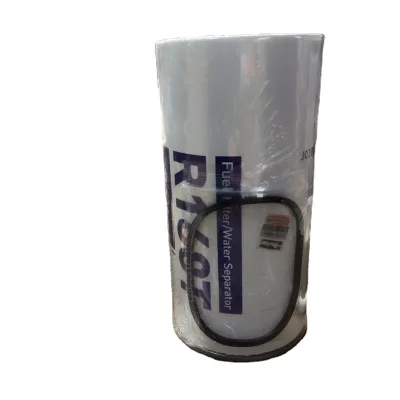
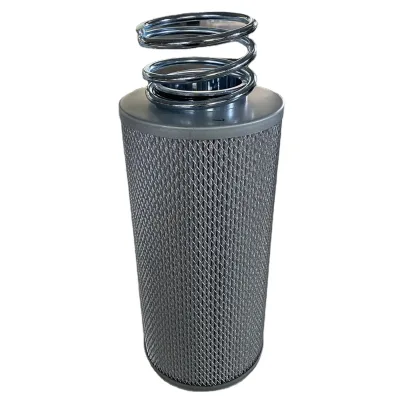
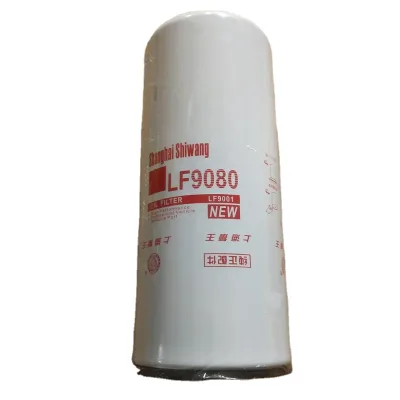
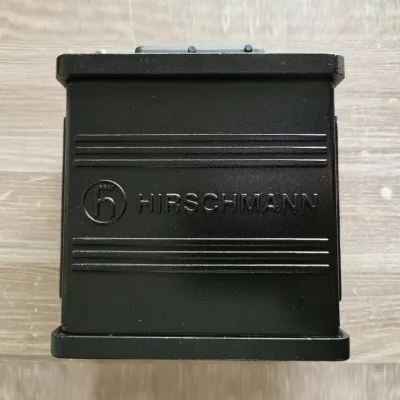
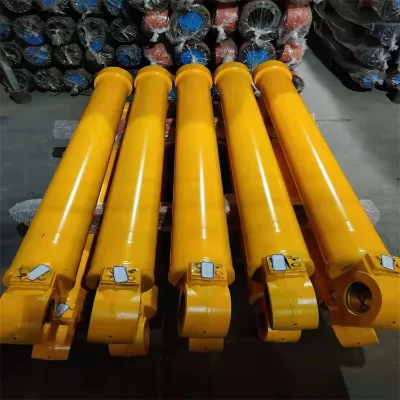
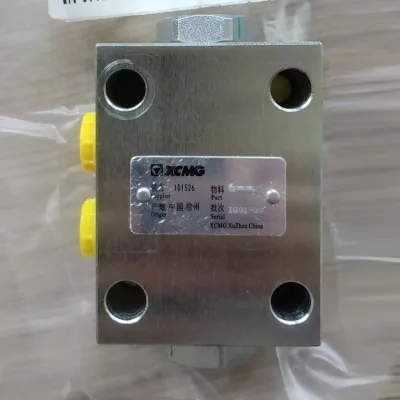


$100.00 - $10000.00
MOQ: 1 Pieces


Hydraulic Axial 90m075nc0n8n0c6 for Xcmgxs263 Road Roller Spare Parts
$700.00 - $1300.00
MOQ: 1 Pieces

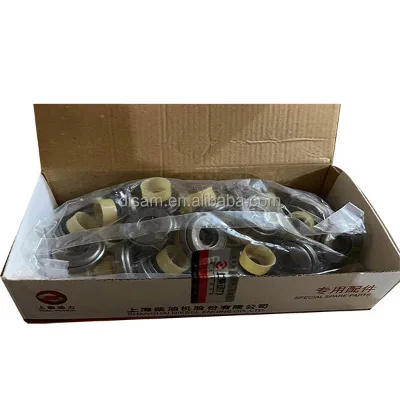


XCMG Official Xca180L8 180t Mobile Crane Used Boom Truck Crane for Sale
$390000.00 - $391000.00
MOQ: 1 Pieces

Heavy Equipment Parts 801100441 Oil Pot Suitable for X Cmg Qy25K Qy50c Rane Parts
$10.00 - $15.00
MOQ: 1 Pieces


Comprehensive Sourcing Guide
Strategic Sourcing Guide for XCMG Oil Baffle Components
Procuring specialized hydraulic and transmission components for heavy machinery requires a disciplined approach that balances technical precision with supply chain reliability. When searching for an XCMG Oil Baffle, buyers must navigate a market where component specifications vary significantly based on the specific machine model and the manufacturer's original equipment standards. This guide outlines the essential factors for sourcing these critical parts, focusing on the tangible attributes observed in the current market, compliance verification, and long-term operational stability. The objective is to equip procurement professionals with a framework for evaluating suppliers and products without relying on unverified marketing claims or speculative data.
Technical Specifications and Model Identification
The foundation of any successful procurement process for an oil baffle lies in precise model identification. The market data indicates a diverse range of part numbers associated with similar functional components. For instance, specific model identifiers such as YXL-015D10, 803308663, 860109878, and 800104424 appear in product listings, suggesting that a single functional part may have multiple designations depending on the production batch or specific equipment configuration. Furthermore, model numbers like DA1210.1-11 and XT870HA.3.4.3-2 highlight the complexity of matching parts to specific machinery variants.
Buyers must prioritize the verification of the "Model Number" against the original equipment manufacturer (OEM) documentation. The provided data shows that some listings specify the "Product Name" as an "Automatic Transmission Oil Baffle," while others refer to generic "Filter" or "Baffle" categories. This ambiguity necessitates a rigorous cross-reference of the part number with the machine's service manual. The physical dimensions are equally critical; observed specifications include "OE Standard Size" and "Standard Size," with single package dimensions ranging from 30x20x20 cm to 50x40x10 cm. The weight of individual units also varies, with recorded single gross weights of 1.000 kg and 2.000 kg. These physical attributes are not merely logistical details but are indicative of the internal volume and structural integrity of the baffle, which directly impacts fluid dynamics within the transmission or hydraulic system.
Material Composition and Construction Standards
The durability of an oil baffle is intrinsically linked to its material composition. Market observations confirm that the primary materials used in these components are a combination of "Metal + Plastic." This hybrid construction is typical for oil baffles, where metal provides the necessary structural rigidity to withstand hydraulic pressure and vibration, while plastic components may be used for specific sealing surfaces or flow-directing vanes to reduce noise and wear.
When evaluating a potential supplier, buyers should request detailed material certifications or mill test reports that verify the grade of the metal and the type of polymer used. The "Condition" of the product is consistently listed as "New," which is a baseline requirement for critical engine components. However, the term "New" does not guarantee the quality of the raw materials. Buyers must verify that the metal alloy used is resistant to corrosion and capable of maintaining its shape under high-temperature operating conditions. The "Standard" designation in the product data is listed simply as "Standard," which implies adherence to general industry norms rather than a specific proprietary standard. Consequently, the buyer must define what "Standard" means for their specific application, ensuring that the material properties align with the thermal and chemical requirements of the XCMG machinery's lubrication system.
Compliance, Certification, and Quality Assurance
In the global B2B market, compliance is a non-negotiable aspect of procurement. The observed product data lists "CE" and "ISO9001: Condition:New" as certifications. These are significant indicators of a supplier's commitment to quality management systems and product safety. ISO9001 certification suggests that the manufacturing facility operates under a documented quality management system, which is essential for maintaining consistency in production batches. The CE marking indicates conformity with health, safety, and environmental protection standards for products sold within the European Economic Area, which often serves as a proxy for general manufacturing rigor.
However, buyers must exercise caution. The presence of a certification claim in a product listing does not automatically verify the current validity of that certification for a specific batch of goods. It is imperative to request a copy of the valid certificate from the supplier and verify the scope of the certification to ensure it covers the specific manufacturing process for oil baffles. Additionally, while the data mentions "ISO 37301" in a low-confidence background section, this should not be treated as a confirmed attribute for the products. Instead, buyers should inquire if the supplier adheres to any specific compliance frameworks relevant to their industry, such as environmental regulations regarding material disposal or specific automotive industry standards. The "Warranty" period of "12 months" is another critical data point that reflects the supplier's confidence in their product's longevity and their willingness to stand behind their quality claims.
Cost Drivers and Commercial Terms
Understanding the cost structure of oil baffles requires an analysis of several variables beyond the unit price. The observed price range in the market spans from 1 to 800,000 USD, a vast disparity that reflects differences in part complexity, material costs, order volume, and the specific machinery application. This wide range underscores the importance of defining the exact requirement before soliciting quotes. A generic baffle for a smaller component will differ significantly in cost from a precision-engineered baffle for a large hydraulic system.
The "MOQ" (Minimum Order Quantity) is another key commercial factor. The data indicates an MOQ range of 1 to 1000 units, with specific listings showing an MOQ of 50 PCS. This variability allows buyers to tailor their procurement strategy based on inventory needs. For immediate repairs, a supplier with a low MOQ is preferable, whereas for fleet-wide replacements, a higher MOQ might secure better unit economics. Payment terms are also standardized in the market, with "L/C" (Letter of Credit), "T/T" (Telegraphic Transfer), "Western Union," and "Money Gram" being common options. The flexibility of these terms can influence the final cost of the transaction, particularly for international trade where currency exchange risks and transaction fees apply.
Supplier Evaluation and Logistics
Selecting the right supplier involves more than just comparing prices; it requires a holistic assessment of their operational capabilities. The "Place of Origin" for these products is primarily identified as "China," with specific regions like "Anhui" and "Shandong" mentioned. These regions are known for their manufacturing clusters, but buyers should verify the specific factory location to ensure it aligns with their risk tolerance regarding supply chain disruptions. The "Packing" methods observed include "Wooden Packing Box," "Original Packing," "Neutral Packing+Customized+Brand Packing," and "Standard Export Package." Proper packaging is essential to prevent damage during transit, especially for metal and plastic components that could be dented or scratched.
Logistics and delivery times are critical for maintaining operational uptime. The "Delivery time" is listed as "7-30 Days," which provides a reasonable window for planning. However, this is contingent on the "Instock" status, which buyers are advised to "Confirm with us." This highlights the necessity of real-time inventory verification before finalizing an order. Transportation methods are described as "According to Customer Requirements," indicating that suppliers are willing to accommodate specific shipping needs, whether by sea, air, or land. The "Service" level, noted as "24 Hours Online," suggests a commitment to responsive communication, which is vital for resolving technical queries or logistical issues promptly.
Long-Term Procurement and Maintenance Strategy
Sourcing an oil baffle is not a one-time transaction but part of a long-term maintenance strategy. The "Purpose" of these parts is explicitly stated as "for replace/repair," emphasizing their role in restoring machinery to optimal performance. To ensure long-term value, buyers should consider the availability of the part for future maintenance cycles. The "OEM/ODM" acceptance indicates that suppliers are open to custom manufacturing, which can be beneficial if the original part becomes obsolete or if a buyer requires a modified design for specific operational conditions.
Furthermore, the "Brand Name" associated with these parts varies, with listings showing "ESAIL" or generic designations like "for XCMG" and "for Isuzu." This suggests that many suppliers produce compatible parts rather than branded originals. While this can offer cost savings, it requires a higher degree of due diligence to ensure the compatibility and quality match the original specifications. Buyers should establish a relationship with suppliers who offer consistent quality over time, rather than switching vendors for marginal price differences. The "Customization" availability is a significant advantage, allowing for tailored solutions that might extend the service life of the machinery.
Comparative Analysis of Product Attributes
To facilitate a clearer understanding of the market landscape, the following table summarizes the key attributes observed in the product data, highlighting the variations buyers must navigate.
| Attribute Category | Observed Values | Procurement Implication |
|---|---|---|
| Model Numbers | YXL-015D10, 803308663, 860109878, 800104424, DA1210.1-11, XT870HA.3.4.3-2 | Requires strict cross-referencing with machine manuals; no single universal part number. |
| Material | Metal + Plastic | Verify specific alloy grades and polymer types for thermal/chemical resistance. |
| Certifications | CE, ISO9001 | Request valid certificates; verify scope covers baffle manufacturing. |
| Packaging | Wooden Box, Original, Neutral, Standard Export | Ensure packaging prevents physical damage during international shipping. |
| Delivery Time | 7-30 Days | Plan inventory buffers; confirm "Instock" status prior to order. |
| MOQ | 1 to 1000 (Specific: 50 PCS) | Negotiate based on order volume; lower MOQ for urgent repairs. |
| Warranty | 12 Months | Standard industry term; verify claim process and coverage details. |
| Origin | China (Anhui, Shandong) | Verify specific factory location for supply chain risk assessment. |
Conclusion
Sourcing an XCMG Oil Baffle demands a methodical approach that prioritizes technical accuracy, verified compliance, and supplier reliability. The market offers a wide array of options, from generic replacements to customized solutions, but the diversity of model numbers and material specifications requires careful due diligence. Buyers must move beyond simple price comparisons and focus on the total cost of ownership, including warranty support, delivery reliability, and the long-term availability of the component. By rigorously verifying certifications, confirming inventory status, and understanding the specific material requirements of their machinery, procurement professionals can secure high-quality oil baffles that ensure the continued performance and longevity of their heavy equipment fleets. The data presented here serves as a factual baseline for these decisions, emphasizing the need for verification over assumption in every step of the sourcing process.
FAQs
What certifications do XCMG oil baffles typically have?
These components typically carry CE and ISO9001 certifications to ensure quality and safety standards. Buyers should verify that the specific batch holds valid certificates covering the manufacturing process for baffles before finalizing orders.
How long is the delivery time for these parts?
The standard delivery time ranges from 7 to 30 days depending on inventory status. Buyers must confirm current stock availability with the supplier before placing an order to ensure timely receipt.
Which materials are used to construct the oil baffle?
The primary construction material is a combination of metal and plastic. This hybrid design provides structural rigidity while using plastic for specific sealing or flow-directing surfaces to reduce wear.
Can suppliers customize the packaging for these items?
Yes, customization is available for packaging options including wooden boxes, neutral packing, or brand-specific boxes. Buyers should specify their requirements to ensure the parts arrive without damage during transit.
What is the minimum order quantity for purchasing?
The minimum order quantity varies, with some listings requiring 50 pieces while others accept orders starting from one unit. Buyers should check specific supplier terms to align with their inventory needs.
Where are these oil baffles manufactured?
Products originate from China, specifically from regions like Anhui and Shandong. Buyers should verify the exact factory location to assess supply chain risks and logistics efficiency.
How long is the warranty period for the product?
The standard warranty period is 12 months for new condition parts. This coverage reflects the supplier's confidence in the product's longevity and durability under normal operating conditions.