Source Yaki Weaving Hair for Salons, Stylists, and Retailers
Compare 30 listings of Yaki Weaving Hair from verified suppliers in China. Buyers can evaluate options based on length, texture, and customization availability for salon and retail needs.
Key considerations
Products List
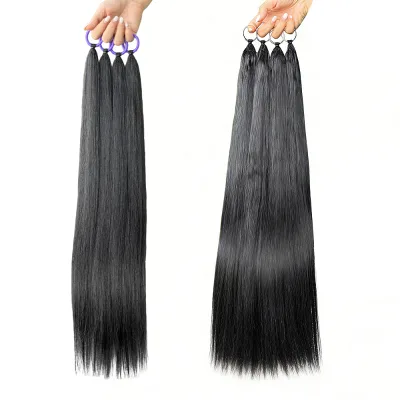


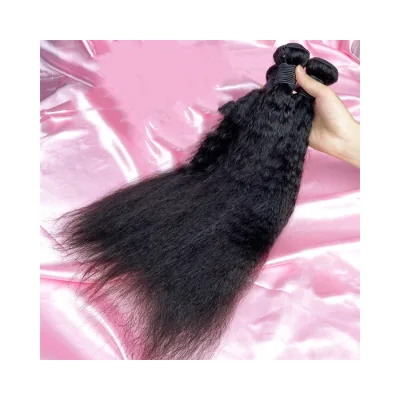


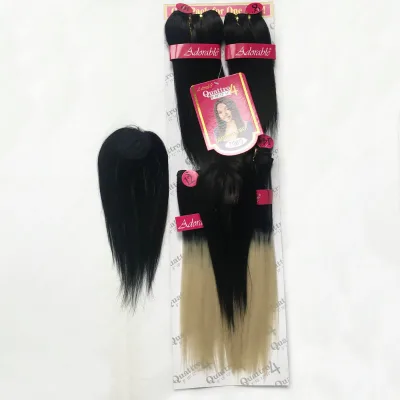
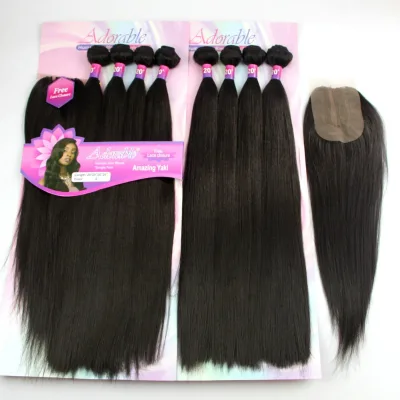
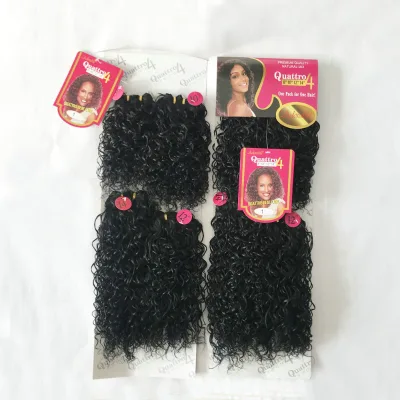
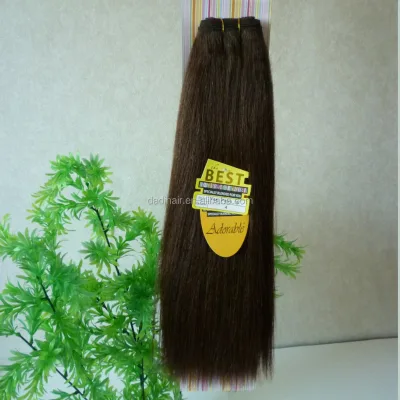
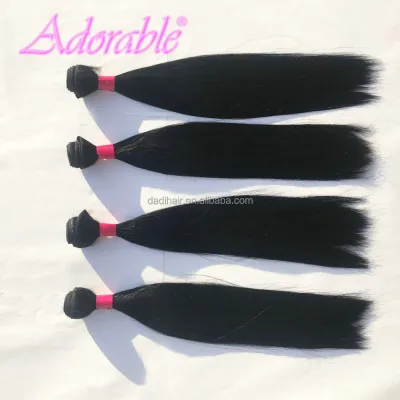
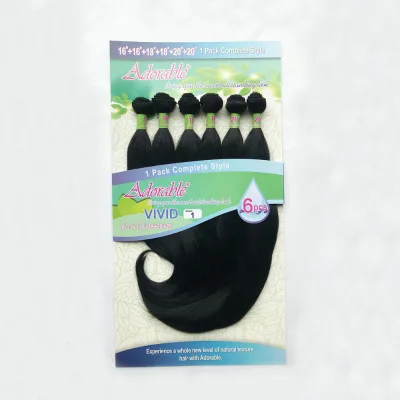


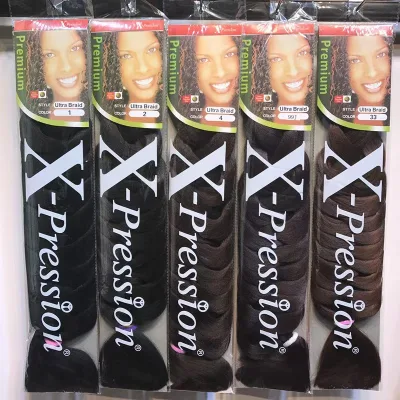
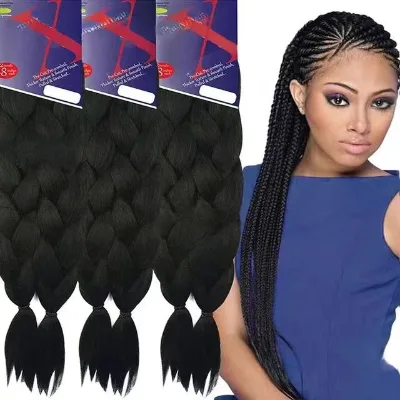
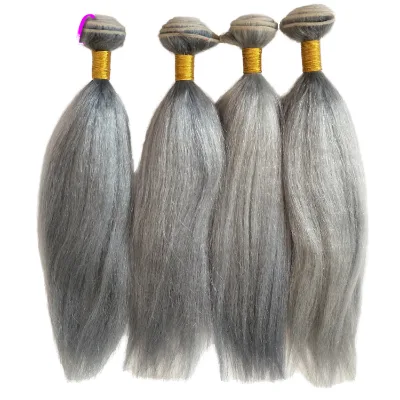
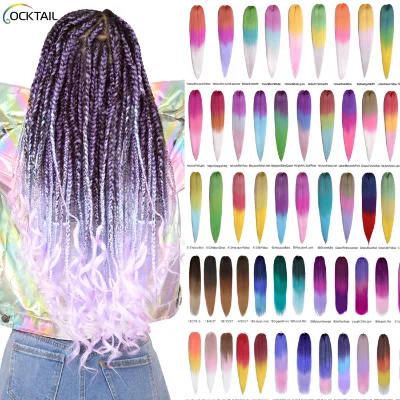
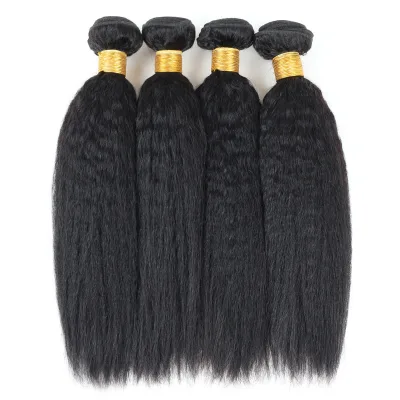

Kinky Curly Bundles Human Hair Weaving Brazilian Human Hair Natural Color
$14.00 - $17.00
MOQ: 1 pieces
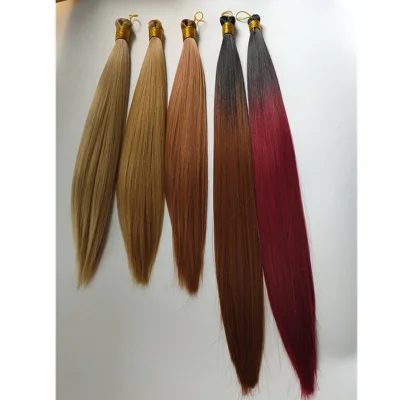
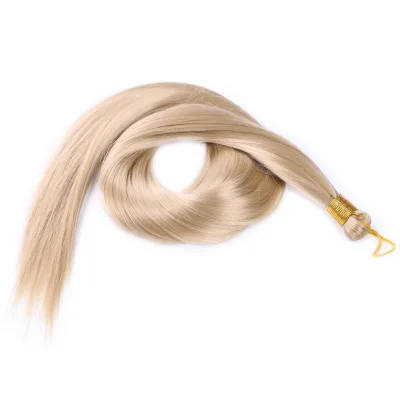
Comprehensive Sourcing Guide
Yaki Weaving Hair Sourcing Guide
Sourcing Yaki Weaving Hair requires a nuanced understanding of texture replication, hair origin, and processing integrity. The yaki texture is designed to mimic the natural, slightly crimped pattern of relaxed African-American hair, making it a preferred choice for seamless blending and natural-looking volume. Buyers must distinguish between virgin, remy, and processed human hair, as these categories dictate longevity, styling versatility, and maintenance costs. This guide provides evidence-based procurement strategies to help buyers navigate the complexities of the global hair market, ensuring that selected products meet specific quality, ethical, and commercial requirements.
The following sections detail the critical verification steps, technical specifications, and commercial terms necessary for successful procurement. By focusing on observable listing signals and rigorous supplier qualification, buyers can mitigate risks associated with mislabeled products, inconsistent quality, and unreliable supply chains. This approach ensures that the final product aligns with brand standards and customer expectations, particularly in markets where authenticity and durability are paramount.
Product Scope and Observed Listing Signals
The current market for Yaki Weaving Hair exhibits a wide range of product attributes, with observed listing prices varying significantly from $0.50 to $69.55 USD. This broad price spectrum reflects differences in hair grade, origin, and processing methods. Buyers should note that lower price points often correlate with non-virgin or heavily processed hair, which may lack the longevity and styling flexibility of higher-grade options. The minimum order quantity (MOQ) ranges from 1 to 100 pieces, indicating that suppliers cater to both sample testing and bulk procurement needs. Understanding these signals is crucial for aligning procurement budgets with quality expectations.
Observed product attributes highlight key differentiators such as hair type, texture, and packaging. For instance, some listings specify "100% Human Hair" with origins in Guangdong or Henan, China, while others emphasize Brazilian or Indian hair types. The yaki texture is often listed alongside straight and wave options, with specific styles like "Yaki" and "Straight" being prominent. Packaging details, such as PVC bags or custom requirements, and single package dimensions (e.g., 25x10x1 cm) provide insights into logistics and storage considerations. Buyers should verify these details to ensure compatibility with their distribution channels and customer preferences.
Technical Specifications to Verify
Verifying technical specifications is essential to ensure product consistency and performance. Key attributes to confirm include hair length, which typically ranges from 8 to 40 inches, with specific stretched lengths available in increments such as 12, 14, 16, and 18 inches. The hair weft construction, often described as "Machine Double Weft," impacts durability and shedding resistance. Buyers should request samples to assess the weft's integrity and ensure it meets the "Tangle and Shedding Free" claims. Additionally, the longest hair ratio, which may be listed as >=40%, >=45%, or >=60%, affects the fullness and natural appearance of the weave.
Texture and processing details are equally critical. The yaki texture can be achieved through perming or other chemical processes, and buyers should verify whether the hair is virgin, remy, or unprocessed. Virgin hair, which has not been chemically treated, offers superior styling versatility and longevity. Listings may specify "100% Human Hair Top" or "Remy Hair," indicating the quality of the cuticle alignment. Buyers should also check for customization options, such as logo printing, label design, and packaging style, to ensure the product aligns with their brand identity.
Compliance and Safety Documentation
While specific certification standards are not universally mandated for hair extensions, buyers should prioritize suppliers who provide transparent documentation regarding product safety and ethical sourcing. This includes verifying that the hair is sourced from reputable suppliers and that the processing methods comply with international safety regulations. Buyers should request information on chemical treatments used in perming or dyeing processes to ensure they do not contain harmful substances. Additionally, suppliers should be able to provide evidence of compliance with labor standards and ethical sourcing practices, particularly if the hair is sourced from regions with known labor concerns.
Documentation should also cover product labeling and packaging requirements. Buyers must ensure that product labels accurately reflect the hair type, origin, and care instructions. Mislabeling can lead to customer dissatisfaction and potential legal issues. Suppliers should be willing to provide detailed product data sheets that outline material composition, processing methods, and care guidelines. This transparency helps buyers build trust with their customers and ensures that the product meets regulatory requirements in target markets.
Cost Drivers and Commercial Terms
Several factors influence the cost of Yaki Weaving Hair, including hair grade, origin, length, and processing complexity. Virgin hair from specific origins, such as Brazilian or Indian hair, typically commands a higher price due to its superior quality and limited availability. Longer lengths and higher hair density also increase costs, as they require more raw material and processing time. Buyers should consider these factors when budgeting for procurement and negotiate terms that align with their volume requirements and quality expectations.
Commercial terms, such as MOQ, lead times, and shipping methods, significantly impact overall procurement costs. Suppliers may offer flexible MOQs, starting from 1 piece for sample orders, to accommodate testing and small-scale purchases. Lead times vary depending on whether the product is in stock or customized, with in-stock items often available within 24 hours and customized orders taking up to 7 days. Shipping terms, including DHL, UPS, FedEx, and air or sea freight, should be evaluated based on urgency and cost efficiency. Buyers should negotiate clear terms to avoid hidden fees and ensure timely delivery.
Supplier Qualification and Quality Control
Supplier qualification is a critical step in mitigating procurement risks. Buyers should conduct thorough due diligence to verify supplier credentials, including business licenses, production capabilities, and quality control processes. Requesting references from existing clients and reviewing online feedback can provide insights into supplier reliability and product consistency. Additionally, buyers should assess the supplier's ability to meet customization requirements, such as logo printing and packaging design, to ensure alignment with brand standards.
Quality control measures should be implemented throughout the procurement process. Buyers should request pre-shipment inspections to verify product quality, including hair texture, weft integrity, and packaging accuracy. Implementing a sampling process allows buyers to test products before committing to large orders, reducing the risk of receiving substandard goods. Establishing clear quality benchmarks and communication channels with suppliers ensures that any issues are addressed promptly, maintaining product integrity and customer satisfaction.
Long-Term Procurement Checks
Establishing long-term procurement relationships requires ongoing monitoring and evaluation of supplier performance. Buyers should regularly review product quality, delivery times, and customer feedback to identify areas for improvement. Implementing a supplier scorecard system can help track key performance indicators, such as defect rates, on-time delivery, and responsiveness to issues. This data-driven approach enables buyers to make informed decisions about supplier partnerships and negotiate better terms based on performance metrics.
Continuous improvement initiatives should be integrated into the procurement strategy. Buyers should collaborate with suppliers to explore new product innovations, such as enhanced textures or sustainable sourcing practices. Regular communication and feedback loops foster a collaborative environment that drives mutual growth and success. By prioritizing long-term relationships and continuous improvement, buyers can ensure a stable supply of high-quality Yaki Weaving Hair that meets evolving market demands and customer expectations.
FAQs
What is the hair type and quality of this product?
The product consists of 100% human hair, specifically Brazilian and Indian virgin hair grades. It is classified as top quality Remy hair with full ends and minimal shedding or tangling issues.
Can the hair be dyed or permed after purchase?
Yes, the hair is fully dyeable and can be permed easily to achieve various styles. It is unprocessed virgin hair that allows for restyling while maintaining its soft texture and integrity.
What are the available lengths and weight specifications?
Stretched lengths range from 8 to 40 inches, with specific options like 12, 16, and 24 inches available. Each single package weighs 0.3 kg and contains 105 grams of hair.
What is the minimum order quantity for this item?
The minimum order quantity is 1 piece, allowing for sample orders to check quality before bulk purchasing. This low MOQ applies to both standard and customized logo requests.
How quickly can orders be delivered or shipped?
In-stock items can be delivered within 24 hours, while customized orders require 7 days. Shipping is available via DHL, UPS, TNT, FedEx, air, or sea freight after full payment.
Which hair textures and styles are available for selection?
Available textures include straight, yaki, body curl, natural wave, loose, and kinky styles. The hair comes in all colors and features a machine double weft for secure attachment.
Is customization available for branding and packaging?
Yes, customization is available for logos, labels, tags, packaging, and styles. The product origin is in Guangdong or Henan, China, and supports OEM requirements for various business needs.