Source Yacht Marine Fuel Hatch Key for Yachts, Boats, and Ribs
Compare 30 verified listings for Yacht Marine Fuel Hatch Key components including ABS and aluminum models. Buyers can evaluate durable, portable, and water-tight options suitable for yachts, rib boats, and inflatable craft with varying dimensions and certifications.
Key considerations
Products List


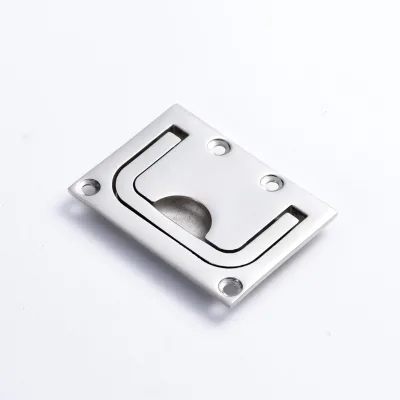
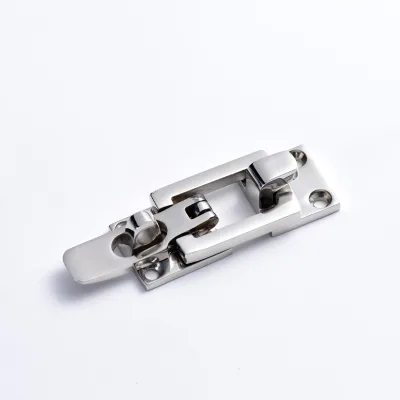
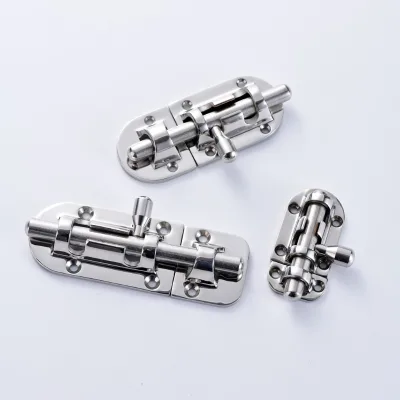
Comprehensive Sourcing Guide
Strategic Sourcing Guide for Yacht Marine Fuel Hatch Keys
Understanding the Product Category and Core Specifications
When sourcing a Yacht Marine Fuel Hatch Key, buyers must first recognize that this component is rarely sold as an isolated mechanical part. Instead, it functions as a critical interface within a larger assembly, typically a marine locking latch or a deck hatch system designed for specific vessel types. The available market data indicates that these components are often categorized under "Marine Locking Latch" or "Deck Hatch" systems, where the key is an integral part of the locking mechanism. The primary application for these systems is explicitly listed for Yacht and Boat environments, including Rib Boats, Rafting Boats, Inflatable Boats, and Kayaks.
The physical specifications of the associated hatch systems provide crucial context for the key's dimensions and compatibility. Observed product models, such as the "Square 375," suggest that the hatch covers often adhere to standardized external dimensions, specifically 375270 mm (LengthWidth). The internal dimensions for such units are recorded as 291*192 mm. For the key to function correctly, it must match the specific profile of the locking mechanism installed on these hatches. The material composition of the surrounding hardware varies, with listings noting ABS plastic, Aluminum, and Stainless Steel (implied by "Investment Casting" and "Polished" surface treatments). The weight of individual components in this category can be as low as 0.245kg, indicating that while the key itself is small, the assembly it secures is substantial.
Buyers should verify that the key is compatible with the specific "prod_model" of the hatch they are servicing. The market offers "Customized" models, meaning a generic key may not fit a custom-fabricated hatch. The surface treatment of the hardware is often "Polished," which suggests a need for corrosion resistance, a vital trait for marine environments. The color of the surrounding hardware is observed in Silver, Black, White, Grey, and Brown, which may influence the aesthetic matching of the key if it is visible during operation.
Compliance, Certification, and Standard Verification
In the marine industry, compliance is not merely a formality but a safety imperative. When sourcing a fuel hatch key, the buyer must ensure the associated locking system meets recognized international standards. The observed data confirms that products in this category often adhere to ISO, DIN, GB, and ASTM standards. These standards govern the mechanical strength, corrosion resistance, and dimensional tolerances of marine hardware. Specifically, the "Standard Component" attribute suggests that some units are built to a universal specification, while others are "Customized" to fit unique hull requirements.
A critical verification point for marine fuel hatches is the "Classification Society Certification." The provided facts explicitly mention "CCS" (China Classification Society) as a certification available for these products. For a fuel hatch, which is a safety-critical component preventing fuel leakage and fire hazards, holding a valid classification society certification is often a regulatory requirement for commercial vessels and highly recommended for private yachts. Buyers must request proof of this certification before finalizing a purchase.
Furthermore, the material standards are essential. The observed data lists materials such as ABS and Aluminum. The suitability of these materials depends on the specific marine environment. For instance, aluminum is often used for its strength-to-weight ratio, while ABS provides excellent chemical resistance against fuel. The "Standard" attribute also references specific size ranges like "1-1/2"-2"" (38-50mm), which likely refers to the hose or pipe connections associated with the fuel system, though the hatch itself may have different dimensions. Buyers must cross-reference the key's locking mechanism with the "prod_standard" of the hatch, which can range from "Square 375*270" to fully "customized" specifications.
Cost Drivers and Pricing Dynamics
The pricing for marine fuel hatch keys and their associated locking systems is influenced by several distinct factors. The observed price range in the market is broad, spanning from $1.59 to $699. This significant variance indicates that the cost is not driven by the key alone but by the complexity of the entire assembly, the material quality, and the level of customization.
The lower end of the price spectrum likely corresponds to standard, off-the-shelf locking mechanisms or replacement keys for basic hatch covers made from standard materials like ABS. The higher end of the range, approaching $699, likely includes premium aluminum assemblies, systems with specialized "Water Tight Window" functionality, or units that include "Tempered Glass" and complex "Investment Casting" processes. The "Surface Treatment" of "Polished" also adds to the cost, as it requires additional manufacturing steps to ensure a high-quality finish that resists saltwater corrosion.
Another major cost driver is the "Customization" factor. The data explicitly states that customization is "Available" and that many products are "Customized" to specific models. Custom molds, unique dimensions, and specialized locking mechanisms require higher tooling costs and longer production runs, which are reflected in the final price. Additionally, the "MOQ" (Minimum Order Quantity) plays a role in the unit cost. The observed MOQ ranges from 1 to 100 units, with specific listings showing an MOQ of 10 pieces. Buyers ordering small quantities may face a higher per-unit cost compared to those who can meet the 10-piece threshold or higher.
Typical Applications and Operational Requirements
The operational context of the Yacht Marine Fuel Hatch Key is diverse, spanning various vessel types. The primary applications identified include Yachts, Boats, Rib Boats, Rafting Boats, Inflatable Boats, and Kayaks. Each of these vessel types presents different challenges regarding the hatch key's durability and security. For example, a key used on a high-speed Rib Boat must withstand significant vibration and impact, whereas a key for a stationary Kayak may prioritize ease of use and portability.
The "Feature" attributes observed in the market highlight the functional requirements of these keys. They are described as "Durable," "Portable," and "Anti-Resistance." The "Anti-Resistance" feature is particularly critical for fuel hatches, as it implies a design that resists forced entry or tampering, ensuring the safety of the fuel supply. The "Replaceable" nature of the components suggests that the locking mechanism is designed for maintenance, allowing for the replacement of worn keys or internal tumblers without replacing the entire hatch assembly.
The "Open Style" of the hatch is another operational consideration. The data indicates an "Opening" style, which dictates how the key is manipulated to access the fuel compartment. Whether the hatch opens via a simple turn, a lift-and-turn mechanism, or a more complex multi-step process, the key must be designed to operate this specific style efficiently. The "Function" of the system is often described as a "Water Tight Window," implying that the key must seal the hatch perfectly to prevent water ingress, which is vital for the safety of the vessel's interior and the integrity of the fuel system.
Supplier Evaluation and Origin Considerations
When evaluating potential suppliers for yacht marine fuel hatch keys, the geographic origin of the product is a significant factor. The observed data indicates that the primary production origin is "China," with specific mentions of "Shansdong" (likely Shandong) as a manufacturing hub. This region is known for its robust manufacturing capabilities in marine hardware. However, buyers must be vigilant about the specific factory capabilities, as "Shansdong" is a broad region that may host multiple manufacturers with varying quality standards.
The "prod_packing" methods provide insight into the supplier's attention to detail. Listings show packaging ranging from "Polybag" to "Cartons Into Pallet" and "Plastic Bag + Cartons." For international shipping, the "Cartons Into Pallet" method is preferable as it ensures better protection against moisture and physical damage during transit. The "Package Size" of 504230 Cm suggests that the units are substantial enough to require careful handling and secure packaging.
Buyers should also assess the supplier's ability to handle "Customized" orders. The data confirms that customization is a standard offering, but the ability to meet specific "prod_model" requirements varies. A reliable supplier should be able to provide samples or detailed technical drawings to verify that their customized key matches the buyer's specific hatch dimensions, such as the "375*270mm" standard or other custom sizes. The "Surface Treatment" of "Polished" should be verified through visual inspection or sample requests to ensure the finish meets the required aesthetic and corrosion-resistant standards.
Quality Control and Long-Term Procurement Strategy
Ensuring the long-term reliability of a Yacht Marine Fuel Hatch Key requires a rigorous quality control (QC) strategy. The "Feature" of "Durable" is a claim that must be validated through testing. Buyers should request test results or certification documents that verify the "Anti-Resistance" and "Water Tight" capabilities of the product. The use of "Tempered Glass" in some models adds a layer of complexity to the QC process, as the glass must be free of defects and capable of withstanding impact without shattering.
The "Material" composition is another critical QC point. Whether the product is made of ABS, Aluminum, or other materials, the buyer must verify that the material grade is suitable for marine environments. The "Standard Component" attribute suggests that some parts are interchangeable, which is beneficial for long-term maintenance. However, if the product is "Customized," the buyer must ensure that the supplier maintains strict quality control over the casting and machining processes, particularly for "Investment Casting" components.
For long-term procurement, buyers should consider the "MOQ" and lead time implications. With an MOQ range of 1 to 100, buyers can start with small orders to test the product's performance before committing to larger quantities. However, for fleet-wide replacements or new vessel builds, negotiating a lower unit price by meeting the higher MOQ threshold is advisable. The "prod_packing" method should be standardized to ensure consistent protection during storage and shipping. Finally, buyers should establish a relationship with suppliers who can provide consistent "Customized" solutions, as the marine industry often requires unique adaptations for different vessel models. By focusing on these factors, buyers can secure reliable, high-quality marine fuel hatch keys that ensure the safety and functionality of their vessels.
FAQs
What certifications are available for marine fuel hatch keys?
Products in this category often hold CCS Classification Society Certification. Buyers should verify this certification to ensure the locking system meets safety standards for preventing fuel leakage and fire hazards on yachts and boats.
Which materials are commonly used for these hatch systems?
Common materials include ABS plastic and Aluminum. ABS offers excellent chemical resistance against fuel, while Aluminum provides a high strength-to-weight ratio suitable for various marine vessel applications.
Can I find customized marine fuel hatch keys for specific models?
Yes, customization is available for many marine locking latches and deck hatches. Buyers must ensure the key matches the specific prod_model, such as Square 375, to fit custom-fabricated hatch dimensions.
What is the typical minimum order quantity for these keys?
The observed minimum order quantity ranges from 1 to 100 units. Specific listings show an MOQ of 10 pieces, which may affect the unit cost for small batch purchases compared to larger orders.
How are these products typically packaged for shipping?
Packaging options include Polybags, Cartons, and Cartons Into Pallets. The package size is often around 50*42*30 Cm, ensuring protection against moisture and physical damage during international transit.
What standards do these marine hardware components adhere to?
Products often comply with ISO, DIN, GB, and ASTM standards. These standards govern mechanical strength, corrosion resistance, and dimensional tolerances essential for safe operation in harsh marine environments.