Source Yarn Dyed Modern Linen Curtains for Cafe Hotel Office
Compare 30 listings of Yarn Dyed Modern Linen Curtains featuring blackout, flame retardant, and insulation properties. Buyers can evaluate woven and yarn-dyed styles with pinch pleat or grommet designs for various window types.
Key considerations
Products List
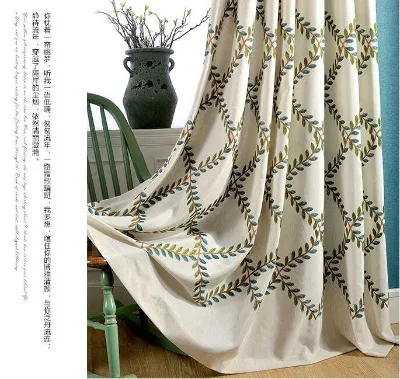
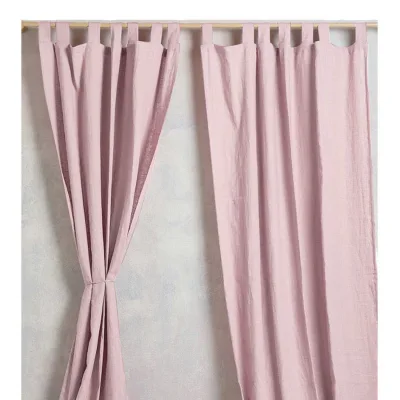
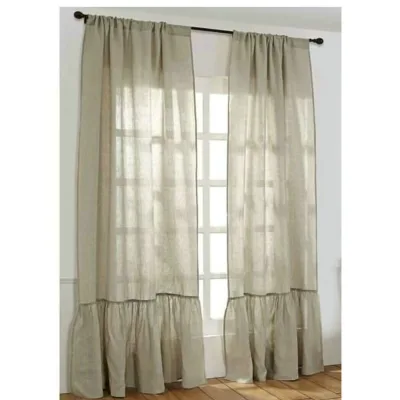
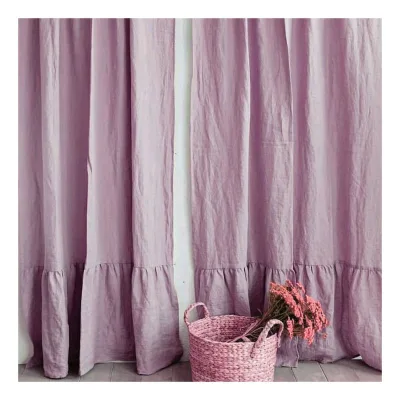
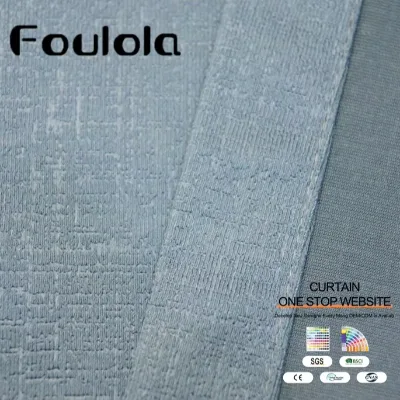


Color 1 Chic Window Solutions Linen-Feel Curtains with Unmatched Colorfastness
$2.00 - $5.00
MOQ: 1000 Meters


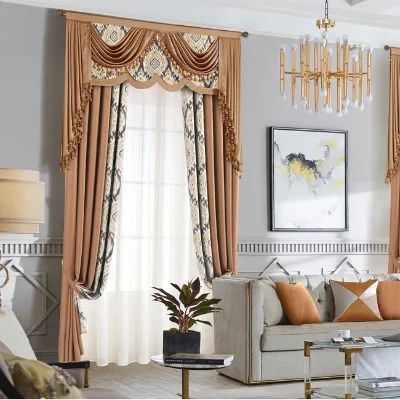


Comprehensive Sourcing Guide
Strategic Sourcing Guide for Yarn Dyed Modern Linen Curtains
Understanding Product Definitions and Material Composition
When initiating a procurement strategy for Yarn Dyed Modern Linen Curtains, the buyer must first distinguish between the specific textile construction and the aesthetic finish. The core keyword implies a fabric where the yarn is dyed prior to the weaving process, a technique that often results in superior colorfastness and a distinct, textured appearance compared to piece-dyed alternatives. In the current market landscape, "linen" in this context frequently refers to a linen blend or a polyester fabric engineered to mimic the natural drape and texture of linen, rather than 100% natural flax fiber.
Market observations indicate a divergence in material specifications. Some listings explicitly define the material as 100% Polyester, utilizing woven techniques to achieve a linen-like aesthetic. These products often feature a "yarn dyed" or "dye yard" processing style, offering a classic or modern look. Conversely, other segments of the market offer genuine Linen or Linen-blend curtains, which may be described as "natural linen" or "custom linen." The distinction is critical for procurement because the care requirements, shrinkage rates, and durability profiles differ significantly between synthetic blends and natural fibers.
The "modern" aspect of the keyword suggests a preference for specific design elements. Current product attributes highlight styles such as "classic," "dyed," and "pinch pleat curtains." The "yarn dyed" process is often associated with patterns like "leaves" or "solid" designs, where the color integration into the fiber creates a depth that surface printing cannot replicate. Buyers should verify the exact material composition in the supplier's technical data sheet, as the term "linen" is sometimes used loosely in marketing to describe the visual texture of a high-quality polyester weave.
Technical Specifications and Functional Performance
A robust sourcing guide must address the functional performance metrics that define the utility of these curtains. The primary function for modern linen curtains often centers on light control and decoration. Market data reveals a spectrum of shading capabilities. Some products are engineered for "full light shading" or "blackout" performance, utilizing dense weaves or specialized coatings. Other listings specify "high shading" capabilities ranging between 70% and 90%, which is suitable for living rooms and bedrooms where total darkness is not the primary requirement but glare reduction is.
The technical construction of the curtain is equally vital. The "technics" of production are predominantly "woven," which ensures structural integrity. The "pattern" type can vary from "solid" to "yarn dyed" patterns, influencing the visual complexity. The "format" of the final product is often a "rope" or "ladder rope" style, which refers to the header construction or the method of hanging. The "type" of header is frequently identified as "grommet," allowing for a modern, sliding installation on a rod, though "pinch pleat" styles are also prevalent for a more formal aesthetic.
Installation methods vary based on the architectural context. "Ceiling Installation" and "Built-In" options are available, catering to different interior design needs. The "opening and closing method" is typically "left and right biparting open" for standard windows or "upper and lower biparting open" for specific window configurations like balcony doors or floor-to-ceiling units. The "applicable window type" is generally noted as "flat window," which covers the majority of residential and commercial applications.
| Feature Category | Common Observation | Procurement Verification Point |
|---|---|---|
| Material | 100% Polyester or Linen | Confirm fiber content percentage and blend ratio. |
| Shading | Full Light Shading or 70-90% High Shading | Request light transmission test results or fabric density specs. |
| Header Type | Grommet or Pinch Pleat | Verify rod diameter compatibility and pleat depth. |
| Installation | Ceiling or Built-In | Confirm mounting hardware requirements and wall type compatibility. |
| Pattern | Solid, Leaves, or Yarn Dyed | Check for color consistency across the weave. |
Compliance, Safety, and Certification Protocols
Safety and compliance are non-negotiable in B2B procurement, particularly for textiles used in hospitality, healthcare, and public spaces. The "feature" attributes of modern linen curtains often include "flame retardant" properties. This is a critical specification for projects in hotels, hospitals, and offices, where fire safety codes are stringent. Buyers must not assume that a "flame retardant" label implies a specific certification standard without verification. The market data mentions "OEKO-TEX" as a background standard, but this should be treated as a potential benchmark rather than a guaranteed attribute of every listed product.
Procurement teams must explicitly request certification documentation for flame retardancy. Different regions have different standards (e.g., CAL 117 in California, BS 5867 in the UK, or NFPA 701 in the US). The supplier's ability to provide test reports from accredited third-party laboratories is essential. Furthermore, the "processing accessories cost" varies; some suppliers include necessary hardware in the base price, while others exclude it. This distinction impacts the total landed cost and the scope of the supply agreement.
For products marketed as "natural linen" or "eco-friendly," buyers should inquire about chemical usage during the dyeing process. While "yarn dyed" is a technique, the dyes used must comply with environmental regulations regarding heavy metals and azo dyes. The "advantage" of being "easily washable" is a functional claim that should be backed by care instruction labels and, if possible, wash durability test data. Ensuring that the fabric retains its color and shape after multiple cleaning cycles is vital for long-term maintenance, especially in high-traffic commercial environments.
Cost Drivers and Supply Chain Economics
Understanding the cost structure of Yarn Dyed Modern Linen Curtains requires an analysis of several variables. The "MOQ" (Minimum Order Quantity) observed in the market ranges widely, from a single piece to 1000 pieces. This flexibility allows buyers to source small batches for prototyping or large volumes for full-scale projects. However, the unit price is heavily influenced by the order volume, the complexity of the "yarn dyed" pattern, and the material composition.
The "processing accessories cost" is a significant factor. Some suppliers include the cost of the header tape, grommets, or installation hardware in the product price, while others list these as excluded. This variation can lead to unexpected cost overruns if not clarified during the initial RFQ (Request for Quotation) stage. Additionally, the "packaging details" impact logistics costs. Products may be packed in "one paper cardboard inside and one colour insert" with panels in a "PVC bag," or simply in an "OPP Bag." The choice of packaging affects the "single package size" and "single gross weight," which directly influences freight charges.
The "supply ability" of the manufacturer is another critical economic driver. A stated capacity of "100000 pieces per month" suggests a large-scale operation capable of handling volume orders, but it does not guarantee immediate availability for custom runs. Lead times for "customized colours" or specific "yarn dyed" patterns may extend beyond standard production windows. Buyers must account for the time required for dye lot matching and the potential for production delays during peak seasons. The "place of origin" being Jiangsu, China, indicates a mature textile hub, but buyers should verify the specific factory's capacity and current order backlog to ensure realistic delivery timelines.
Supplier Evaluation and Quality Assurance
Evaluating suppliers for Yarn Dyed Modern Linen Curtains requires a multi-faceted approach. The "brand name" on the product listing may not always reflect the actual manufacturer. Some products carry specific brand names like "CH" or "esasilk," while others may be generic. Buyers should prioritize suppliers who demonstrate transparency regarding their manufacturing capabilities and quality control processes. The "is_customized" attribute being "Yes" indicates that the supplier offers bespoke services, but this requires a rigorous vetting process to ensure the customization does not compromise quality.
Quality assurance should begin with the verification of the "technics" and "pattern" consistency. A "yarn dyed" fabric should exhibit uniform color throughout the weave, without the mottling or fading that can occur in piece-dyed fabrics. Buyers should request physical samples to assess the hand feel, drape, and color accuracy. The "style" of the curtain, whether "classic" or "modern," must align with the project's design intent. The "pattern type," such as "leaves" or "solid," should be examined under different lighting conditions to ensure the visual effect is consistent with the design specifications.
Supplier reliability is often gauged by their "packaging" and "shipping" protocols. The "port of dispatch" being Shanghai is a common logistical hub, but the efficiency of the shipping process depends on the supplier's experience with international freight. Buyers should verify the "single package size" and "single gross weight" to calculate accurate shipping costs. Additionally, the "installation type" and "opening and closing method" should be tested with actual hardware to ensure smooth operation. A supplier that provides clear installation guides and compatible hardware demonstrates a higher level of professionalism and support.
Long-Term Procurement and Application Strategy
The long-term success of a procurement project involving Yarn Dyed Modern Linen Curtains depends on the alignment of the product with its intended application. The "application" categories observed include "Cafe," "Home," "Hospital," "Hotel," and "Office." Each of these environments has unique requirements. For instance, "Hospital" and "Hotel" applications demand high durability, strict fire safety compliance, and easy maintenance. "Home" and "Cafe" applications may prioritize aesthetic appeal and softness over industrial-grade durability.
The "season" attribute of "All-Season" suggests versatility, but buyers should consider the thermal properties of the fabric. "Blackout" curtains are ideal for bedrooms and media rooms, while "High Shading" curtains are better suited for living areas where some natural light is desired. The "color" availability, described as "plenty of colours available and customized colours are welcomed," offers significant flexibility for interior designers. However, custom colors introduce complexity in terms of dye lot consistency and lead time.
To ensure long-term satisfaction, buyers should establish a clear maintenance protocol. The "advantage" of being "easily washable" is a key selling point, but the specific care instructions must be followed to preserve the "yarn dyed" color integrity. Regular cleaning schedules and the use of appropriate detergents are essential. Furthermore, the "model number" and "size" specifications should be standardized across the project to simplify future reordering and replacement. By maintaining a detailed inventory of model numbers and sizes, buyers can ensure continuity in the visual appearance of their spaces over time.
In conclusion, sourcing Yarn Dyed Modern Linen Curtains requires a disciplined approach that balances aesthetic desires with technical realities. By carefully evaluating material composition, verifying compliance standards, understanding cost drivers, and selecting suppliers with robust quality control, buyers can secure products that meet both immediate project needs and long-term operational goals. The flexibility of the market, with its wide range of MOQs and customization options, provides ample opportunity for tailored solutions, provided that the procurement process is grounded in rigorous verification and clear communication.
FAQs
What material is used for these Yarn Dyed Modern Linen Curtains?
The curtains are primarily made from 100% Polyester or genuine Linen depending on the specific listing. Some products use woven polyester to mimic the texture of natural linen, while others are explicitly labeled as natural linen. Buyers must verify the exact fiber content in the technical data sheet before ordering.
Can these curtains provide full light shading or blackout performance?
Yes, certain models offer full light shading or blackout features to block out external light completely. Other listings specify high shading capabilities ranging between 70% and 90% for glare reduction. The specific shading level depends on the weave density and the functional design of the selected product.
Which header types are available for these modern linen curtains?
Available header types include grommet styles and pinch pleat designs for various installation needs. The format may also feature ladder rope or rope constructions for hanging. Buyers should check the specific product attributes to ensure the header type matches their existing curtain rod or track system.
How is the flame retardant feature verified for these curtains?
Flame retardant properties are listed as a key feature for many of these curtain products. However, specific certification standards are not guaranteed for every item without verification. Buyers should request third-party test reports to confirm compliance with regional fire safety codes for hotels or hospitals.
What is the minimum order quantity for sourcing these curtains?
The minimum order quantity ranges from 1 piece to 1000 pieces depending on the supplier and customization requirements. Some vendors offer single-piece orders for prototyping, while larger volume orders may have different thresholds. The specific MOQ must be confirmed with the individual manufacturer before placing an order.
Where are these Yarn Dyed Modern Linen Curtains manufactured?
The products are manufactured in Jiangsu, China, which is a major textile production hub. The port of dispatch for these items is typically Shanghai. Buyers should verify the specific factory location and shipping capabilities to ensure reliable delivery timelines for their projects.
Can buyers request customized colors for these linen curtains?
Yes, customized colors are welcomed and available for many of these curtain products. Suppliers offer plenty of standard colors alongside bespoke options to match specific design schemes. The customization process may require additional time for dye lot matching and production scheduling.