Source Yellow Cocamide Cocamidopropyl Betaine for cosmetics, detergents, and cleaning
Find 30 listings for Yellow Cocamide Cocamidopropyl Betaine suitable for cosmetic raw materials, detergent formulations, and industrial cleaning applications. Buyers can compare specifications like solid content, pH values, and packaging options across multiple suppliers.
Key considerations
Products List


Fast Delivery Coco Betaine Cocamidopropyl Cocamidopropyl Betaine (35%) Cab
$750.00 - $1000.00
MOQ: 5 Tons


Cocamidopropyl Betaine/Cocoanut Amide Propyl Betaine/Cab/Capb 35% 45% Min
$650.00 - $750.00
MOQ: 1 Tons


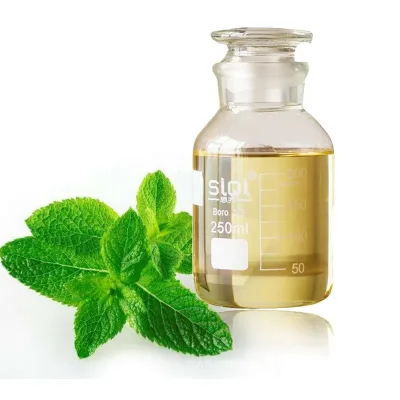




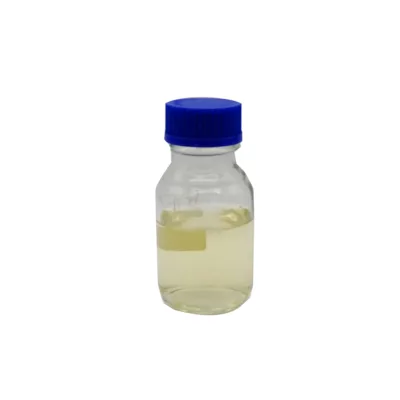
Wholesale Price Cocamidopropyl Betaine/Capb 35% CAS 61789-40-0/Coco Betaine/Cab
$550.00 - $1000.00
MOQ: 1 Tons


Comprehensive Sourcing Guide
Strategic Sourcing Guide for Yellow Cocamide and Cocamidopropyl Betaine
The global demand for mild, amphoteric surfactants has driven significant interest in cocamide derivatives, specifically Cocamidopropyl Betaine (CAPB) and its variants. For procurement professionals, the specific search term "Yellow Cocamide Cocamidopropyl Betaine" points to a distinct subset of industrial chemicals where visual appearance, purity, and functional performance are critical. This guide synthesizes available product attributes and industry standards to provide a disciplined framework for sourcing these materials. The objective is to navigate the complexities of chemical procurement, ensuring that buyers select products that meet specific application requirements without relying on unverified marketing claims.
Technical Specifications and Physical Attributes
Understanding the physical and chemical baseline of the product is the first step in any sourcing strategy. The market data indicates a divergence in product forms and colors, which directly correlates to the specific grade and intended application. While the core keyword specifies "yellow," the observed product landscape includes items described as "White," "Clear Colourless Solution," and "Colorless to Light Yellow Transparent Liquid." This variation suggests that the "yellow" designation often refers to a specific impurity profile, a natural extract characteristic, or a specific concentration grade rather than a universal standard for all CAPB products.
The chemical identity is further defined by specific identifiers such as the CAS number 86438-79-1 and synonyms including Cocoamphodiproprionate. The molecular weight (MW) for the standard formulation is recorded at 342.52. Solubility is a critical parameter; the substance is noted to be water-soluble, though some entries mention "Sparingly" soluble, which may indicate specific solvent interactions or concentration thresholds. The solid content varies significantly across the observed inventory, with ranges of 30%, 35%, and 45% being common. Specific product models like CAB30/35/45 and Hony CAPB-H reflect these concentration differences.
The acid-base property is another defining technical characteristic. While some listings identify the product as a "Neutral Surface Disposal Agent," others specify "Acidic" or "Alkaline" properties. This variance implies that the pH is not fixed but is adjustable based on the formulation needs of the end-user. For instance, a product with a pH value of 5.5 and an active matter content of 29.7% may be distinct from a standard 35% purity grade. Buyers must verify the specific pH and active matter percentage against their formulation requirements, as these factors influence foam stability, viscosity, and skin compatibility in the final product.
Compliance, Certification, and Environmental Considerations
Navigating the regulatory landscape for chemical procurement requires a careful examination of environmental and safety certifications. The provided data presents a notable contradiction regarding environmental protection. Some product attributes explicitly state "No" for Environmental Protection, while others list "Yes." This discrepancy highlights the necessity for buyers to verify the specific compliance status of the batch or supplier before proceeding. In the context of international trade, particularly for cosmetic and detergent raw materials, the absence of a clear environmental certification can be a significant risk factor.
The classification of the product as "Primary Standards" and the mention of "Pratical Use" in health applications suggest that these materials are often used in high-purity contexts. However, the source is described as "Extract Natural Things," which introduces a layer of complexity regarding natural origin verification. Buyers should inquire about the specific extraction methods and whether the product adheres to recognized standards for natural ingredients. The standard packaging sizes, such as 200kg drums and 1000kg IBC drums, are consistent with industrial bulk handling, but the "Fob" (Free on Board) trade term indicates that the buyer assumes responsibility for freight and insurance from the port of origin.
Regarding standards, the observed product standard is listed as "200kg/1000kg," which refers to packaging capacity rather than a chemical purity standard. The term "CAB" is used as a standard identifier in some contexts, likely referring to the chemical class rather than a specific ISO or ASTM certification. Buyers must not assume that the product automatically meets specific regulatory thresholds for cosmetics or food contact without explicit documentation. The presence of specific impurities, such as Sodium Chloride at 4.6% and Free Amine at 0.2%, must be evaluated against the maximum allowable limits for the intended application.
Cost Drivers and Pricing Dynamics
The pricing structure for cocamide and cocamidopropyl betaine is influenced by several volatile factors. The observed price range spans from $0.6 to $1800 USD, a disparity that reflects differences in purity, packaging, volume, and the specific grade of the material. The lower end of the spectrum likely corresponds to bulk industrial grades with lower active matter content or less stringent quality controls, while the higher end may represent high-purity, certified, or specialty grades.
The Minimum Order Quantity (MOQ) is equally variable, ranging from 1 unit to 10,000 units. This wide range allows for flexibility but also introduces complexity in cost analysis. Small MOQs are ideal for R&D or pilot testing but carry a higher unit cost. Conversely, large orders of 10,000 units can significantly reduce the per-unit price but require substantial capital outlay and storage capacity. The origin of the product is consistently listed as China, which often correlates with competitive pricing due to lower manufacturing costs, but it also necessitates careful consideration of import duties and logistics.
Supply chain stability is a critical cost driver. The lead time is not explicitly defined in the provided data, but the variability in packaging (Fob, Drum, IBC) suggests that logistics coordination is a key part of the total cost of ownership. Buyers should factor in the potential for price fluctuations based on raw material costs, such as coconut oil derivatives, which are subject to agricultural market volatility. The "Standard" content designation implies that pricing may be tied to a baseline specification, with premiums applied for customizations or specific purity levels.
Typical Applications and Functional Performance
The functional versatility of cocamidopropyl betaine makes it a staple in multiple industries. The primary usage categories identified include degreasing, polishing, and protection, alongside descaling. These applications suggest a broad utility in both industrial cleaning and personal care formulations. In the cosmetic sector, the material is classified under "Cosmetic Raw Materials" and "Detergent Raw Material," where its mildness and foam-boosting properties are highly valued.
The specific usage in "Health" applications and its classification as a "Primary Standard" indicate potential use in pharmaceutical or high-end personal care products. The color variation, from white to yellow to colorless, plays a role in the final product aesthetics. For instance, a yellow hue might be acceptable in industrial degreasers but undesirable in transparent personal care products. The "Lauramidopropyl Betaine" synonym suggests a related chemical structure that may offer similar or enhanced performance characteristics, which buyers should consider if the primary ingredient is unavailable.
The table below summarizes the key application areas and their corresponding product attributes based on the observed data:
| Application Area | Key Product Attributes | Relevant Specifications |
|---|---|---|
| Cosmetics & Personal Care | Colorless to Light Yellow, Mild, Foam Stabilizer | Purity 35%, MW 342.52, pH 5.5 |
| Industrial Cleaning | Yellow/White, Degreasing, Descaling | Solid Content 30-45%, Active Matter 29.7% |
| Health & Pharmaceuticals | Primary Standards, Natural Extract Source | CAS 86438-79-1, Low Free Amine (0.2%) |
| Detergent Formulation | Neutral/Acidic/Alkaline, High Solubility | Sodium Chloride 4.6%, Water Soluble |
Supplier Evaluation and Quality Control
Evaluating suppliers for cocamide derivatives requires a rigorous approach to quality assurance. The data indicates that suppliers offer various packaging options, including plastic drums, IBC drums, and standard packs. The "Fob" term suggests that the supplier handles the product up to the port of shipment, leaving the buyer responsible for the subsequent logistics. This division of responsibility necessitates a clear understanding of the supplier's ability to maintain product integrity during transit.
Quality control should focus on verifying the specific attributes listed in the product specifications. Buyers must request batch-specific test reports to confirm the Solid Content, pH Value, and Active Matter percentage. The presence of impurities like Sodium Chloride and Free Amine must be within acceptable limits for the intended application. The "Standard Pack" and "200kg/Drum" specifications are common, but buyers should verify if these are the only available options or if custom packaging is possible.
The origin of the product is consistently China, which is a major hub for surfactant production. However, buyers should not assume uniform quality across all Chinese suppliers. The variation in product models (e.g., Hony CAPB, Hony CHSB, CAB30) suggests that different manufacturers or product lines have distinct quality profiles. Buyers should prioritize suppliers who can provide detailed technical data sheets (TDS) and certificates of analysis (CoA) for every batch. The "Extract Natural Things" claim requires verification to ensure that the natural origin is genuine and that the extraction process does not introduce unwanted contaminants.
Long-Term Procurement Considerations
Sourcing cocamidopropyl betaine is not merely a transactional activity but a strategic decision that impacts long-term product stability and supply chain resilience. The variability in product attributes, such as color and pH, means that switching suppliers can result in significant changes to the final product formulation. Buyers should establish strict specifications that define acceptable ranges for all critical parameters, including color, solid content, and pH.
The environmental protection status is a critical long-term consideration. As regulations tighten globally, the distinction between products with and without environmental certifications will become more pronounced. Buyers should proactively seek suppliers who can demonstrate compliance with evolving environmental standards to mitigate future regulatory risks. The "No" or "Yes" designation in the current data serves as a reminder to verify the current status of each supplier's environmental compliance.
Furthermore, the wide range of MOQs and prices offers opportunities for strategic inventory management. Buyers can leverage small MOQs for testing new formulations while securing long-term contracts for bulk purchases to stabilize costs. The consistent packaging standards (200kg/1000kg) facilitate efficient logistics planning, but buyers should ensure that their storage facilities are compatible with the specific drum or IBC requirements. Finally, maintaining a relationship with suppliers who offer customization is essential for adapting to changing market demands and product requirements over time.
FAQs
What is the solid content range for Yellow Cocamide Cocamidopropyl Betaine?
The solid content ranges from 30 to 45 percent depending on the specific product model. Buyers should verify the exact percentage required for their formulation, as models like CAB30, CAB35, and CAB45 offer different concentrations to suit various industrial needs.
Can suppliers provide customization for this surfactant product?
Yes, customization is available for this product to meet specific buyer requirements. Procurement teams should request detailed specifications from vendors to ensure the final formulation aligns with their unique application needs and quality standards.
Which packaging options are standard for Yellow Cocamide Cocamidopropyl Betaine?
Standard packaging includes 200kg drums and 1000kg IBC drums for bulk transport. Some listings also mention plastic drums or standard packs, so buyers must confirm the specific container type with the supplier before finalizing the order.
How does the pH value vary for this chemical surface disposal agent?
The acid-base property can be neutral, acidic, or alkaline depending on the specific grade. One observed variant has a pH value of 5.5, while others are classified as acidic or alkaline surface disposal agents, requiring verification for each batch.
What is the minimum order quantity for sourcing this material?
The minimum order quantity ranges from 1 unit up to 10000 units based on supplier policies. Small orders suit research needs, while larger quantities are available for industrial scale, with pricing often varying significantly across this range.
Where are the manufacturers of Yellow Cocamide Cocamidopropyl Betaine located?
The product origin is consistently listed as China for all observed inventory. Buyers should expect suppliers to be based in this region, which influences logistics costs and lead times for international shipments.
What is the molecular weight of the standard Yellow Cocamide Cocamidopropyl Betaine?
The molecular weight for the standard formulation is recorded at 342.52. This chemical identifier helps distinguish the specific compound from related variants like Lauramidopropyl Betaine during the sourcing and quality verification process.