Source Yoni Steam Seat for Vaginal Care, Cleaning, and Wellness
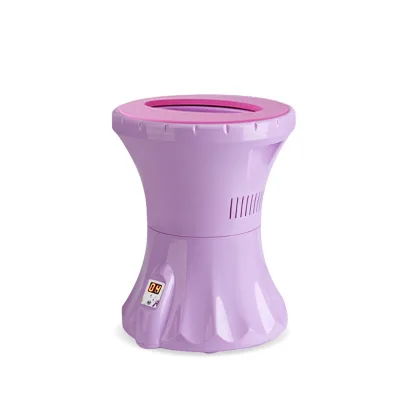
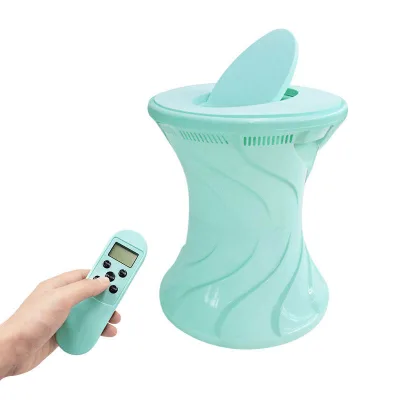
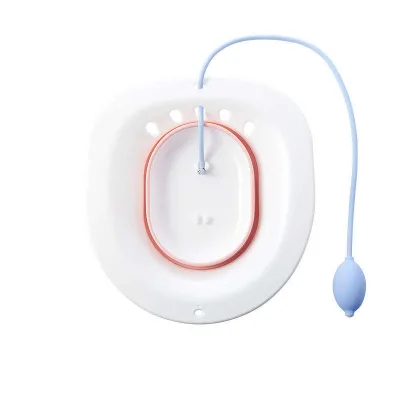
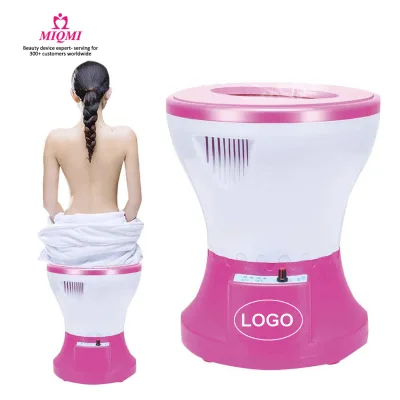
Explore 30 listings for the Yoni Steam Seat designed for vaginal care, cleaning, and wellness routines. Buyers can compare specifications, materials, and pricing to find suitable suppliers for their sourcing needs.
Key considerations
Products List
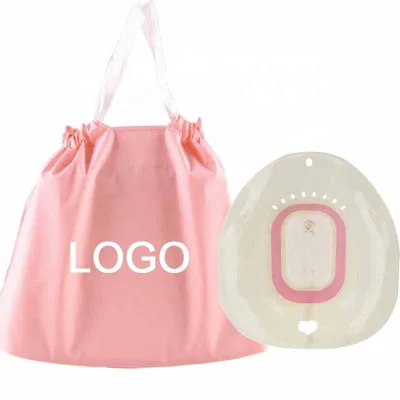
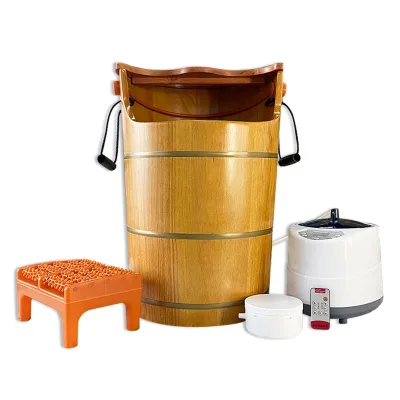
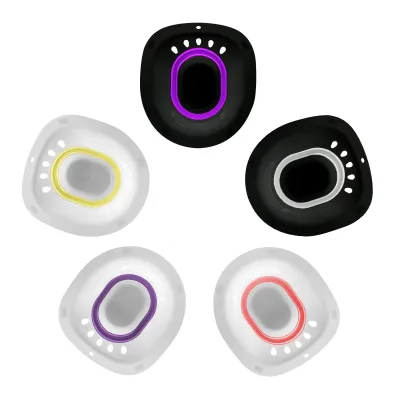
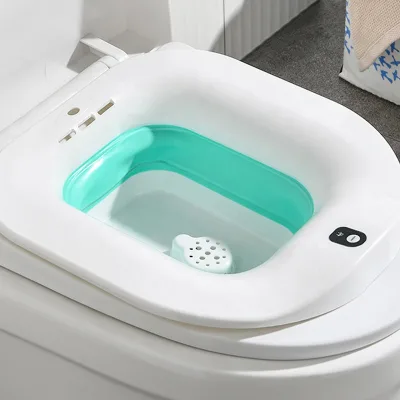




Comprehensive Sourcing Guide
Strategic Sourcing Guide for Yoni Steam Seat Procurement
Understanding Product Variants and Core Specifications
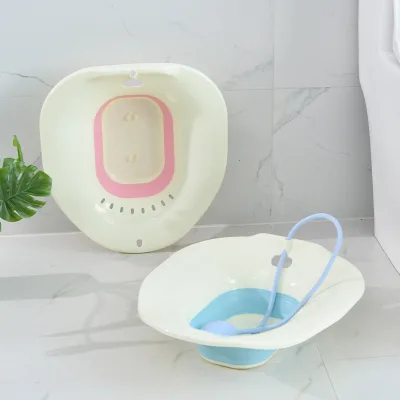
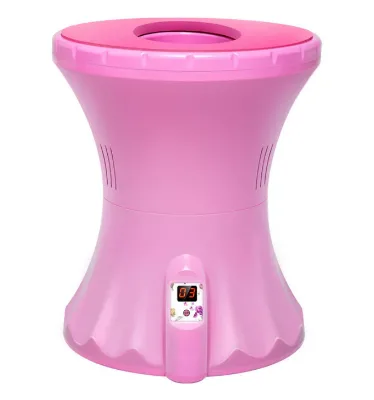
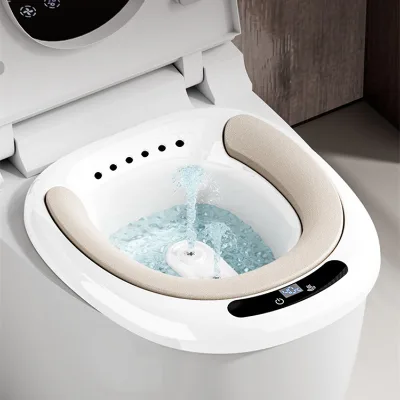
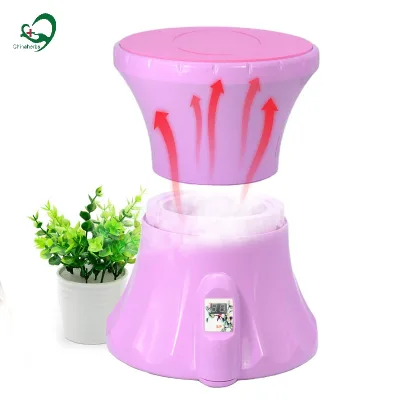
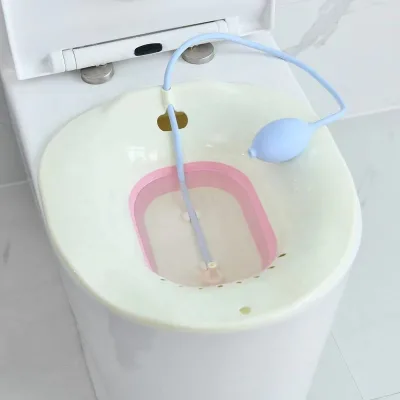
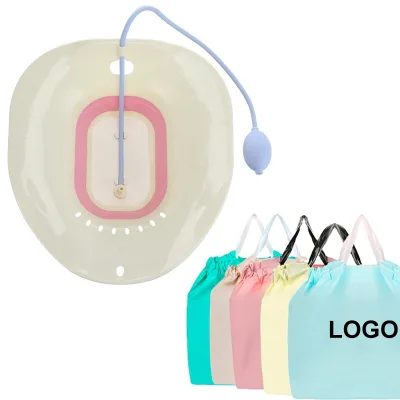
The category of yoni steam seats encompasses a diverse range of products designed for vaginal care and hygiene, often referred to in supplier listings as steam seats, yoni steam chairs, or electric steaming seats. Buyers must first recognize that these products are not monolithic; they vary significantly in material composition, power requirements, and functional design. The observed market data indicates that materials primarily consist of PP (polypropylene) material, sometimes combined with stainless steel or PU (polyurethane) for enhanced durability and comfort. For instance, specific listings describe a "PP Material" construction, while others specify a composite of "PP Material+stainless" or "PP+PU," suggesting different tiers of product robustness and intended usage environments.
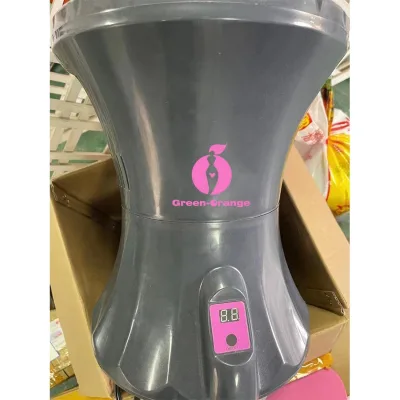
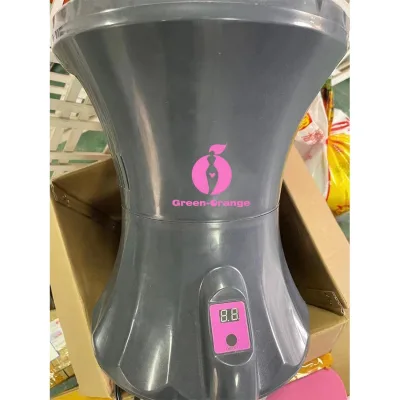
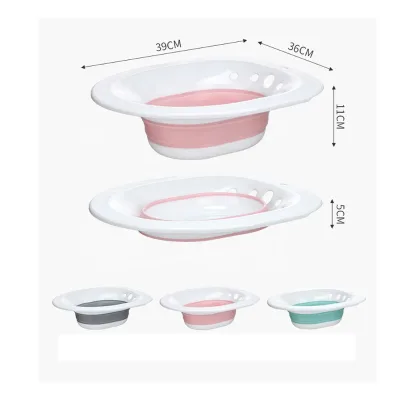
Technical specifications vary widely across the supply base. Physical dimensions are a critical differentiator, with observed single package sizes ranging from compact units measuring 35x35x40 cm to larger configurations reaching 46x42x20 cm. Weight is another significant variable, with single gross weights observed between 0.500 kg for lighter, portable models and up to 10.000 kg for heavier, potentially electric or industrial-grade units. This disparity suggests a split between manual, non-electric steam seats and electric models that may include heating elements. The latter category often lists specific electrical parameters, such as a frequency of 60Hz and a working time of 45 minutes, alongside power ratings like 300W. Buyers must carefully distinguish between these variants, as the inclusion of electrical components introduces different safety and compliance requirements compared to passive plastic or metal structures.
Compliance, Certification, and Safety Verification
When sourcing yoni steam seats, particularly those with electrical components, verifying compliance and safety standards is paramount. The product category involves direct contact with sensitive areas, making safety a non-negotiable aspect of procurement. While some background information mentions certifications such as FSC, ISO 13485, and CE, these should be treated as potential attributes rather than guaranteed standards for every listed product. Buyers must explicitly request and verify current certification documents for the specific model they intend to purchase.
For electric models, the presence of a 300W power rating and 60Hz frequency necessitates compliance with regional electrical safety standards. In many markets, this would require CE marking or equivalent local certification to ensure the device does not pose a risk of electric shock or fire. For non-electric models, the focus shifts to material safety. The use of PP material and stainless steel is generally favorable, but buyers should verify that these materials are food-grade or medical-grade where applicable, ensuring they are free from harmful leaching agents. The "Safe" feature listed in some product attributes is an observation that requires independent validation through third-party testing reports. Procurement teams should not rely on supplier claims of safety alone but must demand test results that confirm the product meets relevant hygiene and electrical safety standards for the target market.
Cost Drivers and Pricing Structure Analysis
The pricing landscape for yoni steam seats is influenced by several key factors, including material complexity, electrical integration, and customization options. The observed price range in the market spans from $1.23 to $159, a wide variance that reflects the difference between basic manual seats and advanced electric units. The lower end of the spectrum likely corresponds to simple PP plastic seats without electrical components, while the higher end encompasses models with stainless steel reinforcement, PU cushioning, and integrated heating systems.
Material costs are a primary driver; products utilizing "PP+PU" or "PP+stainless" combinations will inherently cost more than those made of single-material PP. Additionally, the complexity of the manufacturing process affects the final price. Electric models require assembly of heating elements, wiring, and control mechanisms, which increases labor and quality control costs. Customization is another significant cost factor. Many suppliers offer OEM/ODM services, including support for custom packing and logo/graphic design via heat-transfer printing. These value-added services typically command a premium and may require higher Minimum Order Quantities (MOQs). Buyers should analyze the total cost of ownership, including the potential for higher unit costs on customized orders versus the economies of scale available on standard SKUs.
Minimum Order Quantities and Supply Chain Dynamics
MOQs and supply capabilities vary significantly across the supplier base, impacting procurement strategy for buyers of different sizes. The observed MOQ range extends from 1 piece to 3,000 pieces. This flexibility allows small startups or individual buyers to source single units for sampling or initial testing, with some listings explicitly stating an MOQ of 1pc or 10pcs. Conversely, larger retailers or distributors may find suppliers with higher volume requirements, such as 3,000 pieces, which can help secure lower per-unit pricing.
Supply ability is another critical metric for ensuring consistent inventory. A typical supplier capacity observed is 1,000 pieces per week, which provides a baseline for planning large orders. However, buyers must verify if this capacity is consistent year-round or subject to seasonal fluctuations. The availability of samples is a positive indicator for supply chain reliability, with multiple listings confirming that samples are available. This allows buyers to validate product quality before committing to larger orders. Lead times, while not explicitly detailed in the provided data, are often correlated with MOQs and customization levels. Orders requiring custom packaging or specific branding may experience longer lead times compared to standard off-the-shelf items. Buyers should clarify these timelines during the negotiation phase to avoid stockouts.
Supplier Evaluation and Quality Control Protocols
Evaluating suppliers for yoni steam seats requires a multi-faceted approach focusing on manufacturing capability, quality control, and transparency. The place of origin for the majority of observed products is Shaanxi, China, or generally China, indicating a concentrated manufacturing hub. Buyers should verify the specific factory location to assess logistics costs and potential trade barriers. A robust supplier evaluation process should include a review of their production lines, specifically their ability to handle both plastic molding and, if necessary, electrical assembly.
Quality control protocols must be rigorous. For products with a "Safe" feature or those intended for intimate hygiene, buyers should implement a pre-shipment inspection regime. This should include visual checks for material defects, such as rough edges on PP or stainless steel components, and functional testing for electric models to ensure the heating element operates correctly within the specified 45-minute working time. The packaging details, often listed as "opp bag" or specific outer box sizes like 45x40x20cm, should be inspected to ensure they protect the product during transit. Additionally, verifying the consistency of the "Other Name" and "Product Name" across documentation ensures that the correct model is being delivered. Suppliers who support OEM/ODM and offer logo customization should be assessed on their ability to maintain quality standards while adhering to specific branding requirements.
Long-Term Procurement and Application Considerations
The long-term viability of sourcing yoni steam seats depends on understanding their intended applications and the evolving market demands. These products are primarily designed for vaginal care, steam therapy, and hygiene, often used in conjunction with steam herbs. The specific application of "Vagina washing" or "Vaginal care" dictates the design requirements, such as the inclusion of steam vents and comfortable seating surfaces. Buyers should consider the end-user experience, ensuring that the product dimensions and weight are appropriate for the target demographic.
Sustainability and material longevity are also important long-term considerations. The use of PP and stainless steel suggests a focus on durability, but buyers should inquire about the recyclability of these materials and the environmental impact of the manufacturing process. As the market for wellness and personal care products grows, the demand for high-quality, safe, and effective yoni steam seats is likely to increase. Buyers who establish strong relationships with suppliers capable of supporting customization and maintaining high quality standards will be better positioned to adapt to these trends. Furthermore, the ability to source samples and verify certifications early in the relationship will mitigate risks associated with product liability and customer satisfaction. By focusing on these strategic elements, buyers can build a resilient supply chain that supports both immediate procurement needs and future growth.
FAQs
What materials are used for yoni steam seats?
Yoni steam seats are primarily constructed from PP material, sometimes combined with stainless steel or PU for durability. Some listings specify PP material alone, while others use a composite of PP and stainless steel or PP and PU to enhance robustness and comfort for the user.
Can I get samples of the Yoni Steam Seat?
Samples are available for most Yoni Steam Seat models listed in the market. Buyers can request a single piece to verify quality before placing larger orders, with some suppliers explicitly stating that samples are available for immediate review and testing purposes.
What is the minimum order quantity for this product?
The minimum order quantity varies significantly, ranging from 1 piece to 3,000 pieces depending on the supplier. Some vendors accept orders as low as 10 pieces, while others require higher volumes to secure standard pricing or specific customization options.
How are these seats packaged for shipping?
Packaging details typically include OPP bags for individual items or specific outer box sizes like 45x40x20 cm. Single package dimensions vary, with observed sizes ranging from 35x35x40 cm to 46x42x20 cm, ensuring protection during transit.
Which certifications should I verify for electric models?
While some background data mentions CE, ISO 13485, and FSC, these are not guaranteed for every product. Buyers must explicitly request and verify current certification documents, especially for electric models with 300W power ratings, to ensure regional electrical safety compliance.
What is the supply ability of these manufacturers?
A typical supplier capacity is observed at 1,000 pieces per week, providing a baseline for planning large orders. Buyers should verify if this capacity is consistent year-round or subject to seasonal fluctuations to ensure a steady supply chain.