Source Yuejin 1028 Steering Arm for Trucks, Buses, and Commercial Vehicles
Find and compare 30 Yuejin 1028 Steering Arm options from verified suppliers. Evaluate specifications, certifications, and pricing for reliable steering system components.
Key considerations
Products List


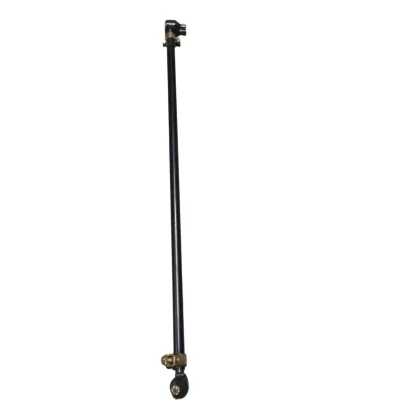
$1.00 - $5.00
MOQ: 100 Pieces




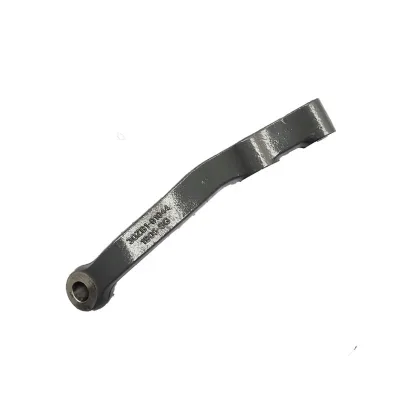
$5.00 - $50.00
MOQ: 10 Pieces




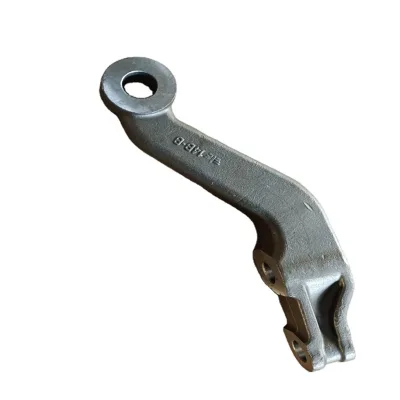
Durable Replacement Steering Control Arm Parts for Enhanced Performance
$12.90 - $14.50
MOQ: 100 Pieces


Comprehensive Sourcing Guide
Yuejin 1028 Steering Arm Sourcing Guide
The Yuejin 1028 Steering Arm is a critical component within the steering system of light commercial vehicles, specifically designed to interface with the steering gear and shaft to translate rotational input into the lateral movement required for wheel articulation. Based on observed market data, this component is frequently categorized under steering gears and shafts or operating mechanisms, indicating its pivotal role in the vehicle's directional control architecture. Buyers sourcing this part must recognize that while the core function remains consistent, the specific geometry and mounting points can vary significantly depending on the truck model, such as the Nj1038 or NJ1063 series, necessitating precise identification before procurement.
Procurement strategies for this component must account for the diversity of listings found in the current market, where the same part number or description may appear with varying material compositions and origin points. The observed product attributes reveal a mix of steel and stainless steel options, alongside specific part numbers like 3402A38-200-Y01 and 3411z51-010, which suggests that buyers must verify the exact alphanumeric code against their vehicle's service manual rather than relying solely on the generic "Yuejin 1028" descriptor. This verification step is essential to ensure compatibility with the specific chassis and steering linkage configuration of the target vehicle.
Product Scope and Observed Listing Signals
When evaluating product listings, buyers should scrutinize the specific product names and associated model numbers to distinguish between steering arms and related suspension components like control arms or bushings. The market data indicates a high volume of listings for "Automobile Suspension Control Arm" and "Front Axle Lower Control Arm," which are distinct from the steering arm but often appear in the same search results due to shared vehicle systems. A careful review of the "Type" and "Product Name" fields is required to filter out suspension arms, ensuring the selected item is explicitly identified as a steering system part or operating mechanism rather than a suspension linkage.
The observed listing signals also highlight significant variations in packaging and origin that can impact logistics and inventory planning. Products are listed with origins in Jiangsu, Ningbo, and Hebei, with packaging ranging from individual carton boxes to palletized shipments, reflecting different supplier capabilities and order volumes. Buyers must align their order quantity with the observed Minimum Order Quantity (MOQ) ranges, which span from single items to 1,000 units, and verify if the supplier offers customization for specific truck models like the Nj1038 3028 or NJ1063 to avoid receiving parts that do not fit the intended application.
Technical Specifications to Verify
Technical verification begins with confirming the material composition, as the supplied data shows a split between standard steel and stainless steel options for similar components. While the core keyword implies a standard steel construction for durability and cost-effectiveness, some listings explicitly mention stainless steel, which may offer superior corrosion resistance but at a different price point and weight profile. Buyers must request material test reports or mill certificates to confirm the grade of steel used, ensuring it meets the structural requirements for the steering forces exerted during operation, particularly for heavy-duty applications in the Middle East market.
Dimensional accuracy and fitment are equally critical, as the observed specifications include standard sizes alongside custom dimensions like "24c*d18" and OEM sizes. The part number 3402A38-200-Y01 and the model designation NJ1063 serve as primary identifiers, but buyers should also verify the position of the part, noting that listings specify "Front," "Left," "Right," or "Driver & Passenger Side" configurations. Since the steering arm is a precision-machined component, any deviation in the hole spacing, arm length, or thread pitch can lead to steering failure, making it imperative to cross-reference the physical dimensions against the vehicle's original equipment manufacturer (OEM) drawings.
Compliance and Safety Documentation
Compliance verification requires a thorough review of the certification documents provided by the supplier, as the market data indicates the presence of CE, ISO, and ISO9001 certifications among various listings. While these certifications suggest a baseline of quality management and safety adherence, buyers must ensure that the specific certification applies to the steering arm production line and is not a general company credential. The presence of ISO9001 is particularly relevant for manufacturing consistency, but buyers should also check for any automotive-specific standards that might be required for the target export market, such as the Middle East, to ensure the part meets local regulatory safety requirements.
Safety documentation must also include evidence of the product's condition and warranty terms, which are listed as "New" with a specific warranty period of 3 months for some items. Buyers should verify that the warranty covers defects in material and workmanship, as steering components are subject to high stress and fatigue. It is crucial to confirm that the "New" condition claim is backed by a clear inspection process, and that the supplier provides a traceability record linking the specific batch of parts to the quality control checks performed during manufacturing.
Cost Drivers and Commercial Terms
The cost of the Yuejin 1028 Steering Arm is influenced by several factors, including the material grade, the complexity of the machining required for the specific truck model, and the origin of the product. The observed price range of 0.04 to 275 USD reflects the vast difference between a single bushing or small accessory and a complete steering arm assembly, or potentially between bulk wholesale pricing and retail unit costs. Buyers must clarify whether the quoted price includes the specific part number 3402A38-200-Y01 or a generic equivalent, as the latter may be significantly cheaper but lack the necessary fitment for the Nj1038 or NJ1063 models.
Commercial terms such as the Minimum Order Quantity (MOQ) and payment conditions play a significant role in the total cost of ownership, with observed MOQs ranging from 1 to 1,000 units. For buyers requiring small quantities for repair or testing, the ability to source single items is a key advantage, but it often comes with a higher unit price compared to bulk orders. Additionally, the availability of customization and the specific packing method, whether in a carton box or on a pallet, can affect shipping costs and handling fees, which should be factored into the final landed cost calculation before placing an order.
Supplier Qualification and Quality Control
Supplier qualification should focus on the geographic location and the specific manufacturing capabilities indicated in the product origin data, such as Jiangsu, Ningbo, and Hebei. These regions are known for their automotive parts manufacturing clusters, but the quality of output can vary between facilities. Buyers should request a detailed profile of the supplier's production capacity, including their experience with steering system parts and their ability to produce components for brands like SAIC Yuejin, to ensure they are dealing with a specialized manufacturer rather than a general trading company.
Quality control processes must be verified through the supplier's internal testing protocols and their adherence to the stated standards. The observed "Standard" and "Standard Size" attributes suggest that the parts are manufactured to industry norms, but buyers should ask for specific quality control checklists that cover dimensional accuracy, surface finish, and material hardness. Given the critical safety role of the steering arm, it is advisable to request a sample for independent testing before committing to a large order, ensuring that the part meets the performance expectations for the intended vehicle application.
Long-Term Procurement Checks
Establishing a long-term procurement relationship requires a commitment to regular quality audits and performance monitoring of the supplied steering arms. Buyers should implement a system to track the failure rates of the parts in the field, comparing them against the 3-month warranty period and the initial quality expectations. If the parts are being used in the Middle East market, where environmental conditions can be harsh, long-term checks should include monitoring for corrosion or wear that might not be apparent during initial testing, ensuring the material selection remains appropriate for the operating environment.
Continuous communication with the supplier regarding updates to the part number or model specifications is essential to maintain supply chain stability. As vehicle models like the Nj1038 or NJ1063 may undergo updates or phase-outs, the steering arm design could change, requiring buyers to stay informed about new part numbers or revised specifications. Maintaining a direct line of communication allows for early notification of any changes in production standards or material availability, ensuring that the procurement of replacement parts remains seamless and that the fleet's steering systems remain safe and reliable.
FAQs
What is the part number for the Yuejin 1028 Steering Arm?
The part number for this steering component is 3402A38-200-Y01. This specific identifier ensures compatibility with the Nj1038 3028 truck model. Buyers should verify this number against their vehicle documentation to guarantee a correct fit before placing orders. The part is listed as a new condition item, ensuring it meets original equipment standards for replacement purposes.
Can I customize the Yuejin 1028 Steering Arm specifications?
Yes, customization is available for this steering gear shaft component. Suppliers offer tailored solutions to meet specific operational requirements beyond standard sizes. This flexibility allows buyers to adapt the part to unique vehicle configurations or performance needs. It is advisable to discuss specific dimensional or material adjustments directly with the manufacturer to ensure the customized part meets safety and functional standards.
What certifications do these steering parts hold?
These steering system parts hold CE and ISO9001 certifications. These credentials indicate compliance with international quality management and safety standards. The ISO9001 certification specifically assures consistent manufacturing processes and product quality. Buyers relying on these certifications can have greater confidence in the reliability and safety of the steering components for their commercial vehicle fleets.
Where are these Yuejin steering arms manufactured?
These steering arms are manufactured in China, specifically in the Jiangsu region. This location is a known hub for automotive component production. The origin ensures access to established supply chains and manufacturing infrastructure. Buyers should consider logistics and shipping times from this region when planning their procurement schedules and inventory management strategies for these specific truck parts.
What is the minimum order quantity for these parts?
The minimum order quantity is typically 10 units for this steering component. This MOQ allows for small-scale testing or replacement needs without excessive inventory commitment. However, bulk orders may offer better pricing tiers. Buyers should confirm the exact MOQ with the supplier, as it can vary based on customization requirements or specific packaging configurations requested for the shipment.
What material is used for the Yuejin steering arm?
The steering arm is constructed from steel, providing durability and strength. Steel construction is essential for handling the mechanical stresses of steering operations in commercial trucks. Some related suspension parts may use stainless steel for corrosion resistance. The steel material ensures the component maintains structural integrity over time, supporting safe vehicle operation under various load conditions and driving environments.