Source Yogurt Cheese Sandwich Biscuit for Adult, Children, Old Man
Find 30 verified options for the Yogurt Cheese Sandwich Biscuit from Chinese manufacturers. Buyers can compare specifications like shelf life, packaging, and certifications including BRC and ISO to select suitable products for adult, children, and elderly consumption.
Key considerations
Products List


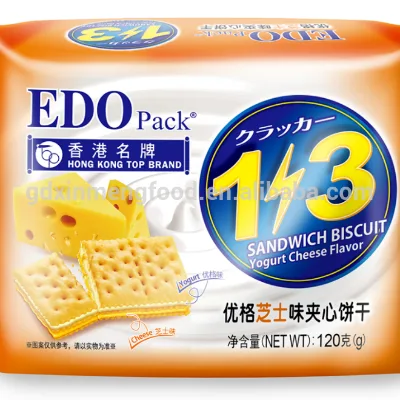
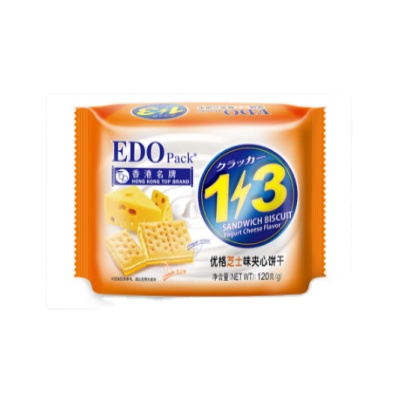
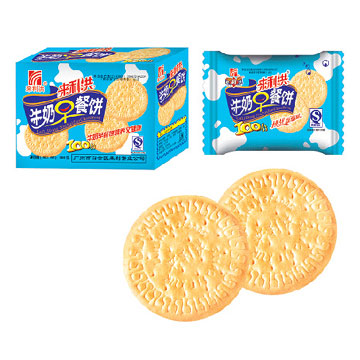
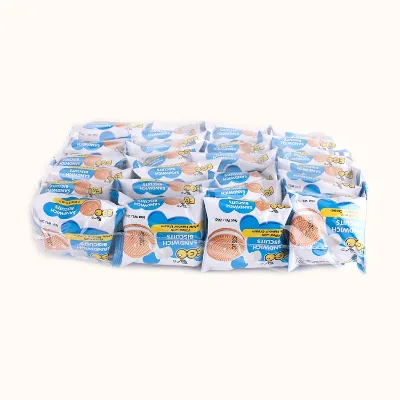
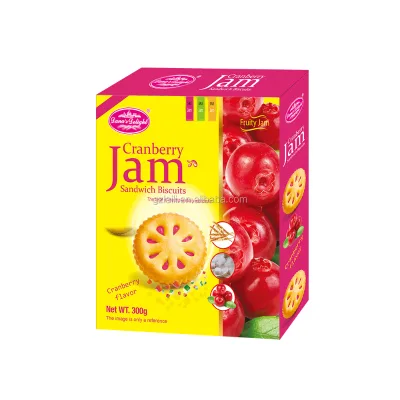
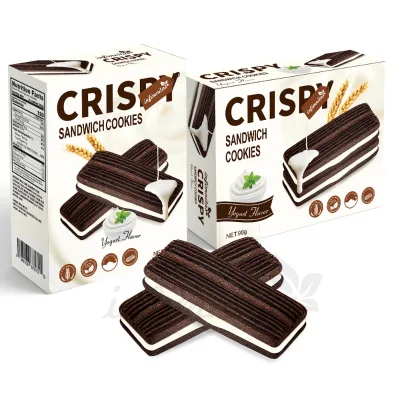


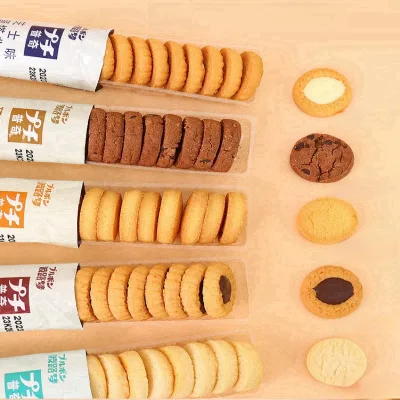
Delicious Cheese Biscuit Instant Snack Cheese Flavor Factory Directly Supply
$1.00 - $5.00
MOQ: 3770 Boxes


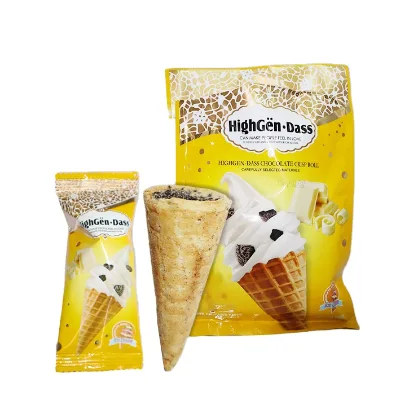
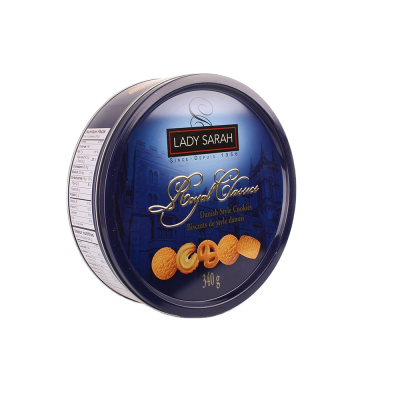


Comprehensive Sourcing Guide
Strategic Sourcing Guide for Yogurt Cheese Sandwich Biscuit Procurement
The global demand for convenient, nutritious, and flavorful snack solutions has elevated the Yogurt Cheese Sandwich Biscuit to a prominent position in the B2B food and beverage sector. For procurement professionals, sourcing this specific product category requires a nuanced understanding of its unique formulation, regulatory landscape, and supply chain dynamics. Unlike standard confectionery, these biscuits often bridge the gap between savory cheese profiles and sweet yogurt fillings, targeting a broad demographic that includes adults, children, and the elderly. This guide provides a comprehensive framework for evaluating suppliers, verifying product specifications, and ensuring long-term supply chain stability without relying on unverified market claims or specific vendor recommendations.
Technical Specifications and Product Formulation
When initiating a search for yogurt cheese sandwich biscuits, the primary focus must be on the precise technical specifications that define the product's identity and quality. The core structure typically consists of two biscuit layers with a filling that combines yogurt and cheese elements. Based on observed industry data, the physical form is consistently described as "Solid," ensuring a stable texture that withstands handling and transport. The texture profile is a critical differentiator; successful products in this category often exhibit a "Crispy" exterior to contrast with the creamy interior, while the taste profile is predominantly "Sweet" to appeal to mass-market preferences.
Packaging specifications are equally vital for maintaining product integrity. The standard packaging format observed in the market includes individual bags, often with a weight per bag ranging around 200g, which is then consolidated into cartons. A common bulk standard involves a configuration of 338g per bag multiplied by 24 bags per carton, though variations such as 218g per box or 120g per 24 bags are also prevalent. The primary packaging material is typically plastic to ensure moisture barrier properties, while the outer shipping container is a sturdy carton. Buyers must verify the exact "prod_standard" for their specific order, as some suppliers offer "As you require" customization for packaging dimensions and weight, while others adhere to fixed standards like 45x21.5x22 cm for single package sizes.
Nutritional composition is another area requiring rigorous verification. While specific values vary by manufacturer, typical formulations may list protein content around 12% and carbohydrates at 20%, with energy contributions calculated as a percentage of the total daily value. The product is generally "Ready to eat," eliminating the need for additional preparation, which is a key selling point for retail and food service applications. The shelf life is a critical logistical parameter; most reliable suppliers guarantee a shelf life of 24 months, though some may specify a minimum of 12 months. Storage methods are generally "Normal," implying standard ambient temperature conditions without the need for specialized cold chain logistics, provided the packaging remains intact.
Regulatory Compliance and Certification Verification
In the international food trade, regulatory compliance is not merely a formality but a prerequisite for market access. For yogurt cheese sandwich biscuits, the certification landscape is rigorous due to the inclusion of dairy components and the potential for allergen cross-contamination. Buyers must insist on suppliers holding recognized international certifications. The most frequently observed and trusted certifications in this sector include BRC (British Retail Consortium), ISO (International Organization for Standardization), FDA (U.S. Food and Drug Administration), HACCP (Hazard Analysis and Critical Control Points), and Halal certification. Some suppliers may also display QS (Quality Safety) certification, particularly for products originating from China.
It is essential to distinguish between certifications that apply to the manufacturing facility versus those specific to the product line. A supplier claiming "BRC/HACCP/ISO/QS/HALAL" status must provide valid, up-to-date audit reports for each standard. The presence of these certifications indicates that the supplier adheres to strict hygiene, safety, and quality management systems. For export markets, Halal certification is often mandatory, while FDA compliance is crucial for entry into the United States. Buyers should verify that the certification scope explicitly covers the production of sandwich biscuits and dairy-based fillings. Relying on a supplier's verbal assurance is insufficient; documented proof of certification is required to mitigate the risk of regulatory rejection at customs or retail audits.
Cost Drivers and Pricing Dynamics
Understanding the cost structure of yogurt cheese sandwich biscuits is fundamental for effective budgeting and negotiation. The observed price range in the market is exceptionally broad, spanning from $0.35 to $175,000 USD. This variance is not indicative of a single product type but rather reflects differences in order volume, packaging complexity, customization levels, and the specific formulation of the yogurt cheese filling. The lower end of the spectrum typically corresponds to standard, off-the-shelf products with minimal customization and high-volume production runs. Conversely, the higher end may reflect specialized formulations, custom branding, or small-batch production of premium ingredients.
The Minimum Order Quantity (MOQ) is a significant cost driver. While some suppliers may accept orders as low as 1 unit for sampling, commercial production often requires an MOQ of 500 cartons or more. This threshold ensures that the supplier can achieve economies of scale in production and logistics. Buyers must calculate the total landed cost, which includes the unit price, freight, insurance, and import duties. The weight of the product, such as a 4.1 kg total weight for a specific package configuration, directly influences shipping costs. Furthermore, the "OEM" (Original Equipment Manufacturer) capability of a supplier allows for custom branding, which can increase costs but adds significant value to the buyer's brand equity.
Typical Applications and Market Segmentation
The versatility of yogurt cheese sandwich biscuits allows them to serve diverse market segments. The primary application categories identified in the industry include "Adult," "Children," and "Old Man" (elderly) demographics. This broad appeal is driven by the product's ability to balance taste and nutrition. The "Sweet" taste profile makes it attractive to children, while the protein content and ease of consumption cater to adults and the elderly. The product is classified under the "Biscuit" and "Candy" categories, suggesting it can be positioned as a snack, a dessert, or a light meal replacement.
The "Market" for these products is global, with a "All" market designation indicating widespread demand across different regions. However, specific regional preferences may influence flavor profiles and packaging sizes. For instance, the "banana flavor sandwich biscuits" variant highlights the potential for fruit-flavored variations within the yogurt cheese category. The "Thin Crispy Biscuit" attribute suggests a specific texture preference in certain markets, while the "Solid" form ensures the product remains intact during distribution. Buyers should align their product selection with the specific dietary habits and consumption occasions of their target demographic, whether it be for retail shelves, vending machines, or institutional food services.
Supplier Evaluation and Sourcing Strategy
Selecting the right supplier is the most critical step in the procurement process. Given the global nature of the supply chain, many suppliers are located in China, with specific hubs in Shantou, Guangdong, and Dongguan. For example, some manufacturers are based in Zengbu Village, Chashan Town, Dongguan City, while others operate from Shantou. Buyers should verify the "Place of Origin" and ensure it aligns with their sourcing strategy and any trade restrictions. The "Address" and "Location" details provided by suppliers should be cross-referenced with official business registries to confirm legitimacy.
When evaluating suppliers, buyers should prioritize those with a proven track record in "OEM" and "Customization." The ability to customize packaging, such as the "Bag" or "Carton" format, and to adjust product standards to meet specific requirements is a valuable capability. Suppliers offering "As you require" standards demonstrate flexibility, which is essential for brands looking to differentiate their products. However, flexibility must not come at the expense of quality control. Buyers should request samples to test the "Texture" and "Taste" personally, ensuring they match the desired "Crispy" and "Sweet" profile. Additionally, the "Brand Name" on the product, such as "EDO PACK," may indicate a private label arrangement or a specific manufacturer's identity, which should be clarified during negotiations.
Quality Control and Long-Term Procurement Considerations
Maintaining consistent quality over the long term requires a robust quality control (QC) framework. Buyers must establish clear acceptance criteria based on the product's physical and sensory attributes. Key QC checkpoints include verifying the "Weight Per Bag" (e.g., 200g), checking the integrity of the "Plastic" packaging material, and ensuring the "Shelf Life" of 24 months is achievable under normal storage conditions. Regular audits of the supplier's facility are recommended to ensure ongoing compliance with BRC, ISO, and HACCP standards.
Long-term procurement considerations also involve supply chain resilience. The "Lead time" for production and delivery can vary significantly, and buyers should negotiate clear timelines to avoid stockouts. The "MOQ" of 500 cartons or similar thresholds should be factored into inventory planning to balance cost efficiency with storage capacity. Furthermore, the "Instruction for use" being "Ready to eat" simplifies the supply chain but requires strict adherence to hygiene standards during packaging. Buyers should also consider the environmental impact of the "Packaging Material" and explore sustainable alternatives if their brand values align with eco-friendly practices.
Comparative Analysis of Product Attributes
To facilitate decision-making, the following table summarizes the key attributes observed in the Yogurt Cheese Sandwich Biscuit market, highlighting the variations buyers may encounter.
| Attribute Category | Common Observation | Variations to Verify |
|---|---|---|
| Product Type | Biscuit, Candy, Toy Candy | Specific flavor profiles (e.g., Banana) |
| Texture | Crispy, Solid | Soft, Chewy (if specified) |
| Taste | Sweet | Savory, Mixed, Fruit-flavored |
| Packaging Material | Plastic (Bag), Box | Paper, Aluminum foil, Biodegradable |
| Shelf Life | 24 Months, >12 Months | 18 Months, 36 Months |
| Certifications | BRC, ISO, FDA, HACCP, Halal | QS, GMP, Organic, Kosher |
| Origin | China (Shantou, Guangdong, Dongguan) | Other manufacturing hubs |
| MOQ | 500 Cartons, 1 Unit (Sample) | 1000 Cartons, 5000 Units |
| Customization | Available, OEM, Ok | Limited, No customization |
This comparative analysis underscores the importance of detailed specification checks. While the core attributes remain consistent, the variations in packaging, shelf life, and origin can significantly impact the final product's performance and compliance. Buyers must ensure that the specific product they select matches their operational requirements and market expectations. By adhering to these guidelines, procurement professionals can navigate the complexities of the Yogurt Cheese Sandwich Biscuit market with confidence, ensuring a reliable supply of high-quality products that meet the needs of diverse consumer segments.
FAQs
What certifications do Yogurt Cheese Sandwich Biscuit suppliers typically hold?
Suppliers typically hold BRC, ISO, FDA, HACCP, and Halal certifications. These credentials verify compliance with international safety and quality standards for dairy-based snacks, ensuring the product meets regulatory requirements for export markets.
How long is the shelf life of these sandwich biscuits?
The shelf life is generally 24 months under normal storage conditions. Some products may specify a minimum of 12 months, but the standard reliable duration for this category is two years when packaged correctly.
Can I customize the packaging for yogurt cheese sandwich biscuits?
Yes, customization is available for packaging materials and formats. Suppliers often offer options like plastic bags or cartons with specific weights, such as 338g per bag, and can adjust standards to meet your requirements.
What is the typical minimum order quantity for these biscuits?
The minimum order quantity often starts at 500 cartons for commercial production. While sampling may allow for lower quantities, bulk orders usually require this threshold to ensure cost-effective manufacturing and logistics.
Where are the main manufacturing locations for these products?
Manufacturing is primarily located in China, specifically in regions like Shantou, Guangdong, and Dongguan. Buyers should verify the specific place of origin to align with their sourcing strategy and logistics planning.
What is the texture and taste profile of these biscuits?
The texture is typically crispy with a solid form, and the taste is predominantly sweet. This profile appeals to adults, children, and the elderly, making it suitable for a broad demographic market.
Does the supplier offer OEM services for branding?
Yes, OEM services are available for custom branding and packaging. Suppliers can produce products under your brand name, allowing you to differentiate your offering in the global market while maintaining quality standards.