Source Zero Gravity Folded Beach Chair for Travel, Pool, and Camping
Explore 30 listings for the Zero Gravity Folded Beach Chair, featuring aluminum alloy frames and portable designs. Compare specifications like load bearing and fabric types to find suitable options for outdoor relaxation.
Key considerations
Products List


Outdoor Folding Chairs Portable Beach Zero Gravity Chair with Thick Cushion
$13.99 - $14.59
MOQ: 200 Pieces


Folding Zero Gravity Outdoor Leisure Foldable Beach Sun Lounge Chair with Table
$34.00 - $38.00
MOQ: 100 Pieces

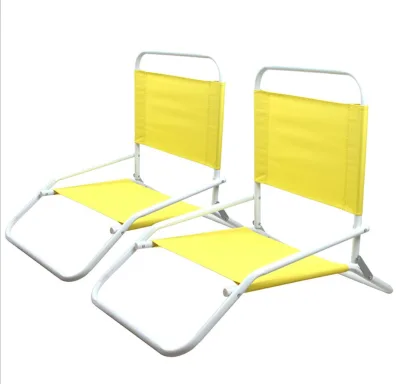


Outdoor Adjustable Zero Gravity Reclining Chair Folding Camping Beach Chair
$14.00 - $15.00
MOQ: 5 Pieces


High Backrest 330 Lb Load Cup Holder Foldable Lightweight Portable Beach Chair
$8.35 - $8.75
MOQ: 150 Pieces


Outdoor Portable Folding Beach Chair Folding Spring Chair with Plastic Handle
$3.00 - $8.00
MOQ: 500 Pieces


Lightweight Backpack Beach Folding Chair Folding Reclining Beach Chair
$22.29 - $103.20
MOQ: 100 Pieces


Comprehensive Sourcing Guide
Zero Gravity Folded Beach Chair Sourcing Guide
Sourcing zero gravity folded beach chairs requires a nuanced understanding of the intersection between ergonomic design, portable materials, and outdoor durability. These chairs are defined by their ability to recline into a near-horizontal position, mimicking the sensation of weightlessness, while featuring a folding mechanism that allows for compact storage and transport. For B2B buyers, this category spans a wide range of quality tiers, from basic promotional items to high-performance outdoor furniture. The core value proposition lies in the balance between portability and comfort, making these products ideal for beach resorts, poolside lounges, camping gear suppliers, and promotional merchandise distributors. Understanding the specific construction details is essential to ensuring the final product meets the expectations of end-users who demand both relaxation and convenience.
The procurement landscape for these items is characterized by significant variability in materials, frame structures, and fabric compositions. Buyers must navigate a market where "zero gravity" is often a marketing term rather than a strict engineering specification, necessitating rigorous verification of recline angles and load-bearing capacities. The observed market data indicates a diverse product range, with models varying from simple single-seaters to more complex double configurations. This diversity means that a one-size-fits-all sourcing strategy is ineffective. Instead, buyers must align their procurement specifications with the intended use case, whether it is for heavy-duty commercial use in hospitality settings or lightweight, disposable-style items for large-scale promotional events.
Product Scope and Observed Listing Signals
The current market signals indicate a broad spectrum of product attributes, with customization being a prevalent feature across many listings. Buyers will observe that many suppliers offer tailored solutions, allowing for modifications in color, fabric, and branding. This flexibility is crucial for businesses looking to create branded merchandise or specific product lines for niche markets. The presence of "Customized" and "Customization: Available" attributes suggests that suppliers are equipped to handle bespoke orders, which can be a significant advantage for large-volume buyers seeking unique product differentiation. However, this also implies that lead times and minimum order quantities (MOQs) may vary significantly depending on the complexity of the customization requested.
Material composition is another critical signal observed in the market, with metal and fabric being the dominant materials. The frames are often constructed from aluminum alloy or steel tubes, with specific dimensions such as a 28x1.0mm diameter tube being noted in some listings. The fabrics range from polyester and shirt fiber to more specialized materials like Textilene, which offers superior breathability and durability for outdoor use. Additionally, some products feature a 300d Grid Oxford fabric, which provides enhanced strength and resistance to tearing. Buyers should pay close attention to these material specifications, as they directly impact the chair's longevity, comfort, and suitability for different environmental conditions. The observed size ranges, such as 177x60x78cm for unfolded dimensions and 62x47x57cm for folded states, provide a baseline for understanding the spatial requirements of these products.
Technical Specifications to Verify
When evaluating technical specifications, the frame construction and finish are paramount for ensuring structural integrity and corrosion resistance. Buyers should verify the type of metal used, whether it is aluminum alloy or steel, and the thickness of the tubes, as thinner tubes may compromise stability under load. The frame finish, often powder-coated, plays a crucial role in protecting the metal from rust and wear, especially in coastal environments where salt air can accelerate corrosion. It is essential to confirm that the powder coating is applied evenly and adheres well to the metal surface, as any defects can lead to premature failure of the chair. Additionally, the folding mechanism should be tested for smooth operation and durability, ensuring that it can withstand repeated use without becoming loose or jammed.
The fabric and seat material must be evaluated for comfort, breathability, and resistance to environmental factors. Textilene and polyester fabrics are common choices, but buyers should inquire about the specific denier count and weave pattern to assess durability. For instance, a 300d Grid Oxford fabric is generally more robust than standard polyester, making it suitable for heavier users or more frequent use. The color options available, such as yellow, green, or custom colors, should also be considered in the context of the target market's preferences. Furthermore, the recline mechanism, which defines the "zero gravity" feature, should be checked for its range of motion and locking stability. Buyers should ensure that the chair can maintain its reclined position securely without slipping, providing a safe and comfortable experience for the user.
Compliance and Safety Documentation
Safety and compliance are non-negotiable aspects of sourcing outdoor furniture, particularly for products that support human weight. Buyers must request test reports from recognized third-party laboratories, such as SGS, to verify that the chairs meet relevant safety standards. These tests typically include load-bearing capacity assessments, structural integrity checks, and flammability tests for the fabric. The observed data mentions a loading bearing capacity of 120kgs-150kgs, which is a critical specification to verify through independent testing. Ensuring that the chair can safely support the stated weight without deformation or failure is essential for minimizing liability and ensuring customer satisfaction.
In addition to structural safety, buyers should consider environmental and chemical compliance, especially if the products are intended for export to markets with strict regulations. This includes verifying that the fabrics and coatings do not contain harmful substances such as lead, phthalates, or formaldehyde. Documentation such as Material Safety Data Sheets (MSDS) and compliance certificates for REACH or CPSIA may be required depending on the destination market. Buyers should also inquire about the origin of the materials, ensuring that they are sourced from reputable suppliers who adhere to ethical and environmental standards. This due diligence not only mitigates legal risks but also enhances the brand's reputation for responsible sourcing.
Cost Drivers and Commercial Terms
The cost of zero gravity folded beach chairs is influenced by several key factors, including material quality, customization complexity, and order volume. Higher-grade materials, such as aluminum alloy frames and premium Textilene fabrics, will naturally command higher prices compared to standard steel and polyester options. Customization, such as adding logos or specific color schemes, can also increase costs due to the additional labor and setup required. Buyers should negotiate clearly on these variables to ensure they are getting the best value for their budget. The observed MOQ range of 5-1000 units suggests that suppliers are flexible, but larger orders typically benefit from economies of scale, resulting in lower per-unit costs.
Commercial terms, including payment methods, shipping arrangements, and lead times, are also critical components of the procurement process. Buyers should clarify the Incoterms used, such as FOB or CIF, to understand who is responsible for shipping and insurance costs. Lead times can vary significantly based on the level of customization and the supplier's current production capacity. It is advisable to establish a clear timeline for production and delivery, including penalties for delays, to ensure that inventory needs are met. Additionally, buyers should inquire about the packaging details, as proper packaging is essential to prevent damage during transit. The observed packing methods, such as box carton or export carton, should be evaluated for their protective qualities and cost-effectiveness.
Supplier Qualification and Quality Control
Selecting the right supplier is crucial for ensuring consistent quality and reliable service. Buyers should conduct thorough due diligence on potential suppliers, verifying their business licenses, production capabilities, and quality management systems. Suppliers with a proven track record in exporting outdoor furniture are preferable, as they are likely to have experience with international standards and logistics. It is also important to assess their customer service responsiveness and willingness to accommodate custom requests. A supplier's ability to provide samples and conduct factory audits can provide valuable insights into their operational efficiency and quality control processes.
Quality control measures should be implemented throughout the production process to minimize defects and ensure product consistency. Buyers should establish clear quality standards and inspection criteria, including checks for frame welds, fabric stitching, and overall assembly. Third-party inspection services can be engaged to conduct pre-shipment inspections, verifying that the products meet the agreed-upon specifications. Feedback loops should be established to address any quality issues promptly, and suppliers should be held accountable for defective items. By maintaining rigorous quality control standards, buyers can protect their brand reputation and reduce the risk of returns or complaints from end-users.
Long-Term Procurement Checks
Long-term procurement success depends on continuous monitoring and relationship management with suppliers. Buyers should regularly review supplier performance metrics, such as on-time delivery rates, product quality, and responsiveness to issues. Building a strong partnership with suppliers can lead to better pricing, priority production, and collaborative innovation. It is also important to stay updated on market trends and technological advancements in the outdoor furniture industry, as this can inform future sourcing decisions. Regularly revisiting product specifications and market demands ensures that the sourced products remain competitive and relevant.
Additionally, buyers should consider the sustainability and lifecycle of the products they source. Evaluating the recyclability of materials and the environmental impact of production processes can align with growing consumer demand for eco-friendly products. Developing a strategy for end-of-life disposal or recycling of the chairs can further enhance the brand's sustainability credentials. By focusing on long-term value creation, buyers can build a resilient supply chain that adapts to changing market conditions and customer preferences. This proactive approach not only secures current business needs but also positions the company for future growth and success in the competitive outdoor furniture market.
FAQs
Can I find zero gravity folded beach chairs with armrests?
Yes, models with armrests are available for this product category. The observed listings include options featuring armrests alongside modern and simple styles, ensuring comfort during outdoor use.
What materials are used for zero gravity folded beach chairs?
These chairs are constructed using metal frames and fabric seats. Specific observations indicate the use of aluminum alloy frames, polyester or shirt fiber fabrics, and textilene for durability in outdoor settings.
Which customization options exist for zero gravity folded beach chairs?
Customization is available for these products, allowing buyers to specify details. Options include custom colors for the fabric and frame, as well as tailored specifications to meet unique procurement requirements.
How are zero gravity folded beach chairs packed for shipping?
Packaging typically involves box cartons or export cartons for protection. The standard packing methods ensure the folded units remain secure during transit from origins like Zhejiang Province or China.
What is the typical load capacity for zero gravity folded beach chairs?
The observed load bearing capacity ranges from 120 to 150 kilograms. This specification ensures the chairs can support standard adult weights while maintaining structural integrity during outdoor activities.
Can I order small quantities of zero gravity folded beach chairs?
Yes, small orders are accepted for these products. The minimum order quantity observed starts as low as 5 units, making it accessible for buyers testing the market or needing limited stock.
What certifications are available for zero gravity folded beach chairs?
Some listings provide test reports from SGS to verify quality. This certification helps buyers confirm that the products meet specific safety and performance standards required for international trade.