Source Zero Emission Dump Body for Garbage, Mining, and Construction
Compare 29 listings for Zero Emission Dump Body options including carbon steel and aluminum models with front lifting styles. Buyers can evaluate specifications like cargo tank dimensions, horsepower, and transmission types for engineering transportation needs.
Key considerations
Products List


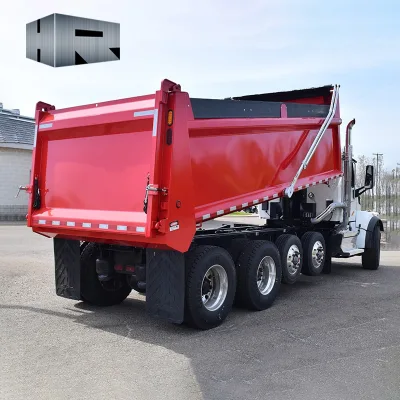
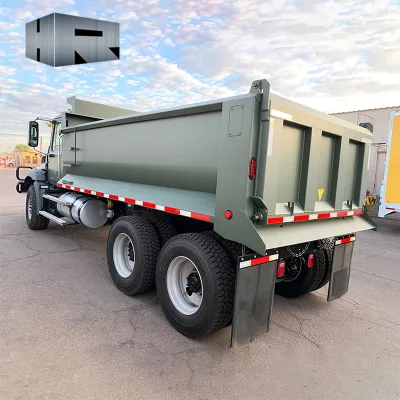


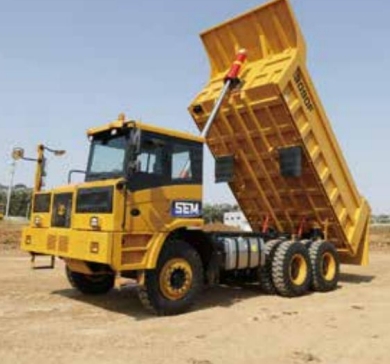


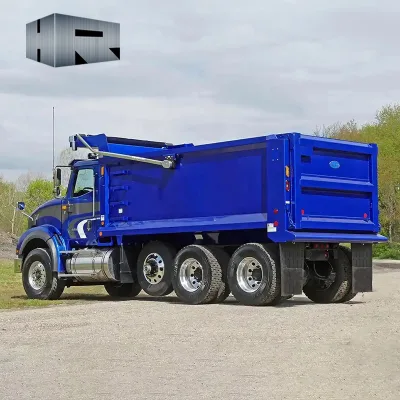
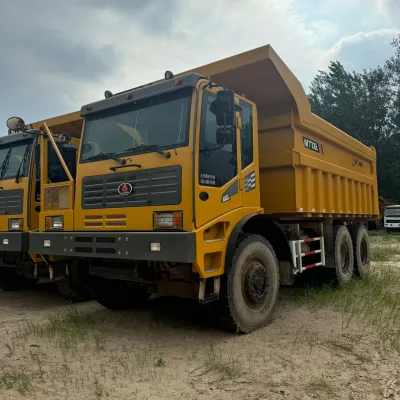
Fuel Saving 371HP Dump Truck Custom Body for Quarry and Mine Operation
$12000.00 - $15000.00
MOQ: 1 Sets

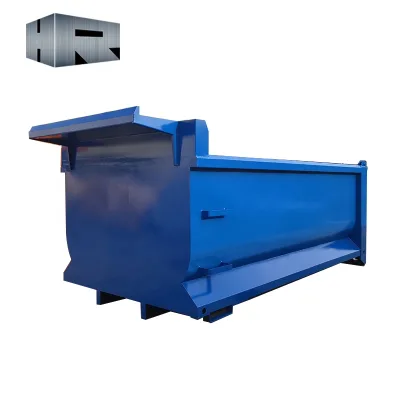
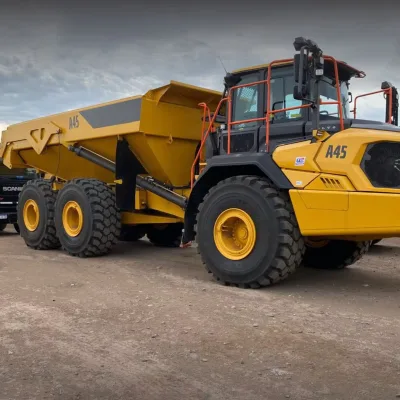
Clean Unloading 4 Axle Dump Trailer U Shaped Body for Residue Free Operation
$8000.00 - $20000.00
MOQ: 1
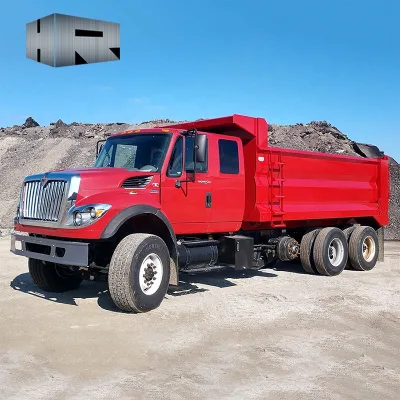
Comprehensive Sourcing Guide
Strategic Sourcing Guide for Zero Emission Dump Body Procurement
Understanding the Product Definition and Core Specifications
When sourcing a "Zero Emission Dump Body," buyers must first distinguish between a complete zero-emission vehicle and a specialized body component designed for integration. The supplied data indicates a specific product category where the "Emission Standard" is explicitly listed as "Zero Emission," yet the "Horsepower" attribute notes "Only dumper body" or "451-500hp" in separate listings. This distinction is critical for procurement accuracy. A zero-emission dump body is typically a cargo container engineered for electric or hydrogen-powered chassis, or a body designed for waste management applications where the body itself does not generate exhaust, relying on an external powertrain.
The physical specifications for these units vary significantly based on the intended application. The observed data highlights a "Cargo Tank length" ranging from 5.3 to 6.2 meters, with broader "Cargo Tank Dimension" specifications extending from 12 feet to 28 feet. This variance suggests that buyers must define their required capacity before engaging suppliers. The "Material" composition is a primary driver of performance, with available options including Carbon Steel and Aluminum. Carbon steel offers high durability for heavy industrial loads, while aluminum provides weight reduction benefits essential for maximizing the range of electric powertrains. The "Thickness" of the body panels is another observable metric, with options ranging from 3mm to 5mm or customized specifications. Thicker materials generally correlate with higher load capacities, which the data suggests can reach between 21 and 30 tons for specific heavy-duty configurations.
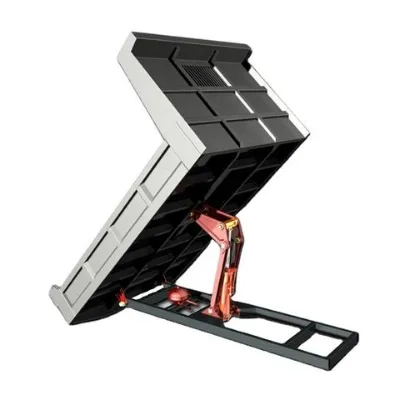
The structural design includes a "Dumping Type" described as a "Front Lifting Style," which is a specific mechanical configuration where the body is lifted from the front to discharge material. This differs from the more common rear-dump configurations. The "Surface" treatment is noted as "Powder coated," a standard process that enhances corrosion resistance, a vital feature for bodies used in "Garbage Recycling Sorting" or "Garbage Transportation." The "Color" is listed as "Customized Color," allowing for fleet branding or safety-specific color coding. The "Steering" configuration is specified as "Right," which is a standard requirement for markets in regions like the Middle East, Asia, and parts of Europe, but must be verified for local regulatory compliance.
Compliance, Certification, and Emission Standards Verification
Navigating the regulatory landscape for zero-emission equipment requires rigorous verification of certification status. The supplied product attributes list several key certifications: ECE, GCC, ISO, and DOT. These acronyms represent distinct regulatory frameworks. ECE (Economic Commission for Europe) standards are essential for vehicles operating within the European Union and other signatory countries. GCC (Gulf Cooperation Council) certification is mandatory for export to Middle Eastern nations. ISO standards generally refer to quality management systems (such as ISO 9001) or specific product standards, while DOT (Department of Transportation) certification is the primary requirement for the United States market.
Buyers must understand that the "Emission Standard" of "Zero Emission" applies to the powertrain integration. However, the body itself must meet structural safety and environmental durability standards. The data mentions "Tire Certification" alongside the emission standard, indicating that the vehicle system as a whole must comply with tire safety regulations. It is crucial to verify that the "Zero Emission" claim is not merely a marketing term but is backed by the specific "Emission Standard" documentation for the chassis the body is intended to mount on. For the body component, compliance often involves structural integrity tests rather than exhaust testing.
The "Standard" attribute is listed as "accustomize," suggesting that while the product may meet general industry norms, specific project requirements might necessitate custom engineering to align with local laws. Buyers should request the specific test reports or certification documents for the ECE, GCC, ISO, and DOT marks before finalizing a contract. The "Place of Origin" is identified as Jiangsu, China, a major manufacturing hub. While this location offers competitive pricing, it requires heightened scrutiny of the export documentation to ensure the certifications are valid and transferable to the destination country. The "Brand Name" is listed as "OEM," indicating that the product is manufactured for other brands, which is common in the heavy truck sector but requires clear contractual agreements regarding intellectual property and liability.
Cost Drivers and Pricing Structure Analysis
The pricing for zero-emission dump bodies is influenced by a complex matrix of factors, including material selection, customization levels, and certification requirements. The observed price range in the market data spans from $1 to $426,000 USD. This extreme variance reflects the difference between a standalone body component and a fully integrated, certified vehicle system. A price at the lower end of this spectrum likely corresponds to a basic carbon steel body with minimal customization, while the upper end represents a fully engineered, aluminum-bodied unit with advanced suspension, air brakes, and comprehensive certification packages.
Material costs are a primary driver. Aluminum bodies are significantly more expensive than carbon steel due to the raw material cost and the specialized welding techniques required. The "Thickness" of the steel or aluminum also directly impacts the price; a 5mm body will cost more than a 3mm body due to the increased material volume. Customization is another major cost factor. The "prod_packing" and "prod_standard" are listed as "Accustomize," meaning that non-standard dimensions, specific lifting mechanisms, or unique surface treatments will incur additional engineering and manufacturing fees.
The "Selling Units" are listed as "Single item," which implies that the Minimum Order Quantity (MOQ) is low, ranging from 1 to 4 units. This flexibility allows for smaller fleet expansions or pilot projects without the need for large capital outlays. However, buyers should be aware that unit prices may decrease with volume. The "Fuel Consumption" data, ranging from 35 to 60 L/100 Km, is relevant for diesel-powered chassis but serves as a benchmark for efficiency when comparing the total cost of ownership. For zero-emission applications, the cost driver shifts to battery capacity and electric motor integration, which are not explicitly detailed in the body specifications but are essential for the final system cost.
Technical Specifications and Performance Metrics
The technical performance of a dump body is defined by its load capacity, dimensions, and mechanical integration. The data indicates a "Load Capacity" of 21 to 30 tons, classifying these units as "Heavy truck" or "Medium-sized truck" depending on the specific configuration. The "Horsepower" attribute of 451-500hp suggests that these bodies are designed to be mounted on powerful chassis capable of handling significant weight. However, the note "Only dumper body" clarifies that the horsepower figure may refer to the recommended chassis power rather than the body itself.
The "Transmission Type" varies between "Automatic" and "Manual," with specific gearbox models like "Fast 9-Speed," "HOWO 9jsd," and "12js" listed. These are critical compatibility factors. A buyer must ensure that the dump body's lifting mechanism and hydraulic system are compatible with the transmission and chassis of the intended vehicle. The "Suspension Type" is listed as "Multi-Leaf Spring or Air Suspension." Air suspension is generally preferred for zero-emission vehicles as it reduces weight and provides better stability for electric powertrains, which often have different torque characteristics compared to diesel engines.
The "Brake System" is specified as "Air Brake with ABS/Ebs Optional." For heavy-duty applications, especially those carrying up to 30 tons, an Anti-lock Braking System (ABS) and Electronic Braking System (EBS) are highly recommended to ensure safety. The "Maximum Torque" ranges from 1500 to 2500 Nm, indicating the body's ability to withstand the rotational forces generated during dumping operations. The "Single package size" is listed as "XX cm," which is a placeholder that buyers must clarify with the supplier to determine shipping logistics. The "Dimensions (L x W x H)" are "Customized," reinforcing the need for precise engineering drawings before production begins.
Typical Applications and Market Segmentation
The primary applications for these zero-emission dump bodies are clearly defined in the product attributes as "Garbage Recycling Sorting" and "Garbage Transportation." This places the product squarely in the municipal waste management and environmental services sector. The "Market Segement" is identified as "Engineering transportation," suggesting that these bodies are also suitable for construction sites, mining operations, and bulk material handling where dust and emissions control are priorities.
The "Function" is explicitly stated as "Garbage Recycling Sorting," which implies that the body design may include features to facilitate the separation of waste streams or to withstand the corrosive nature of decomposing organic matter. The "Application" of "Garbage Transportation" further supports the use of these bodies in urban environments where noise and air pollution are significant concerns. Zero-emission bodies are particularly valuable in this context as they allow for waste collection during early morning hours without disturbing residents with engine noise or exhaust fumes.
The "Segement" classification of "Medium-sized truck" and "Heavy truck" indicates versatility. A medium-sized truck might be used for residential waste collection, while a heavy truck with a 30-ton capacity would be used for industrial waste or large-scale construction debris. The "Dumping Type" of "Front Lifting Style" is particularly useful in confined urban spaces where rear access is limited, allowing for efficient loading and unloading in tight alleyways or narrow streets. The "Color" customization allows municipalities to brand their fleets, enhancing visibility and public recognition.
Supplier Evaluation and Quality Control Protocols
Evaluating a supplier for a zero-emission dump body requires a multi-faceted approach focusing on technical capability, quality assurance, and after-sales support. The "After-sales Service Provided" is listed as "Yes," which is a positive indicator, but buyers should seek specific details regarding warranty periods, spare parts availability, and response times. The "Brand Name" being "OEM" suggests the supplier is a manufacturer capable of producing to a client's specifications, but buyers must verify the supplier's track record with similar projects.
Quality control should begin with the verification of the "Material" and "Surface" treatments. Buyers should request mill certificates for the carbon steel or aluminum to ensure the material meets the specified grade and thickness. The "Powder coated" surface finish should be inspected for uniformity and adhesion to prevent rust, which is a common failure point in waste management vehicles. The "Thickness" of 3mm, 4mm, or 5mm should be verified using non-destructive testing methods to ensure it matches the order specifications.
The "Gearbox Model" and "Axle Model & Ratio" are critical components that must be sourced from reputable manufacturers. The data lists "Heavy-Duty Tandem Axle" with ratios of 4.11, 4.56, or 5.12. Buyers should confirm that these components are compatible with the zero-emission powertrain and have been tested for the specific load requirements. The "Brake System" with ABS/EBS should be tested for responsiveness and reliability. The "Place of Origin" in Jiangsu, China, is a known manufacturing center, but buyers should conduct factory audits or request third-party inspection reports to ensure that the production processes meet international quality standards.
Long-Term Procurement and Total Cost of Ownership
Procuring a zero-emission dump body is a long-term investment that extends beyond the initial purchase price. The "Total Cost of Ownership" (TCO) includes maintenance, energy costs, and potential downtime. While the "Fuel Consumption" data shows 35-60 L/100 Km, this is relevant for diesel comparisons. For zero-emission applications, the energy cost is significantly lower, but the initial investment in the electric chassis and battery system is higher. Buyers should calculate the TCO over a 5 to 10-year period to determine the true value of the zero-emission solution.
The "Customization" aspect of the product allows for future-proofing. As waste management regulations evolve, the ability to modify the "Cargo Tank length" or "Dimensions" can extend the lifespan of the vehicle. The "Accustomize" packing and standard options suggest that the supplier is flexible, which is beneficial for adapting to changing operational needs. The "Seats" count of 2 or 6 indicates that the body can be configured for different crew sizes, affecting the operational efficiency of the waste collection route.
Buyers should also consider the "Lead Time" and "MOQ" when planning procurement. With an MOQ of 1 to 4 units, buyers can start with a small pilot fleet to test the performance of the zero-emission body in their specific environment before scaling up. The "Selling Units" being "Single item" further supports this phased approach. Finally, the "After-sales Service" is a critical component of long-term success. Buyers should negotiate service level agreements (SLAs) that cover routine maintenance, emergency repairs, and software updates for the electric powertrain integration. By focusing on these long-term factors, buyers can ensure that their investment in zero-emission dump bodies delivers sustainable value and operational efficiency.
FAQs
What is the load capacity for these dump bodies?
The load capacity ranges from 21 to 30 tons for heavy-duty configurations. This capacity depends on the specific material thickness and structural design selected for the application.
Which certifications are available for zero emission units?
Available certifications include ECE, GCC, ISO, and DOT for vehicle compliance. Buyers must verify that these certifications apply to the specific chassis integration and local regulations.
Can the cargo tank dimensions be customized?
Yes, the cargo tank dimensions are fully customizable to meet specific project needs. Options include lengths from 5.3 to 6.2 meters or broader ranges up to 28 feet.
What materials are used for the dump body construction?
The bodies are constructed from either Carbon Steel or Aluminum. Carbon steel offers high durability for heavy loads, while aluminum reduces weight for electric powertrain efficiency.
How is the dumping mechanism configured?
The dumping type is configured as a Front Lifting Style for discharge. This design is particularly suitable for confined urban spaces where rear access is limited.
What is the minimum order quantity for these units?
The minimum order quantity ranges from 1 to 4 units for single item purchases. This allows for small fleet expansions or pilot projects without large capital outlays.
Where are these dump bodies manufactured?
The place of origin is Jiangsu, China, a major manufacturing hub. Buyers should verify export documentation to ensure certifications are valid for their destination country.