Source Luxury Circular Plastic Beads for DIY, Decoration, and Garments
Find 30 listings for Luxury Circular Plastic Beads suitable for DIY projects, home decoration, and garment embellishments. Buyers can compare materials, sizes, and customization options from verified suppliers to match specific design needs.
Key considerations
Products List




Comprehensive Sourcing Guide
Luxury Circular Plastic Beads Sourcing Guide
Sourcing high-quality circular plastic beads for luxury applications requires a nuanced understanding of material properties, aesthetic finishes, and supply chain reliability. While the term "plastic" often connotes mass-market utility, the luxury segment demands precision in color consistency, surface texture, and dimensional tolerance. Buyers must distinguish between standard acrylics, engineered polymers, and composite materials that mimic the weight and feel of glass or metal while offering superior durability and cost-efficiency. The visual appeal of these beads often relies on advanced finishing techniques such as painting, hot-fix application, or transparent crystal-like treatments, which significantly impact the final product’s perceived value.
This guide provides a structured approach to evaluating suppliers and products based on observed market signals and technical realities. It focuses on verifying material authenticity, understanding the implications of customization options, and establishing robust quality control measures. By aligning procurement strategies with specific end-use requirements—whether for high-end fashion accessories, home textiles, or artistic installations—buyers can mitigate risks associated with inconsistent quality and ensure that the final components meet the stringent standards expected in luxury markets.
Product Scope and Observed Listing Signals
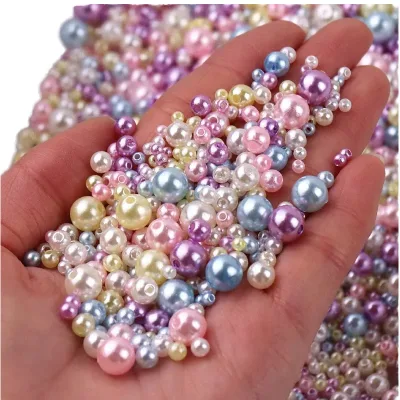
The current market landscape for circular beads reveals a diverse range of materials and applications, with acrylic and glass being prominent choices for decorative purposes. Observed listings indicate that acrylic beads are frequently marketed with simple styles and painted finishes, available in a wide spectrum of colors to suit various design needs. These beads are often specified for DIY projects, necklace assembly, and general decoration, with standard sizes ranging from 6 to 10mm. The availability of customization options allows buyers to tailor dimensions and colors to specific brand identities, although this often introduces variability in lead times and minimum order quantities.
In addition to acrylic, glass beads and artificial crystals are widely available, offering different aesthetic qualities such as transparency, specific color palettes, and reflective properties. Some listings highlight hot-fix techniques, which are essential for applications requiring secure attachment to fabrics or other substrates without visible stitching. The observed price range is broad, reflecting differences in material purity, manufacturing complexity, and packaging standards. Buyers should note that while some products are described as "luxury" or "European style," these are marketing descriptors rather than guaranteed quality metrics, necessitating rigorous verification of physical samples and material certifications.
Technical Specifications to Verify
Dimensional accuracy and shape consistency are critical for luxury applications, where even minor deviations can compromise the integrity of the final design. Buyers must verify that circular beads are truly spherical or uniformly round, as irregularities can affect the drape and appearance of garments or jewelry. Standard sizes such as 2.5mm and 3.8mm are common, but custom sizes are often requested to meet specific design requirements. It is essential to confirm the tolerance levels for diameter and hole size, as these parameters directly impact the ease of assembly and the final fit of the beads on threads or pins.
Surface finish and material composition also require close scrutiny. Painted acrylic beads may exhibit variations in color saturation or gloss levels, while glass beads might offer superior clarity and weight. Artificial crystals, often marketed for their brilliance, should be evaluated for their refractive index and durability against scratching. Additionally, the presence of hot-fix backing on certain beads necessitates verification of the adhesive quality and heat resistance to ensure they remain secure during wear or washing. Buyers should request detailed specifications for each batch, including material density, colorfastness ratings, and resistance to environmental factors such as UV exposure or moisture.
Compliance and Safety Documentation
Safety and regulatory compliance are non-negotiable for luxury goods, particularly those intended for direct skin contact or children’s use. Buyers must ensure that all plastic beads, including acrylic and artificial crystal variants, comply with relevant international standards for chemical safety, such as restrictions on heavy metals, phthalates, and other hazardous substances. While some listings claim food-grade silicone quality, this is typically applicable to specific product lines and should not be assumed for all plastic beads. Verification of compliance with REACH, RoHS, or CPSIA standards is essential to avoid legal liabilities and protect brand reputation.
Documentation should include material safety data sheets (MSDS) and test reports from accredited laboratories. These documents provide evidence that the beads meet specific chemical and physical safety criteria. For beads used in home textiles or garments, additional compliance with flammability standards may be required. Buyers should also inquire about the sourcing of raw materials to ensure they are free from conflict minerals and environmentally harmful practices. Transparent supply chain documentation not only ensures compliance but also enhances the brand’s credibility among conscious consumers who value ethical sourcing and sustainability.
Cost Drivers and Commercial Terms
The cost of Luxury Circular Plastic Beads is influenced by several factors, including material type, customization complexity, and order volume. Acrylic beads, while generally more affordable than glass or crystal, can vary in price based on the quality of the resin and the precision of the manufacturing process. Customization options, such as specific colors or sizes, often incur additional charges and may increase minimum order quantities. Buyers should negotiate clear terms regarding price breaks at different volume tiers and understand the cost implications of rush orders or small batch productions.
Packaging and logistics also play a significant role in the total cost of ownership. Beads are typically packed in polybags or cartons, with weights ranging from 0.5kg to 500g per bag, depending on the product type. Efficient packaging minimizes damage during transit and reduces storage space, but specialized packaging for luxury items may add to the cost. Buyers should clarify who bears the responsibility for shipping and insurance, and whether the supplier offers consolidated shipping options to reduce freight costs. Understanding these commercial terms helps in creating a realistic budget and avoiding unexpected expenses during the procurement process.
Supplier Qualification and Quality Control
Selecting a reliable supplier is paramount to ensuring consistent quality and timely delivery. Buyers should conduct thorough due diligence on potential suppliers, verifying their business licenses, production capabilities, and past performance. Factories with specialized equipment for painting, hot-fix application, and precision cutting are better equipped to meet the demands of luxury markets. It is advisable to request samples from multiple suppliers to compare quality, packaging, and customer service responsiveness. Establishing a clear communication channel with the supplier’s quality control team can help address issues proactively.
Quality control measures should be integrated into the procurement process from the outset. Buyers should define acceptable quality limits (AQL) for defects such as chipping, color mismatch, or dimensional inaccuracies. Regular inspections, either pre-shipment or during production, can help identify and rectify issues before they impact the final product. Suppliers who offer sample supply services and are willing to accommodate custom requests demonstrate flexibility and commitment to customer satisfaction. Building a long-term relationship with a qualified supplier ensures stability in supply and fosters collaboration on innovative design solutions.
Long-Term Procurement Checks
Sustaining quality and compliance over time requires ongoing monitoring and periodic re-evaluation of suppliers and products. Market trends and regulatory standards evolve, necessitating regular updates to procurement specifications and compliance requirements. Buyers should maintain a database of test results and compliance certificates for each supplier and product line, ensuring that documentation is current and accessible. Periodic audits of supplier facilities can verify that production processes remain consistent and that quality control measures are effectively implemented.
Additionally, buyers should stay informed about advancements in materials and manufacturing technologies that could enhance the quality or sustainability of plastic beads. Engaging with suppliers to discuss potential improvements or alternative materials can lead to cost savings and product differentiation. Feedback from end-users and market performance data should be used to refine procurement strategies and address any recurring quality issues. By adopting a proactive and data-driven approach to procurement, buyers can ensure that their Luxury Circular Plastic Beads continue to meet the highest standards of quality, safety, and aesthetic appeal.
FAQs
What materials are used for Luxury Circular Plastic Beads?
The available materials include acrylic, glass, wood, and artificial crystals. These options allow for diverse aesthetic choices while maintaining durability for various applications like DIY projects and garment decoration.
Which customization options are available for these beads?
Customization is available for shape, color, and size specifications. Buyers can request specific dimensions such as 6-10mm or 2.5mm and 3.8mm round cuts, along with tailored color matching to suit their design needs.
How are these beads typically packed for shipment?
Packing options include polybags ranging from 0.5kg to 1kg per bag or loose packages up to 25kgs. Some items are also available in carton plus polybag combinations to ensure safe transport during international shipping.
Can I order samples before placing a bulk order?
Yes, sample supply is available for potential buyers to verify quality. This allows clients to test the product attributes like shape and finish before committing to larger quantities that may have different minimum order requirements.
What are the standard sizes for these circular beads?
Standard sizes vary by material and include 6-10mm, 2.5mm, and 3.8mm round cuts. Custom sizes can also be requested to meet specific project requirements, ensuring flexibility for different crafting and manufacturing applications.
Where are these beads manufactured and sourced from?
The products originate from China, with specific manufacturing locations noted in Jiangsu. This regional sourcing supports the availability of various materials and techniques such as painted and hot-fix finishes for global distribution.